



1930s Brass Light
These pieces deliver functional illumination paired with distinct period character.
1930s Brass Light
A 1930s brass light brings together functional metalwork and period illumination, spanning forms from table lamps to substantial multi-arm chandeliers. Buyers searching this phrase encounter lighting fixtures that bridge late traditional aesthetics and emerging modernist movements.
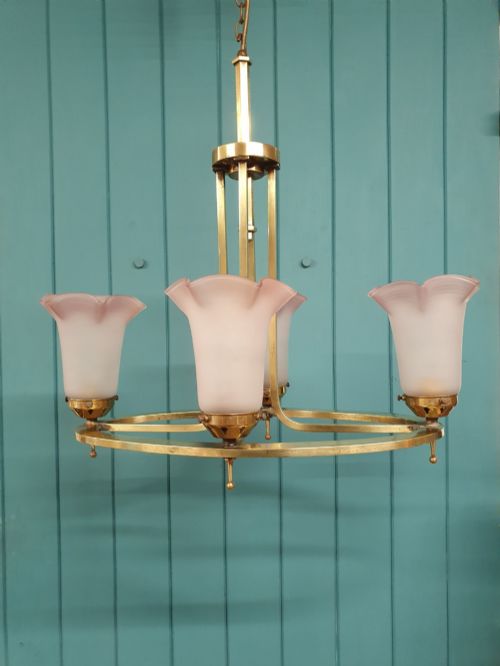
The selection on this page relies heavily on French and domestic examples, predominantly executed in the Art Deco style alongside regional interpretations such as Dutch Revival and French Country. Common formats include ceiling pendants, wall lights, and desktop task lighting intended for domestic interiors.
Construction and materials
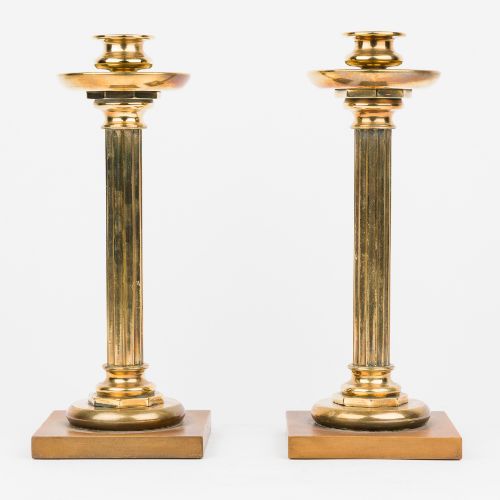
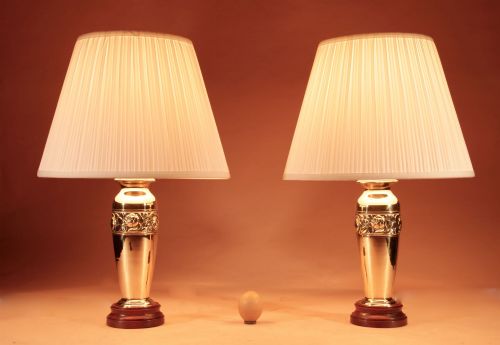
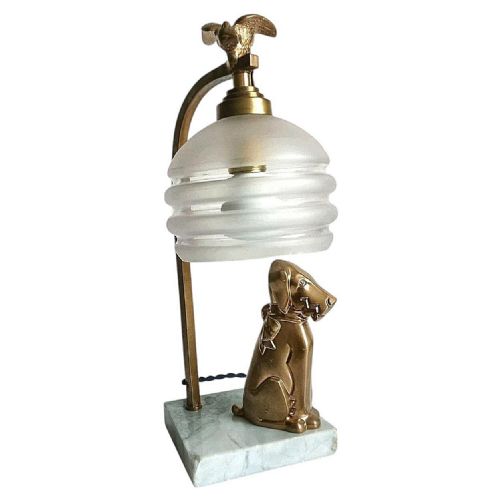
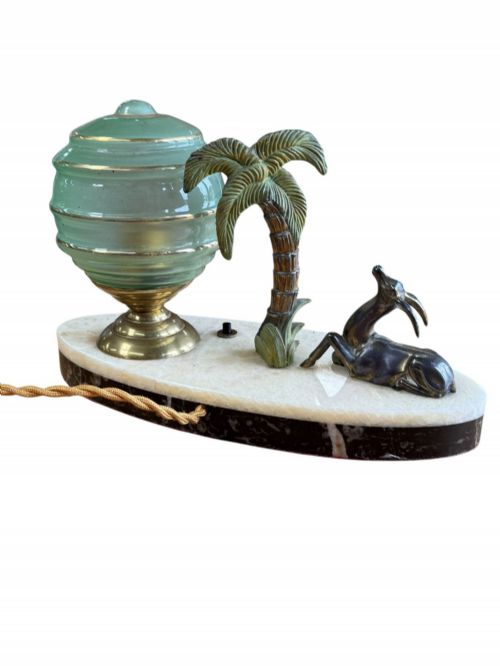
Metalwork forms the structural core of these pieces, utilising cast brass, bronze, and copper paired with weighted bases of marble or onyx where stability is required for standard lamps and candlesticks.
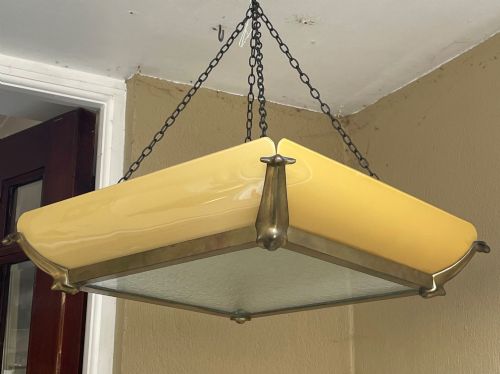
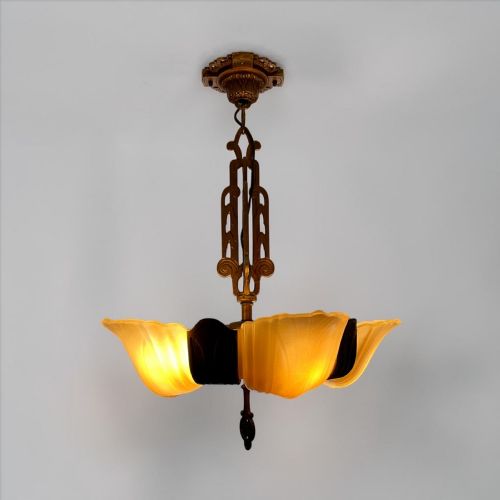
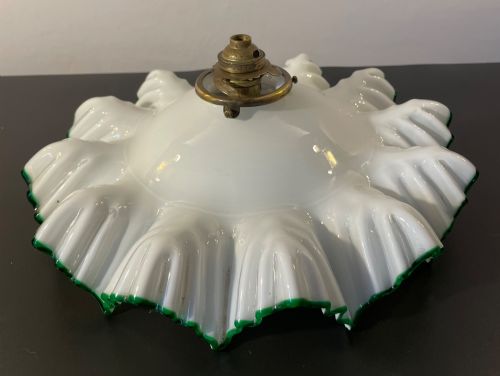
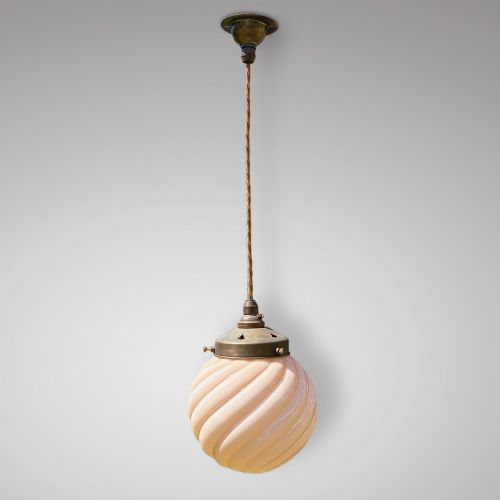
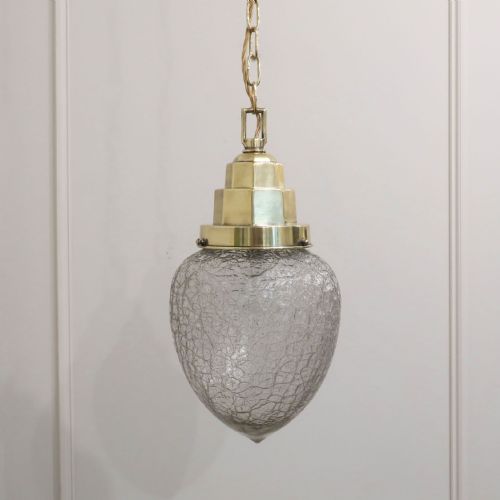
Lighting diffusers utilise diverse glass techniques, combining frosted, opaline, crackle, and moulded slip shades to soften the output of early electrical bulbs.
Keep an eye out for novelty animal motifs, where brass parrots and dogs quietly hold court over the living room.
Judging quality in period lighting
Superior quality in these items shows in the thickness of the cast brass and the refinement of surface finishing, distinguishing heavier, more substantial frames from lighter pressed metal alternatives.
Glass components reveal quality through the depth of opaline or crystal texture, where genuine period shades display weight and subtle irregularities absent in later replacements.
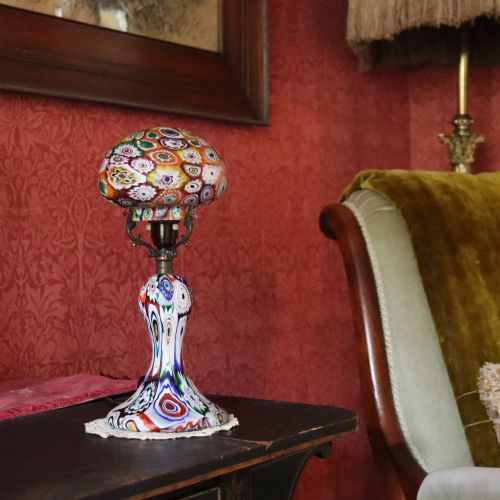
Fratelli Toso
The 1930s Brass Light Glossary
- Art Deco
- A design style dominant in the interwar period characterised by geometric symmetry, stylised motifs, and sleek lines. It heavily influences the profile of these metal and glass fixtures.
- Opaline glass
- A milky, semi-translucent glass used extensively for shades to diffuse light evenly. This material appears frequently in pendant and ceiling configurations from the period.
- Slip shade
- A moulded piece of glass that slots directly into a metal frame to form a bowl or shade. These are typical of multi-light ceiling fixtures and wall sconces.
- Plafonnier
- A shallow ceiling light mounted flush or close to the ceiling surface. These fixtures often combine brass frames with frosted or patterned glass bowls.
1930s Brass Light: Frequently Asked Questions
How do I identify a true 1930s brass light?
Authentic pieces display period manufacturing techniques such as heavy cast brass components, traditional wiring channels, and distinct material patination developed over decades of use.
Matching the stylistic markers of the design, such as specific Art Deco geometry or regional variations, helps confirm the era of production alongside any maker attributions.
Are these lights compatible with modern wiring?
Many surviving fixtures have been updated with modern electrical components to meet current safety standards while retaining their original exterior metal and glass elements.
Buyers should inspect the specific listing details to confirm whether a piece has been rewired or requires professional electrical updating before installation.
How were these fixtures used originally?
These lights served specific domestic roles ranging from task illumination on desks to ambient hanging placement in hallways, dining spaces, and principal rooms.
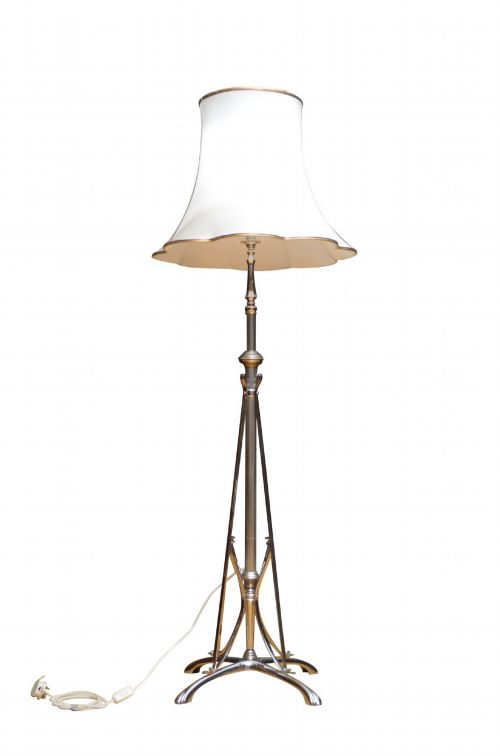
Wall sconces and floor standards provided layered lighting schemes, supplementing the primary ceiling pendants and chandeliers of the period.
What glass types are common on these fixtures?
Shades frequently utilise opaline, frosted, crackle, or opalescent glass designed to reduce glare from early incandescent bulbs while dispersing a warm glow.
Specialised forms like slip shades and moulded glass dishes are secured directly into the metal armature to complete the silhouette.