


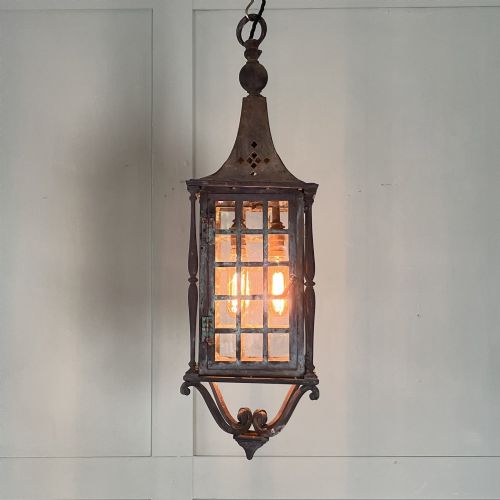
Vintage Hanging Glass
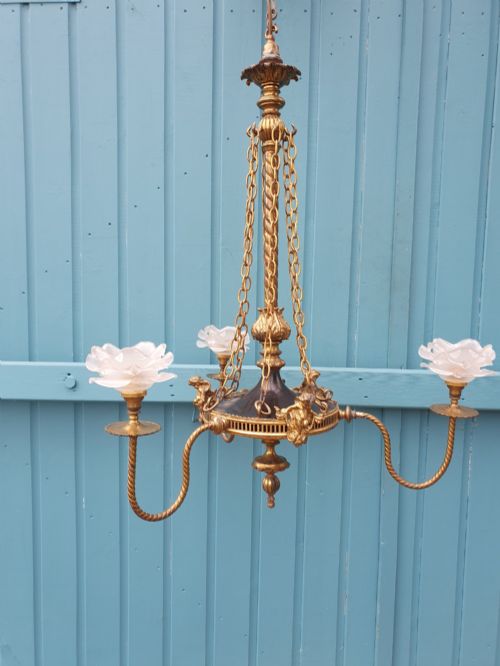
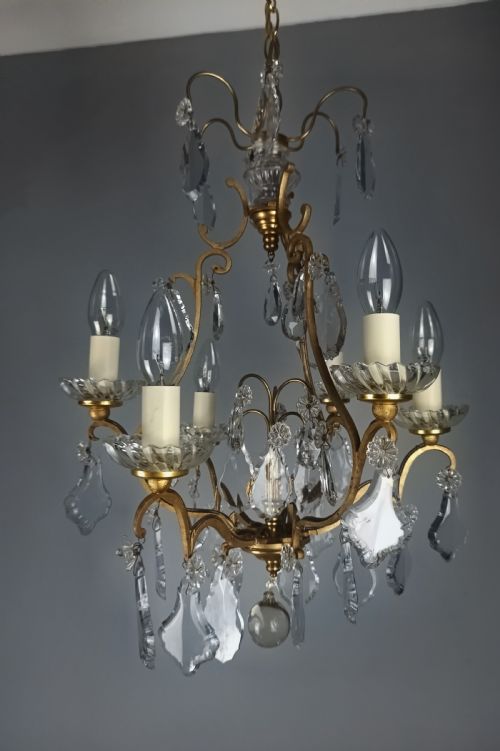
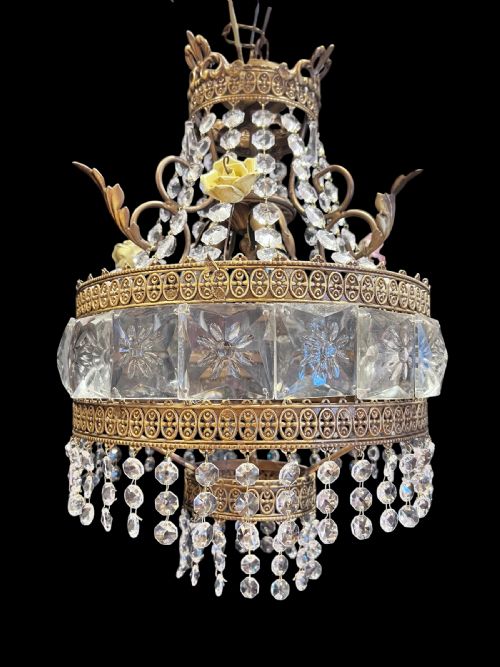
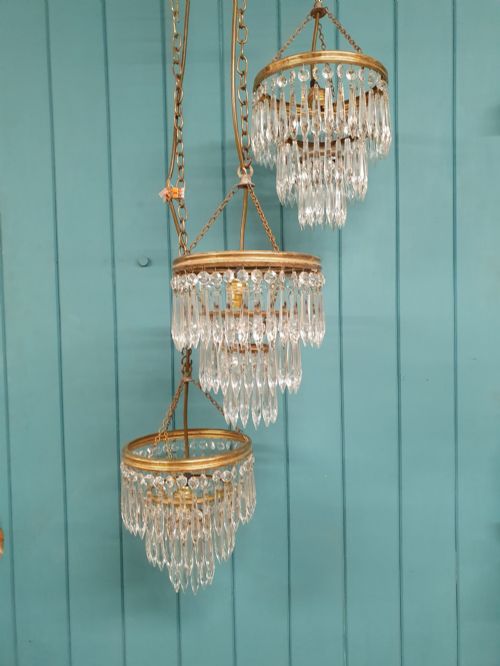
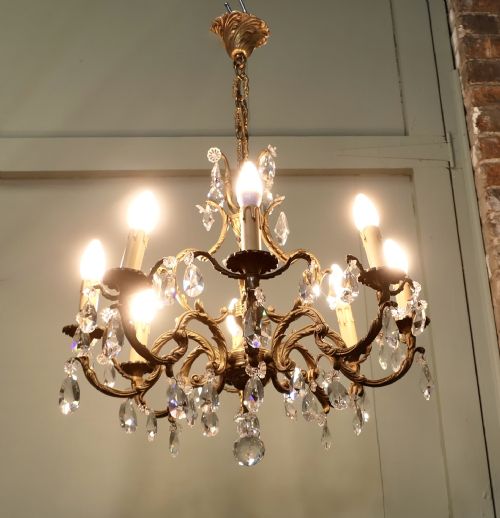
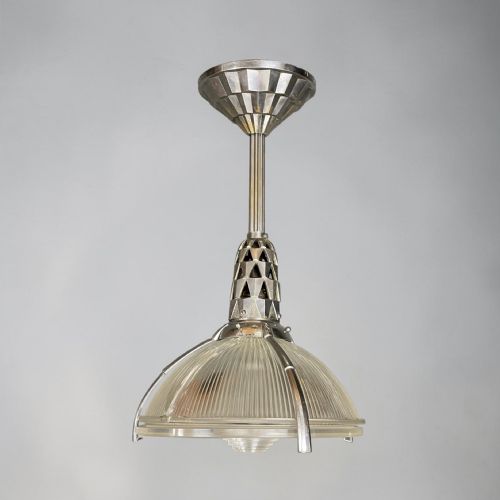
Vintage hanging glass gathers light through lanterns, pendants, and chandeliers spanning the Victorian era, Edwardian period, and Art Deco years.
Vintage Hanging Glass
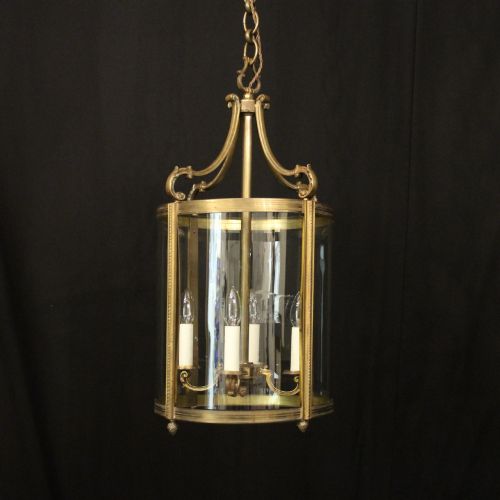
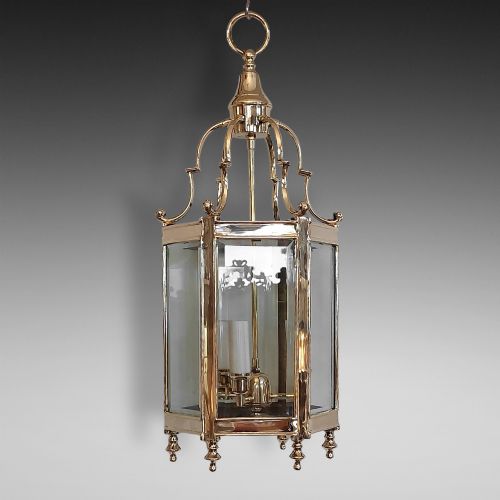
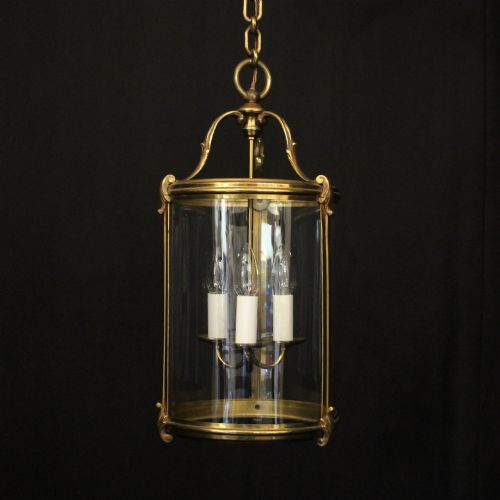
The selections appearing on this page most frequently take the form of brass-framed hall lanterns, glass globe pendants, and multi-armed crystal chandeliers. Originating across periods from the nineteenth century through the 1930s, these objects bring period illumination methods into contemporary interiors.
How they were made
The construction of these items relies heavily on combinations of cast brass, gilt bronze, and structural metals framing transparent, cut, or opaline glass panels. Makers secured glass components within metal armatures using lead cording, soldering, or mechanical fixings designed to support weight safely from a single suspension point.
Surface decoration involved chemical etching, bevelling, and mould-blowing for the glass elements, alongside hand-gilding, patination, and piercing for the metal mounts. Artisans utilised techniques ranging from traditional glass cutting to Arts & Crafts metalworking to achieve both structural integrity and decorative refinement.
Moravian star lanterns illuminate spaces through twelve points of bevelled glass.
What varies in quality
The distinction between tiers of quality rests upon the weight of the metal framing, the depth of hand-cut facets in the glass, and the crispness of cast ornamentation. Superior examples display dense, heavy bronze or brass structures alongside hand-finished glass elements free from modern replacement parts.
Construction methods also dictate grade, where hand-pierced brass panels and securely integrated crystal lustres demonstrate higher workshop standards than mass-produced stamped alternatives. Original patination and intact period suspension hardware further separate standard domestic items from exhibition-grade commissions.
Waring & Gillow·Émile-Jacques Ruhlmann·Hyde & Sons Sleaford
The Vintage Hanging Glass Glossary
- Plafonnier
- A ceiling-mounted or close-hanging glass bowl light fixture. These diffuse illumination downwards into rooms with lower ceiling heights.
- Lustre
- A cut glass pendant drop or prism hung from a chandelier or wall light. They catch and refract light across the surrounding space.
- Opaline
- A type of opaque white or coloured glass popular for lamp shades. It softens light bulbs to reduce glare while providing even illumination.
- Gilt bronze
- Bronze metal treated with a thin layer of gold or gold-coloured alloy. Also known asormolu, it provides a durable, lustrous finish on decorative mounts.
- Bevelled
- Glass with an angled, polished edge created by grinding the perimeter. This treatment adds a decorative prismatic border to mirror plates and lantern panels.
Vintage Hanging Glass: Frequently Asked Questions
How do I hang a heavy glass lantern?
Suspension requires locating a structural ceiling joist or installing a heavy-duty metal hook rated for the total weight of the bronze and glass fixture. Professional electricians should verify that the internal wiring safely supports the electrical load.
Chain lengths can be adjusted using connecting links to position the fixture at the correct height above hallways or dining tables. Ensuring the weight rests entirely on the hanging chain rather than the electrical flex protects the original components.
Are these lights wired for modern bulbs?
Most antique hanging lights receive updated electrical internal fittings to comply with modern safety standards while retaining their original exterior appearance. Standard lamp holders allow the use of contemporary LED or incandescent bulbs.
Rewiring preserves the historical brass and glass housing while ensuring the internal circuits operate safely. Consulting a specialist ensures the historical lamp holders are adapted without altering visible external metalwork.
How do I clean antique glass shades?
Cleaning requires removing the glass components from the metal frame when possible to wash them gently in warm soapy water using a soft cloth. Harsh chemical cleaners must be avoided to protect antique hand-etched surfaces and original patination on surrounding brass.
Crystal lustres and glass panels should be dried thoroughly with a lint-free cloth before reattachment to the metal armature. Regular dusting with a dry microfibre cloth prevents dust accumulation in intricate cut glass grooves.
How do I date a hanging glass fixture?
Dating relies on identifying stylistic markers such as the geometric lines of Art Deco pieces, the floral motifs of Art Nouveau, or the heavy cast brass of Victorian designs. Construction techniques, including the type of screw threads and glass manufacturing methods, provide further chronological clues.
Examining the metal composition and wiring channels helps distinguish late nineteenth-century productions from 1930s interpretations. Comparing specific decorative details against documented maker output narrows the production window.