



Octagonal Bevelled Mirror
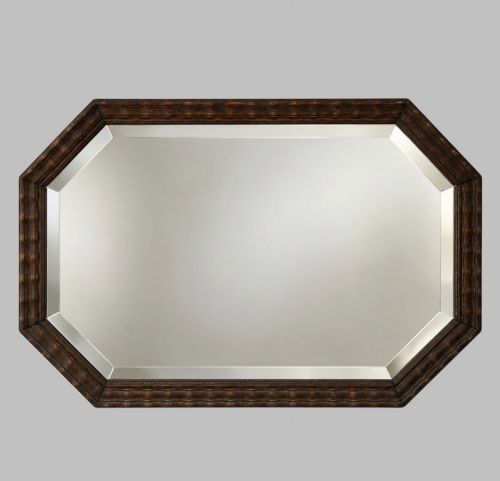
An octagonal bevelled mirror brings geometric clarity and crisp reflection to a room, offering a distinct alternative to standard rectangular wall hangings.
Octagonal Bevelled Mirror
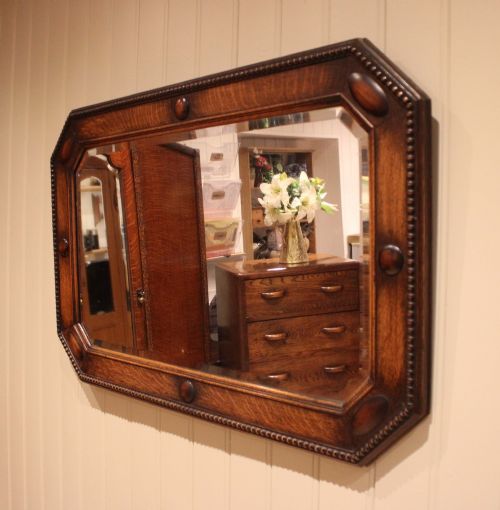
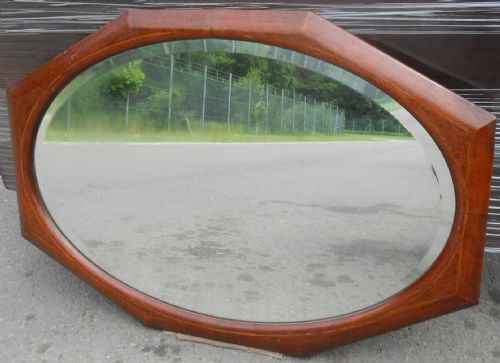
An octagonal bevelled mirror draws the eye through its eight-sided geometry and angled glass edges, which catch the light from multiple angles. When searching for an octagonal bevelled mirror, buyers encounter pieces spanning from the Victorian and Edwardian eras into the Art Deco period.
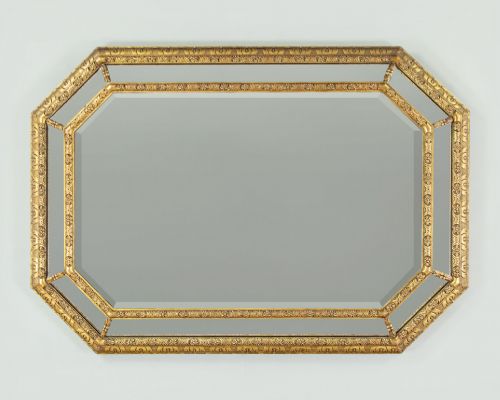
The selection ranges from frameless geometric wall pieces to framed examples executed in oak, walnut, or giltwood. These wall mirrors serve both functional and decorative purposes in domestic interiors, reflecting light and creating a sense of expanded space.
While the inventory includes various shapes such as rectangular, oval, and round, the octagonal form remains a distinct design choice. Makers utilised this eight-sided format to introduce clean architectural lines into domestic spaces.
Materials and construction
Makers constructed these looking glasses using traditional timber frames including oak, mahogany, and walnut, alongside gesso and gold leaf applications. Water gilding techniques were also employed on specific cushion frames to achieve a luminous metallic finish.
The defining feature, the bevelled glass, required skilled hand-grinding of the mirror edges to produce the characteristic sloping perimeter. Frameless versions relied on secure backing and specialised fixings to maintain structural integrity.
Materials documented across the inventory include oak, walnut, mahogany, gesso, gold leaf, and copper.
Assessing quality and craftsmanship
Quality rests in the precision of the glass bevelling and the depth of the timber frame joinery. Finer examples display crisp geometric angles without distortion in the reflection.
The sophistication of the surface finish distinguishes superior pieces, whether through the fine application of gold leaf or the careful selection of figured wood grain in oak and walnut frames.
Waring & Gillow
The Octagonal Bevelled Mirror Glossary
- Bevel
- The sloping edge ground along the perimeter of the mirror glass. This technique creates a prismatic light effect that frames the reflection.
- Giltwood
- Timber that has been coated with gold leaf or gold paint. It provides a rich, reflective surface popular in period decorative frames.
- Gesso
- A plaster-like mixture applied to wood frames as a base for gilding. It allows craftsmen to carve intricate relief details before applying gold leaf.
- Cushion Frame
- A convex, rounded frame profile that swells outward toward the glass. This style adds volume and depth to the wall mirror.
Octagonal Bevelled Mirror: Frequently Asked Questions
How do I hang a heavy oak mirror safely?
Heavy timber wall mirrors require appropriate fixings suited to the wall type, typically involving screws and wall plugs matched to the weight of the wood and glass.
Ensure the hanging wire or brackets on the back of the frame are secured firmly to the primary structure of the mirror rather than decorative trim.
What is a bevelled edge?
A bevelled edge is the angled perimeter ground directly into the face of the mirror glass. This process thins the glass toward the outer edge and catches the light.
Craftsmen used this technique to add a decorative border to the reflection without needing an elaborate frame.
How do I date an older mirror?
Dating relies on examining the timber species, framing style, and the construction of the mirror backboards. Art Deco pieces show distinct geometric minimalism, whereas Victorian examples often feature heavier carved woodwork.
The condition and oxidation of the silvering on the glass can also offer clues regarding the age of the piece.