







Vintage Handmade Rug
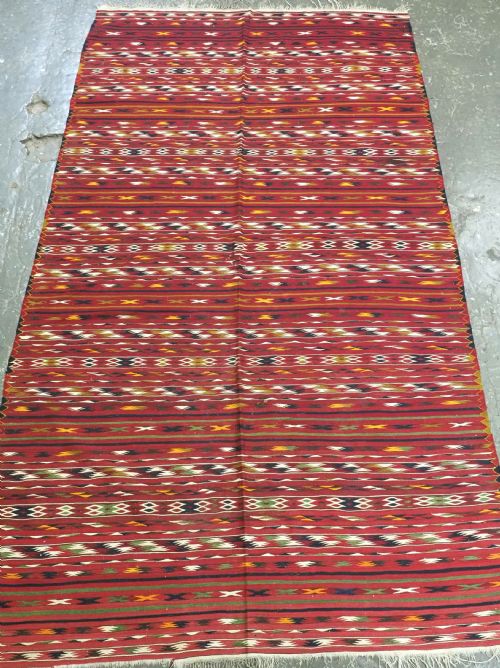
These vintage handmade rug examples bring authentic tribal and village character into a room through genuine antique craft.
Vintage Handmade Rug
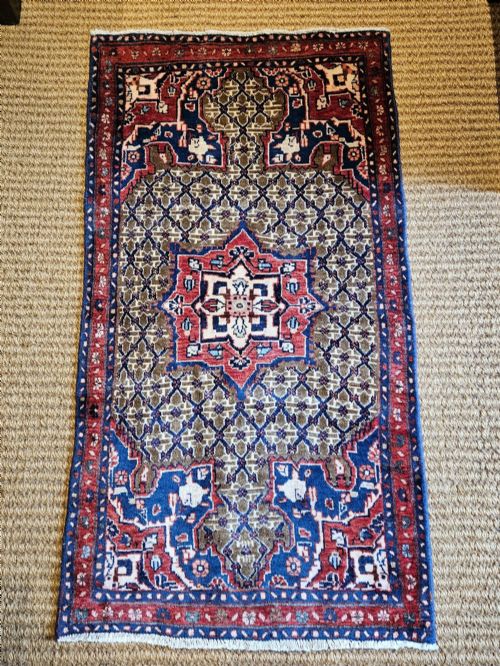
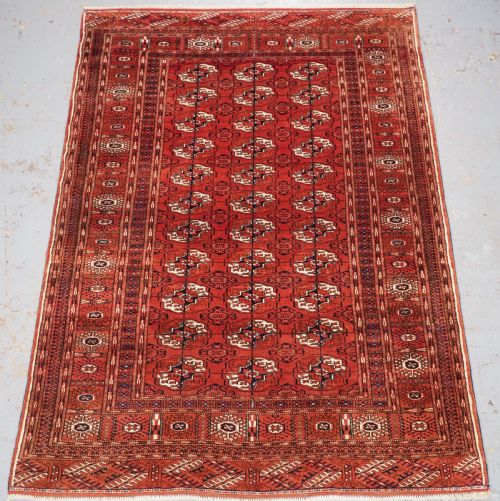
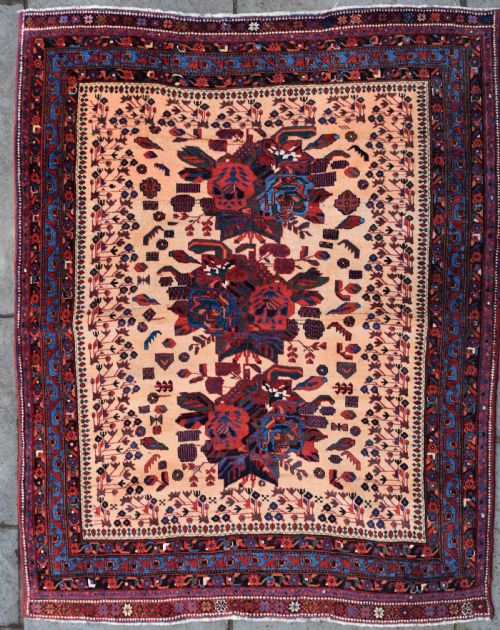
A vintage handmade rug brings genuine tribal and village character into a room through pieces dating from the mid-nineteenth century up to the nineteen-thirties. When searching for a vintage handmade rug, buyers encounter diverse regional traditions ranging from Persian Heriz and Hamadan to Anatolian and Turkmen tribal pieces.
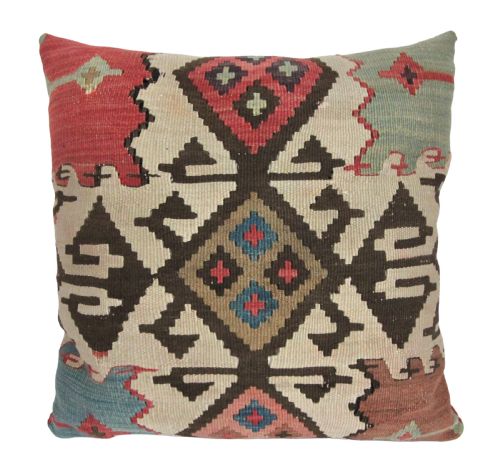
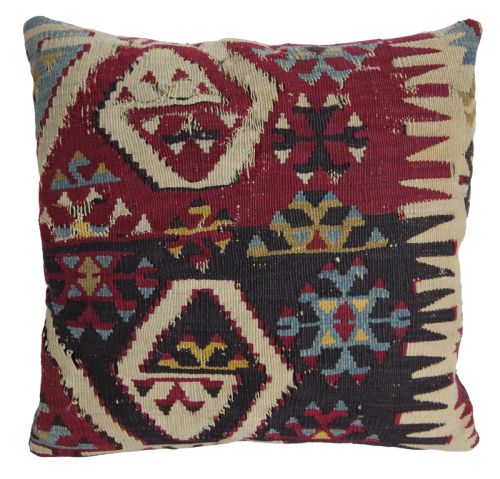
The selections span hearth sizes and area rugs alongside flatweave kilim cushions made from antique textiles. Persian village rugs and Turkmen dowry rugs represent common regional forms encountered on this page.
Origins stretch across specific weaving cultures, including Tekke Turkmen, Belouch, Afshar, and Karadja traditions. Each item reflects the distinct ornamental vocabulary of its specific village or nomadic group.
How they were made
Makers utilised natural wool and hand-spun wool fibres, frequently combined with a cotton warp to provide structural stability. These organic materials were knotted or flatwoven by hand across traditional village and nomadic workshops.
Weavers employed traditional techniques such as the fine weave seen in Turkmen kilims or the chain stitch method utilised in Kashmir carpet production. Natural dyeing methods yielded the varied colour palettes recorded across these nineteenth and early twentieth century pieces.
Vintage Handmade Rug Retail Price Guide 2026
Typical asking prices for vintage handmade rug among the pieces listed under this phrase on Sellingantiques today, from the lower quarter to the upper quarter. They describe what is for sale here now, not the wider market.
Listings feature pieces spanning the period from eighteen-fifty to nineteen-thirty, constructed from wool, hand-spun wool, and cotton.
What varies in quality
The refinement of the weave and the clarity of the regional design separate different examples within the range. Pieces exhibiting a particularly fine weave or a scarce structural format, such as specific medallion layouts or ovoid gul patterns, display superior technical accomplishment.
The depth and preservation of the natural colour palette also influence the character of each rug. Strong visual balance in traditional tribal motifs marks out the more accomplished village and nomadic output.
The Vintage Handmade Rug Glossary
- Gul
- An octagonal medallion motif frequently repeated across Turkmen tribal rugs and carpets. This traditional design element serves as a primary identifier for specific nomadic weaving groups.
- Kilim
- A flatwoven tapestry rug or carpet produced without a pile. These textiles are also utilised to make decorative cushions.
- Warp
- The vertical foundation threads stretched lengthwise on a loom before weaving begins. Cotton warp threads provide the stable structural grid for many antique village rugs.
- Prayer rug
- A small rug featuring a mihrab or niche design, traditionally utilised for daily Islamic prayers. Turkish Milas examples represent this specific devotional form.
- Medallion
- A large central ornamental design motif placed in the middle of the rug field. Heriz and Karadja pieces frequently utilise this prominent focal structure.
Vintage Handmade Rug: Frequently Asked Questions
Where were these rugs made?
The pieces originate from various weaving centres across Persia, Anatolia, and Central Asia. Specific styles include Persian Heriz, Turkish Milas, and Turkmen tribal traditions.
Nomadic and village communities produced these items using locally sourced materials and traditional regional designs passed down through generations.
How do I clean an antique rug?
Antique wool and cotton textiles require specialist care rather than standard domestic cleaning methods. Professional rug cleaners experienced in handling antique vegetable-dyed wool should manage maintenance.
Gentle surface vacuuming without a beating brush helps remove everyday dust while protecting the delicate hand-spun pile and flatweave structures.
How do I identify a tribal rug?
Tribal rugs typically feature geometric motifs, repeated guls, and distinctive regional colour palettes rather than formal court designs. Nomadic weavers relied on memory and tribal tradition to create these asymmetric patterns.
Structure, materials such as hand-spun wool, and characteristic border symbols help distinguish pieces made by groups like the Belouch, Afshar, and Tekke Turkmen.
Can I use these rugs on modern floors?
These rugs function well in contemporary interiors when paired with a suitable underlay to prevent slipping and reduce wear. Placing them in moderate-traffic areas helps preserve the nineteenth and early twentieth-century wool pile.
Allowing natural light and air to reach the room keeps the organic wool and cotton fibres in stable condition over time.