





Persian Village Runner
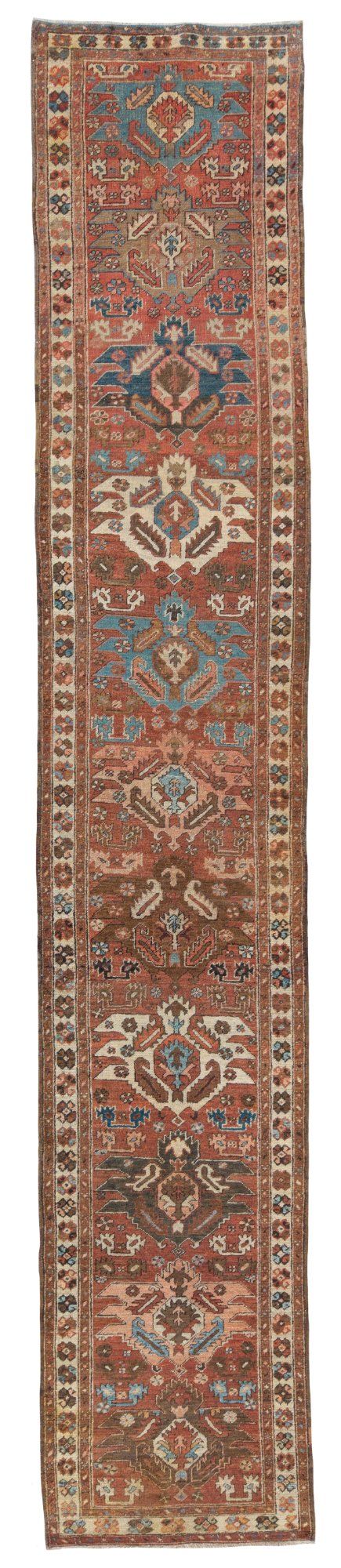
When you search for a persian village runner, you are stepping into a world of hand-knotted textiles woven with natural dyes and sturdy wool.
Persian Village Runner
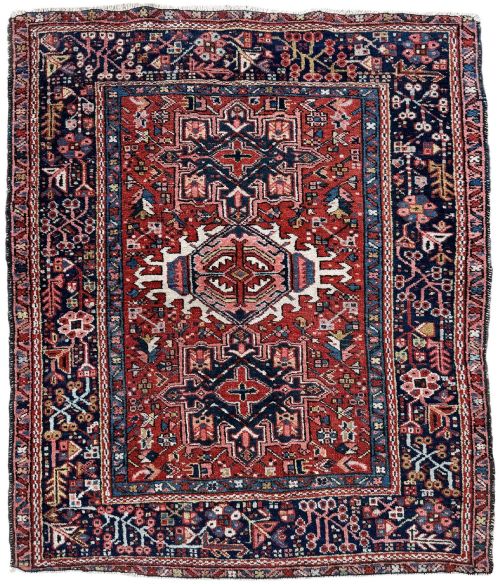
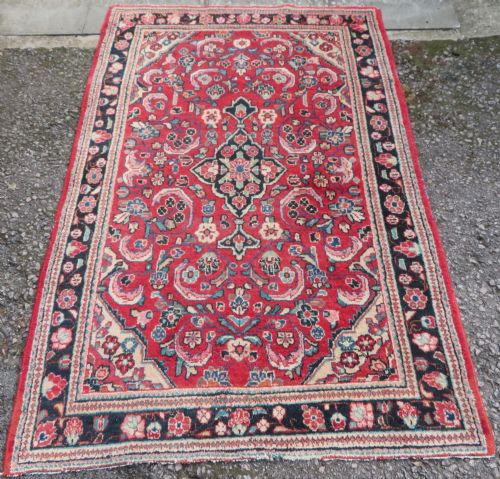
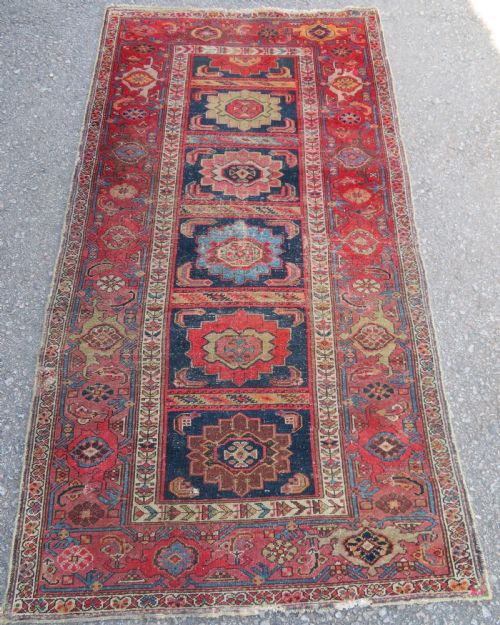
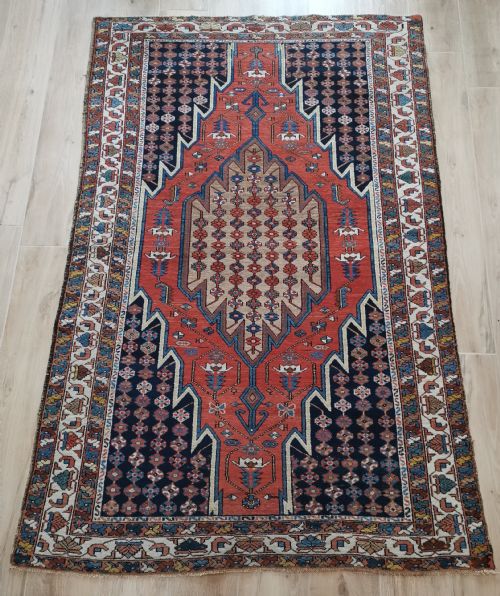
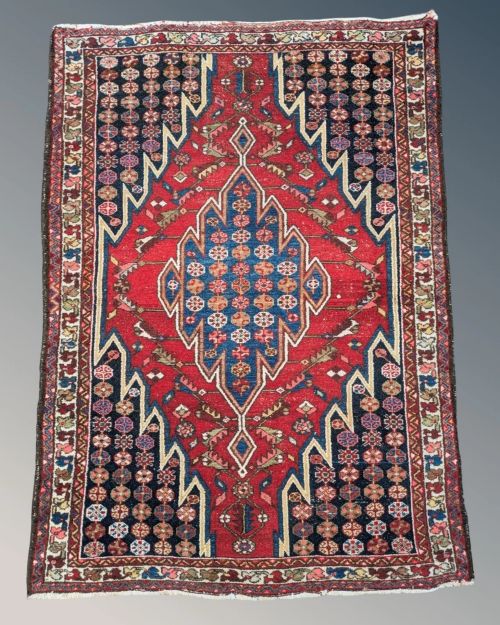
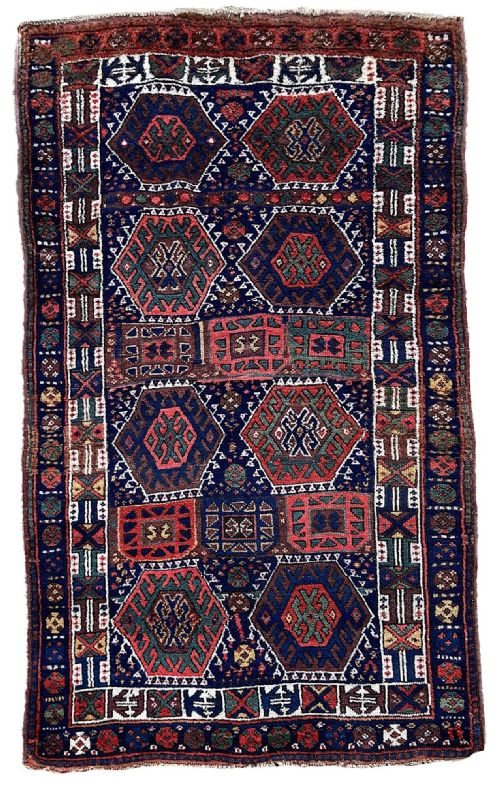
A persian village runner represents a nomadic or town weaving tradition rooted in regions such as Sarab, Hamadan, and Kurdistan. These narrow carpets were traditionally made for domestic hallways and long rooms in provincial houses.
The pieces you encounter span from the nineteenth century into the 1930s, showing tribal patterns and geometric motifs woven by local artisans rather than urban workshops.
Most examples found in this category utilise durable wool and sometimes camel hair foundations, designed to withstand generations of heavy foot traffic while maintaining their distinct character.
How they were made
Weavers constructed these textiles using hand-spun wool on cotton or wool foundations, binding the pile with sturdy knots that give each runner a dense, resilient handle.
Colour comes from natural dyes, yielding deep tones of madder red, indigo blue, and earthy camel hair that mellow gracefully over decades of light and use.
Persian Village Runner Retail Price Guide 2026
Typical asking prices for persian village runner among the pieces listed under this phrase on Sellingantiques today, from the lower quarter to the upper quarter. They describe what is for sale here now, not the wider market.
Listings feature wool, cotton, and camel hair materials spanning the nineteenth century up to the 1930s.
What varies in quality
Quality rests on the tightness of the knotting and the fineness of the wool, which dictate how sharply the geometric or floral lattice design resolves across the field.
Proportion and balance also set exceptional runners apart, alongside the depth and complexity of the natural dye palette used by the village weaver.
The Persian Village Runner Glossary
- Runner
- A long, narrow carpet format traditionally utilised in hallways, corridors, and bedside spaces.
- Natural dye
- Colour extracted from plant, root, and insect sources rather than synthetic chemicals, creating a rich patina over time.
- Boteh
- A stylised almond or paisley motif representing a seed, bush, or flame, frequently seen in traditional village weaving.
- Camel hair
- Un-dyed fleece utilised in the weave for its natural warm tones and durable texture.
- Pile
- The upright yarn surface of the rug formed by the cut ends of knots tied to the warp threads.
Persian Village Runner: Frequently Asked Questions
Where were persian village runners made?
These runners originate from various tribal and provincial centres across Persia, including Kurdish districts, Sarab, and the broader Hamadan region. Local weavers produced them in homes and small communities rather than large urban factories.
Each producing area imparted distinct geometric vocabulary, border arrangements, and colour combinations unique to its local traditions.
How do I care for an old wool runner?
Regular gentle vacuuming without a beater bar keeps dust from settling into the wool pile. Professional cleaning by a specialist familiar with antique textiles is recommended every few years.
Using a quality rug underlay prevents slipping and cushions the foundation against hard flooring surfaces.
Are natural dyes easy to spot?
Natural dyes often show subtle tonal variations known as abrash, where the colour shifts gently across the rows of knots due to small dye batch differences.
Over decades, these plant-based colours mellow into harmonious, soft shades that synthetic dyes rarely replicate.