

Vintage Hallway Stick Stand
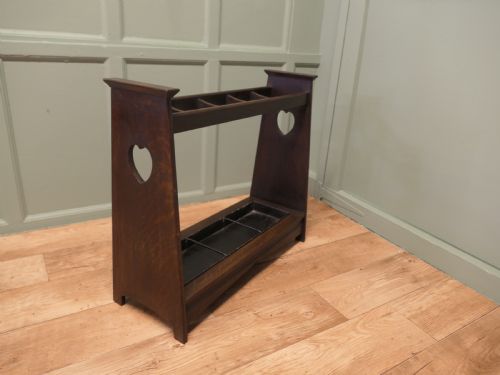
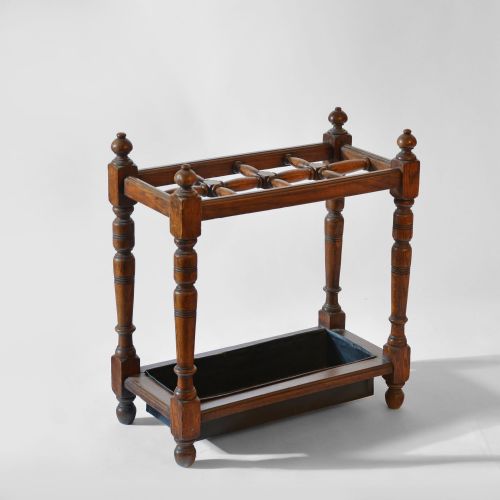
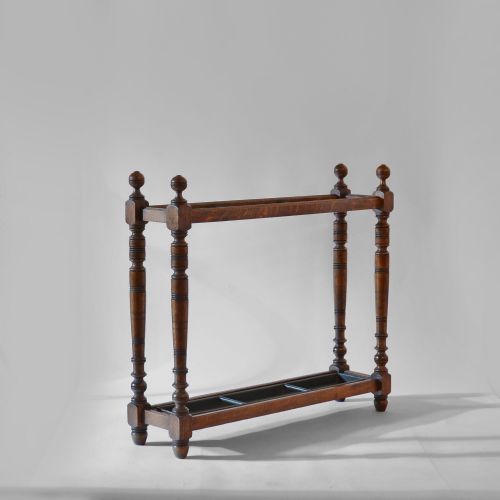
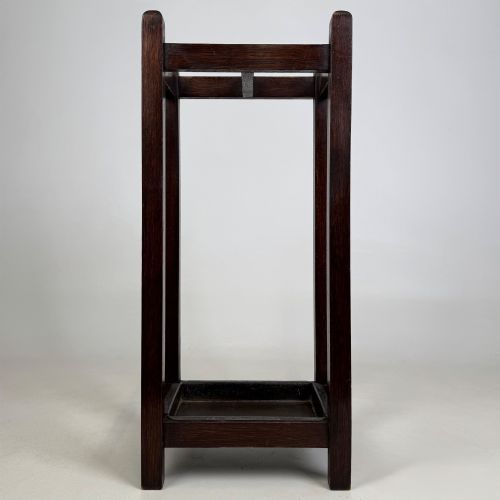
A vintage hallway stick stand holds wet umbrellas and walking sticks near the front door, offering practical utility and period character.
Vintage Hallway Stick Stand
A vintage hallway stick stand serves as a functional entry piece designed to contain wet umbrellas, parasols and walking sticks. These items appear primarily in forms such as umbrella stands, stick stands, hall stands and combined coat and hat stands.
Buyers meet versions originating from the Victorian and Edwardian eras, alongside pieces stretching from the nineteenth century into the nineteen-thirties. Oak, cast iron and brass dominate the selections available to furnish a traditional entrance.
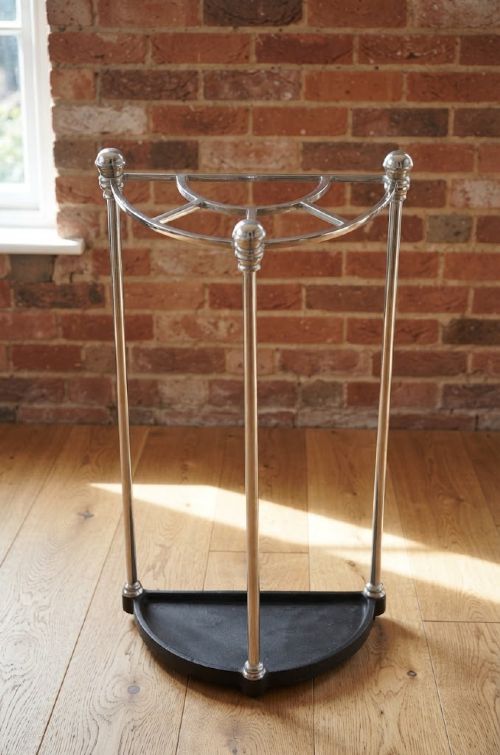
Many examples incorporate practical drip trays to catch water from wet items placed inside. Forms range from compact demi-lune shapes designed for tight spaces to substantial combined hall seats and coat stands.
Materials and construction
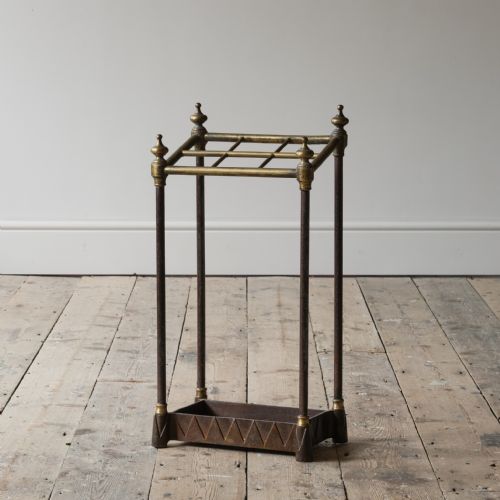
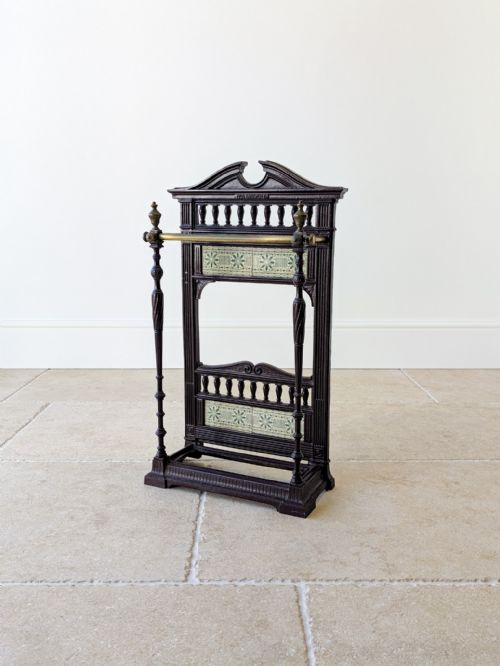
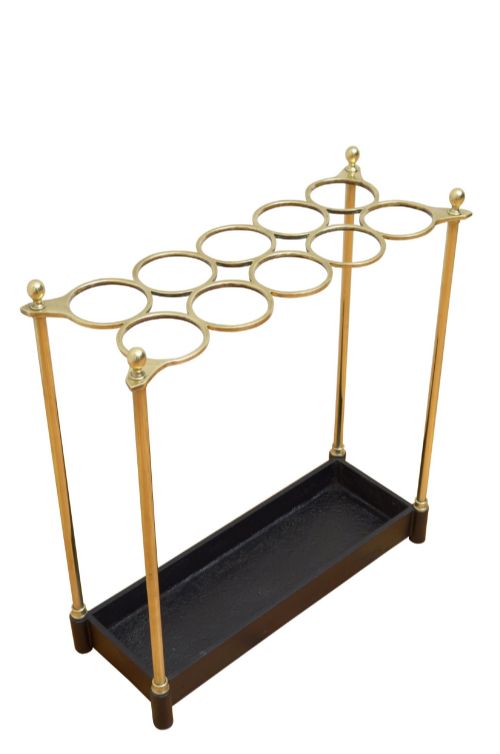
Makers utilised robust metals such as cast iron, brass and nickel plating to build durable frames that could withstand heavy daily use. Iron foundations often feature decorative openwork patterns or moulded plant motifs typical of the period.
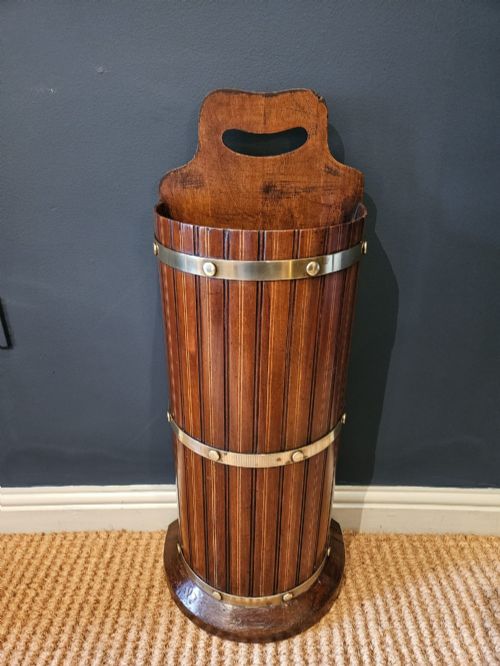
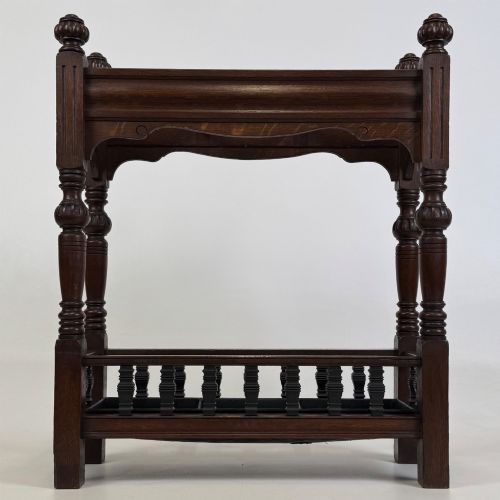
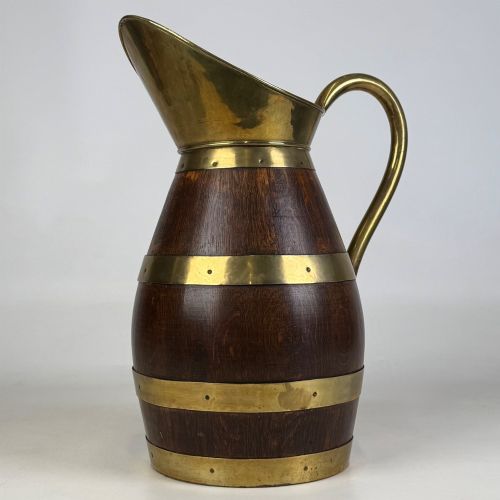
Timber versions rely predominantly on oak, sometimes finished in golden tones, alongside mahogany, beech and pine. Coopered construction techniques appear in barrel-style wooden stands bound with brass hoops.
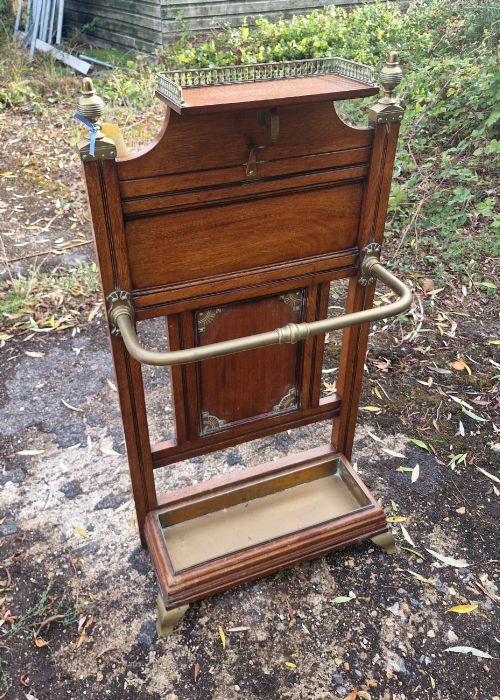
Original metal drip trays feature beneath many designs to protect flooring from moisture dripping from walking sticks and umbrellas.
Listings feature oak, cast iron and brass as the primary materials used across Victorian and Edwardian hallway stick stands.
Markers of quality
Quality rests upon the integrity of the materials and the crispness of the casting or carving. Cast iron stands by established foundries display sharp detail in their decorative openwork, whereas lesser pieces show blurred edges.
The presence of original hardware, such as designated metal drip trays and brass finials, elevates a piece. Structural soundness in timber joints and coopered staves separates everyday utility items from superior examples of cabinetmaking.
Coalbrookdale
The Vintage Hallway Stick Stand Glossary
- Demi-lune
- A half-moon shape allowing a stand to sit flush against a hallway wall. This profile suits narrow corridors where floor space is limited.
- Coopered
- Built using wooden staves joined side by side and bound with metal hoops, much like a traditional barrel. This method appears frequently in oak stick stands.
- Drip tray
- A removable metal basin positioned at the base of a stand to catch water. Original trays are sought after by collectors.
- Finial
- A decorative terminal ornament placed at the top of a post or upright. These appear frequently on the corners of metal and brass frames.
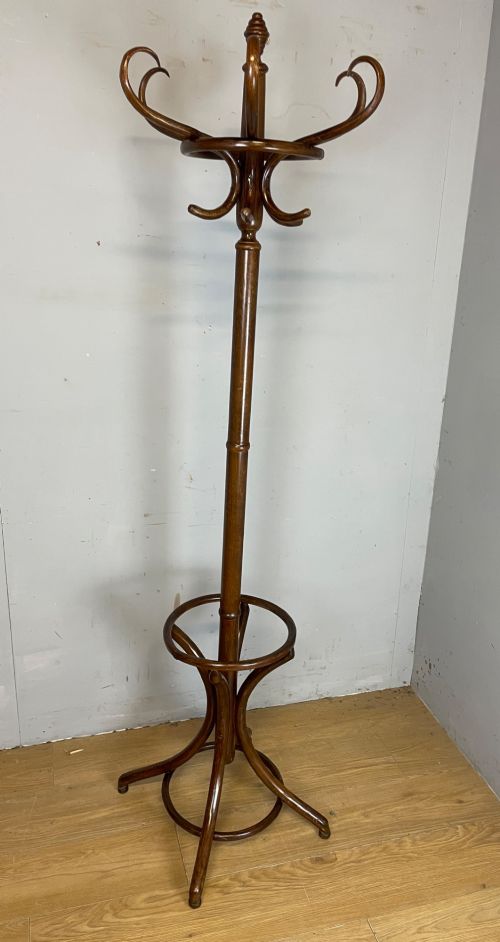
- Bentwood
- Wood softened by steam and bent into curved structural forms. This technique creates lightweight frames for hallway stands.
Vintage Hallway Stick Stand: Frequently Asked Questions
Where should a stick stand go?
These pieces belong in an entrance hall or porch where coats and footwear are removed. Their primary function is to provide an accessible drop point for walking sticks and wet umbrellas upon entering the house.
Compact half-moon designs fit neatly against narrow walls, while larger hall stands combine seating and coat hooks with umbrella storage.
How do I stop water damaging the floor?
Most period stick stands include a metal drip tray positioned at the very base to catch rainwater running off umbrellas. Checking for an original tray ensures moisture remains contained.
Emptying and drying the tray regularly protects both the antique metalwork and the hallway flooring underneath from prolonged dampness.
What is the difference between a hall stand and a stick stand?
A dedicated stick stand holds only umbrellas and walking sticks, often taking the form of a metal frame, a ceramic jug or a coopered wooden barrel. They occupy a minimal footprint.
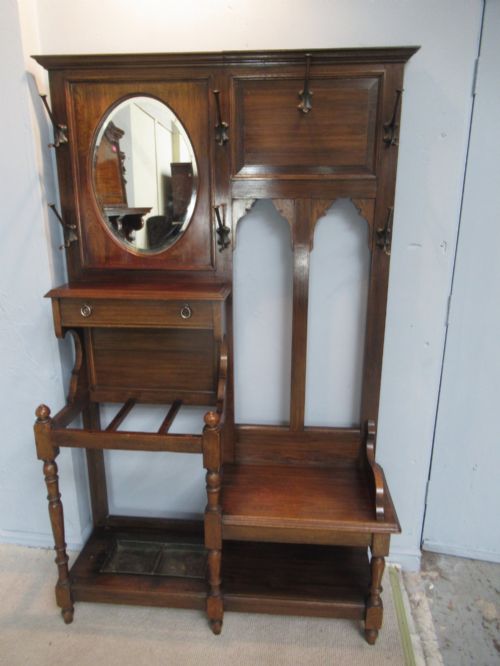
A hall stand is a larger piece of furniture that combines stick holders with a mirror, coat hooks, hat shelves and sometimes a bench seat with storage beneath.
How do I identify an Edwardian stick stand?
Edwardian examples, dating from around nineteen hundred to the nineteen-tens, often feature golden oak or lighter timber frames. Their design aesthetic is frequently simpler and more functional than heavily ornamented Victorian pieces.
Look for Arts and Crafts or early Art Nouveau influences in the metalwork hooks and openwork cast iron panels.