

Oak Hall Stick Holder
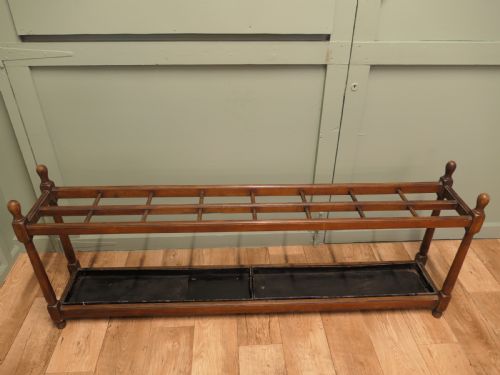
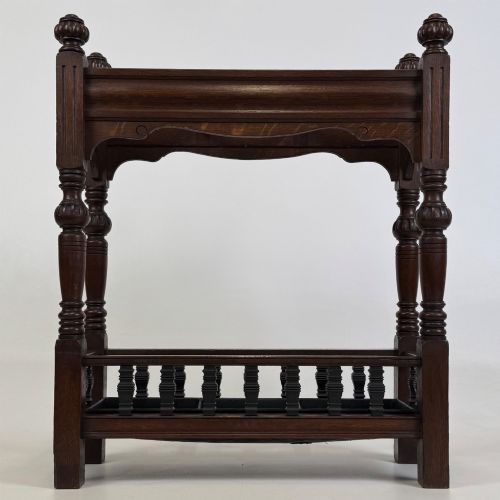
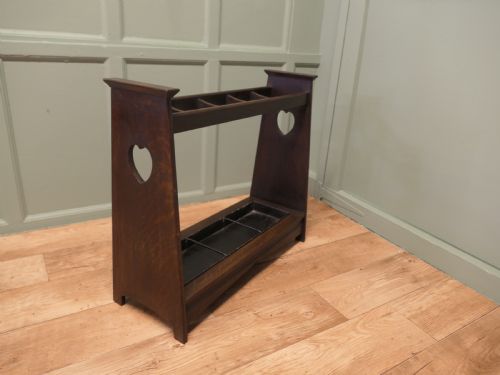
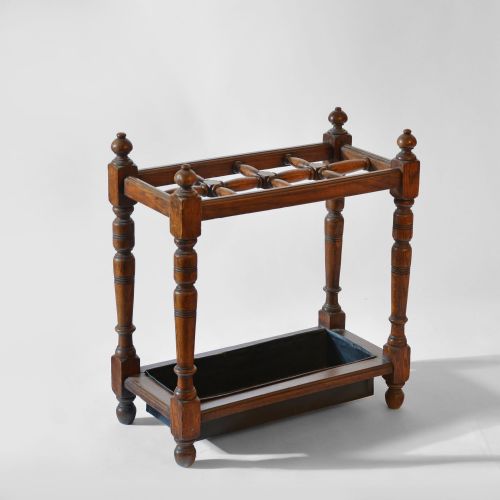
An oak hall stick holder keeps damp umbrellas and walking sticks tidy in an entranceway, spanning Victorian, Edwardian and Arts and Crafts periods.
Oak Hall Stick Holder
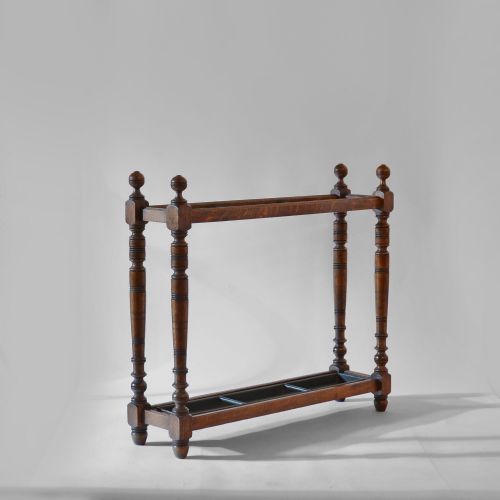
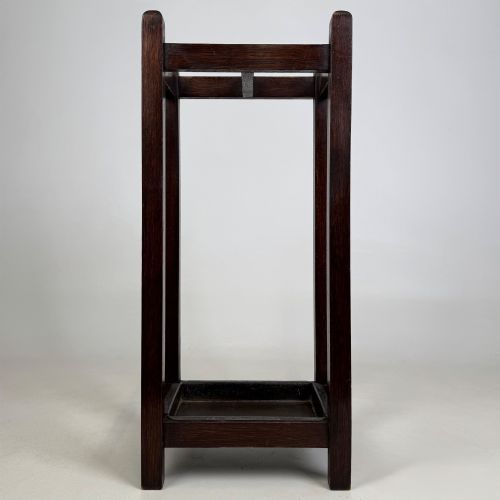
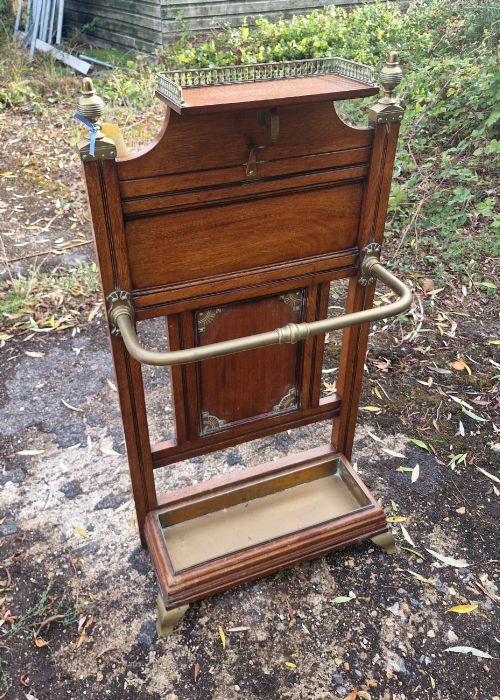
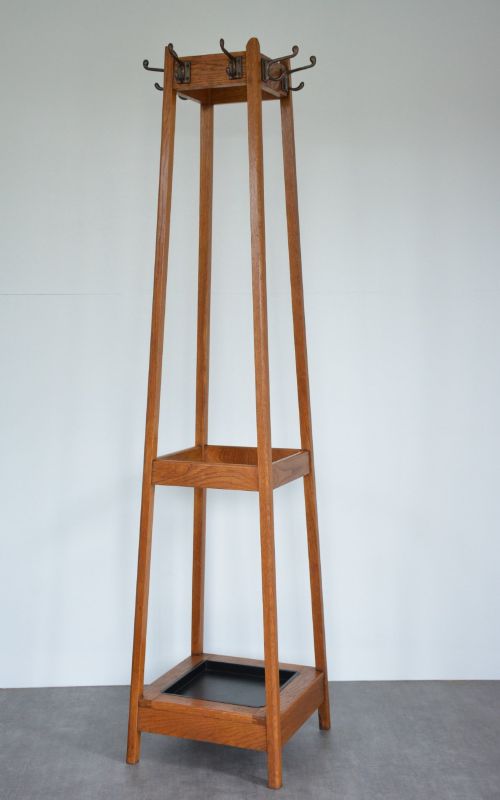
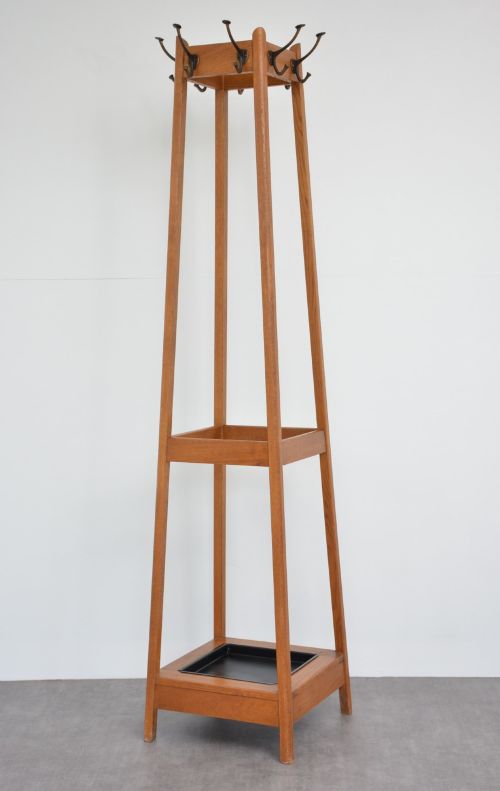
An oak hall stick holder is a functional piece designed for an entrance hall to store walking sticks, umbrellas and coats. The pieces appearing here range from compact umbrella stands to large architectural hall stands incorporating coat hooks and mirrors.
Most examples date from the nineteenth and early twentieth centuries, encompassing Victorian, Edwardian, and Arts and Crafts periods. You will encounter freestanding stick holders alongside larger hall stands that combine umbrella storage with hat racks and seat benches.
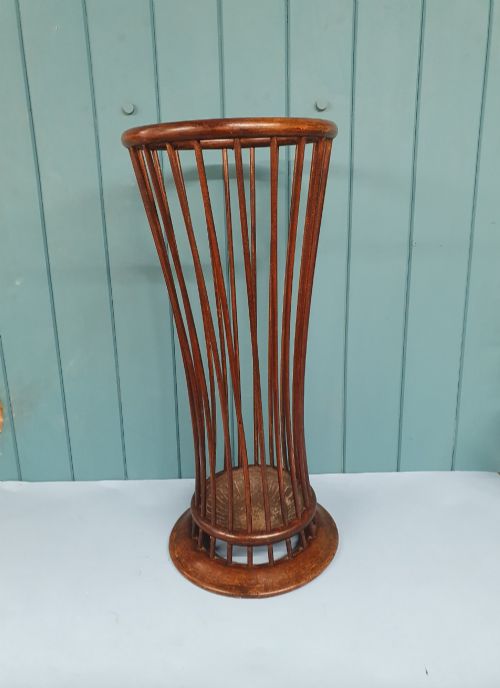
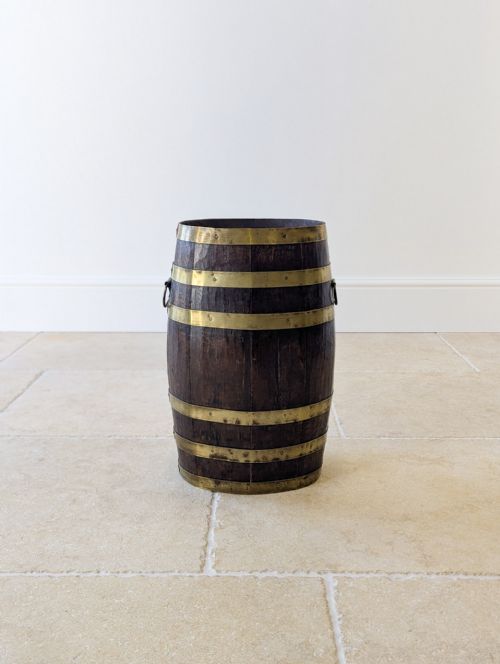
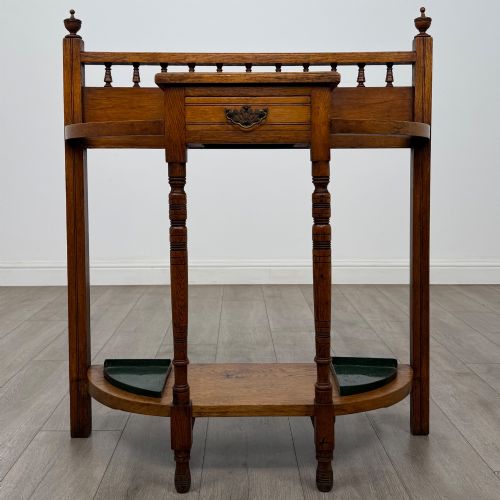
Forms vary from simple coopered vessels to elaborate Gothic Revival and Black Forest designs featuring carved wood. Many incorporate integrated metal drip trays to catch water from wet weather gear.
How they were made
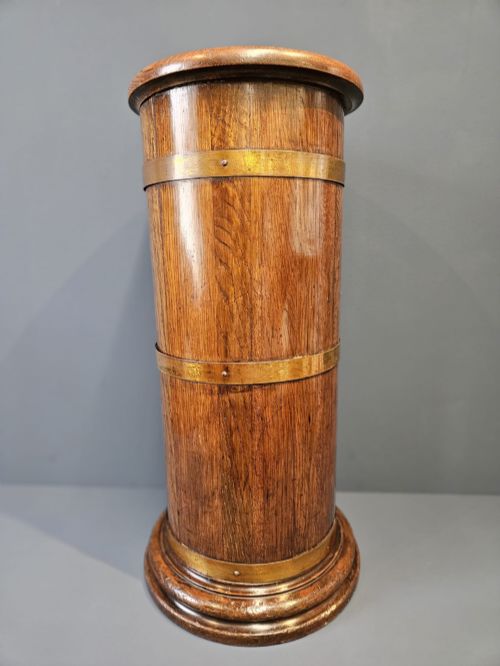
Cabinet makers utilised solid oak, sometimes referred to as golden oak, constructing frames using traditional joinery methods. Coopered examples were built using vertical oak staves bound together with metal bands, similar to barrel construction.
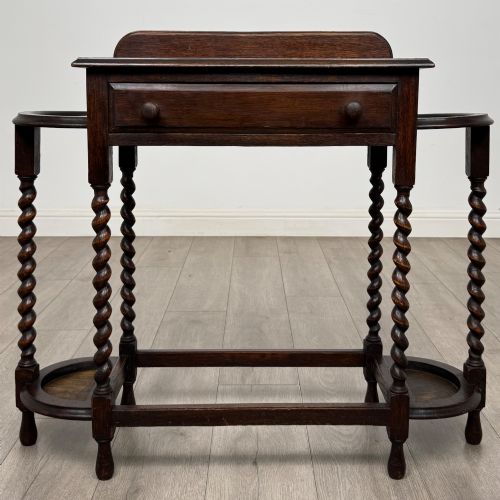
Metal components such as brass, iron, zinc and copper formed structural bands, decorative mounts and removable drip trays. Carved wood details, barley twist turnings and caned panels frequently feature across Arts and Crafts and Gothic Revival pieces.
Listings feature oak combined with brass, iron, zinc and copper components.
What varies in quality
Quality reveals itself in the calibre of the timber selection and the execution of carved detailing. Pieces attributed to specific makers or exhibition standards display superior finish in their joinery and metalwork fittings.
The presence of original components, particularly matching metal drip trays and structural brass bands, distinguishes well-preserved examples from altered pieces. Scale also dictates quality, with large country house hall stands and multi-division racks representing more ambitious construction.
Heals of London·James Shoolbred·Liberty Design
The Oak Hall Stick Holder Glossary
- Coopered
- Made from curved wooden staves fitted together edge to edge and bound with metal hoops. This technique originates from cask and barrel making.
- Drip tray
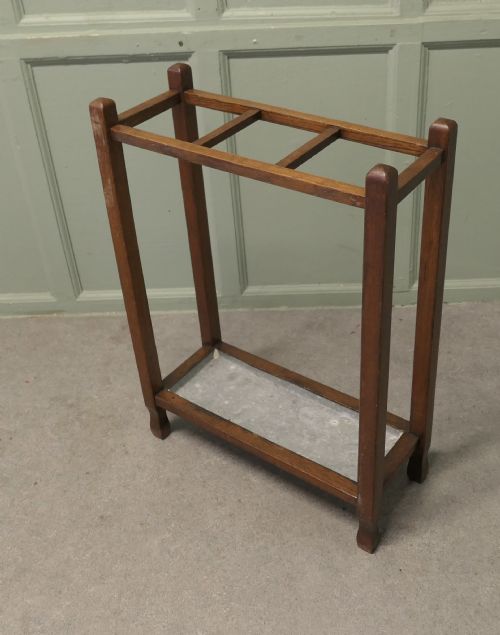
- A shallow metal basin placed at the base of a stand to collect water from wet umbrellas. These are frequently fashioned from brass, zinc, copper or iron.
- Demi-lune
- Half-moon or semicircular in shape. This profile allows the stand to fit flat against an entrance hall wall.
- Barley twist
- A carved wooden column resembling a spiralling rope. It appears frequently on the vertical supports of Victorian and Edwardian stands.
- Bergere
- A woven cane panel used for decorative sides or backs on furniture. It provides a lighter texture alongside solid oak framing.
Oak Hall Stick Holder: Frequently Asked Questions
Where do you put an oak hall stick holder?
These pieces belong in an entrance hall, vestibule or reception room where visitors arrive. Their original purpose was to manage outdoor wear near the primary threshold of a house.
Place the stand on a hard floor surface rather than thick carpet to accommodate any moisture dripping from umbrellas. A position near the main doorway allows easy access when coming and going.
How do you clean an oak hall stick holder?
Maintain the timber by dusting regularly with a dry cloth and applying natural beeswax periodically to nourish the grain. Avoid chemical sprays that can damage antique polishes.
Remove metal drip trays independently for cleaning to prevent moisture from sitting against the wood. Dry the metal thoroughly before returning it to the base of the stand.
Are metal drip trays usually original?
Many surviving stands retain their original brass, zinc or iron trays, which show appropriate signs of age and wear. Some pieces feature replacement trays fitted during later upkeep.
Examine the fit and patina of the metal relative to the wooden frame to understand its history. A correct tray matches the wear patterns found inside the lower wooden base.
What is the difference between a stick stand and a hall stand?
A stick stand focuses specifically on holding walking sticks and umbrellas in a compact footprint. They are typically open vessels or compartmentalised frames.
A hall stand is a larger piece of furniture that combines umbrella storage with coat hooks, hat racks, and frequently a mirror or glove box. Many incorporate a bench seat or integrated panels.