
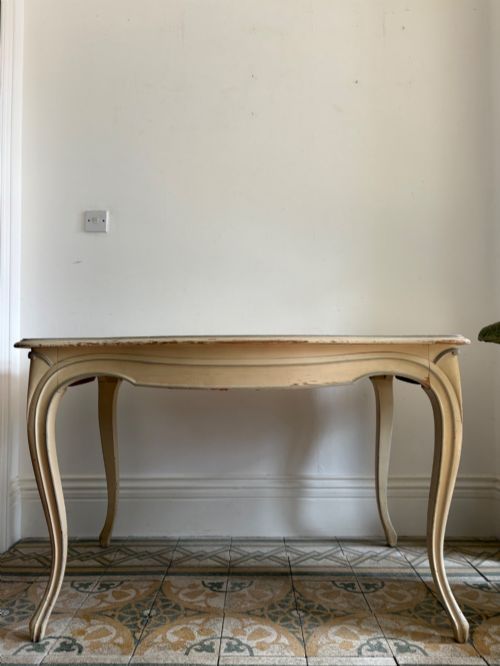
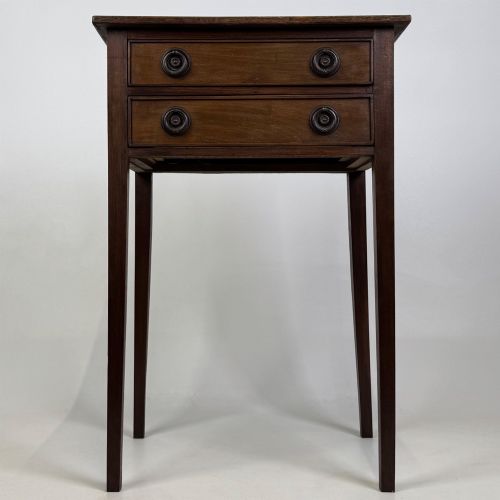
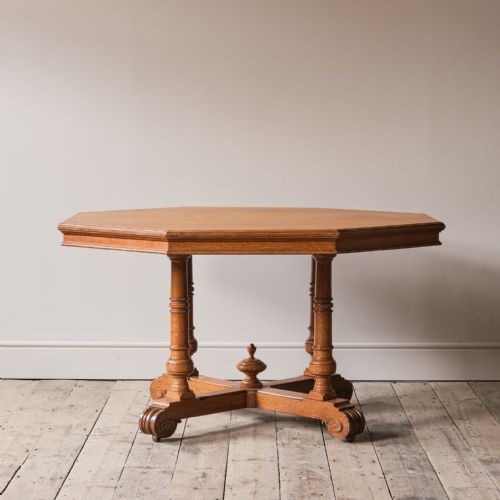
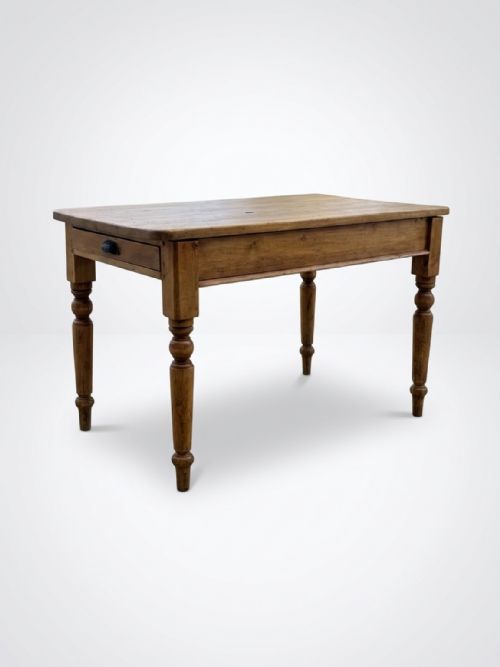
Vintage Hall Table Desk
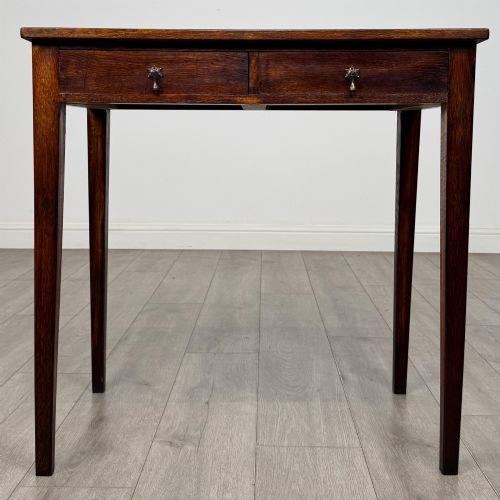
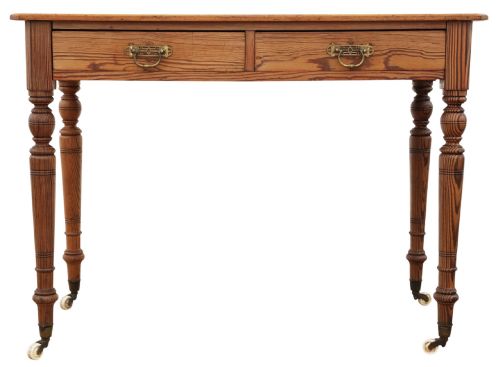
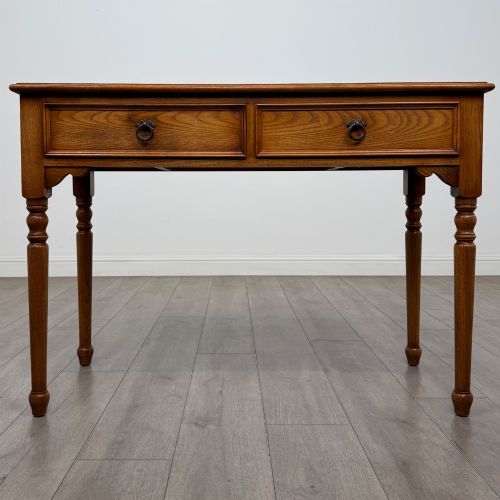
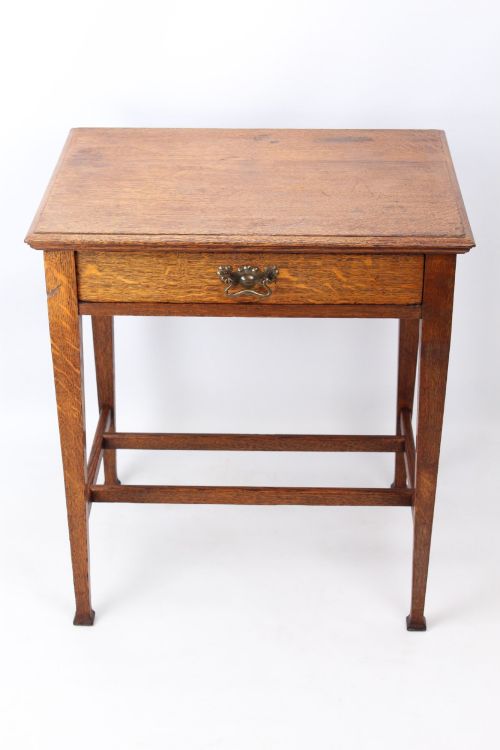
A vintage hall table desk serves as a practical intersection between entryway display and writing surface, offering drawers and compact proportions suited to narrow spaces.
Vintage Hall Table Desk
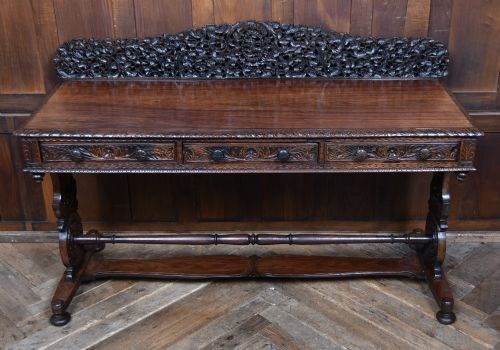
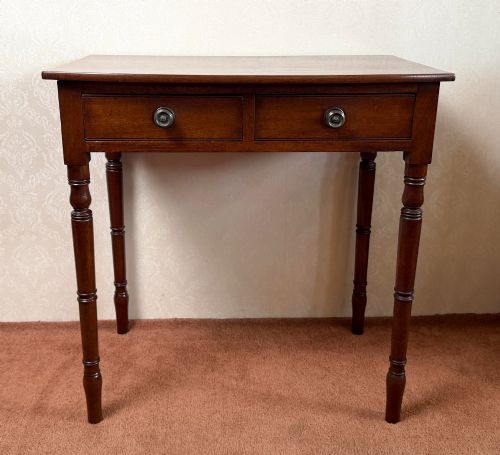
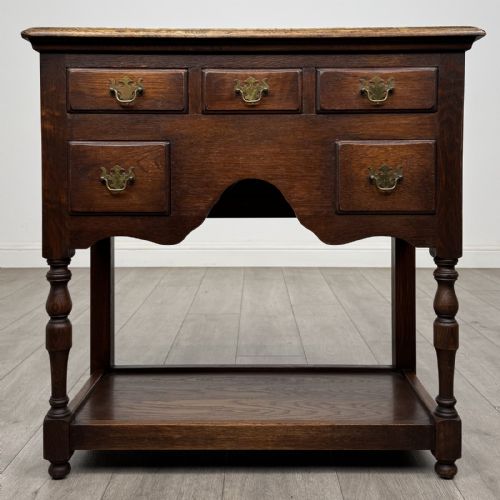
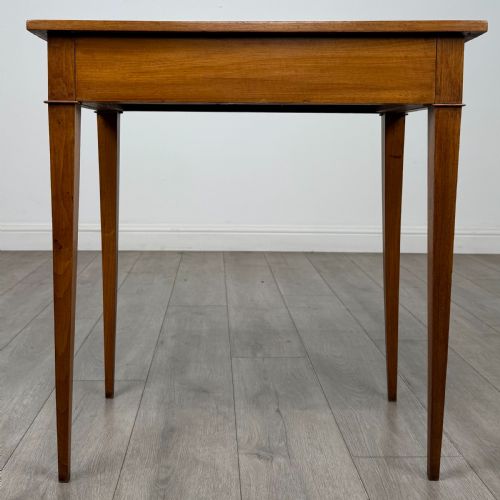
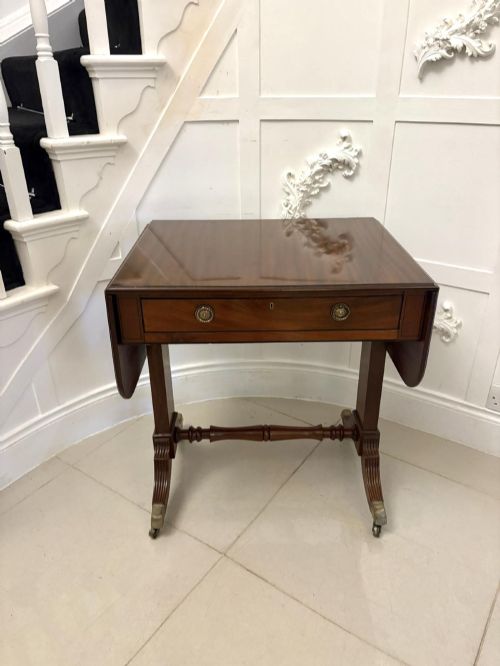
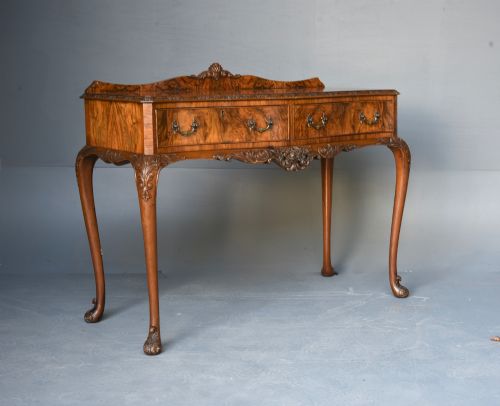
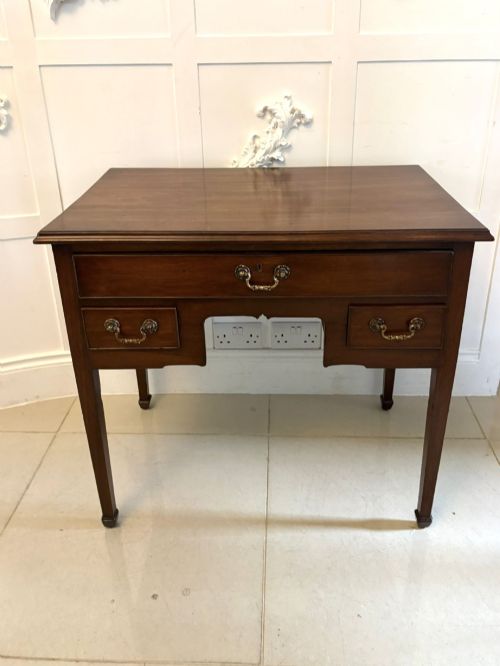
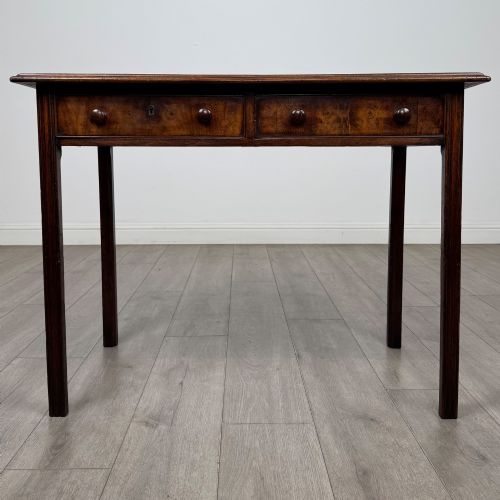
A vintage hall table desk appears in forms ranging from compact side tables and console tables to designated writing tables, lowboys, and washstands adapted for hall use. Buyers searching for a vintage hall table desk will frequently encounter Edwardian and 1920s examples alongside nineteenth-century pieces.
The materials span oak, mahogany, walnut, and pine, reflecting both formal reception rooms and vernacular country houses. Cabinetmakers constructed these pieces to function efficiently in restricted spaces without dominating a hallway or landing.
Origins include English workshops, French ateliers, and regional British cabinetmakers working in styles from Regency and Queen Anne Revival to Arts and Crafts and Art Deco. The variety on offer captures decades of domestic furniture production focused on utility and compact proportions.
Materials and construction methods
Makers utilised solid timbers such as oak, mahogany, and pine for structural integrity, often pairing them with decorative veneers like burr walnut on drawer fronts and tops. Brass handles, key escutcheons, and leather or suede inserts frequently finish the design.
Joinery methods relied on traditional dovetailing for drawers and mortise and tenon joints for frames, ensuring durability across centuries of daily use. Surfaces received wax, polish, or paint depending on the regional tradition and the stylistic period of the workshop.
Listings feature oak, mahogany, walnut, and pine across periods spanning the eighteenth, nineteenth, and twentieth centuries.
Judgments of quality in construction and timber
Quality rests upon the selection of timber figures, such as figured or burr walnut and golden oak, and the precision of the cabinetmaker in matching grains across visible surfaces. Secondary woods used for drawer linings and internal framing also reveal the care taken during production.
The crispness of mouldings, the neatness of dovetail joints, and the retention of original hardware distinguish workshop output of higher ambition from standard utility items. Proportion and balance dictate whether a piece sits comfortably in a hallway or appears heavy-handed.
Walker and Hall
The Vintage Hall Table Desk Glossary
- Lowboy
- A small side table with one or more tiers of drawers, typically raised on slender legs and often fashioned from walnut or oak during the eighteenth century and later revived.
- Console table
- A table designed to stand against a wall, frequently fixed or supported by brackets or console legs, serving decorative and surface utility in halls and reception rooms.
- Washstand
- A piece of furniture originally intended for washing facilities, often featuring a marble or timber top that translates well into a narrow hall table.
- Dovetail
- A joint formed by interlocking wedge-shaped fingers, used primarily in drawer construction to secure corners against pulling forces.
- Suede top
- A writing surface inset into the timber top of a desk or table, offering a soft texture for correspondence.
Vintage Hall Table Desk: Frequently Asked Questions
How do I care for a wood surface?
Maintain timber surfaces by applying traditional beeswax periodically to nourish the grain and protect against minor moisture marks.
Avoid placing antique furniture in direct sunlight or near heat sources to prevent timber shrinkage and veneer splitting.
Can these tables be used for daily writing?
Most vintage writing tables and lowboys provide stable platforms for modern correspondence or laptop use when paired with a suitable chair.
Check the internal drawer height and knee clearance if you intend to sit at the table for extended periods.
How do I identify Edwardian oak pieces?
Edwardian oak furniture often displays lighter golden tones, simple geometric lines, and occasional Arts and Crafts influence through exposed joinery.
Makers of this period balanced traditional craftsmanship with lighter domestic scales suited to smaller Edwardian suburban villas.