



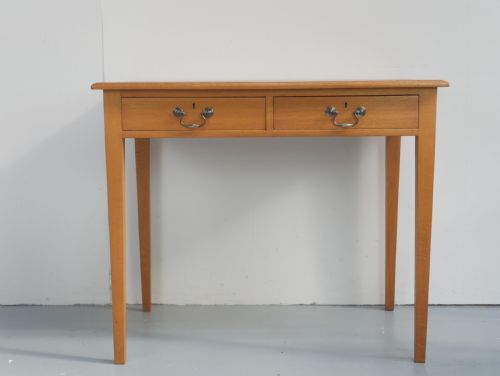


Small Oak Side Desk
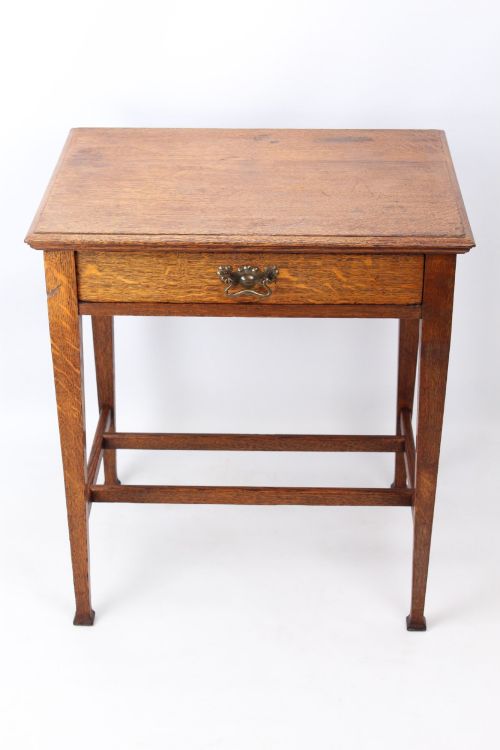
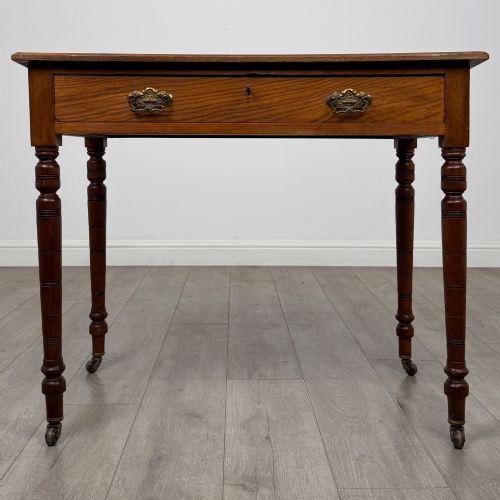
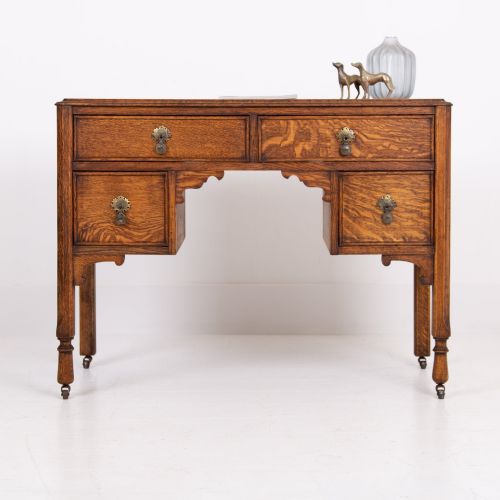
A small oak side desk brings compact utility and solid timber character into a room without dominating the floor space.
Small Oak Side Desk
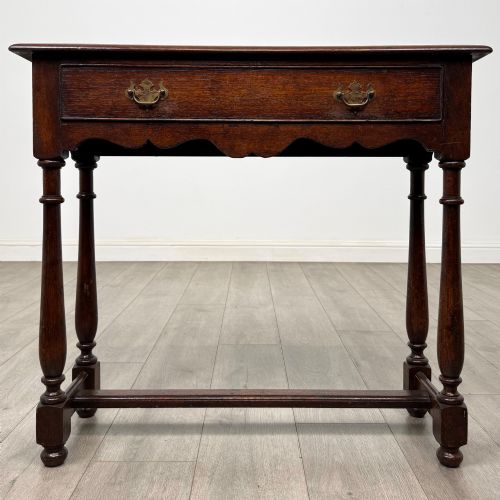
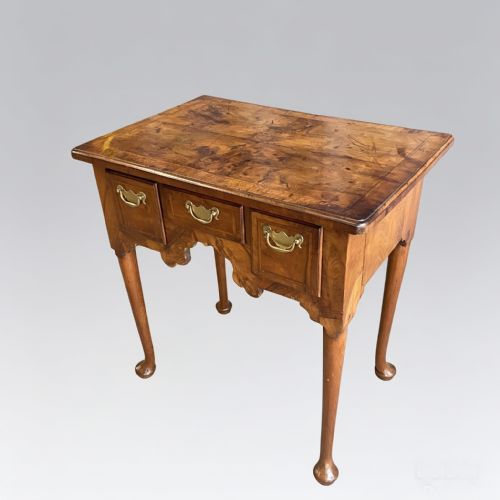
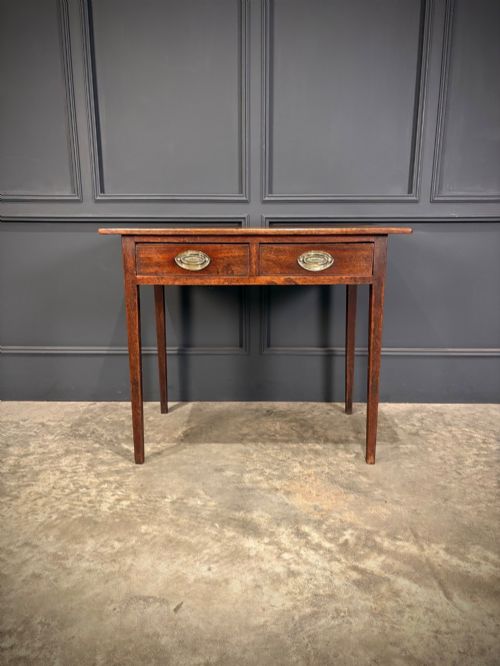
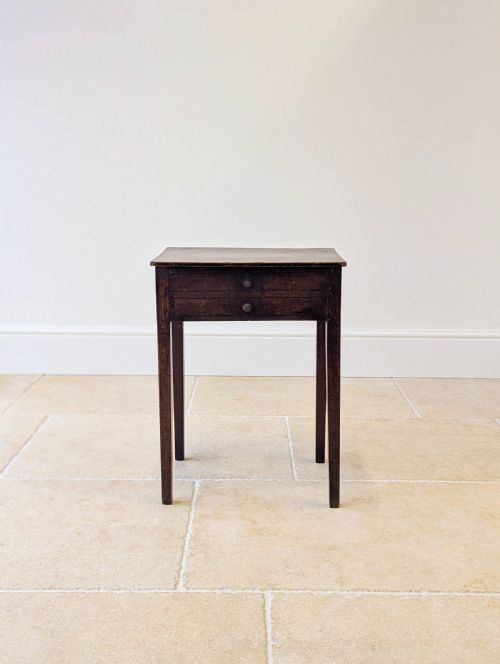
A small oak side desk combines the sturdy construction of traditional timber furniture with a compact footprint suited for occasional writing or placement beside a chair. When you search for a small oak side desk, you encounter pieces spanning from the eighteenth century through to the early twentieth century, taking the form of side tables, writing tables, lowboys and davenports.
The selection here draws heavily on Victorian, Edwardian and Georgian periods, alongside Arts and Crafts and Regency examples. Golden oak, pollard oak and dark oak predominate, often fitted with single drawers, brass handles or writing surfaces.
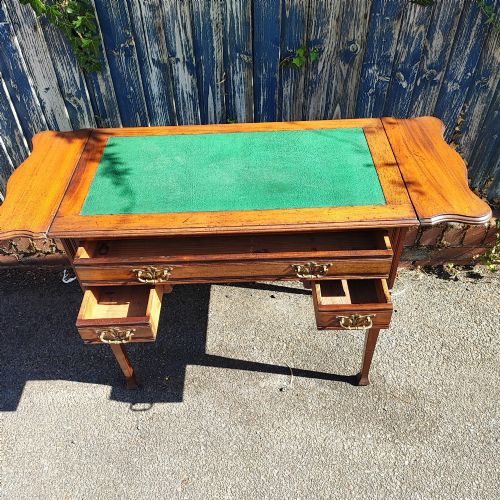
While many listings present straightforward side tables and writing desks, variations such as drop-side flaps and filing cabinets appear. These utilitarian items offer practical surfaces for modern rooms while retaining the timber patination built up over decades of use.
Materials and construction
Carpenters relied predominantly on solid oak, selected for its density and prominent grain pattern, sometimes pairing it with contrasting pollard oak veneers for decorative effect on drawer fronts and writing surfaces. Secondary timbers and structural elements occasionally incorporate mahogany or pine, whilst metal fittings such as brass handles and iron hinges provide functional articulation.
Surface treatments typically involve traditional wax or polish finishes that protect the timber while developing a deep lustre over time. Joinery methods visible across the periods rely on stable tongue-and-groove boards, pegged joints and hand-cut dovetails within the drawer construction.
One historic desk carries academic provenance straight from the estate of a former professor of moral philosophy.
Indicators of quality
Quality rests upon the selection of the timber and the crispness of the joinery rather than mere age alone. Pieces featuring figured pollard oak veneers or well-matched solid boards demonstrate a higher level of material cost and cabinet-making skill during production.
The integrity of the structure, including smooth drawer action and minimal timber movement at the joints, distinguishes sturdier examples. Original brass hardware, well-preserved patination and intact secondary timbers further elevate the standing of a desk.
The Small Oak Side Desk Glossary
- Pollard oak
- Timber taken from a tree that has been pruned above the height of grazing animals, producing a dense, highly figured grain pattern often utilised for decorative veneer.
- Lowboy
- A small seventeenth or eighteenth-century dressing or side table featuring one or more rows of drawers beneath a flat top.
- Pembroke table
- A table with hinged drop leaves on two opposing sides that can be raised to extend the surface area or lowered when space is tight.
- Davenport desk
- A compact box desk featuring a sloping, often leather-lined writing surface above a pedestal of drawers.
- Patination
- The surface sheen and colour acquired by timber through age, handling and polishing.
Small Oak Side Desk: Frequently Asked Questions
How do I use a small desk in a modern room?
These compact pieces fit easily into bedroom corners or hallways where a full-sized workspace would overwhelm the area. They function well as impromptu writing surfaces or side tables next to seating.
Keep the top clear of heavy equipment to preserve the older timber construction and let the grain remain visible.
Are these desks suitable for daily writing?
Most examples from the eighteenth and nineteenth centuries were built for ledger work or correspondence rather than modern computing. They provide adequate space for a laptop or notebook.
Check the kneehole clearance underneath the drawer rails to ensure comfortable seating height before daily use.
How can I tell a Georgian desk from a Victorian one?
Georgian pieces often display restrained lines and fine mahogany or oak drawer linings with hand-cut dovetails. Victorian and Edwardian examples frequently incorporate heavier mouldings, cast brass handles and richer golden oak finishes.
Examine the backboards and drawer interiors for tool marks and timber ageing that align with the period.
Does pollard oak differ from standard oak?
Pollard oak comes from trees pruned to encourage dense, swirling growth rings rather than straight vertical grain. This creates a mottled, highly decorative surface pattern.
Cabinet makers reserved this timber for prominent visible areas like drawer fronts while using straight-grained oak for structural frames.