


Vintage Hall Stick Holder
A vintage hall stick holder brings order to heavy walking canes, umbrellas and whips with the solid utility of oak, brass and cast iron.
Vintage Hall Stick Holder
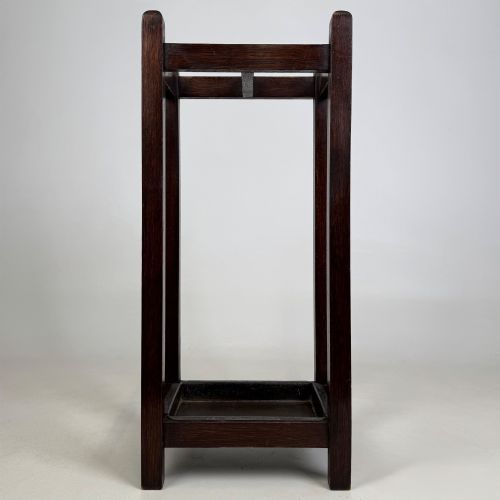
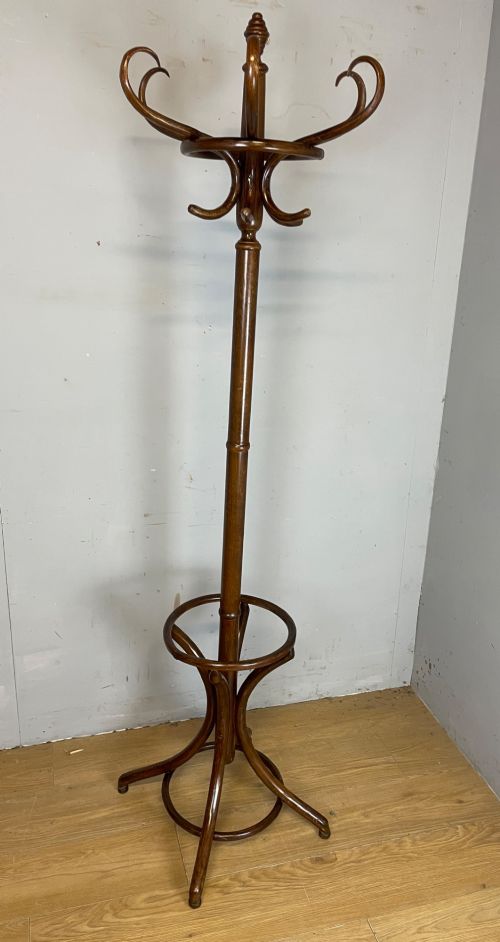
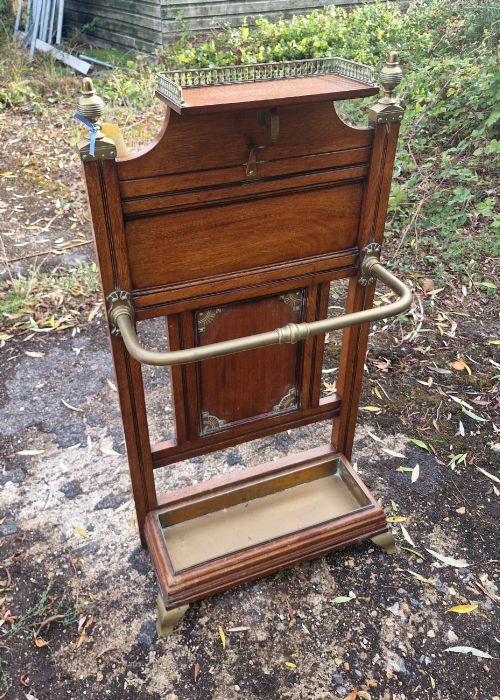
A vintage hall stick holder serves as a practical furniture piece for entranceways, designed to keep damp umbrellas and heavy walking canes contained. The selection ranges from dedicated umbrella and stick stands to broader hall stands that combine coat hooks and boot racks.
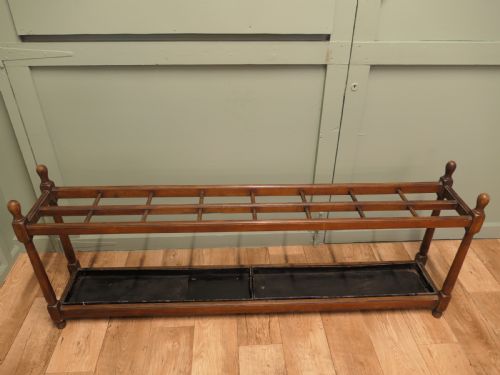
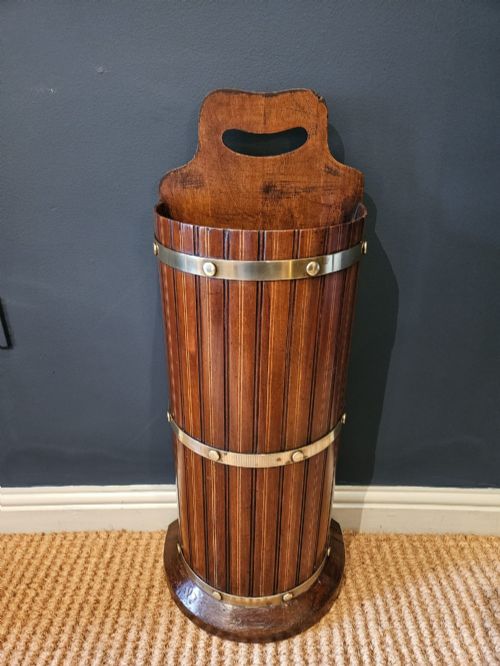
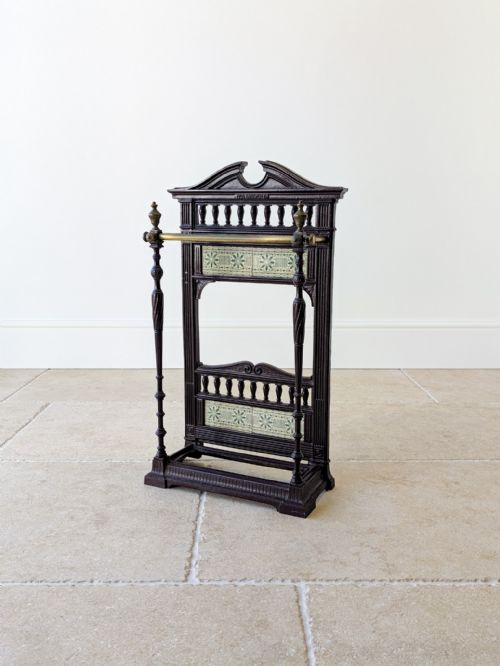
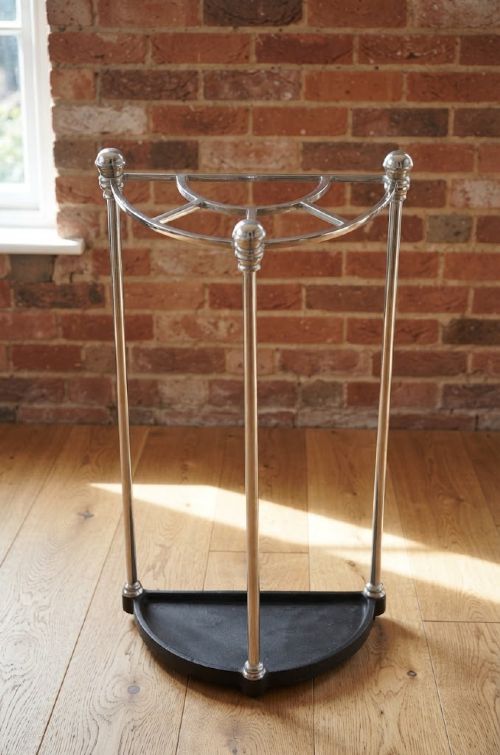
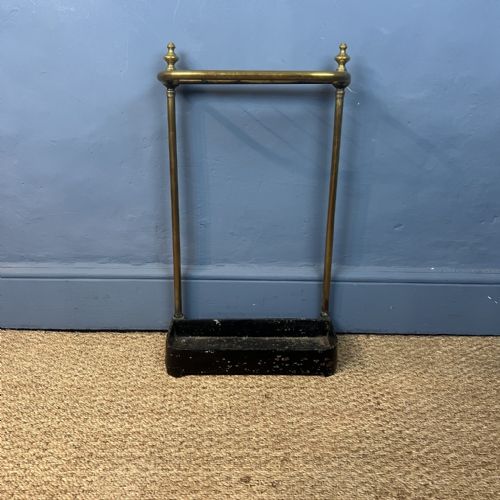
Most examples originate from the Victorian and Edwardian eras, alongside pieces from the late nineteenth century and the nineteen thirties. Common configurations include freestanding cast iron frames, coopered oak barrels with brass bands, and slender demi-lune metal designs suited for narrow spaces.
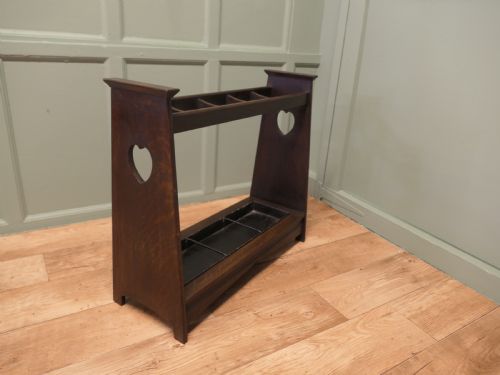
Origin details span British workshop designs to French foundry work, incorporating stylistic touches from the Arts and Crafts movement, Aesthetic Movement, Art Nouveau and Art Deco periods.
Materials and construction
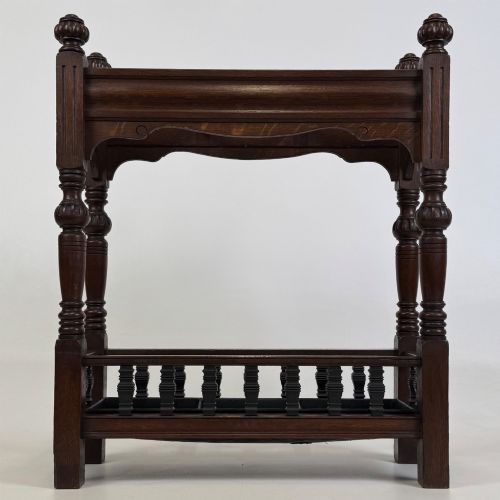
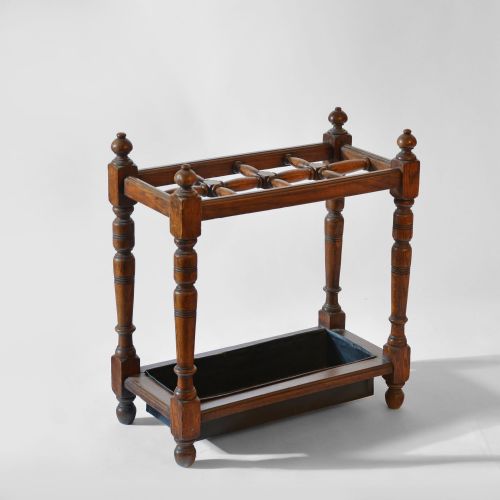
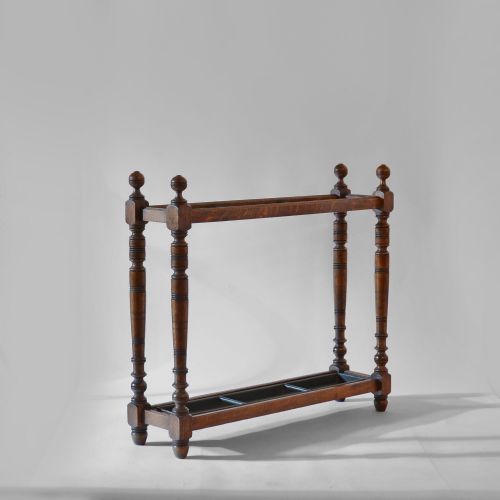
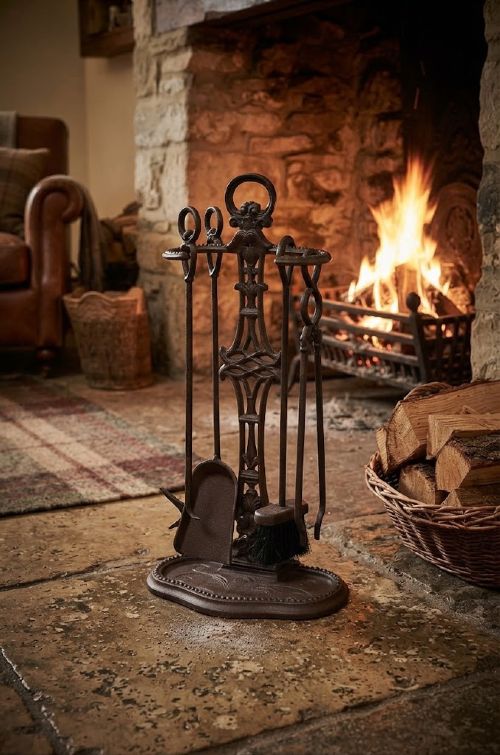
Makers utilised timber such as oak, mahogany, pine and bentwood, often employing coopered construction with brass hoops for wooden barrel forms. Metalwork relied on cast iron, brass, copper, nickel plating and steel, frequently paired with zinc or metal drip trays to catch moisture.
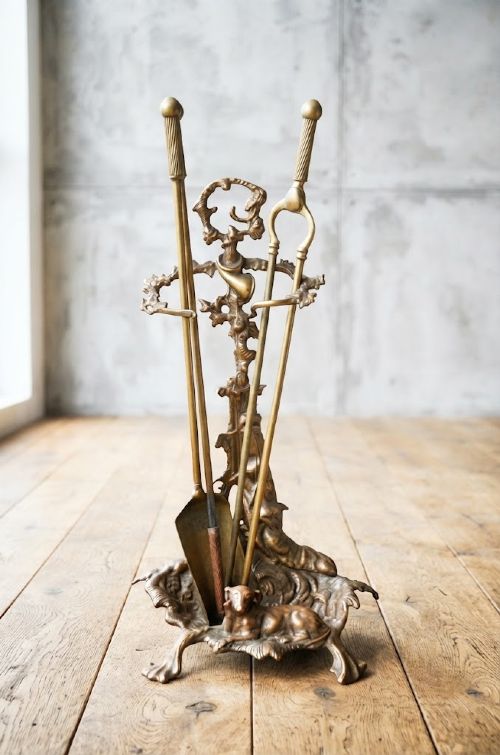
Cast iron components were shaped using foundry moulds, yielding pierced or patterned frames including bamboo-mimicking motifs and white enamel finishes. Wood surfaces were finished to highlight the grain in golden or dark tones, complemented by metal fixtures and compartments.
A French iron stand mimics bamboo stems so convincingly that visitors may attempt to water the metal frame.
Distinctions in construction
Quality rests on the integrity of the primary materials and the retention of original functional components, such as internal metal drip trays and dividing rails. Heavier gauge cast iron and dense quarter-sawn oak represent sturdier construction than lighter substitute metals or thin veneers.
The precision of assembly, the weight of the base casting to prevent tipping, and the presence of makers' marks or foundry stamps separate standard utility pieces from more ambitious workshop designs.
Coalbrookdale·Heals of London·Liberty Design
The Vintage Hall Stick Holder Glossary
- Demi-lune
- A half-moon shape used for stands designed to sit flush against a hallway wall. This profile saves floor space while holding multiple walking sticks.
- Coopered
- Made by staves of wood bound together with metal hoops, much like a traditional barrel. This technique provides water-resistant strength for wooden umbrella stands.
- Drip tray
- A removable metal basin placed at the base of a stand to catch water from wet umbrellas. Original trays add historical accuracy to the piece.
- Faux bois
- A decorative finish that imitates natural wood grain, seen on metal cast items designed to resemble bamboo or bundled branches.
Vintage Hall Stick Holder: Frequently Asked Questions
Where should a hall stick holder be placed?
These pieces belong in an entrance hall or porch where coats, hats, and walking aids are stored upon entry. Their footprint remains compact, particularly for demi-lune shapes.
Positioning the holder near the main doorway allows for immediate storage of wet umbrellas and walking sticks before moisture reaches interior flooring.
How do I identify a Victorian stick stand?
Victorian examples frequently employ heavy cast iron, dark oak, or bamboo framing with distinct Aesthetic Movement or ornate decorative motifs. Foundry stamps or registration marks often indicate the production decade.
The inclusion of heavy brass bands on coopered wooden barrels and detailed cast iron scrollwork point toward nineteenth-century manufacturing methods.
Are original drip trays important?
Original metal drip trays catch water and debris, completing the functional design of the stand. Finding a piece with its matching tray preserves the intended utility.
Many older stands accommodate removable zinc or brass inserts at the base to protect the floor from damp umbrella tips.