

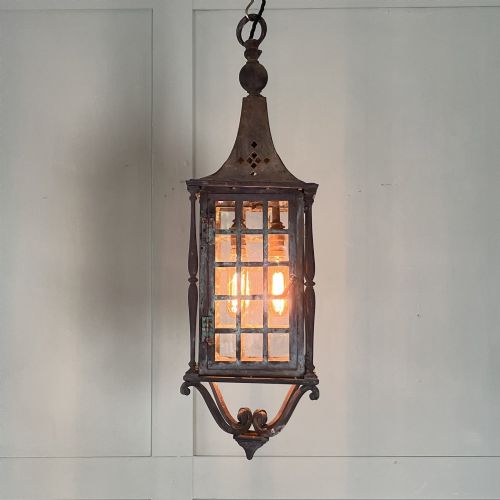
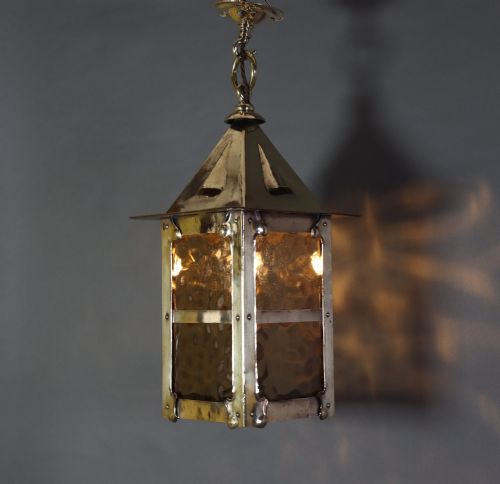
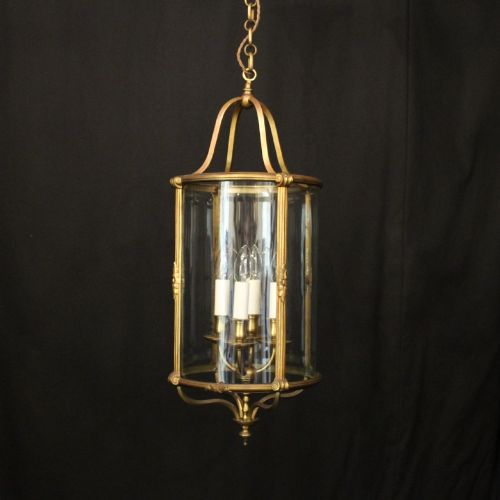
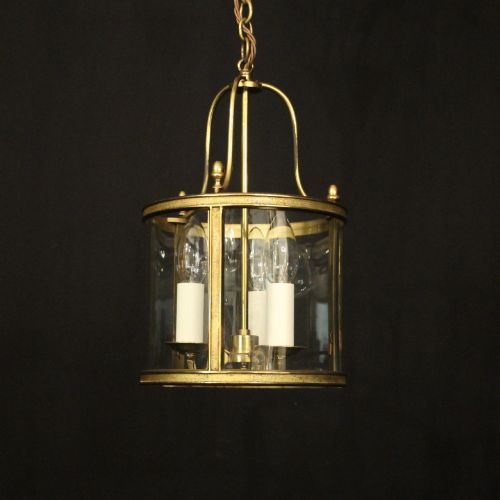
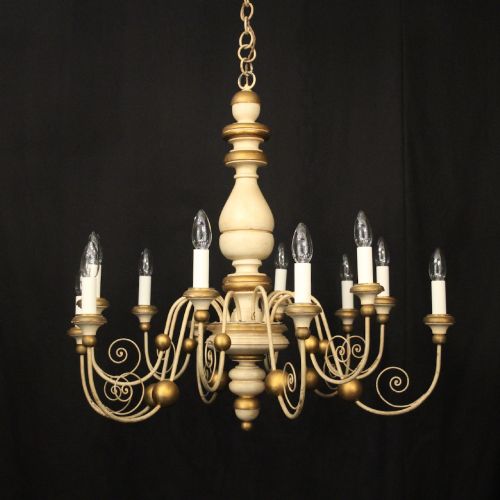
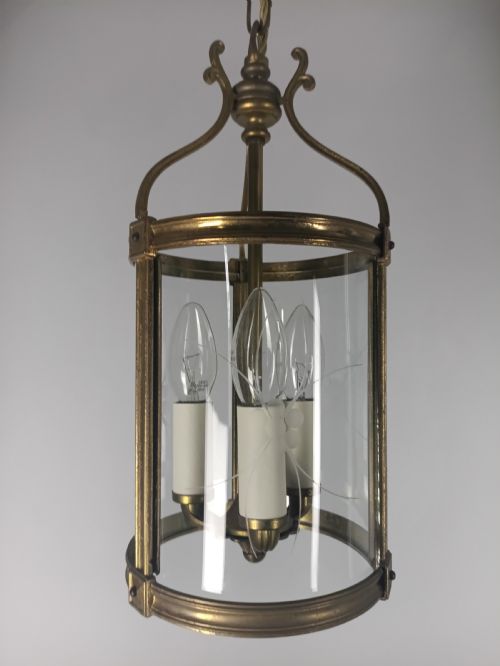
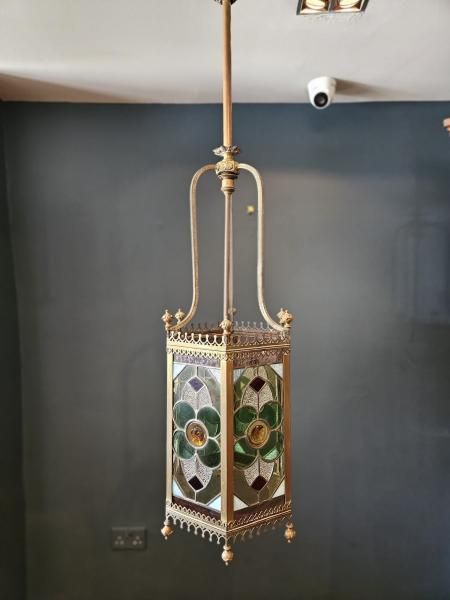
Vintage Hall Pendant Light
These vintage hall pendant light examples bring practical illumination and architectural presence to entranceways, drawing from Edwardian, Victorian, and early twentieth century origins.

Vintage Hall Pendant Light
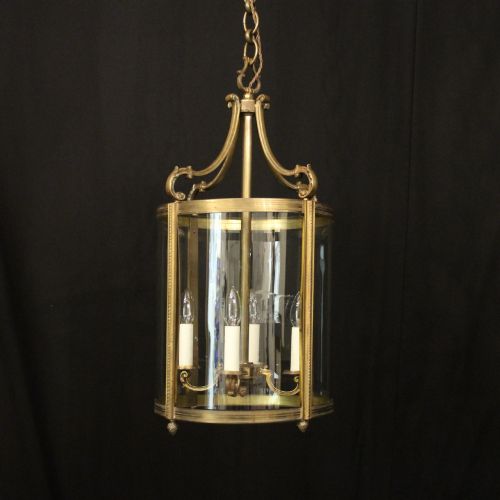
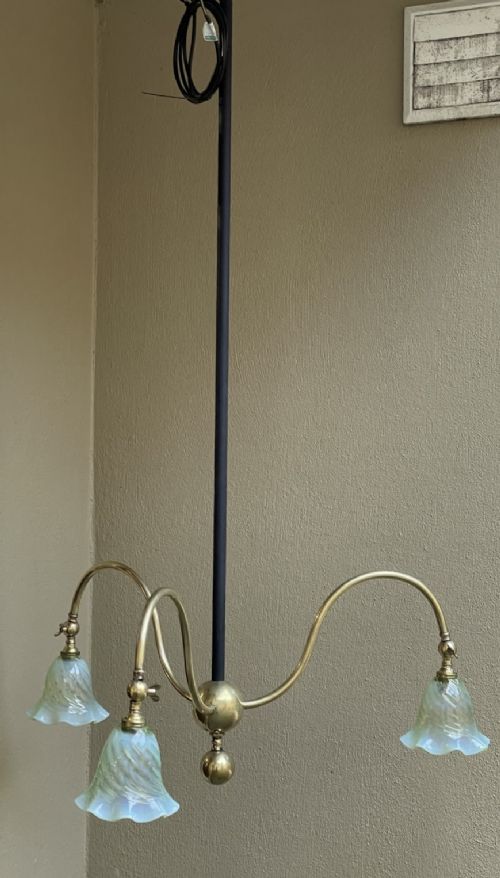
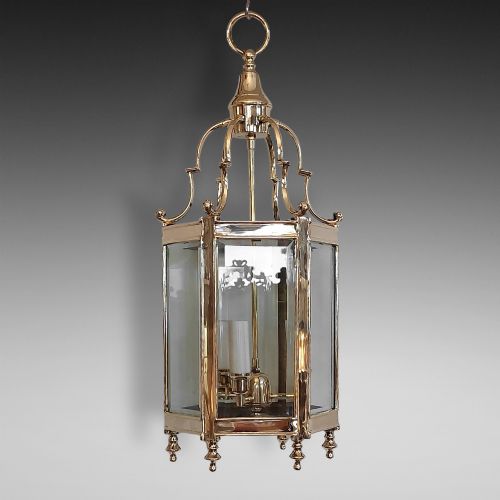
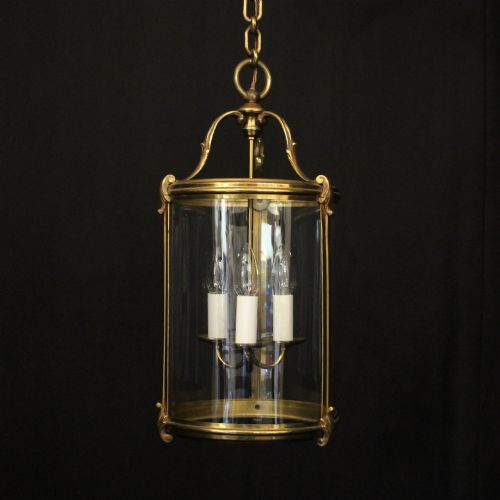
When you search for a vintage hall pendant light, you encounter hanging lanterns, ceiling lights, and enclosed fixtures designed specifically for entranceways and corridors. The selection on this page relies heavily on early twentieth century, Edwardian, and nineteenth century examples that establish immediate character upon entry.
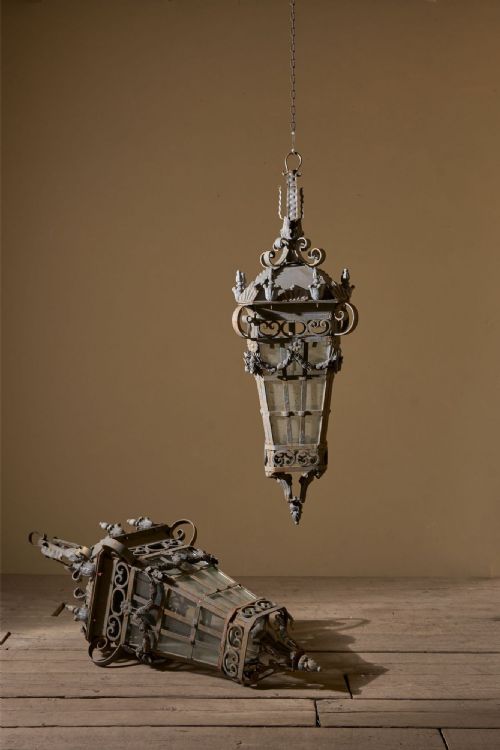
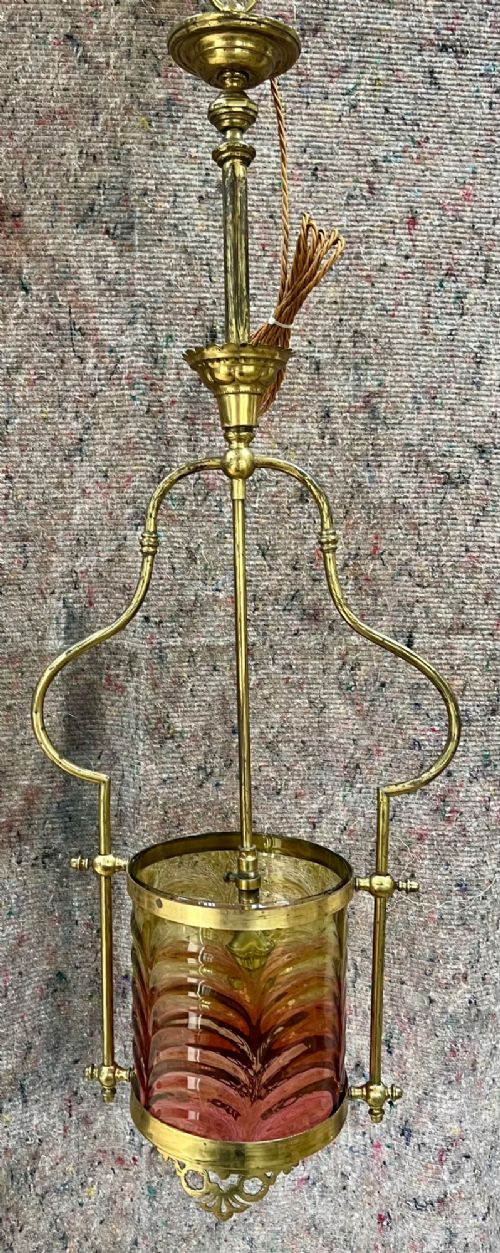
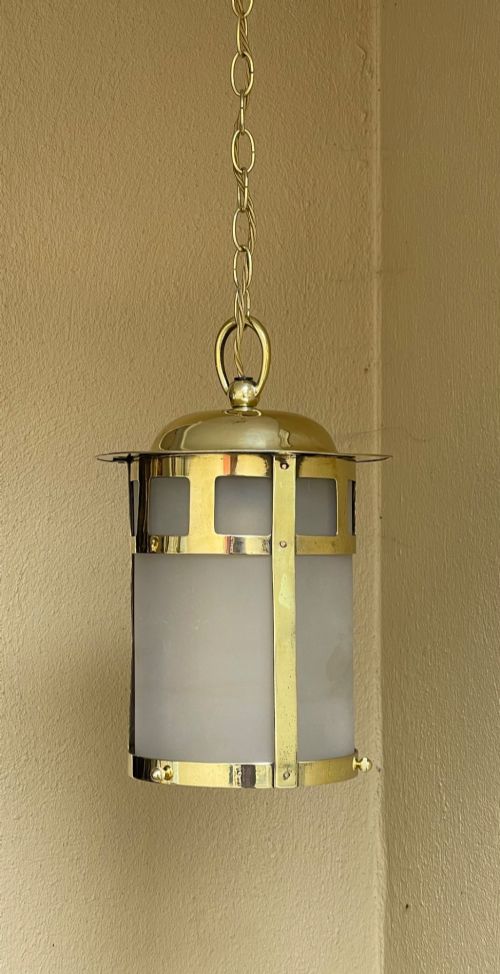
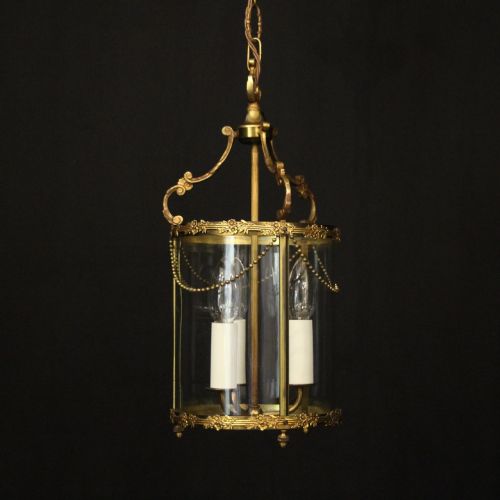
Most pieces take the form of hexagonal or multi-sided brass, bronze, or iron frames fitted with glass panels, sometimes housing multiple internal lights. French styles and Arts and Crafts designs dominate the forms, frequently utilising convex or etched glass to diffuse illumination across a space.
How they were made
Maker workshops constructed these fixtures using structural metals such as brass, gilt bronze, wrought iron, and zinc to form rigid frames. Glass elements - ranging from hand-blown bulls-eye panels and moonstone to leaded stained glass and etched panes - were then fitted securely into the metal structures.
Many early lanterns originated as candle-lit or oil-burning fixtures before undergoing later conversion to electricity. Joinery relied on mechanical fixings, soldered lead cames for stained glass, and hinged doors allowing access for internal maintenance.
Materials across the listings span plain and gilded brass, bronze, wrought iron, and zinc paired with clear, leaded, moonstone, and etched glass.
What varies in quality
Quality rests upon the weight and finish of the metalwork, distinguishing heavy cast bronze or substantial brass frames from lighter pressed alternatives. Superior examples display crisp chasing, integrated decorative details, and robust structural integrity that holds heavy glass panels firmly.
The sophistication of the glass work dictates the tier of the piece, with hand-blown bulls-eye panes, moulded glass, and detailed leaded panels commanding greater visual interest. Original gilding, intact patination, and proportional harmony further separate ordinary utilitarian fixtures from exceptional decorative examples.
The Vintage Hall Pendant Light Glossary
- Convex glass
- Curved glass panels that project outward, frequently utilised in French hall lanterns to diffuse light more widely across an entranceway.
- Leaded glass
- Individual pieces of glass joined together with lead strips or cames, common in Arts and Crafts and Edwardian porch lanterns.
- Bulls-eye glass
- Thick, circular blown glass panes featuring a central knot or distortion, providing traditional texture and obscured interior views.
- Gilt bronze
- Bronze metal treated with a thin layer of gold or gilt finish, offering a durable and rich metallic surface seen on French fixtures.
Vintage Hall Pendant Light: Frequently Asked Questions
How do I hang a hall lantern safely?
Suspension requires a secure ceiling fixing capable of supporting the combined weight of the metal frame and glass panels. Professional electricians should assess the internal wiring and structural hook points before installation.
Ensuring the hanging chain and ceiling rose match the period and weight of the fixture maintains both safety and aesthetic balance in a narrow corridor.
Were these lights originally electrical?
Many examples from the nineteenth century and early twentieth century started life lit by candles or oil before later conversion to electricity. Traces of early burners or wick adjusters often remain visible inside the frames.
Modern rewiring preserves the historic exterior while meeting current electrical safety standards for domestic hallways.
How do I clean an antique lantern?
Dust glass panels and metal frames gently with a soft dry cloth to prevent accumulation without disturbing the aged surface patination. Avoid harsh chemical cleaners that strip original gilding or bronze finishes from the metal.
Removable glass panes can sometimes be lifted clear of the frame for careful washing in warm soapy water.
What distinguishes Edwardian hall lights?
Edwardian hall lights frequently feature bright brass frames, clean geometric shapes such as hexagonal profiles, and clear or lightly etched glass panels. They reflect a shift towards lighter, airier entranceways compared to heavier Victorian designs.
Arts and Crafts influences also appear within this period, emphasising honest metal construction and hand-finished details.