







Vintage Haberdashery Display
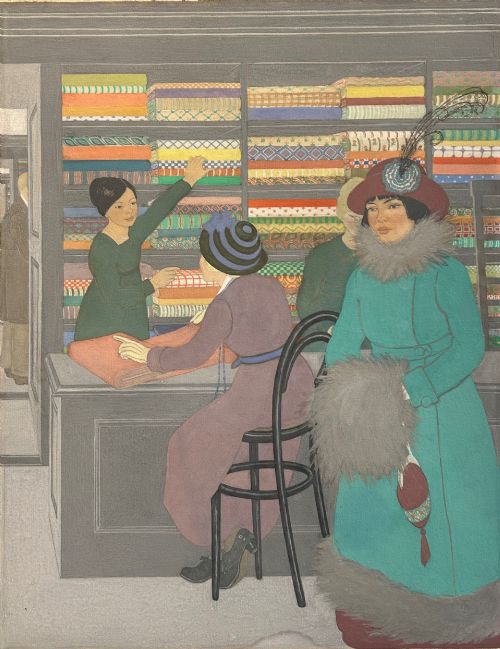
Vintage haberdashery display pieces bring original retail architecture into domestic spaces through glazed cabinets, multi-drawer counters and specialised stands.
Vintage Haberdashery Display
A vintage haberdashery display gathers the functional furniture and fittings once used in drapery, millinery and retail trades from the Victorian period through to the 1930s. Buyers look for items that organise domestic spaces while retaining the specific character of commercial workshops and high street shops.
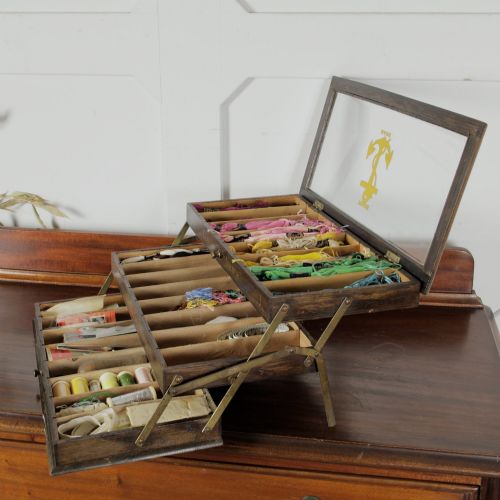
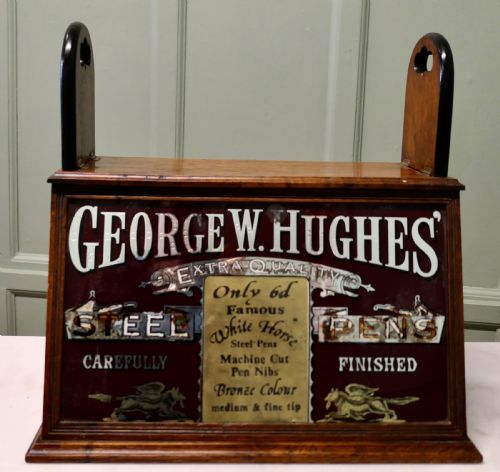
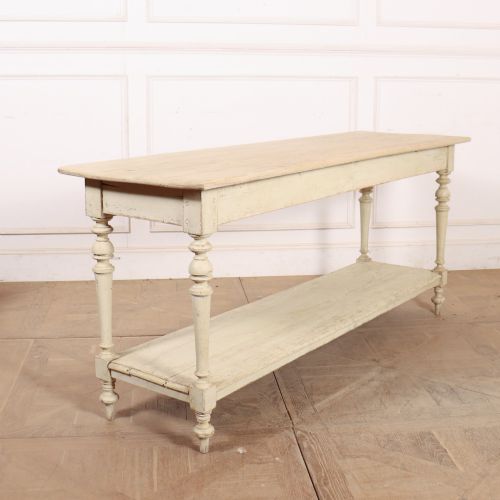
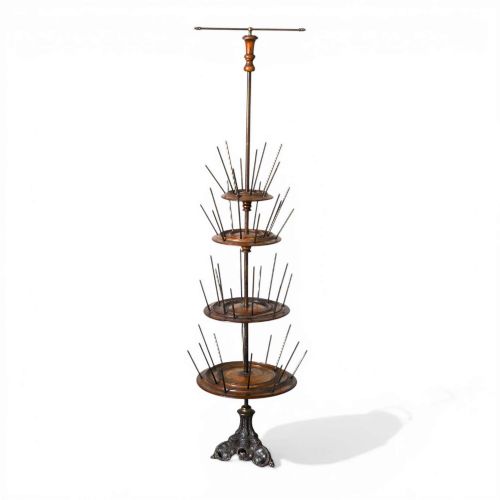
The selection ranges from large oak and mahogany shop counters and tall glazed display cabinets down to tabletop needle drawer units, cotton reel trees and brass display stands. Pieces from the Art Deco period and the 1920s commercial era appear frequently alongside older nineteenth-century workshop items.
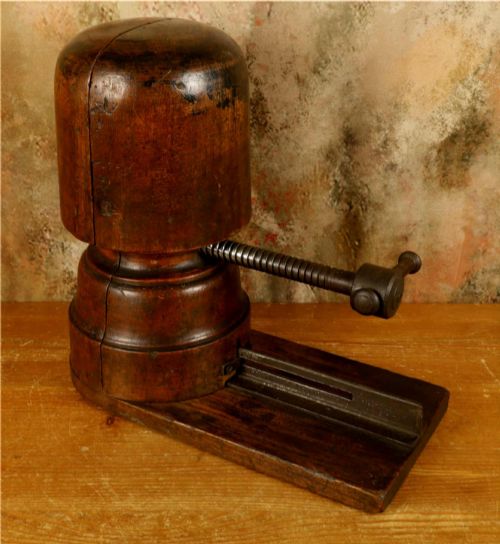
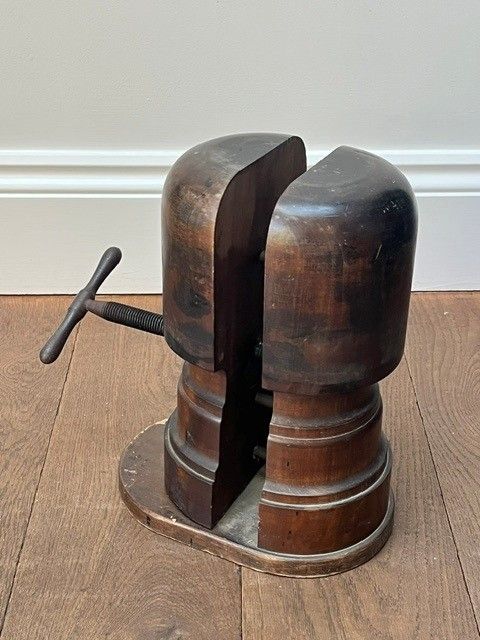
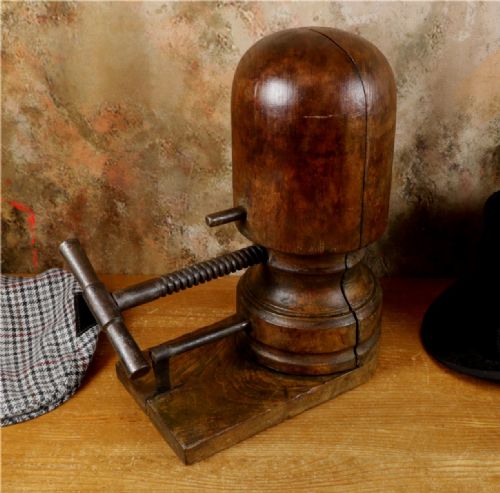
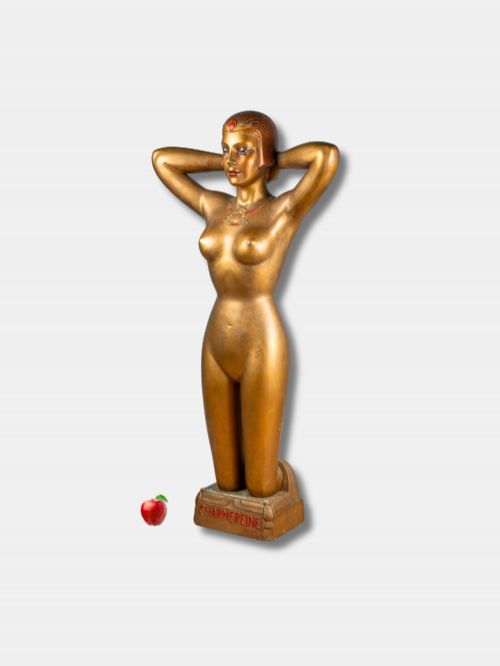
Specialised items such as milliners' hat stretchers, wig display stands and advertising mannequins also fall into this category, reflecting the diverse apparatus of trade. Each form serves a practical storage or presentation function grounded in historical retail practice.
How they were made
Timbers such as mahogany, oak, pine and teak form the structural carcasses of cabinets and counters, joined to withstand heavy daily commercial use in busy shops. Glass provides visibility in door panels and tabletops, while brass, cast iron and chrome appear in display stands, frames and hardware.
Joinery techniques focus on durability and visual presentation, utilising panelled doors, bow ends, and banks of numerous small drawers designed for sorted stock. Painted finishes, distressed surfaces and hand sign-writing indicate the utilitarian origins and subsequent working life of these commercial items.
Vintage Haberdashery Display Retail Price Guide 2026
Typical asking prices for vintage haberdashery display among the pieces listed under this phrase on Sellingantiques today, from the lower quarter to the upper quarter. They describe what is for sale here now, not the wider market.
Listings span the nineteenth century, Edwardian period, 1920s and 1930s, using oak, mahogany, pine, brass and cast iron.
What varies in quality
The grade of timber selection and the integrity of the original construction establish the baseline standard, with dense hardwoods like mahogany and oak holding structural stability better than softer woods. Maker attribution, such as work originating from established firms, adds a documented provenance that separates standard utility fittings from high-end retail furniture.
The preservation of original components, including glass panes, hardware, mirrors and drawer configurations, determines how closely a piece aligns with its historical state. Refinishing or alterations alter the original commercial character, whereas honest wear from active shop use preserves the authentic industrial context.
F. Sage & Co·Dudley & Co
The Vintage Haberdashery Display Glossary
- Vitrine
- A glass-fronted display cabinet or case designed to showcase delicate goods while protecting them from dust.
- Haberdashery cabinet
- A multi-drawer storage unit originally utilised for small sewing items, ribbons and fasteners.
- Hat stretcher
- A wooden block or mechanical tool used by milliners to size and shape hats.
- Display counter
- A shop fixture featuring a glazed top or front to present merchandise to customers across a sales floor.
- Shop fitting
- Furniture and architectural elements built specifically for commercial retail premises.
Vintage Haberdashery Display: Frequently Asked Questions
How do I use a haberdashery counter at home?
These counters provide substantial surface space and deep internal drawers or shelving suitable for organising clothing, linens or collections.
Position them in living spaces, kitchens or dressing rooms where the glass panels and multiple drawers offer both display and storage capabilities.
What period do most display cabinets date from?
The pieces span from the mid-nineteenth century through the Edwardian era up to the 1930s.
Victorian and Edwardian examples often feature rich mahogany or oak, while 1920s and Art Deco versions introduce streamlined commercial designs and alternative metals.
Are hat stretchers and display stands authentic?
Millinery blocks and hat sizers were working tools used in hat shops and workshops to shape and display headwear.
Their construction in turned wood and carved forms reflects the functional requirements of late nineteenth and early twentieth-century trade.
How do I care for wooden shop furniture?
Maintain the timber by avoiding direct heat sources and excessive moisture that can affect antique joints and glass mountings.
Clean glass surfaces with standard solutions and treat exposed wood with appropriate traditional waxes to preserve the finish.