



Vintage Shop Dummy
A vintage shop dummy holds the spirit of the mercantile past, offering timeless character to any modern interior through sculptural form and history.
Vintage Shop Dummy
A vintage shop dummy brings the authentic atmosphere of early commerce into domestic spaces, appearing in forms ranging from full human figures to specialised display models. When exploring this selection, buyers frequently encounter pieces created for French and English shop displays during the nineteenth and early twentieth centuries.
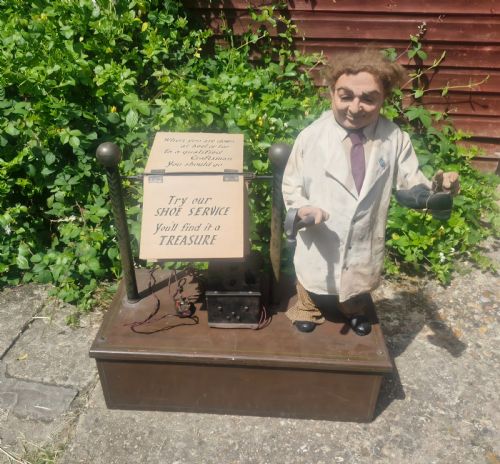
The objects span diverse configurations, including tailors dummies, child mannequins, hat stands, bust forms, and whimsical advertising displays shaped like loaves of bread or automated cobbler models. These display pieces originate from distinct eras such as the Art Deco period, the Victorian age, and the early twentieth century.
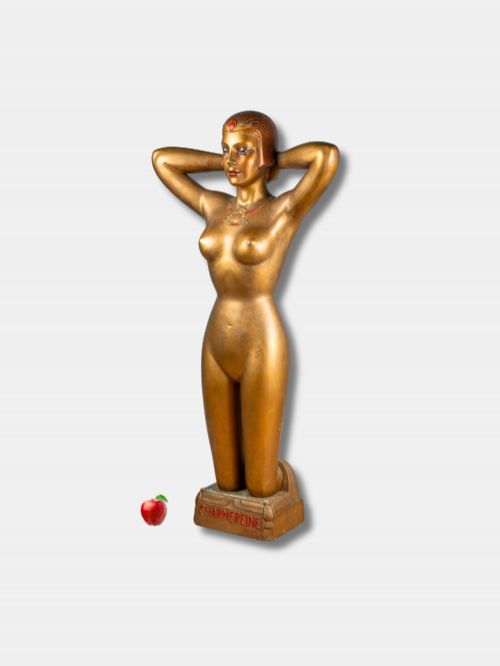
Parisian workshops emerge prominently among the origins, providing sophisticated lingerie advertising figures alongside standard stockman models. Whether utilised in a boutique or a hallway, each dummy serves as a striking sculptural presence rooted in retail history.
Materials and construction
The construction of a vintage shop dummy relies heavily on traditional materials such as wood, plaster, composition, and terracotta. Makers frequently moulded plaster or composition to shape the torsos and heads, mounting them on sturdy wooden or metal stands for stability.
Many examples feature outer coverings of fabric, linen, or leather, carefully fitted over the underlying structure and sometimes finished with applied paint. Specialised advertising models incorporate these same durable materials to withstand daily commercial use while maintaining realistic human or object proportions.
Vintage Shop Dummy Retail Price Guide 2026
Typical asking prices for vintage shop dummy among the pieces listed under this phrase on Sellingantiques today, from the lower quarter to the upper quarter. They describe what is for sale here now, not the wider market.
French and English origins dominate the selection, encompassing both Parisian advertising mannequins and domestic display items.
Evaluating craftsmanship and condition
Quality in a vintage shop dummy rests upon the fidelity of the sculptural form and the integrity of the original materials. Superior examples demonstrate refined facial modelling, well-proportioned anatomical lines, and sophisticated handling of fabric or painted finishes.
The presence of authentic maker stamps or labels adds significant distinction, particularly those originating from recognised Parisian ateliers. Furthermore, the survival of original mounting hardware and uncompromised surface patination elevates a piece above standard commercial stock.
Charmereine·Stockman·Pierre Iman
The Vintage Shop Dummy Glossary
- Stockman
- A standard professional tailor's dummy used for fitting and draping garments. These pieces often feature sturdy internal construction covered in durable linen.
- Dummy board
- A flat wooden silhouette painted to represent a person, animal, or object in three dimensions. Such items stood in shops and hallways to surprise and delight visitors.
- Composition
- A moulded mixture of pulp, resin, and other binders used to create durable mannequin heads and limbs. This material allowed makers to achieve intricate facial details before the widespread use of plastics.
- Terracotta
- Fired clay utilised for sculptural shop displays and mannequin components. It provides a weighty, tactile surface that accepts paint readily.
Vintage Shop Dummy: Frequently Asked Questions
How were shop dummies used originally?
Merchants deployed these figures in shop windows and interior counters to showcase garments, hats, and specialised wares to potential customers passing by.
They allowed retailers to display clothing in a three-dimensional format that suggested movement and fit, attracting attention from the street.
How do I date a shop dummy?
Dating relies heavily on the stylistic clues of the base, the materials used for the torso, and any legible manufacturer stamps or paper labels.
Art Deco geometric lines point toward the nineteen-twenties and thirties, whereas heavier wooden frames and simpler linen torsos often suggest nineteenth-century origins.
Can I use a vintage dummy for tailoring?
Many historical tailors dummies remain structurally sound enough for pinning and fitting contemporary garments.
Buyers should examine the internal stuffing and core stability to ensure the piece can handle physical manipulation without sustaining damage.
How do I clean a fabric mannequin?
Gentle surface cleaning with a soft brush or low-suction vacuum attachment removes accumulated dust without disturbing aged textiles.
Harsh chemical cleaners and excessive moisture must be avoided entirely to preserve fragile linen, leather, and painted finishes.