
Vintage Haberdashery Chest
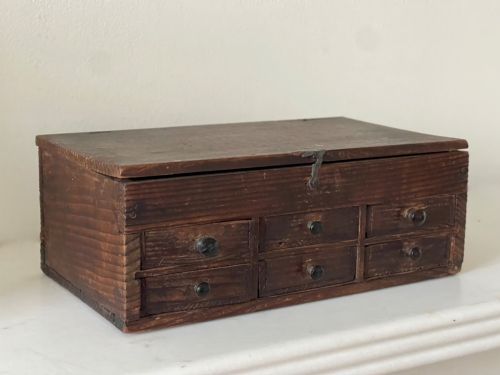
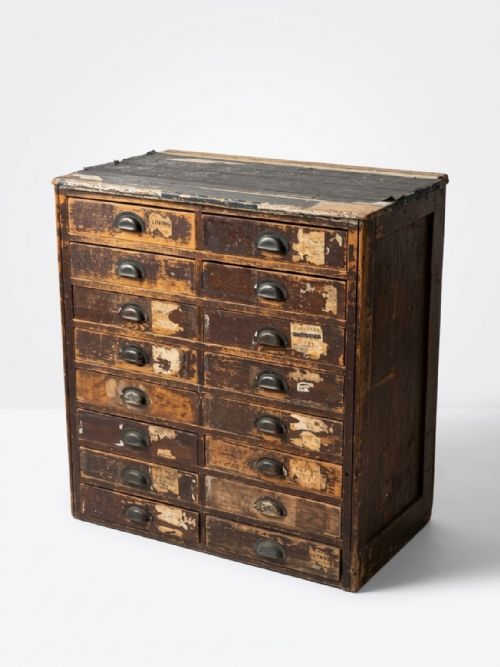
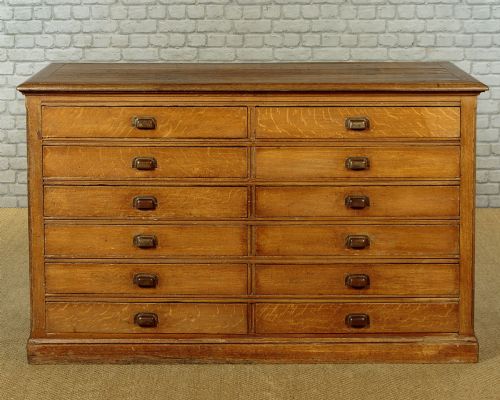
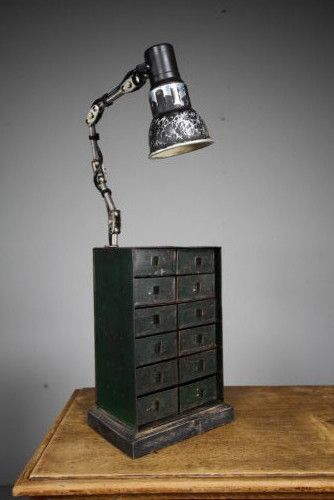
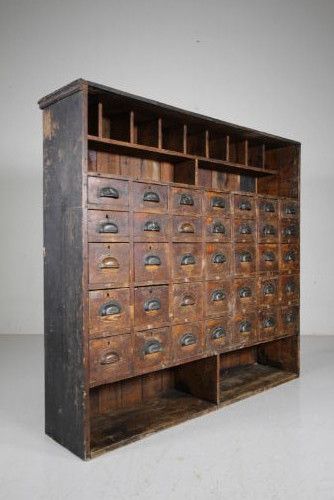
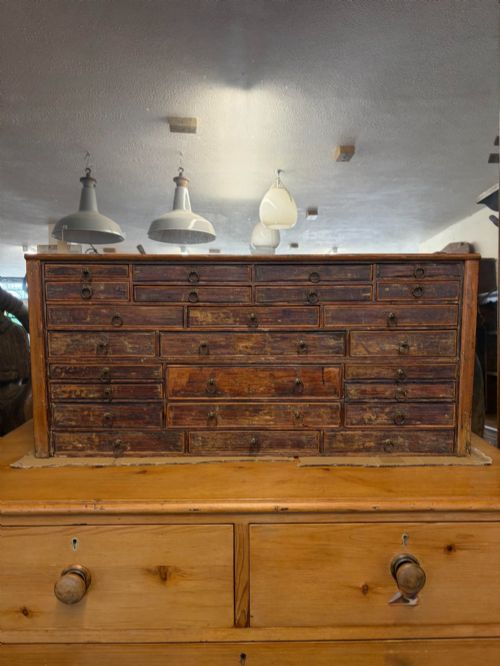
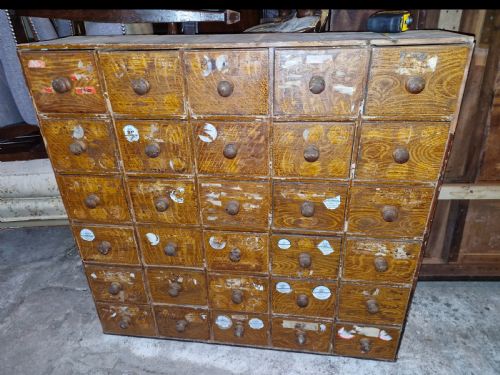
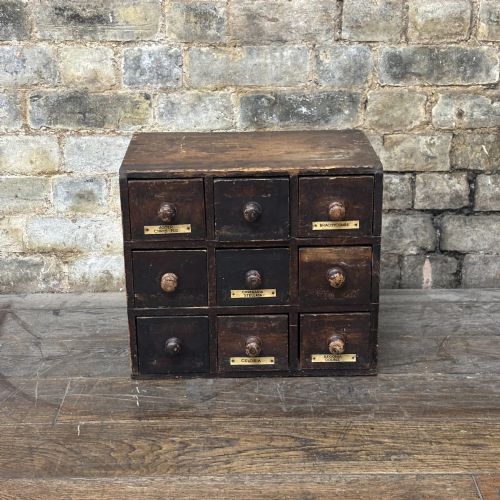
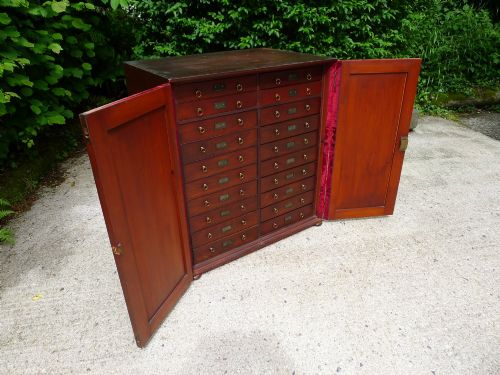
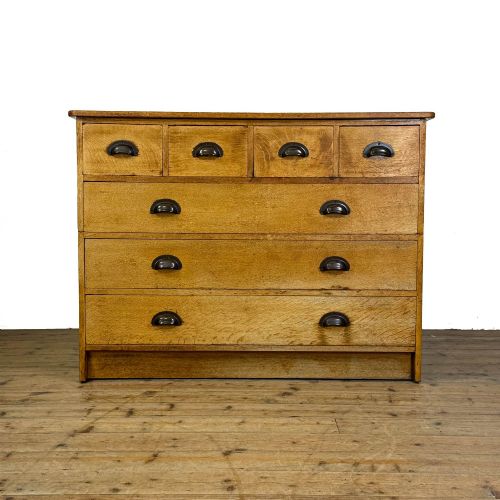
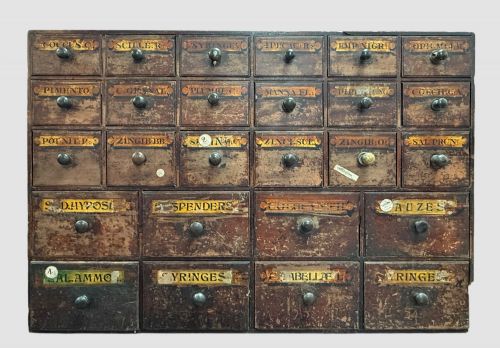
A vintage haberdashery chest is a multi-drawer storage unit built for trade or workshop use, prized for organising small items.
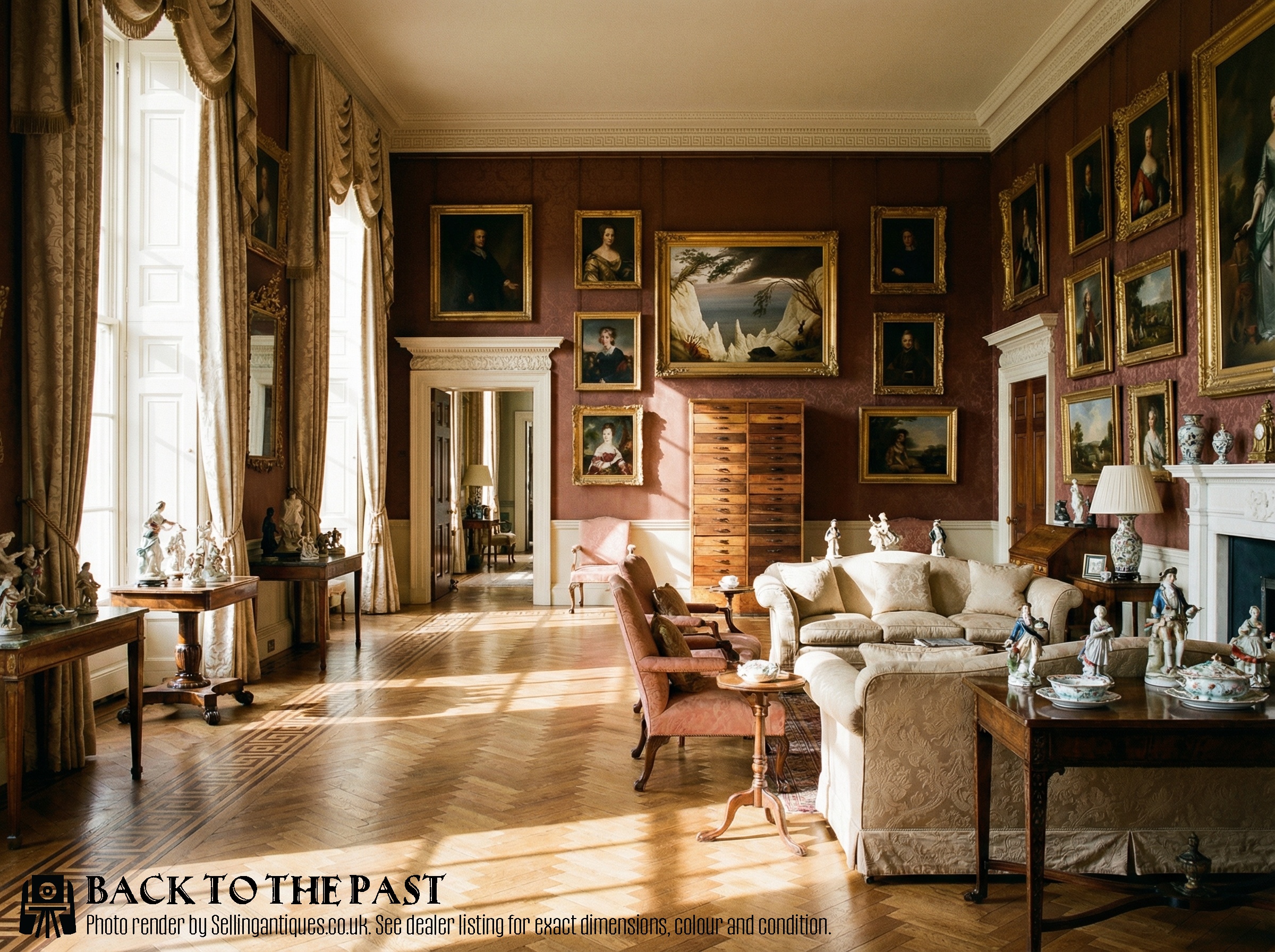
Vintage Haberdashery Chest
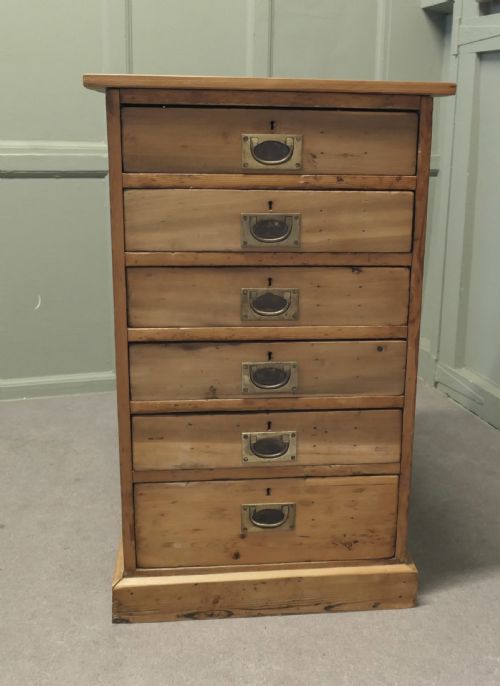
A vintage haberdashery chest encompasses multi-drawer banks, shop fittings, and apothecary cabinets originating from the nineteenth century through to the 1930s. Buyers searching for a vintage haberdashery chest encounter utilitarian forms such as banks of drawers, shop counters, and filing cabinets.
The pieces on this page span Victorian, Edwardian, and mid-century utility styles, reflecting commercial and domestic storage needs. Pine and mahogany appear frequently, alongside oak, deal, and fruitwood.
Origins range from English shop fittings to Hungarian painted pine units and French counter pieces. These items served drapers, chemists, and workshops before entering domestic settings.
How they were made
Cabinet makers utilised solid woods like pine, mahogany, oak, and deal to construct heavy-duty frames capable of holding dozens of small drawers. Surfaces often retained original paintwork, such as white, cream, or light green finishes on Hungarian pine, or were polished to show the natural grain of mahogany and walnut.
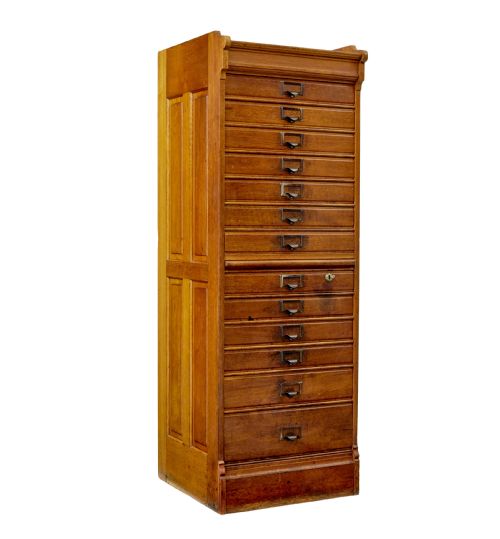
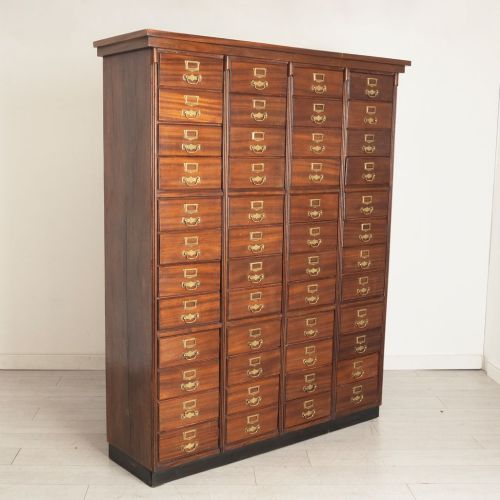
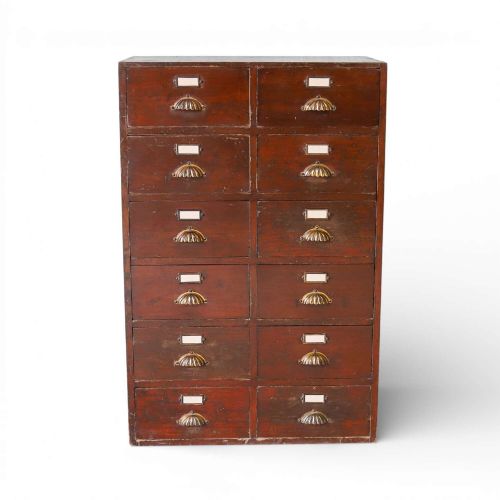
Hardware played a functional role, incorporating brass shell pulls, label holders, and iron fittings designed for daily commercial use. Construction methods prioritized durability, seen in multi-drawer banks joined with traditional carpentry to withstand frequent opening.
Styles span Victorian industrial pieces and Edwardian utilitarian designs, reflecting commercial storage evolution.
What varies in quality
The distinction between tiers rests upon the scale of the piece and the integrity of its original hardware. Multi-drawer units featuring original brass shell pulls and integrated label holders command attention for their completeness.
Construction depth and timber selection also differentiate examples, with dense hardwoods like mahogany and burr walnut sitting alongside utilitarian painted pine shop fittings. Retained maker details or original shop provenance elevate the standing of a piece.
Luxmore's of Ilfracombe·Ermen & Roby
The Vintage Haberdashery Chest Glossary
- Haberdashery cabinet
- A multi-drawer storage unit originally designed for displaying and selling sewing materials, ribbons, and small dry goods in a shop. These typically feature numerous shallow drawers to sort small stock.
- Bank of drawers
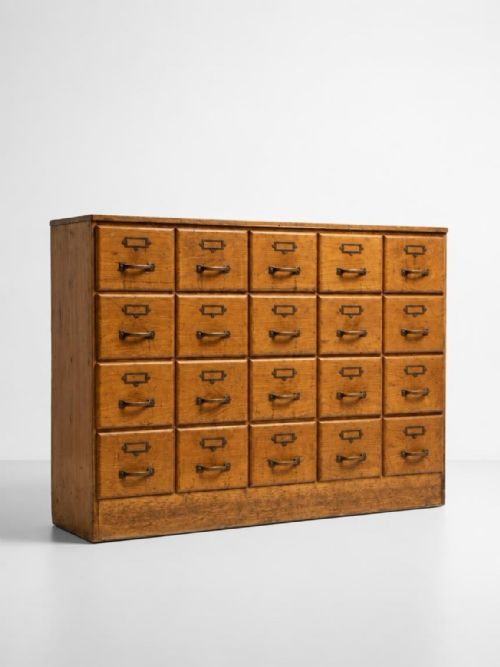
- A large cabinet containing many small drawers arranged in rows and columns. They were utilised in offices, chemists, and workshops for systematic organisation.
- Shop fitting
- Permanent or semi-permanent furniture built for commercial premises such as drapers or apothecaries. These pieces are robustly constructed to endure heavy public trade.
- Shell pull
- A semi-circular drawer handle shaped like a seashell, often incorporating a slot for a paper label. They are commonly found on Edwardian and Victorian filing and storage chests.
- Deal
- An old term for softwood, typically pine or fir, commonly used in nineteenth-century utilitarian cabinet making. Stained and polished deal gave affordable furniture the appearance of denser timber.
Vintage Haberdashery Chest: Frequently Asked Questions
What is a haberdashery chest?
A haberdashery chest is a multi-drawer cabinet originally made for retail shops to store small sewing items, buttons, and ribbons. They are characterised by numerous shallow drawers.
Today, buyers use them in homes for organising small belongings, stationery, or jewellery while adding industrial or period character to a room.
How do I date a chest?
Dating relies on timber choices, construction techniques, and hardware styles. Nineteenth-century pieces often feature hand-cut dovetails and deal or mahogany frames.
Later Edwardian and 1930s examples introduce machine-made joints, oak, and standardised brass or iron label holders on the drawer fronts.
Were these used in shops?
Many multi-drawer units and shop fittings served behind the counters of drapers, haberdashers, and chemists. They kept small stock sorted and accessible for shopkeepers.
Some pieces include glass display sections or specialised compartments for specific goods like sewing cottons or seeds.
How do I clean the wood?
Maintenance depends on whether the surface has an original painted finish or a polished wood grain. Gentle dusting and application of appropriate wax help preserve antique timber.
Avoid harsh chemical cleaners that might strip original paint, patination, or historic labels on the drawer fronts.