




Commercial Shop Storage
Commercial shop storage pieces are utilitarian fixtures built for trade, offering robust utility and character that suit modern homes.
Commercial Shop Storage
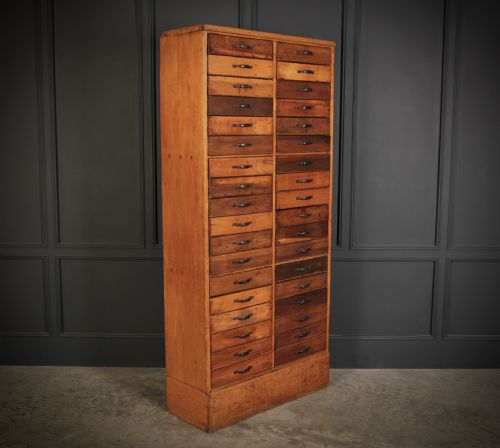
Commercial shop storage encompasses functional trade fixtures designed for retail use during the nineteenth and early twentieth centuries. These items include banks of drawers, haberdashery chests, chemist shop fittings, and watchmaker cabinets.
Buyers will most frequently encounter pine and oak pieces originating from the Victorian period, alongside interwar examples from the 1920s and 1930s. Forms range from multi-drawer apothecary and draper counters to tabletop display cases and storage boxes.
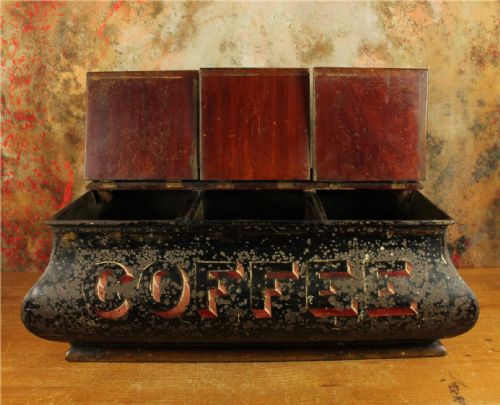
Origin and purpose dictate the primary appearance of these items, with French provincial and Hungarian examples sitting alongside British merchant pieces. Sign-written lettering and original paint finishes often preserve the history of their commercial past.
Materials and Construction
Construction relies heavily on sturdy timbers such as pine, oak, mahogany, and fruitwood, chosen for daily commercial endurance. Iron, brass, and metal hardware reinforce structural stress points on drawers and cabinets.
An antique pencil dispenser reminds us that even writing instruments once required a dedicated commercial showcase.
Quality and Character
Quality rests in the survival of original surfaces, such as undisturbed paint layers, authentic brass pulls, and period sign-writing. Cabinets retaining their fitted interior compartments and original glass panes stand apart from altered examples.
The density of the timber and the complexity of the drawer configuration define the craftsmanship of each piece. Simpler rustic country storage differs from refined watchmaker or draper cabinets designed for precision retail display.
Manoah Rhodes & Sons Ltd
The Commercial Shop Storage Glossary
- Haberdashery cabinet
- A multi-drawer retail fixture originally utilised for storing small sewing and clothing accessories. These units typically feature numerous shallow drawers, sometimes with glass fronts to display wares.
- Chemist shop fitting
- Custom cabinetry and drawer banks built for nineteenth-century pharmacies and apothecaries. They often incorporate dedicated compartments for medicinal jars and powders.
- Toleware
- Metalware painted or enamelled in japanned or colourful designs. It is commonly found in shop tins and storage boxes from the nineteenth century.
- Watchmaker cabinet
- A specialised desktop or countertop cabinet constructed with miniature drawers for tiny watch components and tools. They are frequently made of dense hardwoods like oak or fruitwood.
Commercial Shop Storage: Frequently Asked Questions
What are commercial shop storage pieces?
These pieces are utilitarian furniture items originally built for retail trades during the nineteenth and early twentieth centuries. They include items like chemist drawers, draper cabinets, and watchmaker chests.
Built to withstand heavy daily use, they now serve as practical storage furniture in residential settings. Their design prioritises organisation, multiple drawers, and durable timber construction.
How do I date a shop storage cabinet?
Dating relies on material selection, construction methods, and hardware styles found across the Victorian and interwar periods. Timbers like heavy pine and mahogany are typical of nineteenth-century pieces.
Original trade labels, sign-writing, and specific hardware types help narrow down the decade of manufacture. Pieces from the 1920s and 1930s often show distinct interwar commercial design traits.
Can I use haberdashery drawers at home?
Haberdashery drawers and shop fittings fit easily into modern homes as practical storage solutions for clothing, kitchen items, or office supplies. Their numerous shallow compartments organise small items effectively.
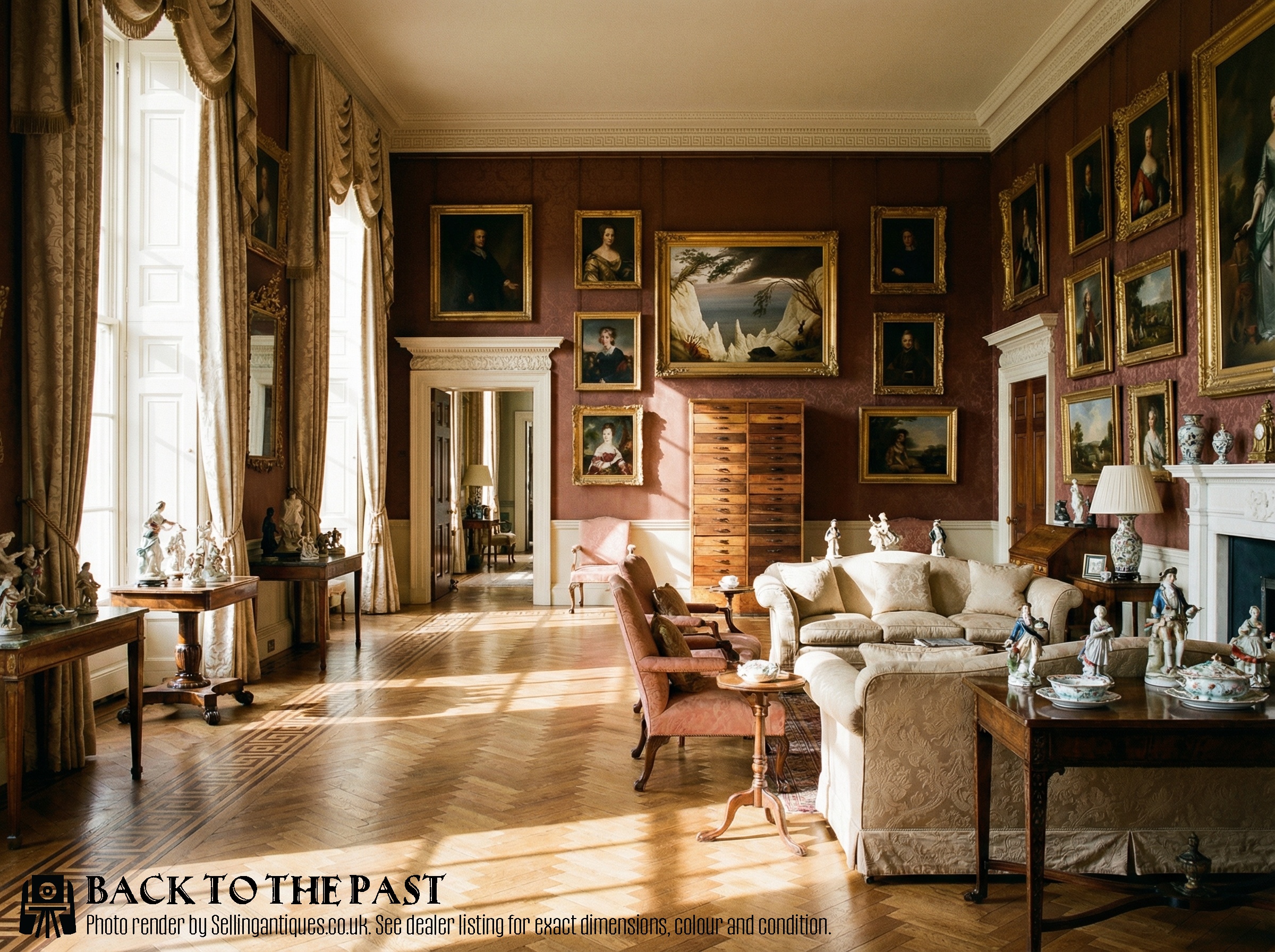
Placing these units in living spaces or hallways adds distinct architectural character and historic utility. Their robust construction ensures they remain functional for daily household use.