




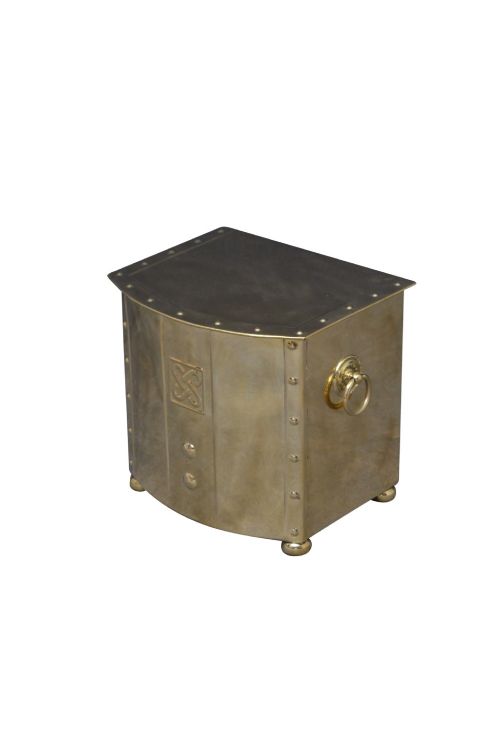


Antique Craft Storage Box
An antique craft storage box is a practical container for materials and tools, bringing period character and functional organisation to any room.
Antique Craft Storage Box
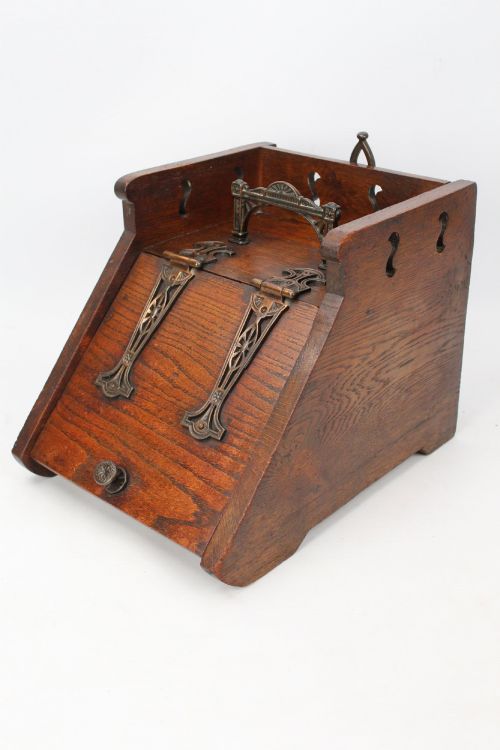
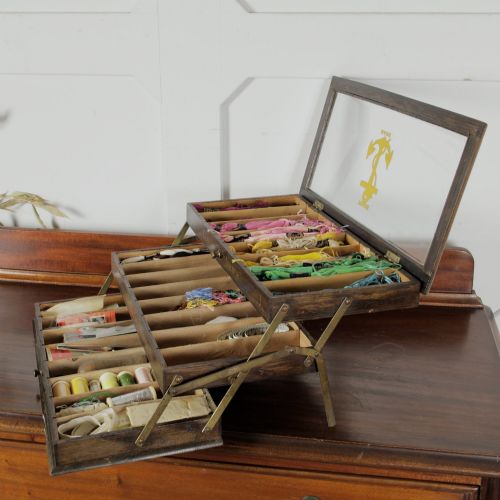
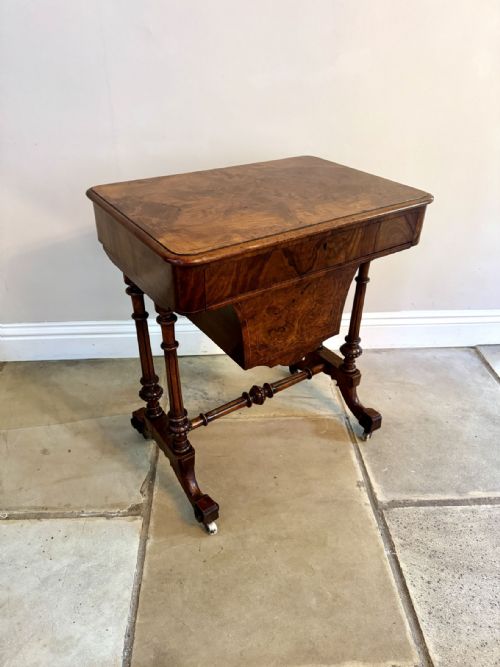
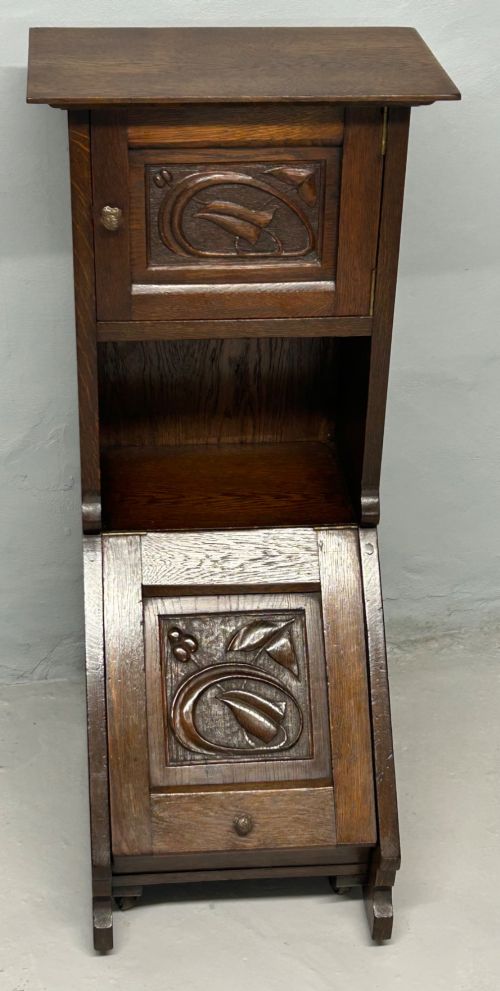
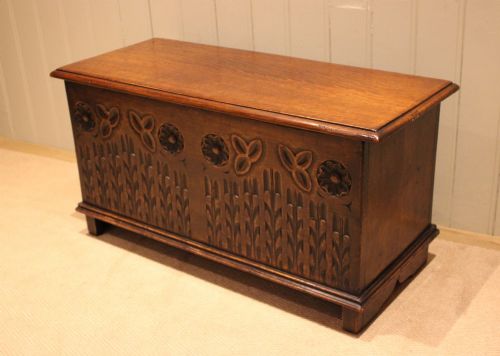
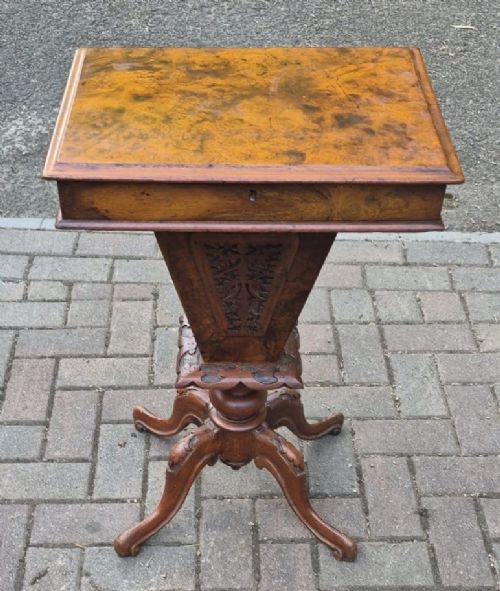
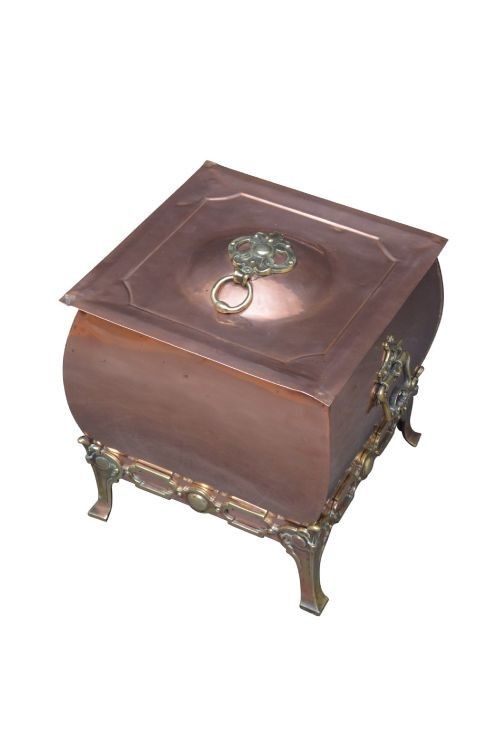
When you search for an antique craft storage box, you encounter a diverse range of vessels designed to hold materials, sewing implements, and household fuel from the nineteenth and early twentieth centuries. The selection spans compact tabletop cabinets, wooden coffers, and metal-mounted coal scuttles or purdoniums that double as storage.
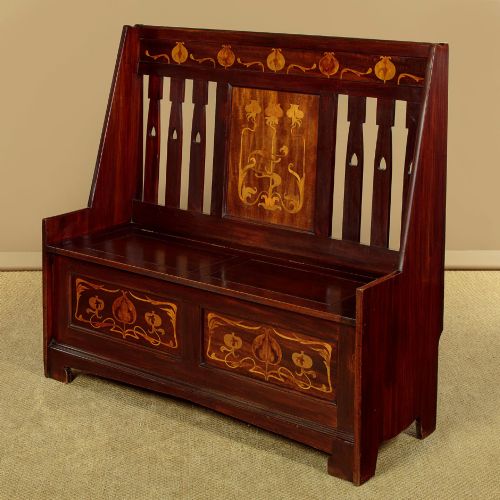
Pieces frequently emerge from the Victorian, Edwardian, and Arts and Crafts periods, reflecting the domestic habits and decorative tastes of those eras. Oak and pine dominate the wooden constructions, often accompanied by copper, brass, and iron elements that served both structural and ornamental purposes.
You are likely to meet vernacular items alongside firm-attributed examples, ranging from simple dovetailed chests to intricately inlaid work tables. Each object retains the specific utility for which it was made, whether housing sewing threads, documents, or fireplace fuel.
Materials and Technique
Carpenters and cabinetmakers utilised solid timbers such as oak, walnut, and pine, employing traditional joinery like dovetails and mortise and tenon connections to ensure durability. Surfaces often show hand-carving, moulded panels, or applied boxwood and fruitwood stringing.
Metal components, particularly copper and brass, appear as riveted panels, repoussé hinges, and decorative strapwork characteristic of the Arts and Crafts movement. These metals were frequently beaten or plated, adding texture and reflective contrast to the warm timber surfaces.
Antique Craft Storage Box Retail Price Guide 2026
Typical asking prices for craft storage box among the pieces listed under this phrase on Sellingantiques today, from the lower quarter to the upper quarter. They describe what is for sale here now, not the wider market.
A nineteenth-century straw work box carries the distant memory of Napoleonic prisoners passing time in Elba.
Assessing the Standard
The degree of refinement in the joinery and the integrity of the original materials define the upper tier of these pieces. Hand-beaten metal panels with deliberate, expressive tool marks distinguish superior metalwork from industrial stampings.
Design cohesion separates standard domestic containers from works associated with known makers and specific schools of design. Thoughtful proportion, intact original hardware, and balanced decorative elements indicate greater maker skill.
Heals·James Shoolbred and Co·Jack Grimble·Liberty London
The Antique Craft Storage Box Glossary
- Purdonium
- A domestic container designed for holding coal, typically featuring a sloping front lid and a shovel stored in a compartment at the back.
- Coffer
- A chest or box with a hinged lid, traditionally used for storing valuables, textiles, or household goods.
- Haberdashery display
- Multi-drawer cabinet or storage unit originally utilised in shops for organising small sewing notions, ribbons, and threads.
- Repoussé
- A metalworking technique where the metal is hammered from the reverse side to create a raised design in relief on the front.
Antique Craft Storage Box: Frequently Asked Questions
What fits inside an antique craft storage box?
These boxes accommodate sewing accessories, threads, small tools, and various crafting materials within their divided trays or open compartments. Their internal layouts reflect the specific hobbies of past owners.
Larger variants suit wool, fabric scraps, or larger implements, while tabletop cabinets organise delicate items and papers.
How do I distinguish Arts and Crafts examples?
Arts and Crafts pieces display honest construction methods, visible joinery, and motifs inspired by nature. They favour unpretentious woods like oak alongside hand-worked copper and brass.
Makers in this tradition avoided excessive ornamentation, letting the material and simple geometric forms define the aesthetic.
Where should I place a fireside coal box?
Metal-lined coal boxes and purdoniums suit placement beside a fireplace or stove to store logs, kindling, or fuel. Their metal interiors protect the surrounding timber from ash and moisture.
They also function effectively as general storage containers in studies or living rooms when kept clean.
How do I date these storage boxes?
Dating relies on identifying timber species, construction techniques, and stylistic markers associated with specific decades. Machine-cut screws and plywood indicate later twentieth-century production, whereas hand-cut dovetails point earlier.
Associated hardware, locks, and maker labels or stamps provide further chronological evidence.