


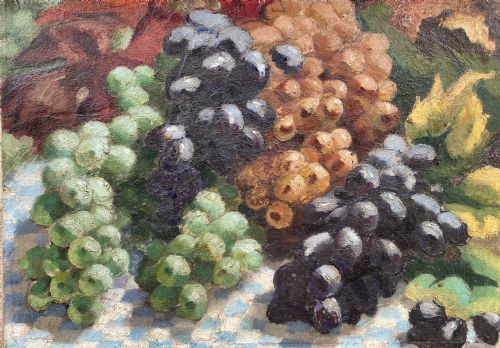
Vintage Grape Painting
These vintage grape painting works capture centuries of harvest tradition in oil, watercolour and porcelain.
Vintage Grape Painting
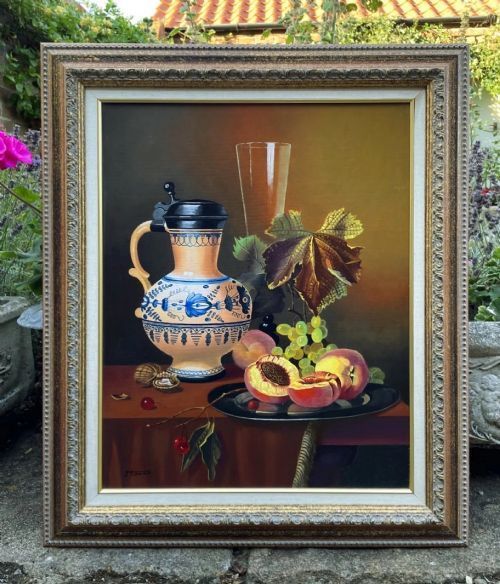
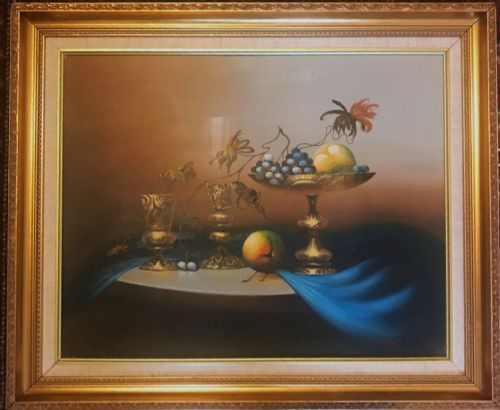
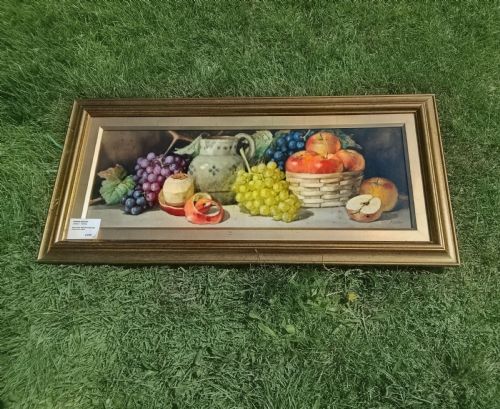
When you search for vintage grape painting, you encounter a specialised selection of still life art, porcelain figures and decorative objects celebrating the harvest. The most common forms on this page are oil paintings on canvas depicting fruit, alongside nineteenth century pottery and porcelain pieces.
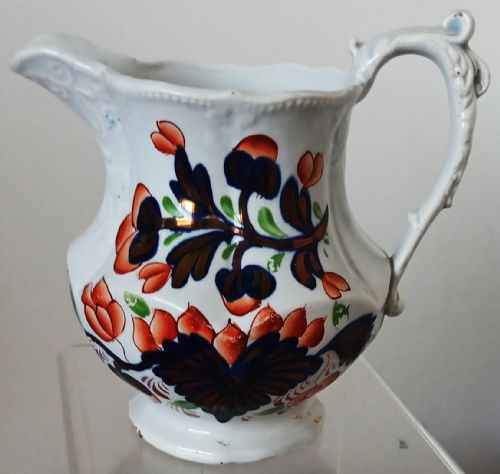
The selection ranges from nineteenth century classical still life watercolours to art deco period French oils and mid twentieth century canvases. Alongside flat art, the evidence includes porcelain figurines and pottery jugs featuring grape motifs from various European traditions.
How they were made
Artists painted these subjects primarily using oil paint on canvas, applying pigment to capture the rich colour and texture of fruit alongside ceramic or glass vessels. Watercolour on paper also appears in nineteenth century still life studies.
Makers shaped porcelain and pottery figures by hand, incorporating delicate enamel detailing and gold leaf accents. Wooden carriers and canvas stretching frames provide the physical support for the paintings and decorative items.
The selection includes both flat oil paintings and three-dimensional porcelain figures of grape pickers.
What varies in quality
The distinction between ordinary and exceptional works lies in the precision of the brushwork and the natural rendering of light and shadow across the fruit. Master painters achieved depth through careful layering of oil paint on canvas, whereas lesser pieces display flat application.
In porcelain and pottery, superior examples show crisp moulding and hand-painted enamel details that retain their brilliance over time. The quality of the framing, whether gilt wood or simpler borders, also distinguishes the pieces.
Jozsef Molnar·Arthur Dudley·Amy Barbaro·Meissen·Helena Wolfsohn·Royal Worcester·Oliver Clare·Arthur Heinrich Wilhelm Fitger·James and William Ward
The Vintage Grape Painting Glossary
- Still life
- A painting or drawing depicting inanimate subject matter, typically everyday objects such as fruit and jugs. These compositions often play with light and texture.
- Hotte
- A traditional basket or carrier worn on the back during the grape harvest, represented here in wooden forms and artistic depictions. Such objects reflect agricultural traditions.
- Gilt
- Covered thinly with gold leaf or gold paint to impart a decorative metallic sheen. This finish frequently appears on ornate frames and porcelain highlights.
- Enamel
- A decorative glass-like substance melted onto pottery or porcelain surfaces at high temperature. It provides durable colour and glossy finish to ceramic figures.
- Watercolour
- Paint consisting of pigment suspended in a water-based solution, typically applied to paper. This medium creates translucent washes of colour.
Vintage Grape Painting: Frequently Asked Questions
What periods do these grape paintings come from?
The pieces span multiple centuries, with significant representation from the nineteenth century alongside eighteenth century porcelain and mid twentieth century canvases.
Artistic styles range from classical realism and rococo revival to Victorian and art deco periods.
Are these pieces painted on canvas or paper?
The flat works utilise various supports, predominantly oil paint on canvas alongside watercolour paintings on paper.
Some compositions also appear on milk glass or ceramic surfaces.
What subjects accompany the grapes in these artworks?
Apples, plums, peaches and roses frequently share the composition with grapes, often arranged alongside blue and white jugs or chequered tablecloths.
Figurines depict grape pickers, street traders and harvesters with funnels and barrels.
How should I display a vintage painting?
Oil paintings on canvas look best in well-lit spaces away from direct sunlight, often housed within ornate gilt frames that complement their period style.
Porcelain figures and pottery jugs suit display cabinets or sideboards where their enamel details remain visible.