


Vintage Gold Leaf Mirror
A vintage gold leaf mirror brings warmth and reflective depth to a room, drawing on centuries of European and English craftsmanship.
Vintage Gold Leaf Mirror
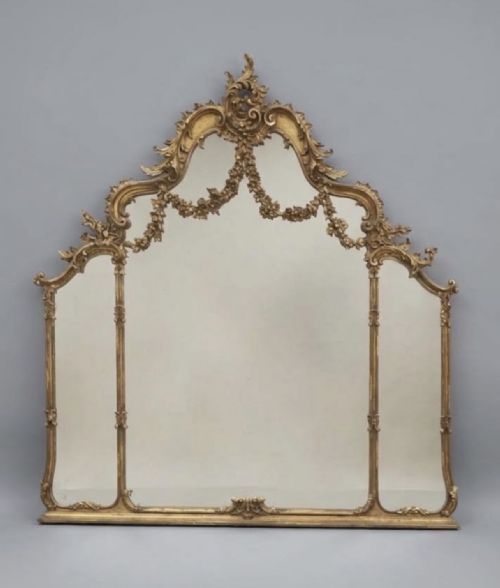
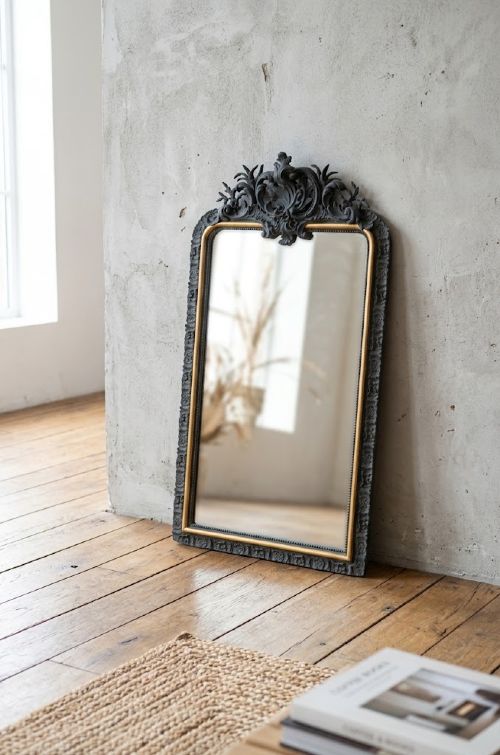
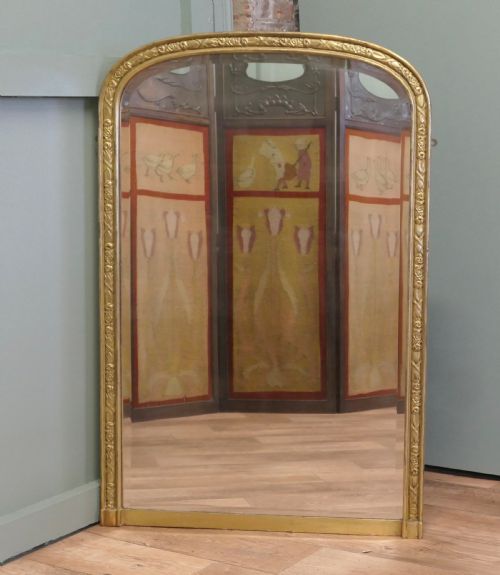
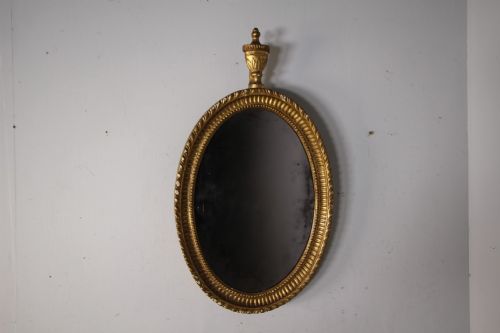
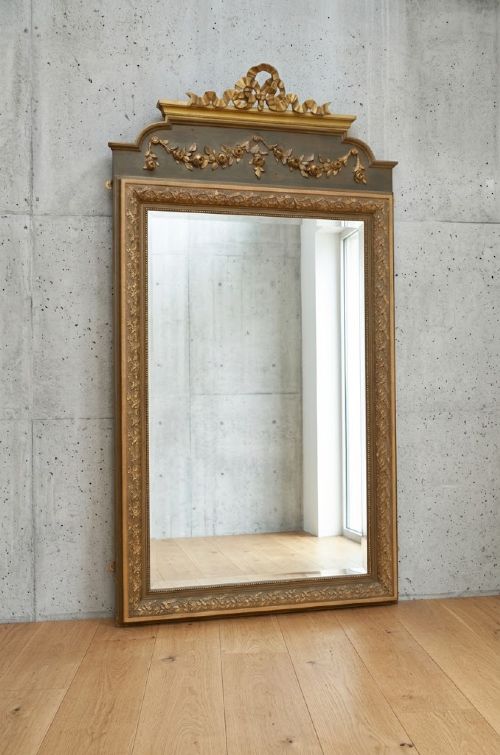
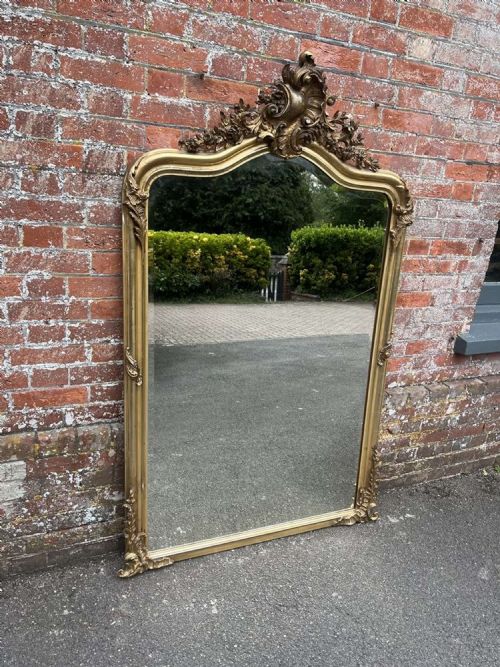
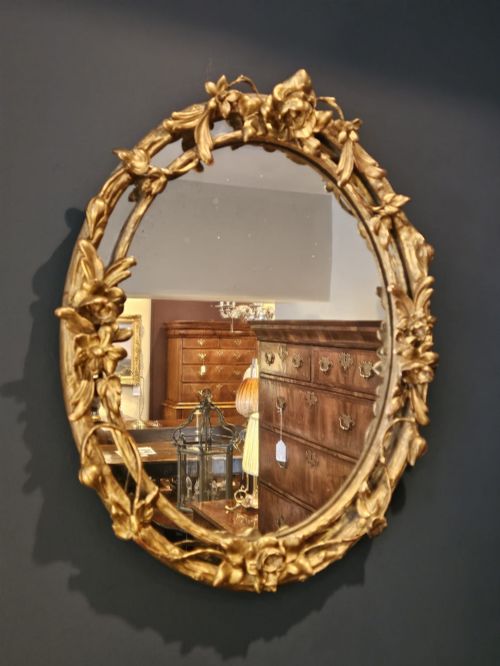
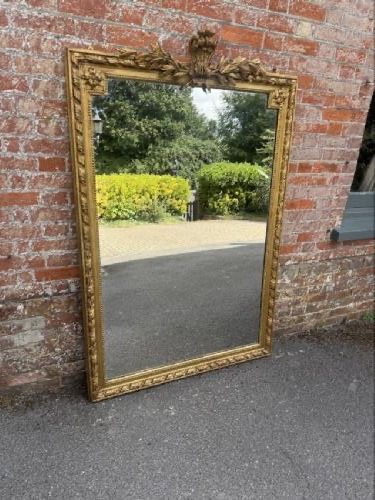
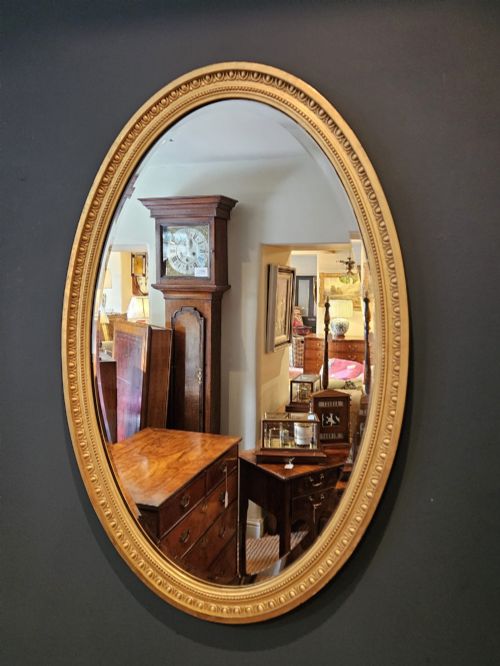
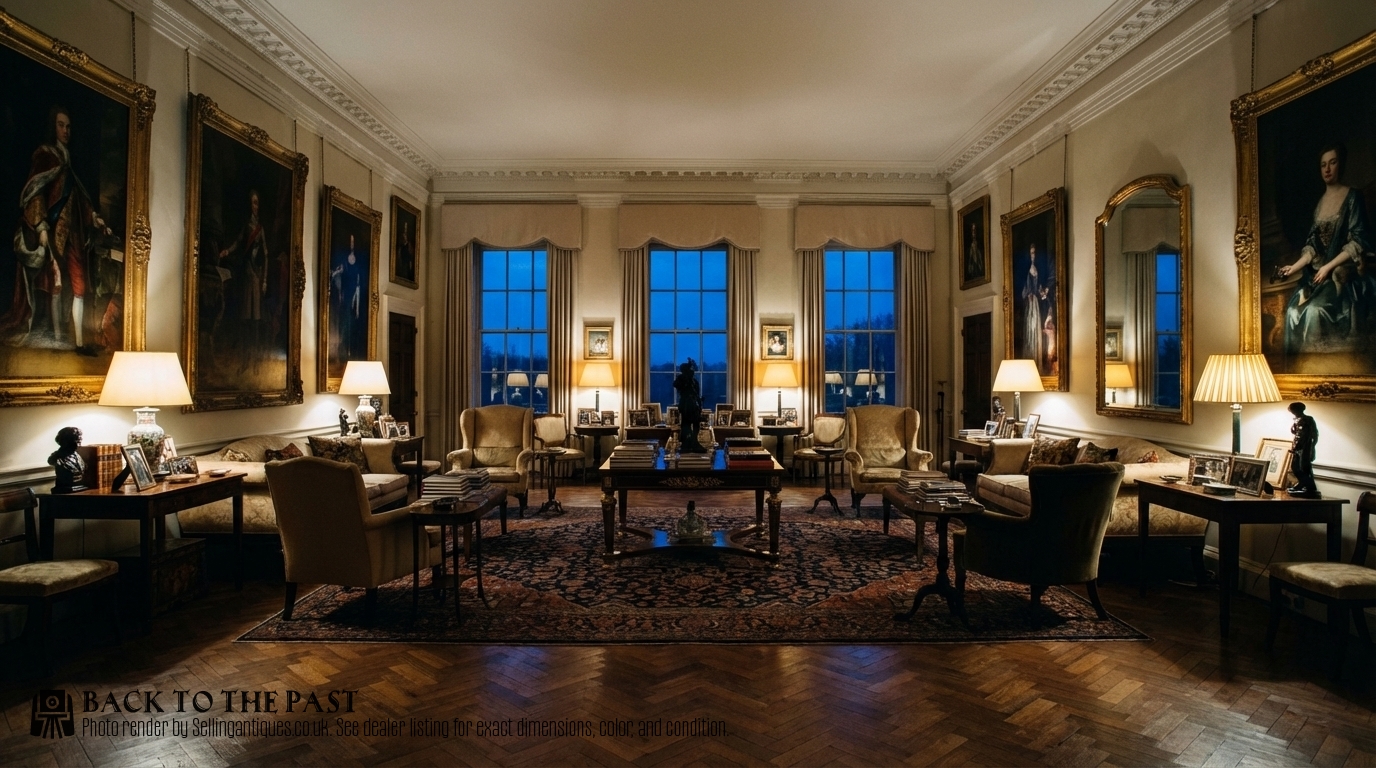
A vintage gold leaf mirror serves as both a practical looking glass and a decorative architectural focal point, frequently found as large overmantels, pier glasses, and tall wall mirrors. These pieces span the eighteenth, nineteenth, and early twentieth centuries, encompassing styles from Georgian symmetry to ornate French Rococo Revival and Louis Philippe designs. Buyers encounter everything from compact oval frames to monumental architectural wall pieces shaped by historical periods of intense decorative ambition.
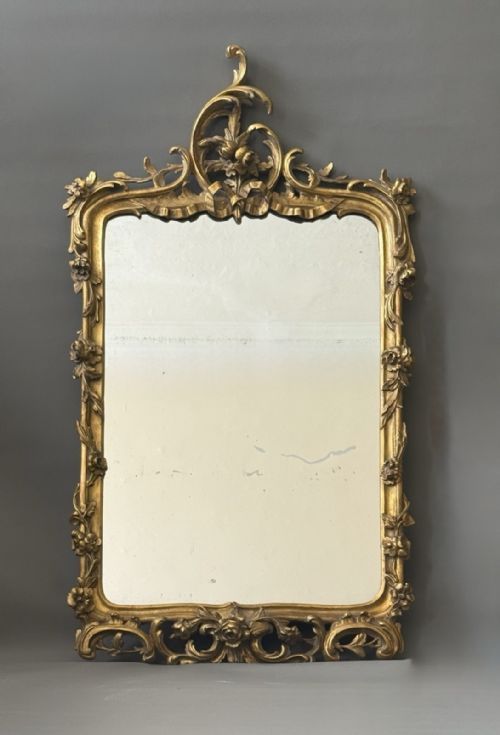
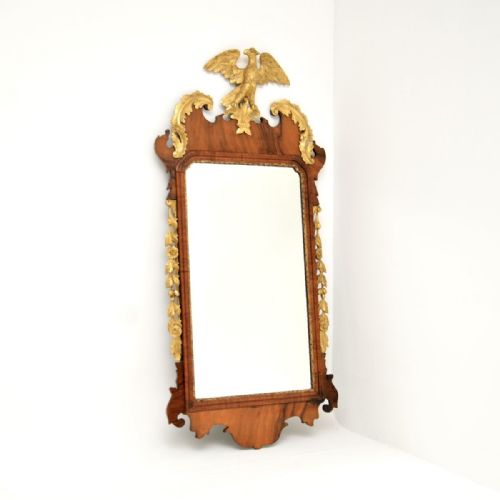
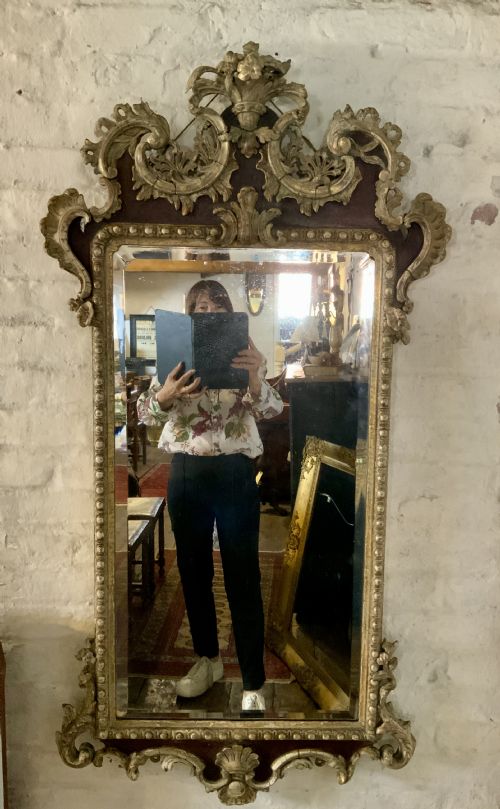
The material presentation leans heavily towards traditional giltwood, gesso over carved timber, and painted wood accented with gold leaf. Pieces often exhibit regional characteristics, such as Italian Florentine carving, English mahogany parcel gilt work, or French chateau aesthetics featuring ribbon crests and floral motifs. While some items function strictly as wall mirrors, others incorporate shelves, sconces, or dressing glass formats.
Materials and construction
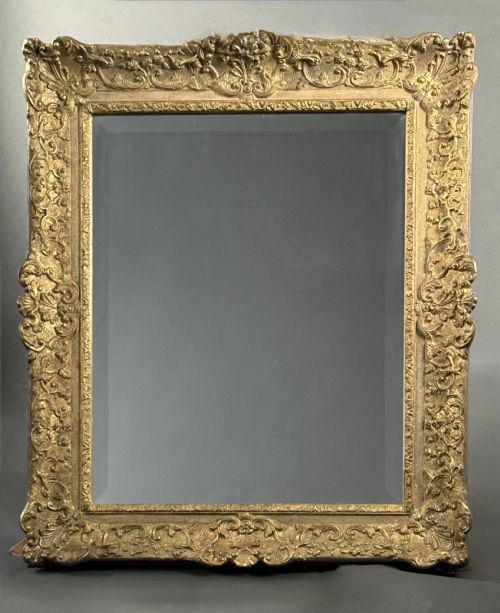
The construction of these mirrors relies on carved wood substrates, primarily timber such as pine, walnut, or mahogany, coated in layers of gesso to provide a smooth base for gilding. Artisans applied thin sheets of gold leaf or metal gilt directly onto this prepared surface, often burnishing the metal to achieve a brilliant metallic sheen. Decorative elements like acanthus leaves, vine patterns, and architectural moulding were either carved straight into the wood or moulded in high-relief gesso.
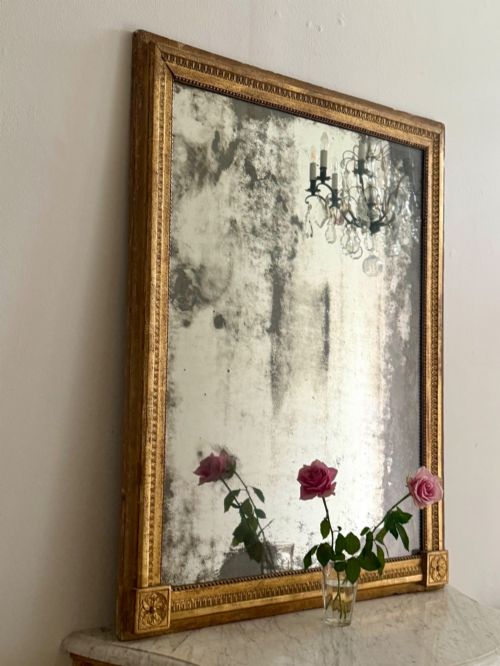
Mirrors from earlier periods frequently utilise antique glass plates, including foxed mercury glass or hand-bevelled plates that show distinct age characteristics. Frames often employ pinned or joined timber construction, sometimes backed with original wooden panels, while later nineteenth and twentieth-century examples integrate composition ornament over simpler wooden frames.
Vintage Gold Leaf Mirror Retail Price Guide 2026
Typical asking prices for vintage gold leaf mirror among the pieces listed under this phrase on Sellingantiques today, from the lower quarter to the upper quarter. They describe what is for sale here now, not the wider market.
Listings feature periods spanning from the eighteenth century through the Edwardian era, utilising materials such as gesso, giltwood, mahogany, and mercury glass.
Assessing quality and craftsmanship
Quality in these mirrors rests primarily on the depth and crispness of the hand-carved ornamentation versus the repetitive uniformity of moulded composition. Finer pieces demonstrate intricate relief work in the wood and gesso, where acanthus scrolls and floral crests retain sharp, clean lines under layers of gold leaf. The application of the gold itself varies, with superior examples showing nuanced burnishing and natural patination rather than flat, modern metallic paint.
The integrity of the frame structure and the originality of the mirror plate heavily influence the character of the piece. Superior items retain their original mercury or antique glass plates, which develop unique foxing and soft reflectivity over time. Furthermore, the weight and density of the underlying timber frame indicate the structural ambition behind the manufacture, separating substantial architectural pieces from lighter decorative wall items.
The Vintage Gold Leaf Mirror Glossary
- Giltwood
- Wood that has been decorated with gold leaf or gold paint applied over a prepared gesso ground. This technique creates a luminous, warm metallic surface across the carved frame.
- Gesso
- A plaster-like mixture applied to wooden frames to create a smooth surface for carving and gilding. It allows craftsmen to model intricate high-relief details before applying gold leaf.
- Mercury glass
- A type of double-walled glass blown with a silvering mixture between the layers, common in older mirrors. It produces a mottled, atmospheric reflection known as foxing.
- Parcel gilt
- Woodwork that is partially gilded, leaving sections of the natural wood grain visible alongside the gold leaf. This style was particularly popular in Georgian and 18th-century English frames.
- Overmantel mirror
- A large horizontal mirror designed specifically to hang above a fireplace mantel. These pieces frequently match the grand scale of period drawing rooms.
Vintage Gold Leaf Mirror: Frequently Asked Questions
How do I clean an antique gold leaf mirror?
Dust the gilded frame gently with a dry, soft-bristled brush to prevent disturbing the delicate gold leaf surface. Avoid using modern liquid polishes, alcohol, or harsh chemical cleaners, as these can strip the historical gesso and gilding.
For the glass plate, apply a mild glass cleaner to a cloth rather than spraying directly onto the mirror. This stops moisture from seeping behind the plate and damaging the old backing or silvering.
What is foxed glass?
Foxed glass refers to the speckled, dark spots and cloudy patches that develop on antique mirror plates over decades or centuries. This chemical ageing occurs as moisture interacts with the silvering or mercury backing behind the glass.
Collectors prize foxed glass because it proves the age of the mirror plate and casts a soft, atmospheric reflection. It adds a distinct layer of historical authenticity that modern reproduction glass cannot replicate.
Can these heavy mirrors hang safely on drywall?
Many period giltwood mirrors are exceptionally heavy due to their dense timber frames and thick gesso ornamentation. Hanging them securely requires locating wall studs or utilising heavy-duty toggle bolts rated for the specific weight.
Professional mirror installers often recommend French cleats or reinforced steel wire anchored directly into structural framing. Ensuring proper wall support protects both the antique frame and your home.
How do I date an antique mirror?
Dating relies on a combination of construction methods, framing styles, and the characteristics of the glass plate. Early pieces often feature hand-bevelled edges, irregular wooden joinery, and heavy gesso ornamentation characteristic of Georgian or Rococo periods.
Examining the backboards, screws, and nails also provides clues, as machine-sawn timber and modern fasteners typically indicate nineteenth or twentieth-century manufacture. Stylistic cues like ribbon crests or ripple mouldings help narrow down the exact decade.