

Vintage Glazed Urns
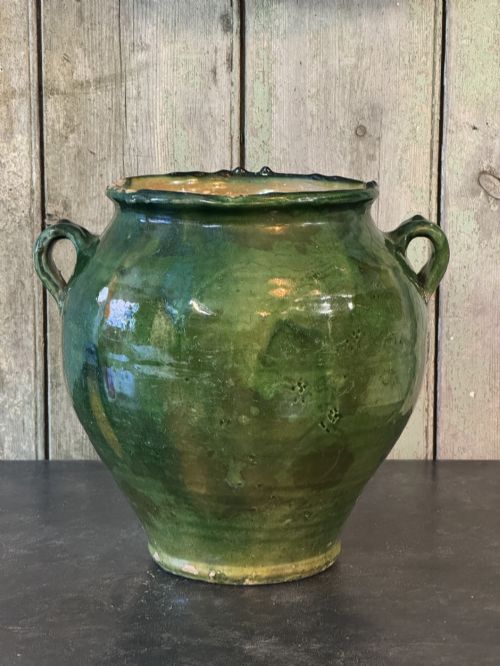
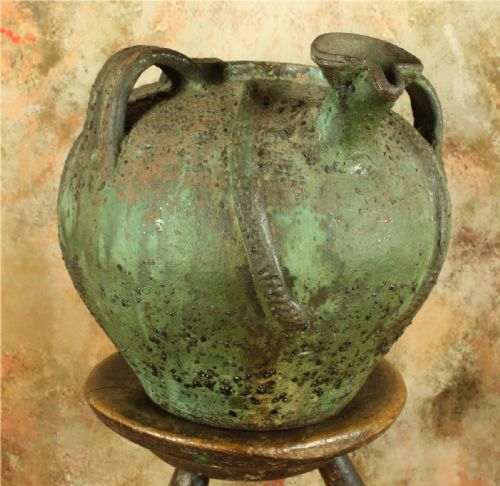
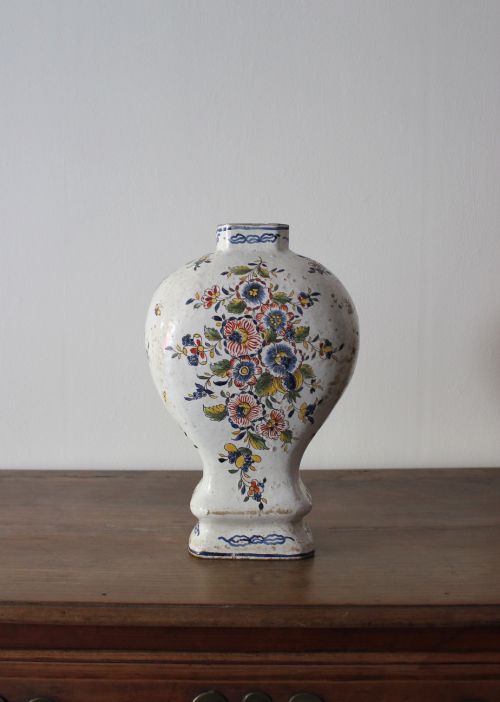
These vintage glazed urns are ornamental ceramic vessels that bring colour and texture to a room, appearing in forms from French confit jars to majolica planters.
Vintage Glazed Urns
Vintage glazed urns encompass a diverse selection of ceramic, earthenware and stoneware vessels designed for display rather than utility. When buyers search for vintage glazed urns, they encounter pieces spanning the eighteenth through to the twentieth centuries, originating from British, French, Italian and Asian workshops.
The most common examples on this page are European ceramic and pottery vessels featuring distinct surface finishes, ranging from French olive jars to art pottery vases. These pieces often arrive shaped as handled urns, lidded jars and jardinieres suited for interior display.
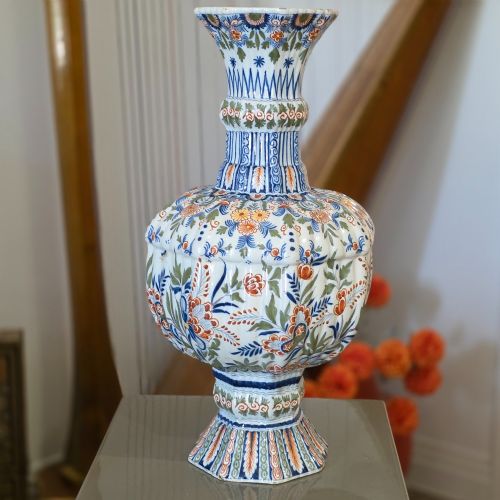
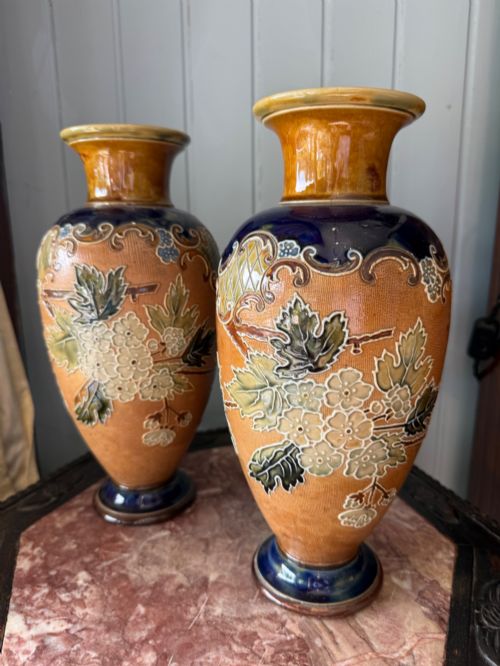
Periods represented stretch from eighteenth-century delftware to early twentieth-century art pottery by factories such as Royal Doulton and Bretby. Forms shift between classical silhouettes and organic Art Nouveau contours.
Materials and construction
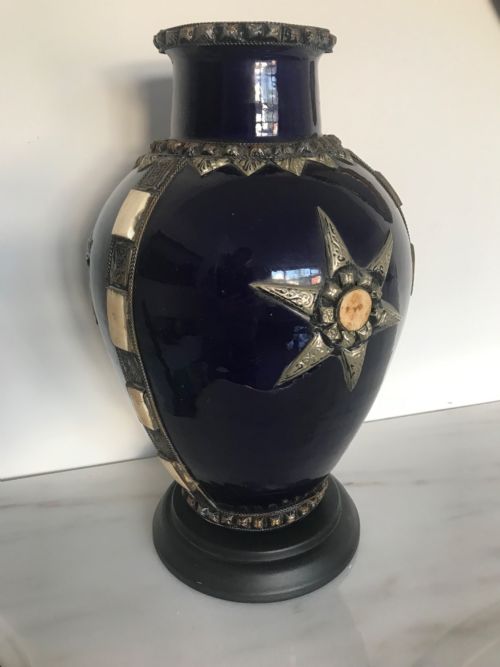
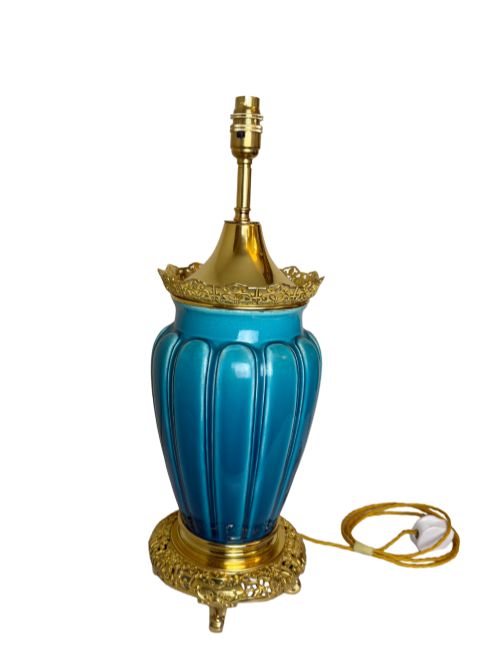
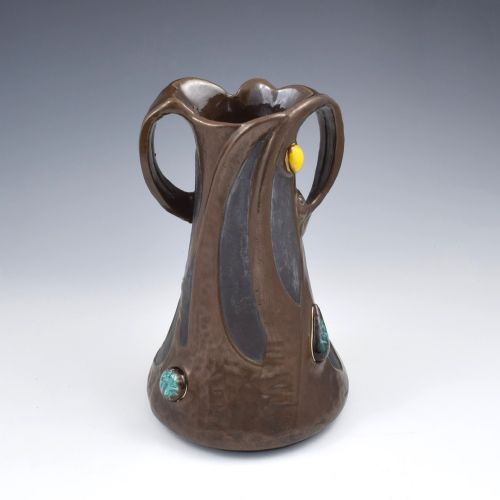
Makers formed these vessels using local clays, earthenware, terracotta and heavy stoneware, shaping them on a potter's wheel or pressing them into moulds. Metal mounts in brass, ormolu and silver cabochons frequently accompany the ceramic bodies.
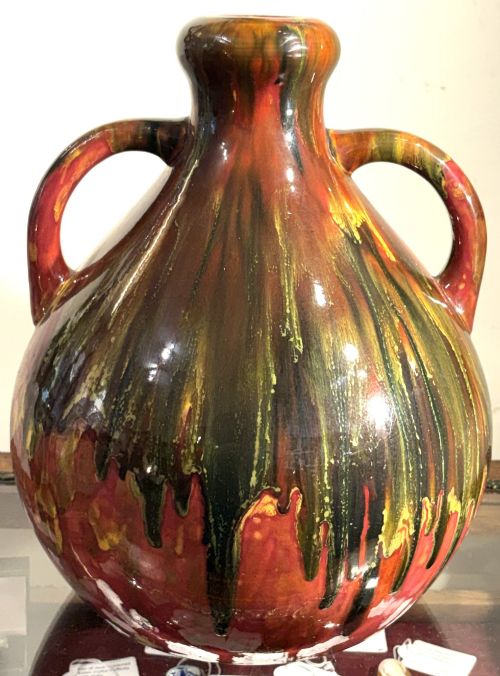
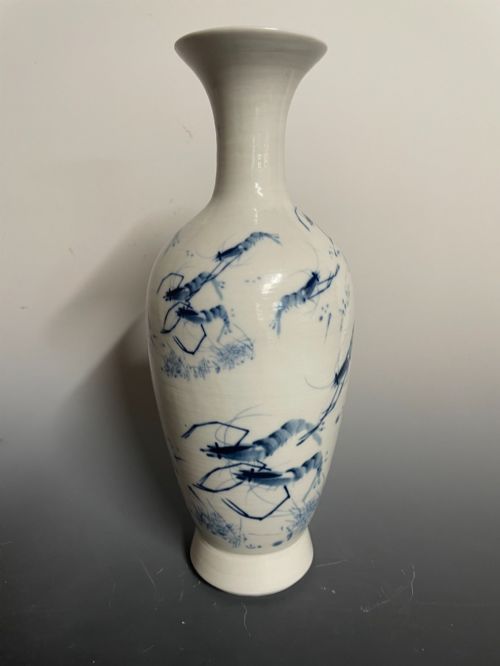
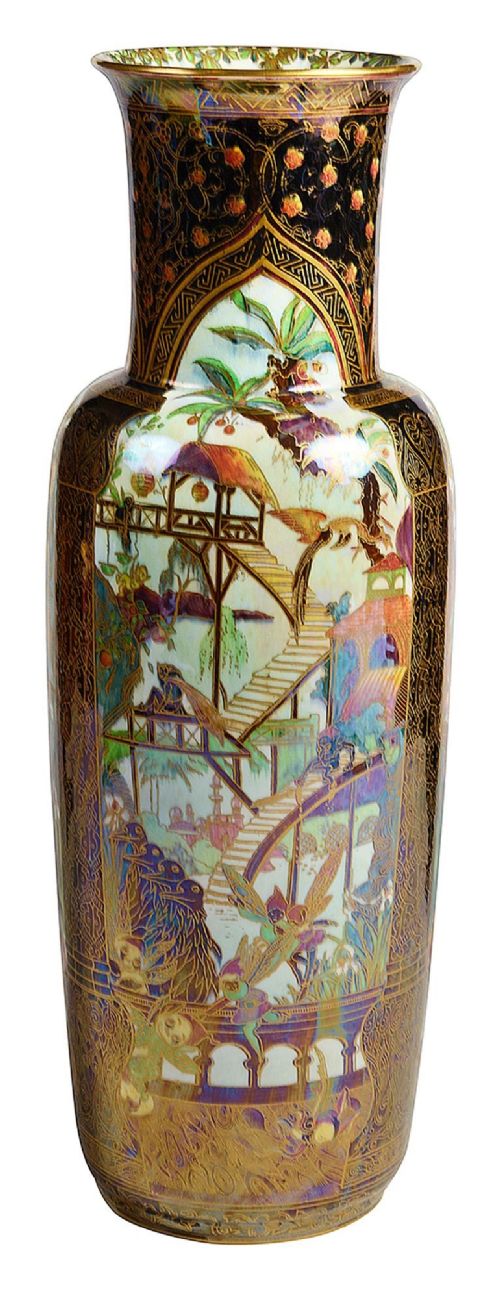
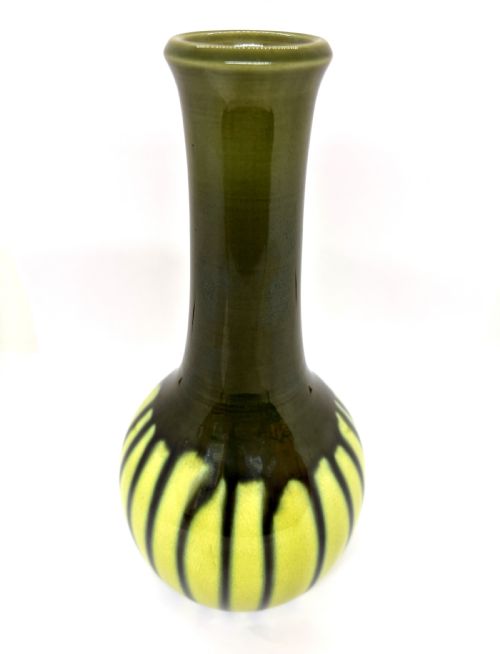
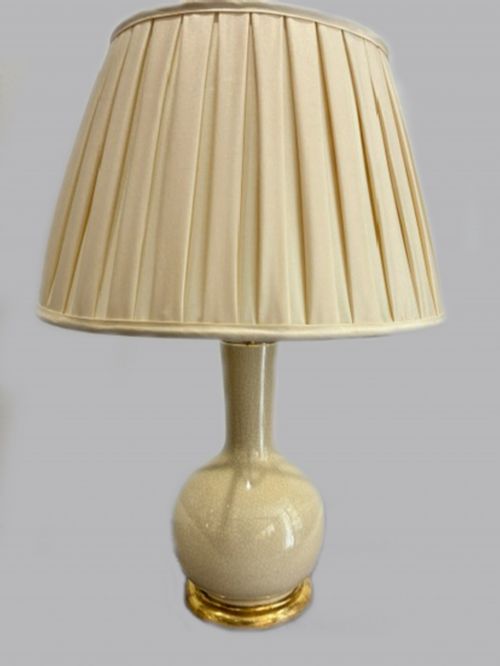
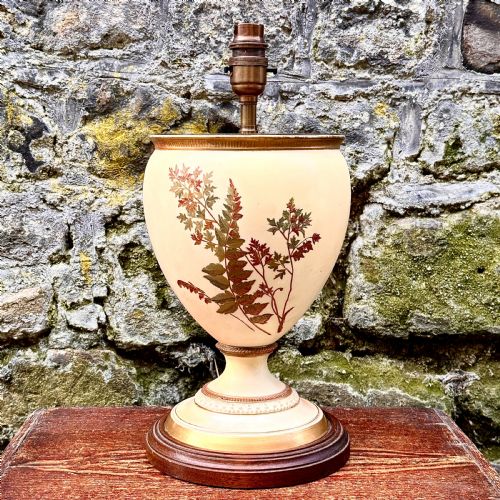
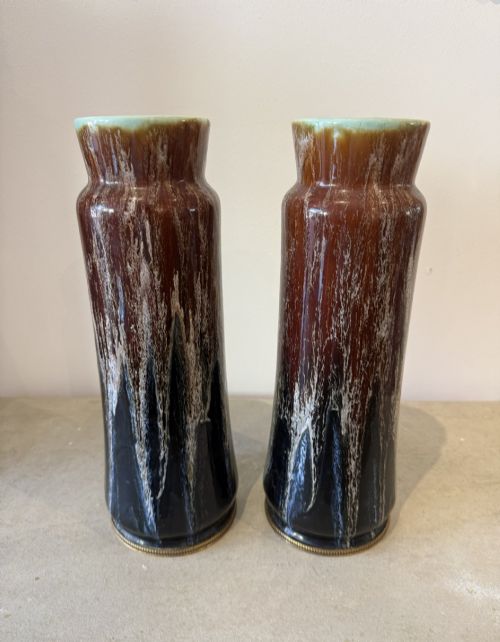
Glazing defines the surface appearance, utilising liquid mineral mixtures that vitrify during firing to produce crackle effects, drip glazes, lustre finishes and deep cobalt blues. Some pieces incorporate hand-painted details or raised jewelled cabochons before final kiln firing.
Materials range from simple terracotta and earthenware to complex lustre glazes, bronze mounts and silver cabochons.
Distinguishing quality in the range
Quality rests in the depth and consistency of the glaze application, where controlled drip effects and lustrous sheens denote superior kiln control. The crispness of moulded or hand-modelled details, such as figural bases and applied mounts, separates standard production from exceptional studio work.
Provenance and attribution also elevate a piece, with named designers and established potteries commanding greater interest than unmarked wares. The preservation of original surface patinas and companion pairs further distinguishes the better examples.
Daisy Makeig-jones·Royal Doulton·Burmantoft's Pottery·Zsolnay Pecs·Royal Worcester·Boch Freres·Bretby Pottery·Doulton Lambeth·TG Green·Brannam·Mettlach Pottery·Minton·Dee Filter Company·Gallilleo Chini·Robert T Lallement·Carlton Ware
The Vintage Glazed Urns Glossary
- Jardiniere
- A large ornamental pot or stand designed to hold growing plants or flowers. They often feature matching pedestals or figural supports.
- Confit Pot
- A traditional French earthenware jar featuring a glazed upper section and unglazed lower body, historically used for preserving food. These pots typically include one or two side handles.
- Majolica
- A type of earthenware coated with an opaque white tin glaze and painted with brightly coloured metallic oxide designs. It experienced a revival during the Victorian era.
- Lustre
- A ceramic glaze that produces an iridescent metallic sheen through the reduction of oxygen in the kiln. It creates a shifting play of light across the surface.
- Cabochon
- A polished, convex gemstone or ceramic jewel without facets, frequently applied as a decorative mount to pottery and porcelain vessels.
Vintage Glazed Urns: Frequently Asked Questions
How do I date an antique ceramic urn?
Dating relies upon identifying factory marks, glaze types and stylistic markers like Art Nouveau curves or Victorian majolica decoration. Comparing the clay body and potting technique to known production periods also helps narrow the decade.
Makers often stamped or painted identifiers on the base, though unmarked pieces require stylistic comparison with documented examples from the same region and era.
Were these urns used for plants?
Many larger vessels and jardinieres served practical roles holding indoor plants or cut flowers in period homes. Others, such as lidded jars and decorative urns, remained strictly ornamental centrepieces.
French confit pots and olive jars held provisions before finding new life as decorative interior objects, while delft and lustre vases functioned primarily as display pieces.
How should I clean a glazed ceramic vase?
Dusting with a dry, soft cloth safely removes everyday accumulation without risking fragile antique surfaces. Avoid harsh chemical cleaners and abrasive scrubbing pads that might damage aged glazes.
If washing is necessary for unmounted vessels, use lukewarm water and mild soap, ensuring the piece dries thoroughly afterwards to protect any porous terracotta or earthenware areas.
What is the difference between earthenware and stoneware?
Earthenware uses porous clay fired at lower temperatures, requiring a glaze to achieve watertightness. Stoneware employs denser clay fired at higher heats until the material itself becomes vitrified and non-porous.
Stoneware generally offers greater weight and durability, whereas traditional earthenware displays softer body characteristics often seen in antique French and Italian pottery.