

Vintage Glass Pendant Shade
These vintage glass pendant shade examples bring period charm to ceilings, offering versatile illumination through traditional materials.
What vintage glass pendant shade pieces are
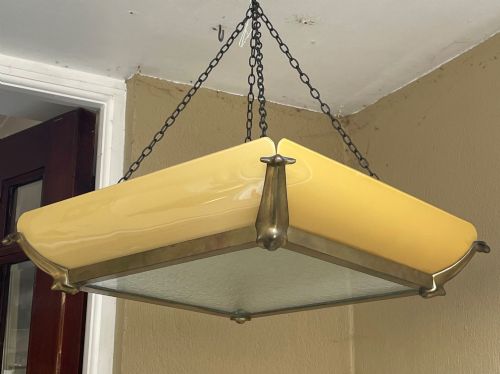
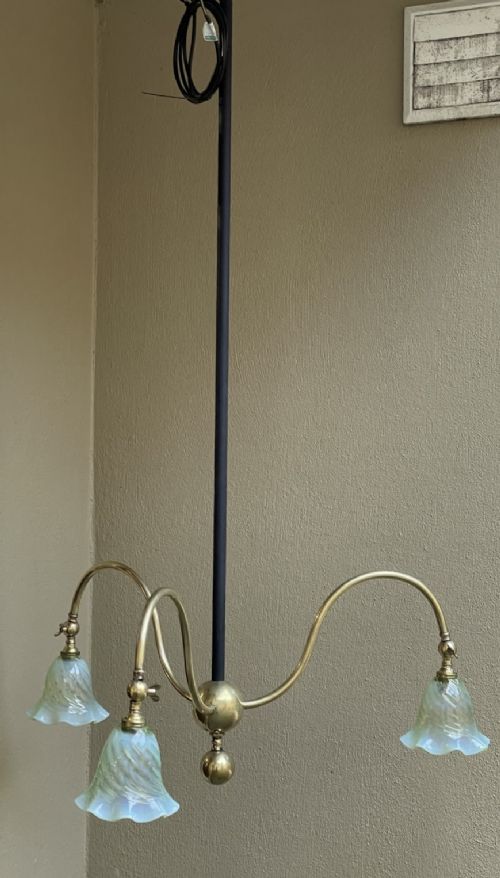
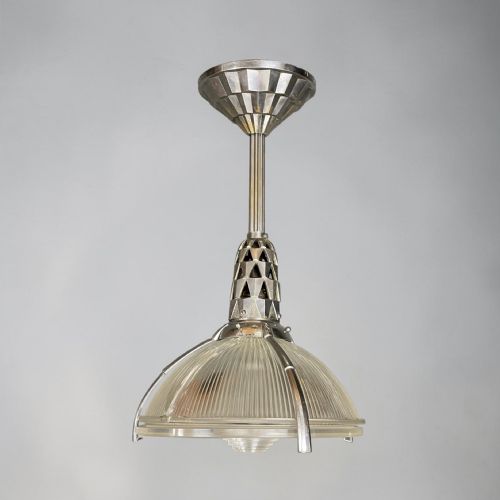
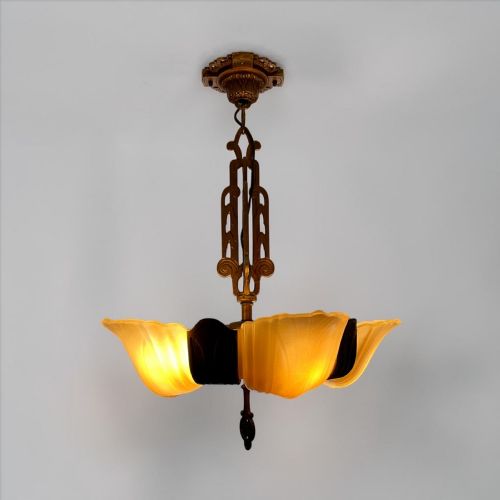
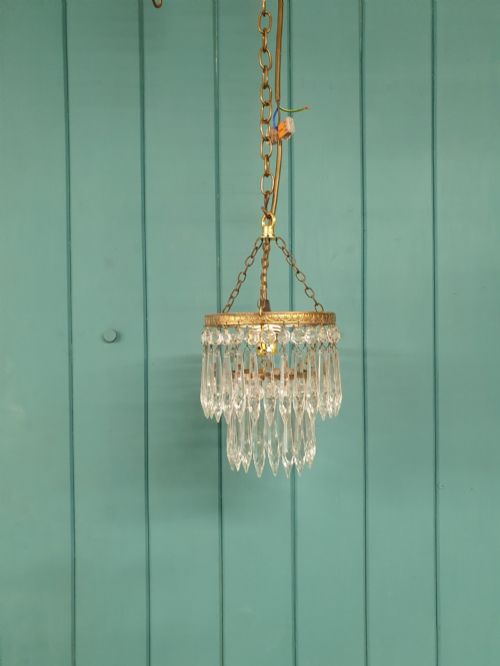
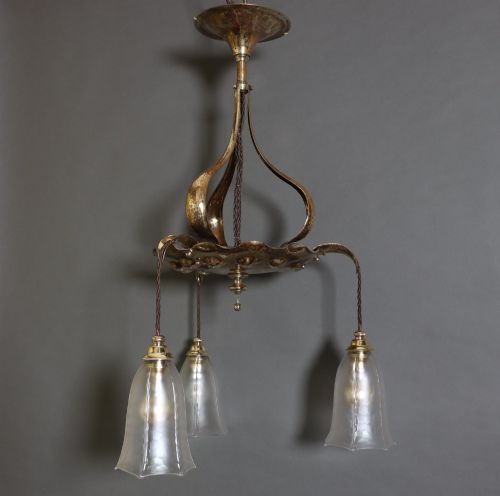
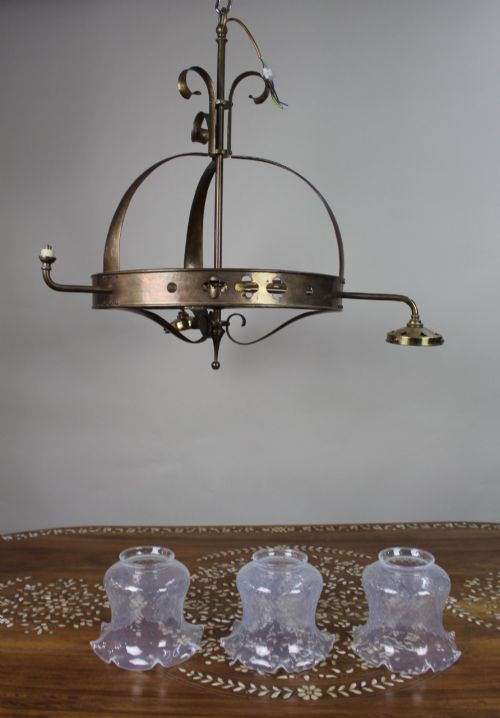
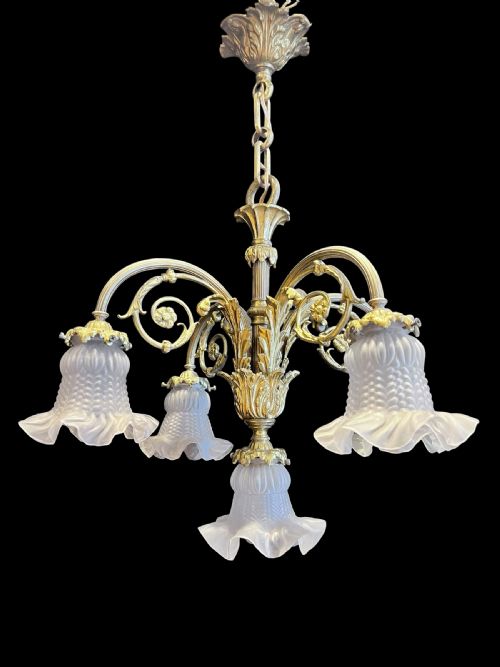
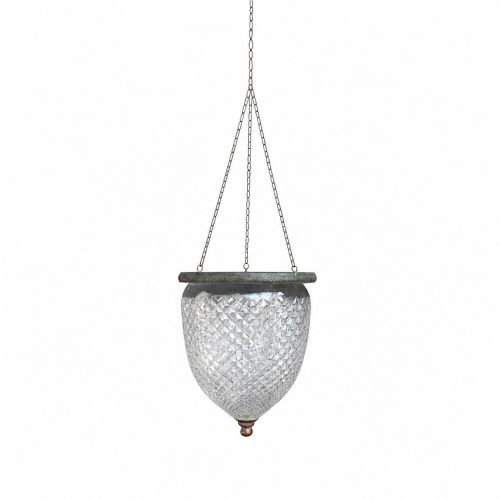
A vintage glass pendant shade forms the glass element of a ceiling light or hanging lamp, filtering and diffusing interior light. These pieces appear in Edwardian, 1910, and 1920 periods, showing Victorian and Edwardian style influences across lamp shades, ceiling lights, and pendant lights.
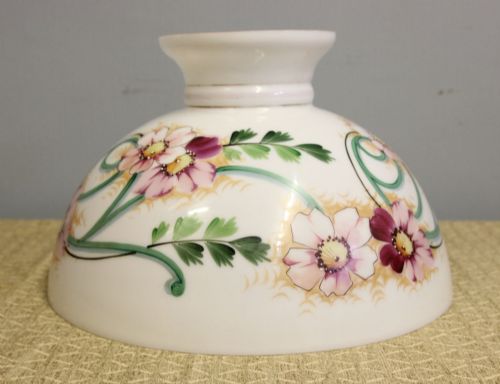
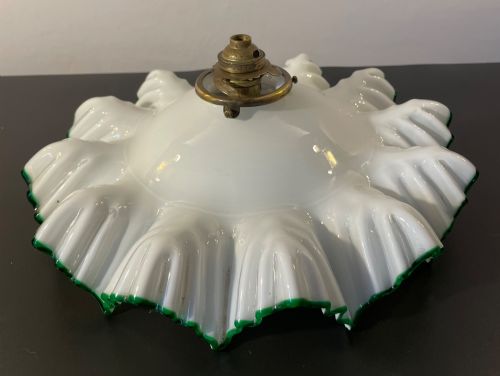
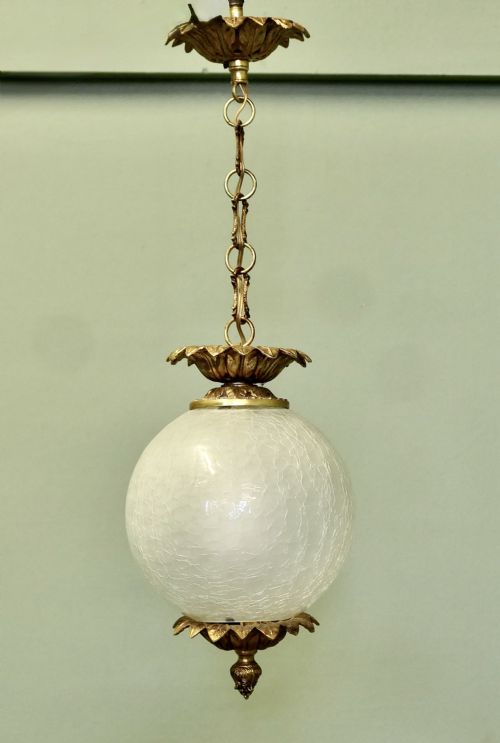
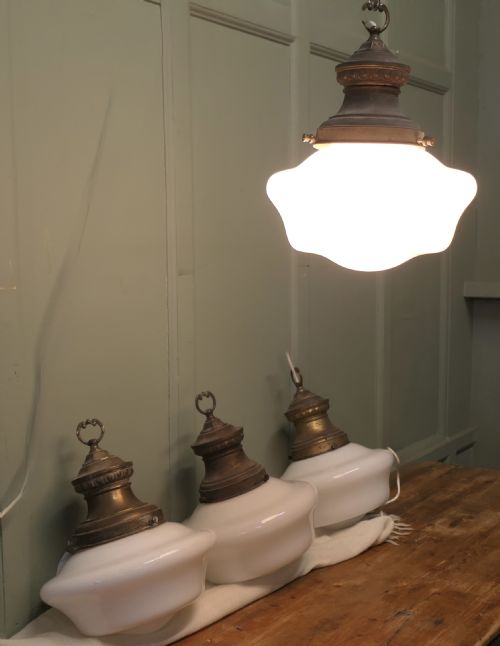
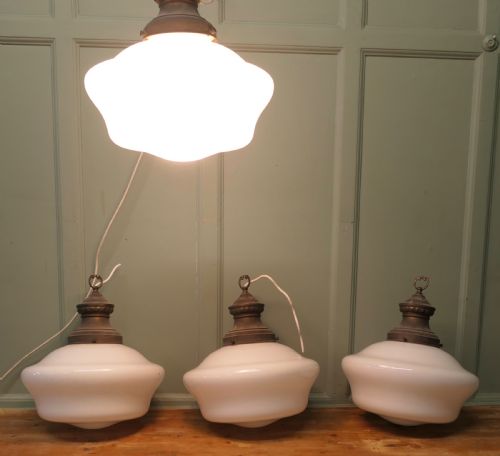
The common forms on this page include opaline painted hanging oil lamp shades, cut glass dish lights, and paired glass lamp shades from the early 1900s. Such items typically serve overhead lighting functions in domestic spaces, suspended by chains or fixed mounts.
How they were made
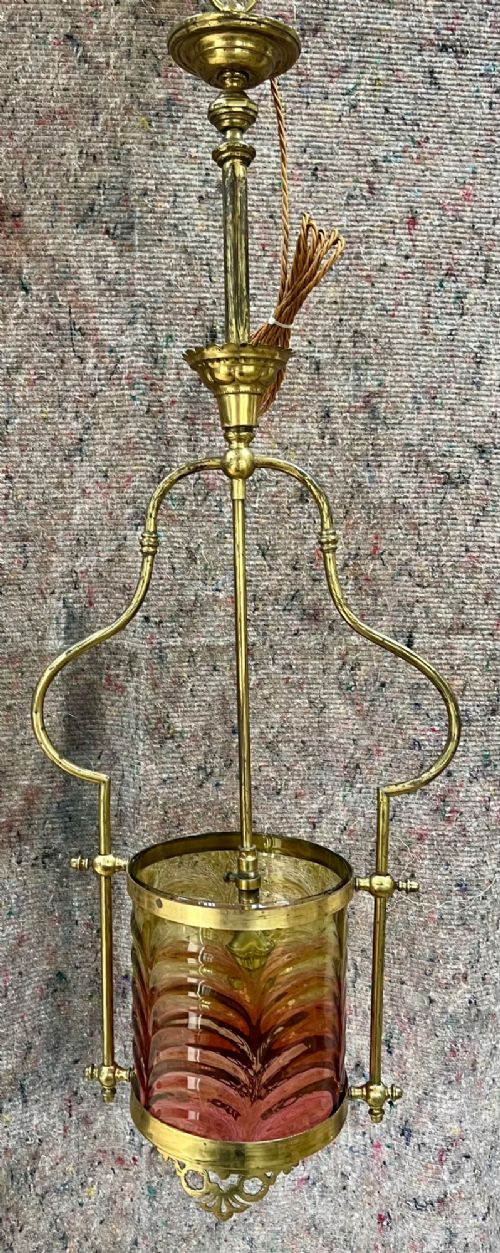
Makers utilised various glass types including cut glass, frosted glass, pressed glass, opaline glass, and crystal, often shaped into distinct lamp shade forms. Metal components such as brass and silver plate provide structural mounts, hanging chains, and decorative rims.
Surface treatment involves hand painting on opaline glass bodies alongside precise cutting techniques applied to crystal and heavy glass. Individual components demonstrate period manufacturing methods combining glassware production with metal plating.
Current listings span the Edwardian period, 1910, and 1920, utilising cut, frosted, pressed, and opaline glass alongside brass and silver plate.
What varies in quality
Distinctions in quality often rest upon the clarity and depth of the glass cutting, alongside the crispness of any painted decoration applied to the surface. Heavier glass bodies and refined metal mounts in brass or silver plate indicate superior manufacture.
The presence of matching pairs elevates certain ceiling light configurations, while individual dishes or oil lamp shades rely on the purity of the opaline or crystal material to determine their decorative impact.
The Vintage Glass Pendant Shade Glossary
- Opaline Glass
- A translucent or opaque white glass often utilised for decorative lamp shades. It softens direct bulb glare while casting an even glow.
- Cut Glass
- Glassware decorated by grinding and polishing facets onto the surface. This technique produces refractive patterns when light passes through the shade.
- Pressed Glass
- Glass formed by pressing molten material into a metal mould using a plunger. This process allows repeatable patterns and consistent wall thicknesses.
- Silver Plate
- A base metal layer coated with a thin layer of silver. It provides a reflective metallic finish for mountings and hanging hardware.
- Pendant Light
- A light fixture that hangs from the ceiling by a cord, chain, or metal rod. These fittings position the glass shade centrally within a room.
Frequently Asked Questions
What periods do these glass shades come from?
The available pieces originate from the Edwardian era, alongside specific dates around 1910 and 1920. Victorian style influences also appear across these examples.
Such dates reflect early twentieth-century domestic lighting trends and manufacturing techniques.
What materials make up these pendant lights?
Construction relies primarily on glass types such as cut glass, frosted glass, pressed glass, opaline glass, and crystal. Metal elements feature brass and silver plate for mounts and fittings.
These combined materials support both the optical qualities of the shade and the structural hanging requirements.
How were opaline glass shades decorated?
Certain opaline hanging oil lamp shades feature hand-painted surface details applied directly to the white glass body. This ornamental work adds colour and individual character to the fitting.
Painting techniques varied by workshop during the early 1900s production period.
Are these glass shades found in pairs?
Yes, matching pairs of early 1900s glass lamp shades occur within the selection. These grouped items offer coordinated lighting options for larger spaces.
Paired shades share identical glass manufacturing traits and physical dimensions.