


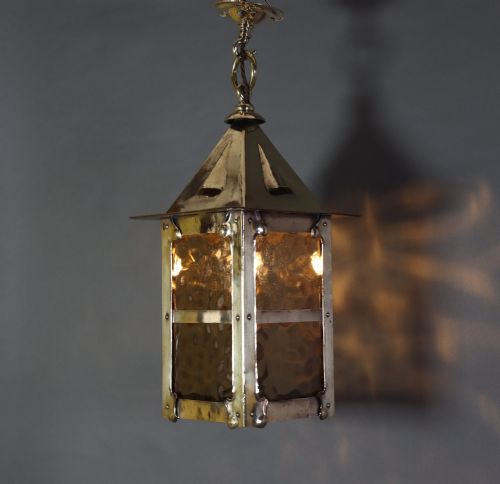
Vintage Glass Hanging Light
A vintage glass hanging light brings a warm, suspended glow to a hall or room, combining period metalwork with hand-formed glass.
Vintage Glass Hanging Light
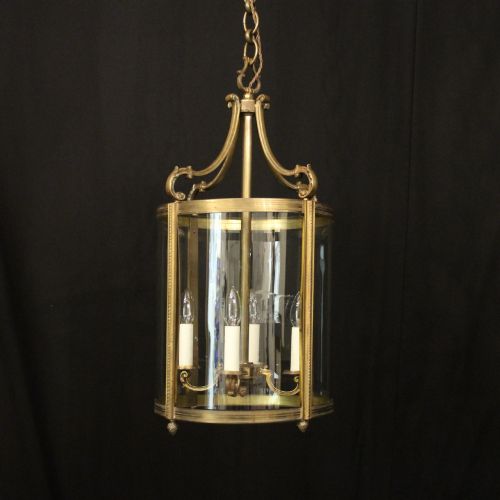
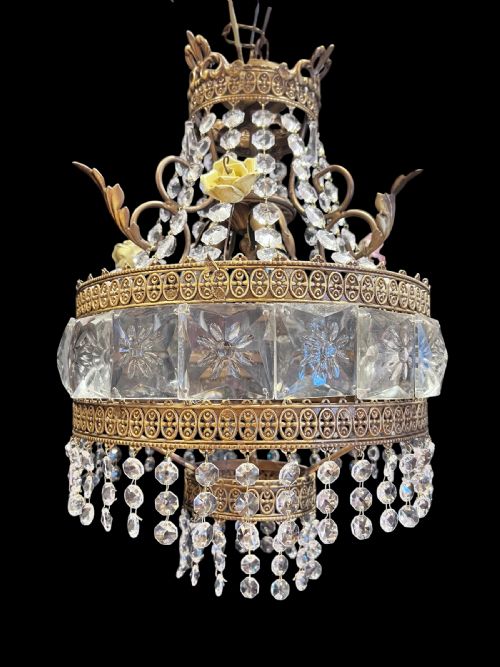
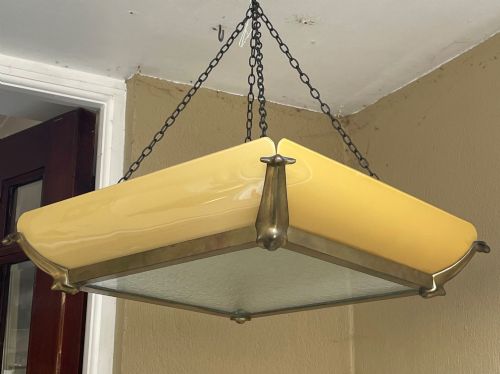
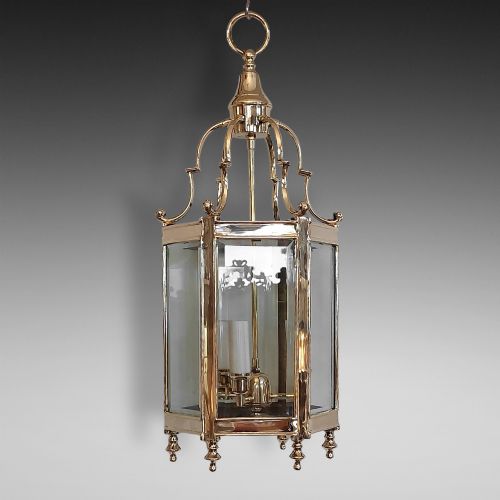
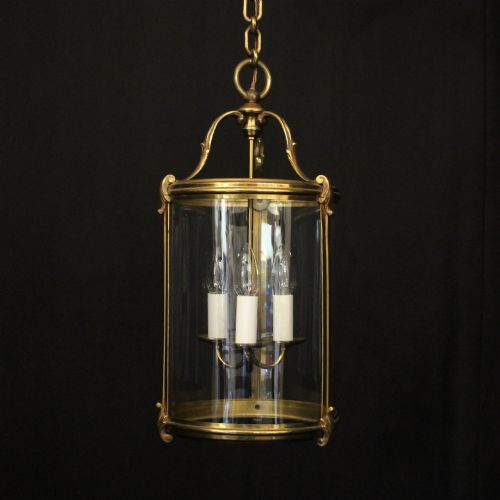
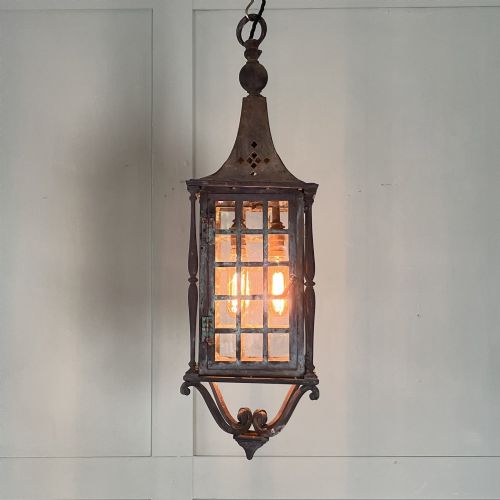
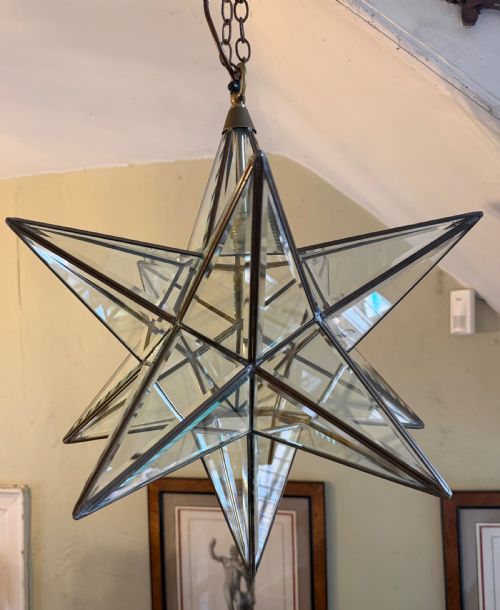
When you search for a vintage glass hanging light, you encounter a variety of ceiling-hung fixtures spanning from the Victorian era through the 1930s. The most common forms on this page include brass-framed lanterns, glass globes, and multi-light chandeliers utilising cut glass or opaline panels.
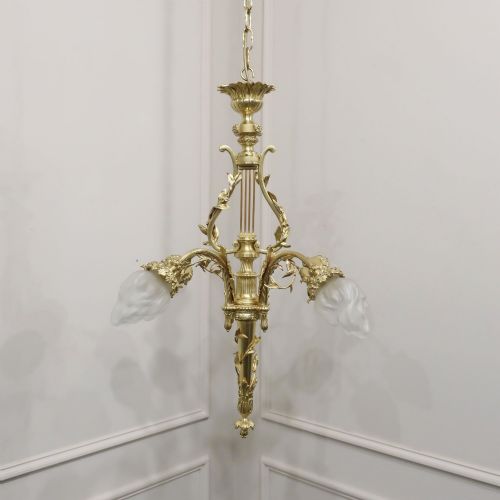
Originating across England, France, and Italy, these pieces reflect distinct regional tastes, from French Neoclassical gilt bronze to practical Arts and Crafts copper and brass. They served primarily as functional illumination for hallways, stairwells, and principal rooms, retaining their original domestic purpose today.
How they were made
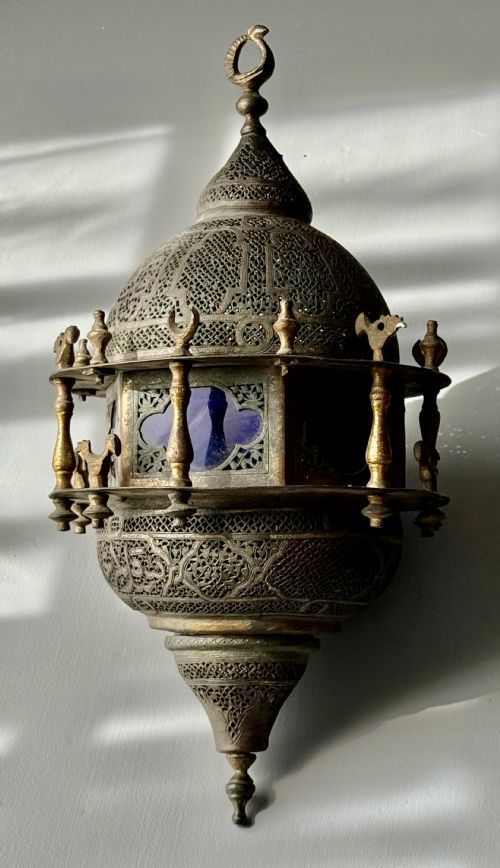
Makers constructed the primary framework using cast brass, gilt bronze, copper, and iron, often shaping the metal into hexagonal, round, or pierced geometric lanterns. Frames were fitted with bevelled, leaded, etched, or opaline glass panels held securely by internal glazing bars and clasps.
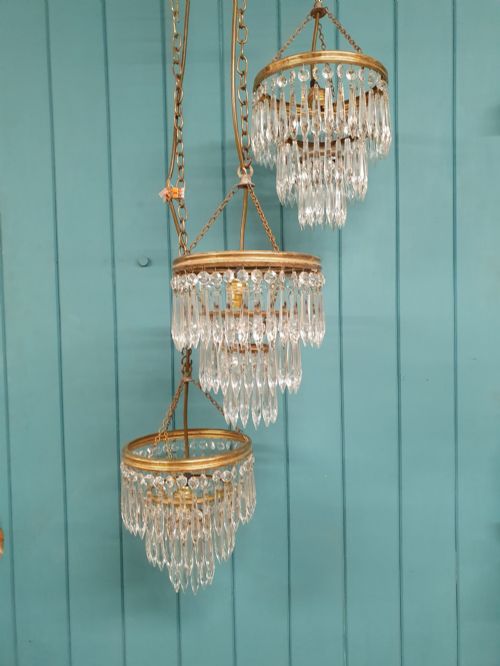
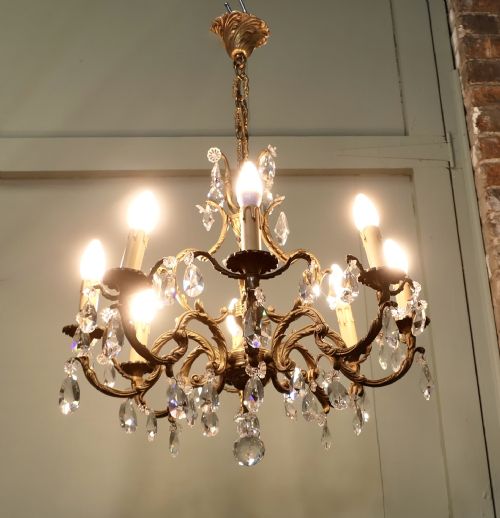
Crystal lustres, droplets, and porcelain floral elements were added to more ornate chandeliers, suspended by wire pin connections. Wiring channels and oil fonts were integrated directly into the metal body depending on the decade of production.
Vintage Glass Hanging Light Retail Price Guide 2026
Typical asking prices for vintage glass hanging light among the pieces listed under this phrase on Sellingantiques today, from the lower quarter to the upper quarter. They describe what is for sale here now, not the wider market.
Several lanterns include tiny hinged access doors originally designed for reaching inside to light or snuff candle or oil flames.
What varies in quality
The weight and casting definition of the brass or gilt bronze frame dictate the base quality of the fixture. Heavier, crisper metalwork with detailed chased ornamentation sits at the top of the range compared to simpler pressed metal components.
The glass quality further distinguishes individual pieces, with heavy bevelled panes, hand-etched motifs, and intact crystal lustres representing superior craftsmanship. Original patination on the metal surfaces and complete, matching components indicate a higher standard of preservation.
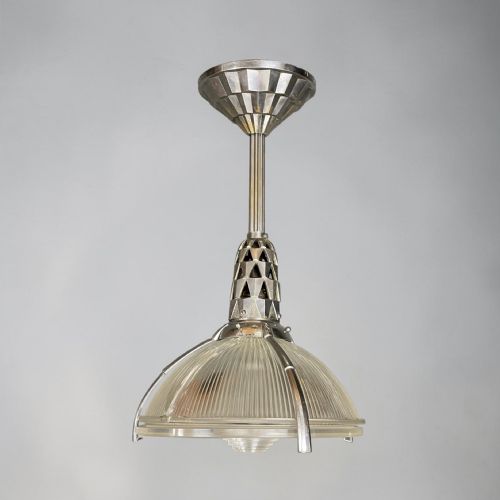
Émile-Jacques Ruhlmann·Holophane
The Vintage Glass Hanging Light Glossary
- Plafonnier
- A bowl-shaped ceiling light fixture mounted flush or close to the ceiling. This French form typically directs illumination downwards through patterned or opaline glass.
- Lustre
- A cut crystal pendant or droplet hung from a chandelier or lantern to reflect light. These elements are often attached via small wire loops.
- Opaline glass
- An opaque, milky-white glass popular in lighting during the late nineteenth and early twentieth centuries. It softens bulb glare into a diffused glow.
- Hall lantern
- An enclosed hanging light designed specifically for narrow entrance spaces and corridors. They frequently feature glazed sides and hinged access doors.
- Gilt bronze
- Bronze metal treated with a gold-coloured finish or mercury gilding. It provides a rich, metallic sheen that resists tarnishing over decades.
Vintage Glass Hanging Light: Frequently Asked Questions
How do I hang a heavy brass lantern safely?
Suspension requires fixing directly into ceiling joists using a rated ceiling hook capable of supporting the combined weight of the metal frame and glass panels.
Heavier pieces demand a chain secured with a load-bearing link rather than relying purely on the electrical flex.
Can these old lights use modern electrical bulbs?
Most antique fixtures accept standard modern screw or bayonet bulbs once checked by a qualified electrician for safe wiring.
Internal lampholders can usually be updated to meet current safety standards while preserving the exterior metal and glass components.
How do I clean delicate glass and brass frames?
Dust glass panels gently with a dry microfibre cloth and use a mild soapy solution on removable glass parts without submerging wired metal components.
Avoid harsh commercial metal polishes on antique brass and bronze to protect the accumulated historic surface patination.
How do I distinguish Edwardian lights from Victorian ones?
Victorian designs tend to favour heavier proportions, darker copper or cast brass, and ornate Gothic or classical revival motifs. Edwardian fixtures often shift toward lighter brass frames and simpler geometric lines influenced by early Arts and Crafts ideals.