



Vintage Glass Drinks Tray
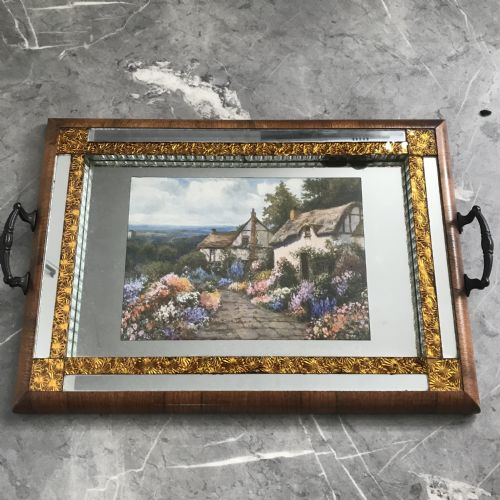
These vintage glass drinks trays bring genuine period glamour to your home bar, pairing reflective surfaces with classic frames.
Vintage Glass Drinks Tray
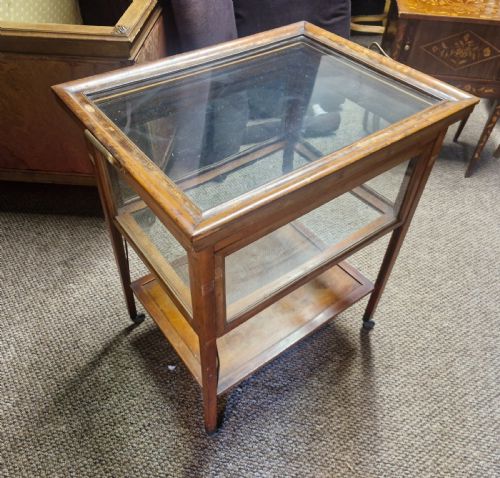
A vintage glass drinks tray delivers both practical function and decorative style, serving cocktails, liqueurs, and teas with unmistakable period character. When you search for vintage glass drinks tray, you encounter items spanning the Georgian, Victorian, Edwardian, and Art Deco eras, alongside forms like tea trolleys and drinks cabinets.
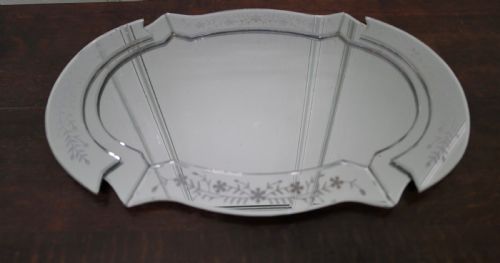
The most common versions on this page combine mirrored or cut glass with framing materials such as mahogany, walnut, chrome, brass, and silver plate. These pieces range from simple rectangular servers to novelty barware and Venetian mirror trays with integrated handles.
Materials and construction
Makers combined reflective mirror glass and etched or cut glass plates with structural surrounds of mahogany, walnut veneer, macassar, and silver-plated or chrome metal. Handles were cast in brass, copper, or chrome, secured firmly to wooden or metal galleries to support heavy decanters and glassware.
Surface decoration relied on techniques such as bevelling, surface etching, and hand-cut facets on the glass, paired with polished timber veneers or plated metal mounts. Trays often incorporated secondary supports of brass or silver plate to elevate the glass surface above the table.
Vintage Glass Drinks Tray Retail Price Guide 2026
Typical asking prices for vintage glass drinks tray among the pieces listed under this phrase on Sellingantiques today, from the lower quarter to the upper quarter. They describe what is for sale here now, not the wider market.
Among the glassware and polished timber sits a novelty barware tray depicting the unmistakable face of Charlie Chaplin.
Judging quality and craft
Quality shows in the weight and clarity of the glass, the crispness of any cut or etched decoration, and the stability of the frame joints. Superior examples feature thick bevelled mirror plates that resist foxing and robust metal or timber surrounds that remain rigid under weight.
The sophistication of the hardware and secondary materials distinguishes finer items, such as heavy silver plating over a solid metal base, genuine wood veneers like walnut or macassar, and securely mounted handles that show no looseness.
Elkington
The Vintage Glass Drinks Tray Glossary
- Art Deco
- A design style dominant in the 1920s and 1930s characterised by geometric symmetry, stylised motifs, and modern industrial materials like chrome and mirror glass.
- Edwardian
- The period spanning the reign of King Edward VII, noted for lighter furniture forms and refined decorative arts that followed Victorian heavy styles.
- Regency
- An early nineteenth-century British style known for classical restraint, elegant proportions, and fine cabinetmaking influences.
- Silver Plate
- A base metal layer coated with a thin layer of pure silver, widely used for durable serving ware and decorative mounts.
- Veneer
- A thin layer of superior wood adhered to a secondary wood base to provide a decorative surface figure, seen on walnut and macassar pieces.
Vintage Glass Drinks Tray: Frequently Asked Questions
How do I clean a mirrored drinks tray?
Clean the glass surface gently with a soft cloth and a mild glass cleaner, avoiding harsh abrasives that can damage silvered mirror backing.
Keep moisture away from any wooden frames or metal mounts by drying edges immediately after wiping.
Are these trays safe for daily use?
Most sturdy vintage glass drinks trays handle everyday serving of bottles and glasses easily, provided you lift them by their handles rather than edges.
Heavier items like decanter sets require careful placement to protect both the glass base and the supporting surface.
How do I date an Art Deco mirror tray?
Look for characteristic geometric motifs, stepped corners, and modernist materials like chrome, copper, or peach-tinted mirror glass typical of the 1920s and 1930s.
The backing boards, screw types, and construction methods also help confirm the manufacturing era.
What is foxing on a mirror tray?
Foxing refers to the small brown spots and patches that develop as the silver backing of old mirrors degrades due to age and humidity.
Many collectors accept light foxing as a sign of genuine age and authentic period character.