





1930s Drinks Tray
These 1930s drinks tray examples bring genuine interwar style to any home bar, combining practical service with striking geometric forms.
1930s Drinks Tray
A 1930s drinks tray serves as both a functional piece for entertaining and a definitive example of Art Deco and Modernist design. When exploring this selection, buyers frequently encounter serving trays configured for cocktails, spirits, and glassware.
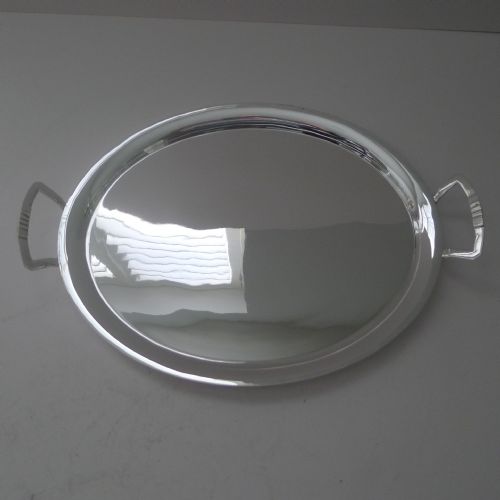
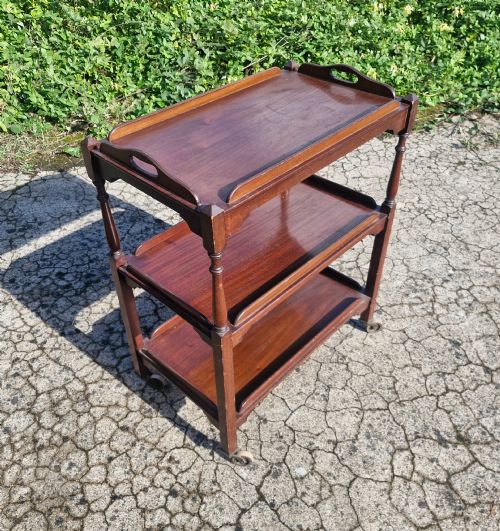
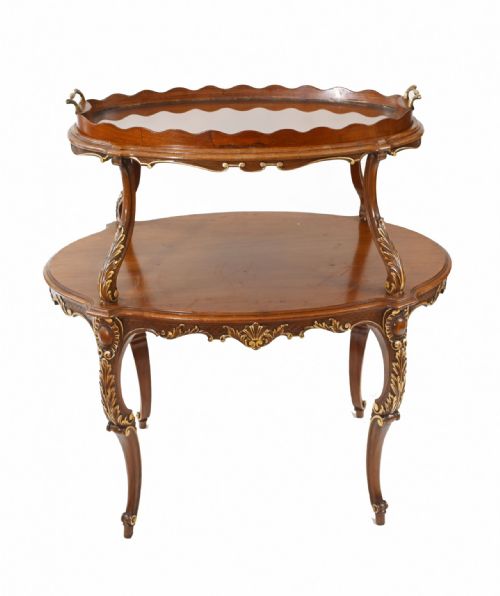
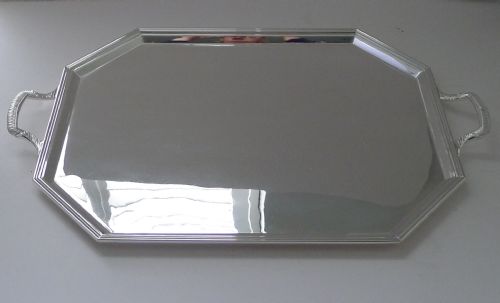
The prevailing styles bridge strict geometric lines and occasional Rococo Revival flourishes, reflecting the eclectic taste of the period. Forms range from simple rectangular platters to oval salvers and tiered occasional tables adapted for service.
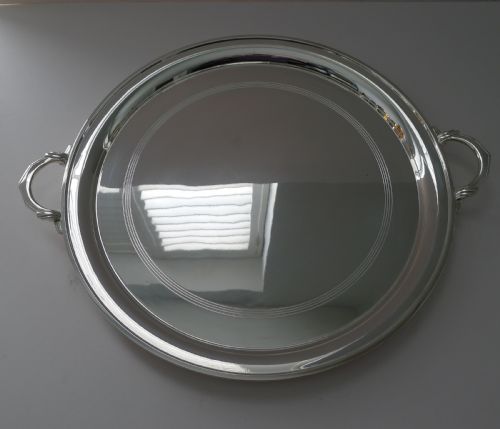
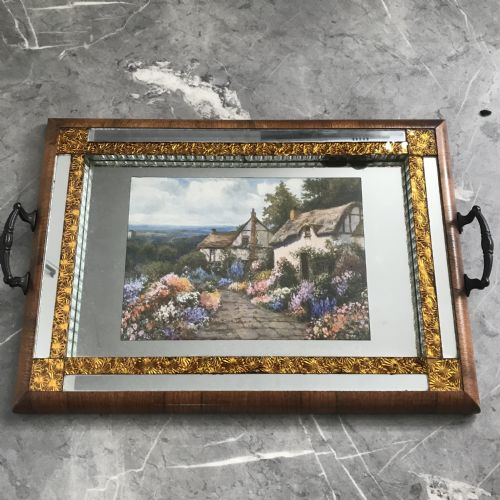
Origins span British workshops, French studios, and Italian makers, with sterling silver, silver plate, and mirrored glass dominating the available configurations. These pieces capture the social rituals of the interwar period, designed specifically to hold decanters, glasses, and barware.
Distinguishing quality across pieces
Quality rests in the weight of the metal base, the clarity and thickness of the mirrored glass, and the precision of the joinery in wood-veneered examples. Pieces produced by distinguished silversmiths exhibit superior heft and refined handle construction.
Surface preservation separates standard examples from exceptional ones, particularly regarding the integrity of silver plating, the sharpness of etched glass details, and the stability of veneers like walnut or Macassar.
1930s Drinks Tray Retail Price Guide 2026
Typical asking prices for 1930s drinks tray among the pieces listed under this phrase on Sellingantiques today, from the lower quarter to the upper quarter. They describe what is for sale here now, not the wider market.
The inventory combines sterling silver, silver plate, and chrome with mirrored glass, walnut, and Macassar veneers.
Keith Murray For Mappin & Webb·J B Chatterley & Sons·Hukin & Heath·Asprey, London
The 1930s Drinks Tray Glossary
- Art Deco
- A design style characterised by sleek geometric shapes, stylised motifs, and modern industrial materials. It dominates the aesthetic of interwar serving pieces.
- Salver
- A flat tray, usually made of silver or silver plate, traditionally used for serving drinks or presenting items. They often feature raised rims or decorative scrolled borders.
- Silver plate
- A base metal coated with a thin layer of silver through electroplating. This technique allowed manufacturers to produce durable tableware with the appearance of solid silver.
- Macassar
- A dense, dark tropical timber featuring distinct blonde or brown streaks. It was frequently utilised in high-end French veneer work during the interwar period.
- Etched glass
- Glass decorated by applying acid to create frosted designs or patterns. This technique provided ornamental borders and central motifs on mirrored trays.
1930s Drinks Tray: Frequently Asked Questions
How do I clean a mirrored drinks tray?
Clean the mirrored surface gently with a soft cloth and standard glass cleaner, taking care not to let moisture seep beneath the edges of the frame.
For silver or chrome mounts, use an appropriate metal polish applied sparingly to avoid damaging any surrounding wood veneer or painted glass details.
Are these trays suitable for daily use?
Most pieces are robust enough for occasional serving, though antique silver plate and delicate mirrored glass benefit from mindful handling during gatherings.
Many collectors prefer to display them permanently on sideboards or bar carts as decorative surfaces rather than putting them into heavy daily rotation.
What defines the Modernist style in these trays?
Modernist pieces strip away ornamental flourishes in favour of unadorned geometric shapes, clean lines, and functional industrial materials like chrome and plain glass.
This approach reflects the interwar shift towards efficiency and sleek machine-age aesthetics in domestic accessories.
How do I identify a piece from this era?
Look for characteristic materials such as heavy chrome, etched mirror glass, and exotic wood veneers paired with distinct geometric or stepped Art Deco forms.
Silver examples often bear period hallmarks, while stylistic cues like novelty barware motifs point directly to the design language of the 1930s.