





1930s Novelty Barware
These 1930s novelty barware pieces bring spirited Art Deco character to the home bar, offering clever conversation pieces that collectors prize for their witty designs.
1930s Novelty Barware
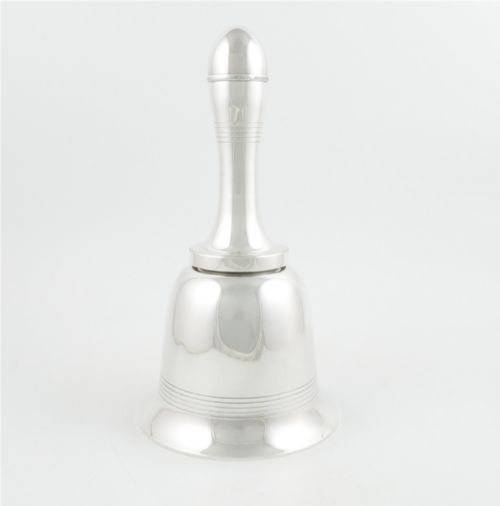
When you search for 1930s novelty barware, you encounter whimsical cocktail shakers, cocktail stick sets, and serving trays designed to amuse guests. The pieces on this page heavily feature French and English origins from the Art Deco period.
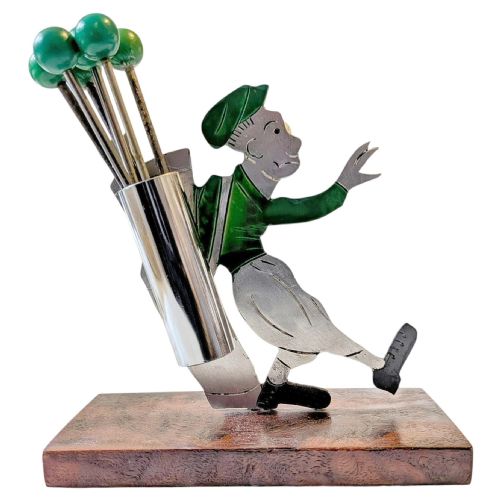
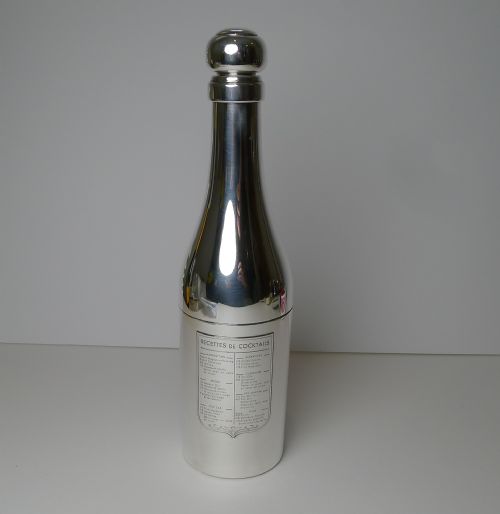
Cocktail shakers shaped like milk churns or champagne bottles dominate the drinkware, alongside enamelled glass rooster vessels. Meanwhile, cocktail stick sets often depict comical figures like golfers or Charlie Chaplin.
Materials and Construction
Wood also appears in the construction of trays and accessory stands, combining with metal elements to provide sturdy daily utility. The manufacturing techniques unite playful sculptural forms with functional twentieth-century hospitality.
1930s Novelty Barware Retail Price Guide 2026
Typical asking prices for 1930s novelty barware among the pieces listed under this phrase on Sellingantiques today, from the lower quarter to the upper quarter. They describe what is for sale here now, not the wider market.
Listings feature items from the 1920 and 1930 periods, incorporating materials such as wood, chrome, Bakelite, enamel, silver plate, metal, plastic, and glass.
Determining Quality
Superior examples display crisp casting in the figural elements, ensuring that character details remain sharp and expressive. The retention of original enamel and silver plating distinguishes finer pieces from heavily worn alternatives.
Makers such as Asprey or Sudre bring a higher level of finish to their metalwork and fitted stands. The integrity of the Bakelite and the clarity of the enamelled glass further separate standard production from exceptional finds.
Asprey And Co·Sudre
The 1930s Novelty Barware Glossary
- Art Deco
- A design style characterised by sleek lines, geometric shapes, and modernist influences. It dominated decorative arts throughout the 1920s and 1930s.
- Bakelite
- An early form of synthetic plastic prized for its durability and rich colour range. Makers utilised it extensively for handles and bases during the interwar period.
- Silver Plate
- A thin layer of silver applied to a base metal object to provide a lustrous finish. It allowed manufacturers to create luxury items at a more accessible scale.
- Barware
- Utensils and vessels specifically designed for preparing and serving alcoholic drinks. In the 1930s, this category expanded to include humorous novelty items for entertaining.
1930s Novelty Barware: Frequently Asked Questions
What is 1930s novelty barware?
These objects are functional drinking accessories and serving pieces shaped into humorous or unusual forms, such as figures, animals, or everyday objects. They reflect the playful entertaining culture of the interwar years.
Items range from cocktail shakers designed as champagne bottles to toothpick holders featuring golfers or film stars.
How do I identify Art Deco barware?
Look for streamlined silhouettes, stylised figural motifs, and modern industrial materials like chrome and Bakelite. The geometry of the design usually points directly to the 1930s aesthetic.
Enamelled glass and silver-plated finishes are also common hallmarks of this era's cocktail accessories.
How were these cocktail items used?
Hosts utilised these pieces during cocktail parties to mix drinks and present appetisers or garnishes with theatrical flair. Novelty items served as icebreakers and conversation starters for guests.
Shakers prepared the drinks, while themed stick sets offered toothpicks for olives and fruit.
Can I still use these vintage items?
Most silver-plated and glass items remain functional for occasional entertaining if handled with care. Hand washing helps preserve delicate enamel and vintage metal surfaces.
Bakelite parts should also be kept away from dishwashers to maintain their structure and colour.