
Vintage Glass Dish
When you handle a vintage glass dish, you hold a tangible piece of domestic artistry shaped by decades of dining and dressing table traditions.

Vintage Glass Dish
A vintage glass dish encompasses a wide range of functional and decorative vessels intended for domestic use, from butter dishes and cheese covers to trinket boxes and centrepieces. Buyers seeking this phrase encounter items spanning the Victorian and Edwardian eras through to the Art Deco and Mid-Century Modern periods.
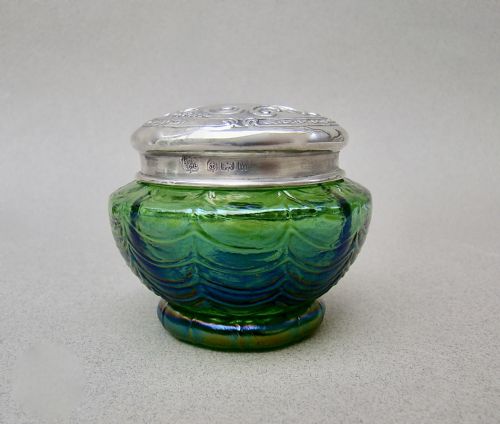
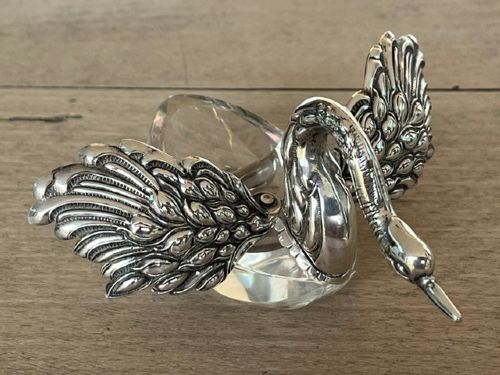
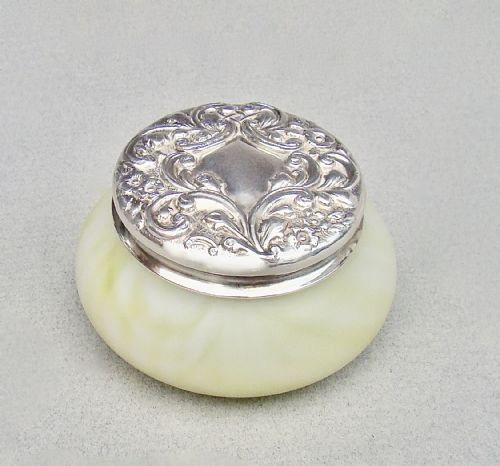
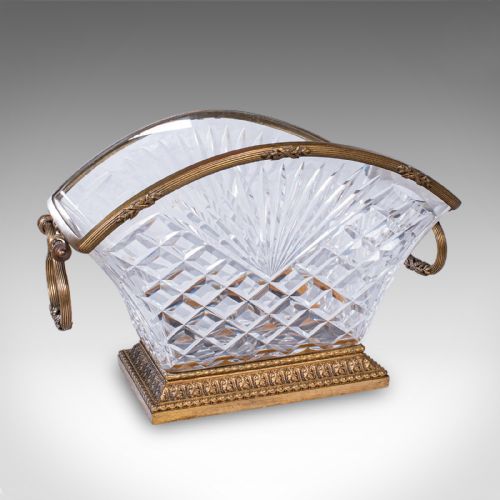
The physical forms include heavy cut crystal bowls, opalescent plates, lidded dresser jars fitted with sterling silver mounts, and mounted ormolu presentation pieces. French, English, and Italian makers dominate the offerings, bringing distinct national tastes in glassblowing and metal mounting to the table.
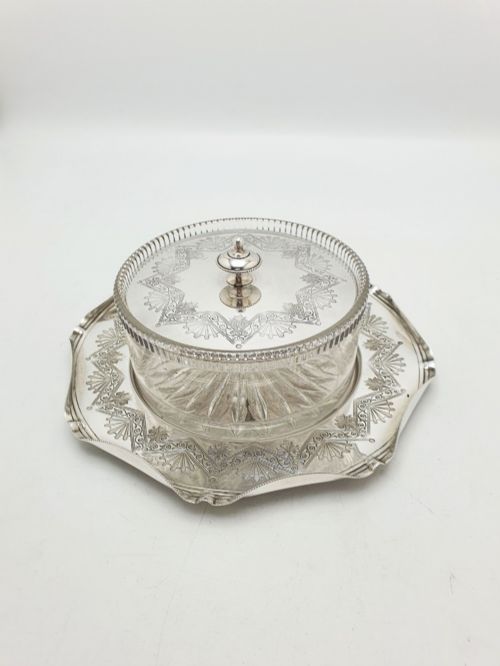
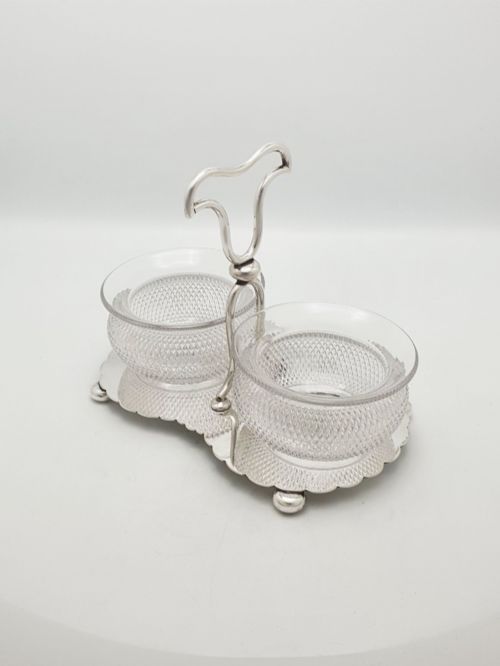
Most examples combine pressed or hand-blown glass with metal elements such as brass, silver plate, or solid sterling silver. These vessels served practical roles in serving preserves, butter, and condiments, or sat upon dressing tables to hold small valuables.
How they were made
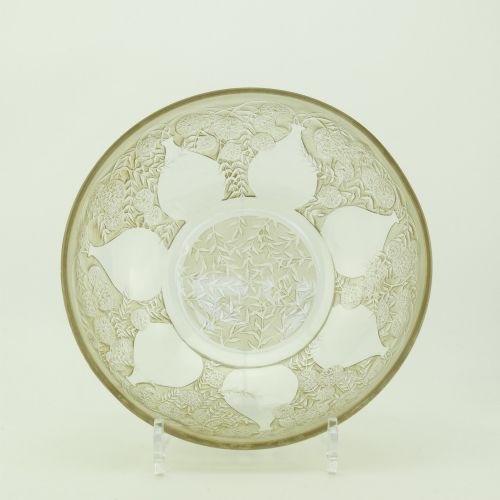
Makers utilised heavy lead crystal and standard glass, shaping them through moulding, hand-blowing, and deep wheel-cutting to achieve faceted geometric patterns or organic curves. Opalescent and satin glass techniques produced milky, translucent effects that caught light differently depending on the chemical composition of the batch.
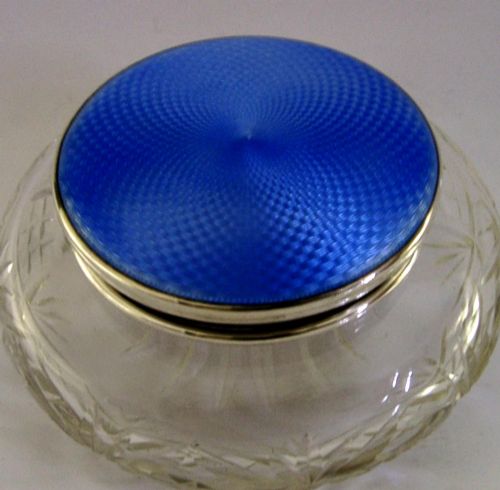
Many glass liners and bowls were paired with metalwork, integrating sterling silver lids, silver-plated stands, and gilt bronze frames cast in ornate French Empire or Art Nouveau styles. Enamel work, such as blue enamel applied over silver mounts, added contrasting colour to the transparent and reflective surfaces of the glass.
Specialised techniques like millefiori and pâte de verre appear in specific studio and factory pieces, incorporating multi-coloured glass canes or finely powdered glass fused in kilns to create dense, textured patterns.
Listings feature periods from the Georgian era through to Mid-Century Modern, executed in cut glass, sterling silver, crystal, and opalescent glass.
What varies in quality
The standard of cutting and clarity in the crystal sets the baseline for quality, where deep, crisp wheel-cut facets reflect light sharply compared to soft, rounded mould seams. The weight and thickness of the glass vessel indicate the grade of raw materials and the skill required during the blowing or pressing process.
The integration and hallmarking of accompanying metal elements determine the standing of fitted pieces, such as sterling silver lids bearing clear maker marks and assay office stamps from Birmingham or Chester. Finer mounts utilise cast ormolu and gilt bronze with chased detailing rather than thin, stamped silver plate.
Rene Lalique·Venini·Daum France·Hukin and Heath·A. J. Pepper & Co·A. Bromet & Co·WMF·Kosta
The Vintage Glass Dish Glossary
- Plafonnier
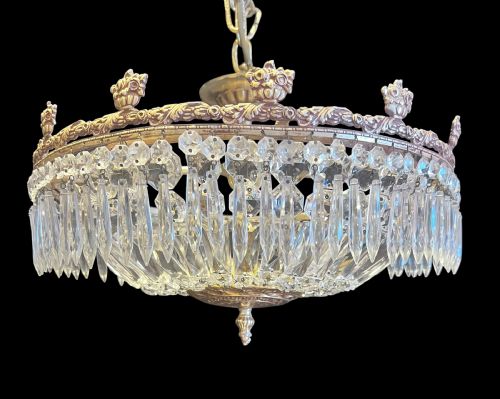
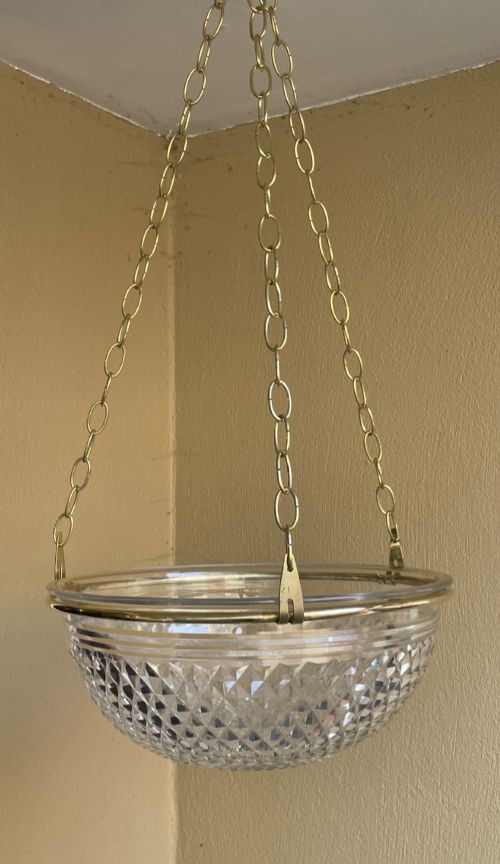
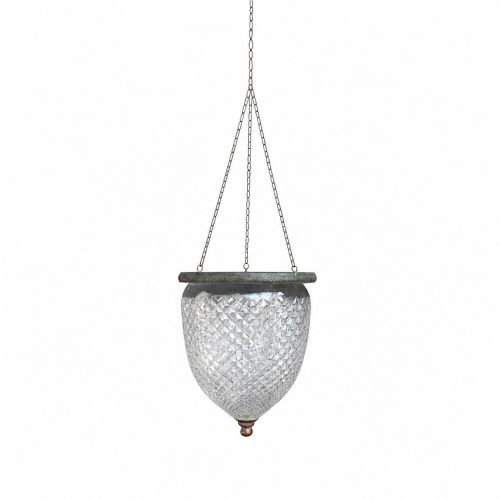
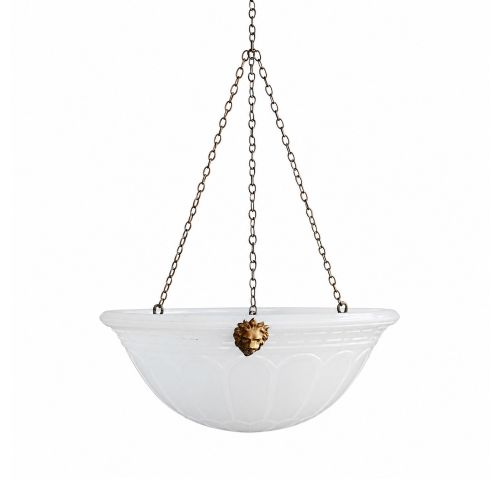
- A ceiling light bowl or dish mounted directly against the ceiling fixture, often cast in frosted, cut, or coloured glass during the early twentieth century.
- Opalescent glass
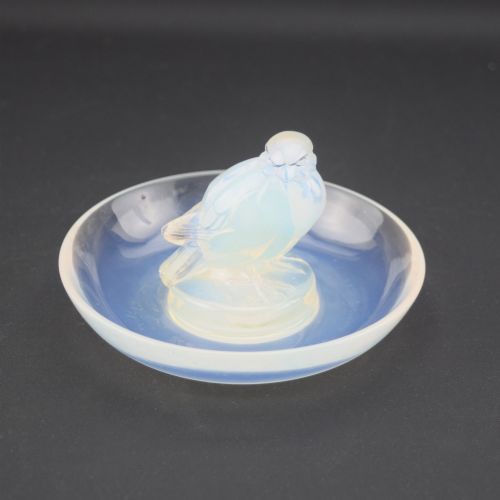
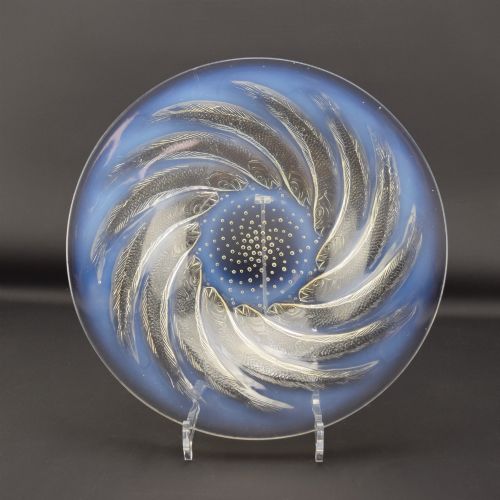
- A type of glass that displays milky, bluish highlights when viewed by transmitted light and warm amber tones by reflected light, frequently utilised in Art Deco decorative plates.
- Ormolu
- Gilt bronze ornamentation applied to mounts, stands, and frames, common in French Empire and Victorian decorative metalwork.
- Millefiori
- A glasswork technique producing distinctive multi-coloured mosaic patterns through the bundling and slicing of glass canes.
- Pâte de verre
- A glass-casting method involving finely crushed glass packed into a mould and fused in a kiln to produce a dense, textured object with a frosted finish.
Vintage Glass Dish: Frequently Asked Questions
What are vintage glass dishes?
These pieces are decorative and functional glass vessels created for dining tables, sideboards, and dressing tables across the nineteenth and twentieth centuries. They encompass lidded boxes, serving bowls, and centrepieces.
Many examples feature mixed media construction, pairing pressed or cut glass with sterling silver, silver plate, or gilt bronze mounts produced by European workshops.
How do I identify Art Deco glass?
Art Deco glass typically displays stylised geometric motifs, clean symmetrical lines, and opalescent or frosted finishes. Look for moulded signatures or distinct vessel shapes associated with the interwar period.
These pieces often incorporate contrasting metal mounts in chrome, silver, or brass that reflect the modernist aesthetic of the nineteen-twenties and nineteen-thirties.
How were silver lidded dishes used?
Silver lidded dishes functioned primarily on dressing tables as trinket boxes for holding jewellery and small personal items, or on dining tables for preserves and butter.
The metal lids were frequently hallmarked with town marks and maker stamps, indicating the exact year of manufacture and the silversmith responsible for the mount.
How do I clean antique glass?
Clean antique glass gently using lukewarm water and mild soap, avoiding abrasive cloths or harsh chemical detergents that can scratch the surface or damage mounted metalwork.
If the piece includes sterling silver or silver plate, keep liquids away from glued joints and dry the metal components immediately to prevent tarnishing or corrosion.