


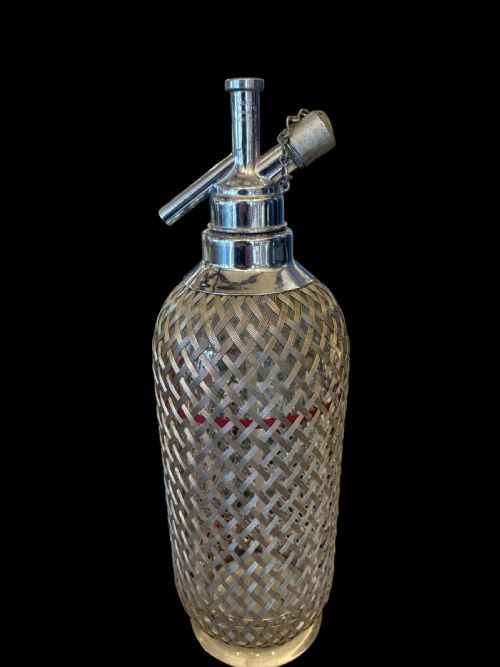


Vintage Glass Cover
These vintage glass cover selections range from protective display domes to lidded vessels, designed to preserve and showcase delicate items.
Vintage Glass Cover
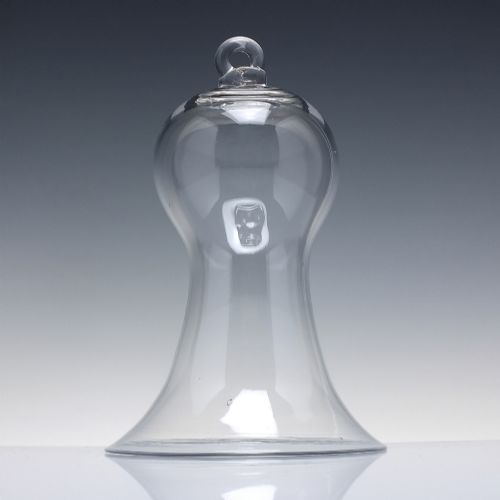
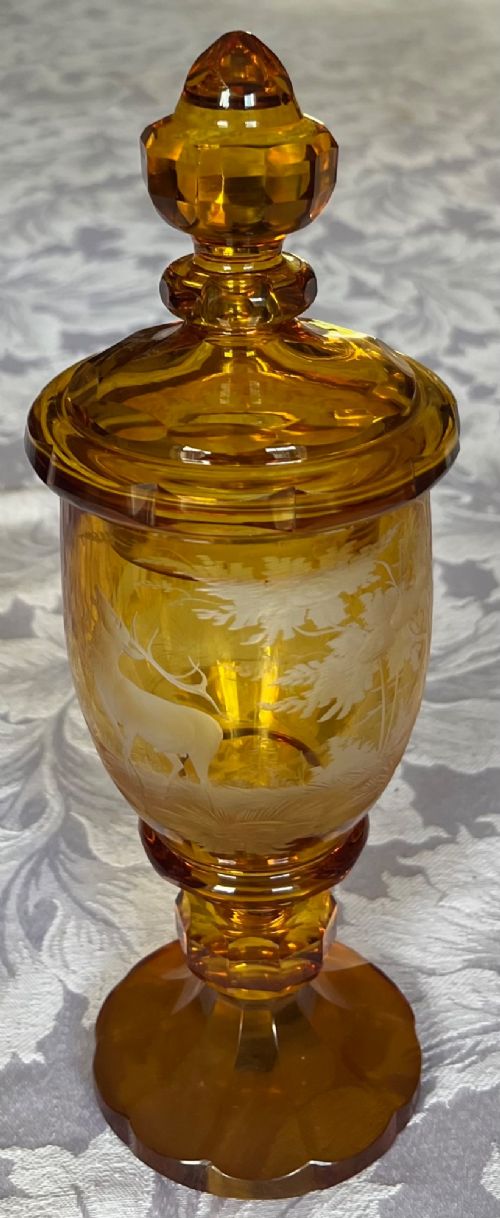
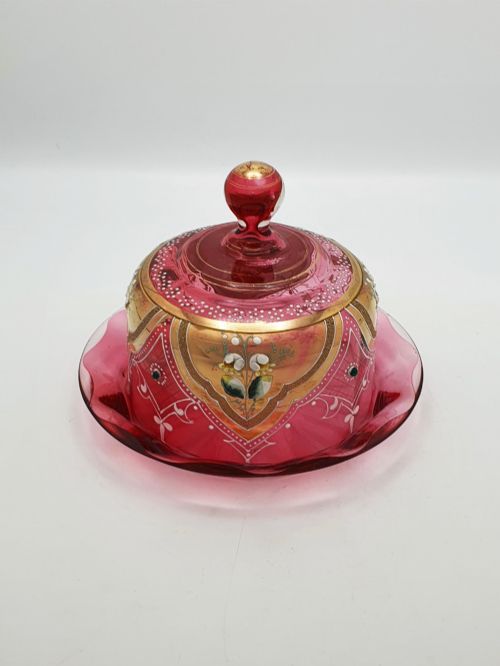
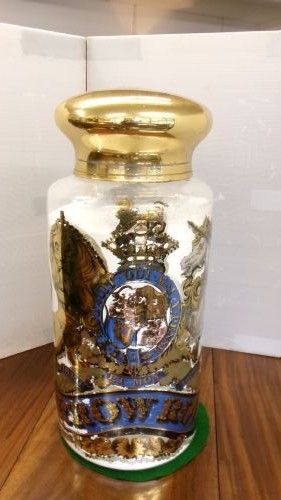
A vintage glass cover encompasses several distinct forms, most notably tall display domes and cloches intended to protect taxidermy, clocks, or specimens. Buyers also encounter lidded serving vessels such as butter dishes, cheese covers, and apothecary jars from various eras.
The pieces on this page span the Victorian and Edwardian periods up to the 1930s, featuring English, French, and Bohemian origins. Common mountings include ebonised wood, oak, beech, and silver plate bases.
Materials and construction methods
Glass production relies on blowing and moulding techniques, often finished with hand-cutting, wheel-engraving, or etching to create decorative patterns on vases and punch bowls. Display domes utilise blown glass resting on turned wooden bases made from pine, beech, or oak.
Mounts and covers frequently incorporate silver plate, copper, or sterling silver elements, sometimes paired with leather, fabric, or ebonised wood to secure the glass components.
Vintage Glass Cover Retail Price Guide 2026
Typical asking prices for vintage glass cover among the pieces listed under this phrase on Sellingantiques today, from the lower quarter to the upper quarter. They describe what is for sale here now, not the wider market.
Distinguishing quality across examples
Quality shows in the clarity and weight of the glass, where heavier lead crystal and deeply cut or engraved motifs indicate superior craftsmanship. Hand-blown domes display uniform thickness and minimal distortion across the curve.
The integrity of the accompanying base and hardware matters greatly, as well-fitted silver plate mounts, solid timber bases, and intact internal components elevate the overall standard of the piece.
Baccarat·James Dixon & Sons
The Vintage Glass Cover Glossary
- Cloche
- A bell-shaped glass cover used to protect plants, food, or small objects. It sits directly on a surface or tray.
- Display Dome
- A blown glass cover mounted on a wooden or metallic base, historically utilised to protect clocks, taxidermy, and delicate ornaments from dust.
- Latticinio
- A glass-making technique involving opaque white or coloured glass threads embedded within clear glass to form linear patterns.
- Silver Plate
- A base metal, such as copper or Britannia metal, coated with a thin layer of silver. It appears frequently on butter and cheese dish covers.
Vintage Glass Cover: Frequently Asked Questions
What were glass display domes used for?
Display domes served to protect delicate items such as taxidermy, botanical specimens, and mantle clocks from dust and atmospheric damage in Victorian interiors.
They allowed owners to exhibit fragile curiosities safely while keeping them visible from all angles.
How do I care for vintage glass covers?
Clean glass covers gently using lukewarm water and a mild detergent, avoiding harsh abrasives that might scratch cut or engraved surfaces.
Wooden bases and silver plated fittings require separate, dry dusting or specialised metal care to preserve the materials.
Are all glass domes period items?
The selection includes pieces originating from the nineteenth and early twentieth centuries, constructed with traditional glass-blowing methods.
Checking the base timber, glass weight, and minor bubbles or imperfections helps confirm the age of an antique dome.
What is the difference between a cloche and a dome?
A cloche typically refers to a bell-shaped glass cover designed to rest directly on a tabletop or garden bed without a fixed wooden base.
Display domes usually incorporate a fitted wooden or metal base that anchors the glass cover securely.