

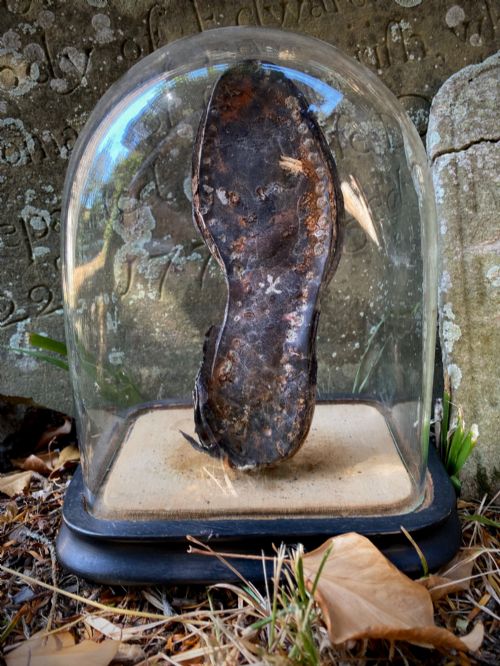


Wooden Base Cloche
A wooden base cloche protects delicate items beneath clear glass, bringing period character and curated display to any room.
Wooden Base Cloche
A wooden base cloche consists of a blown glass cover fitted to a timber foundation, designed to protect and display items ranging from taxidermy to botanical specimens. When searching for a wooden base cloche, buyers encounter pieces primarily from the Victorian and Edwardian eras, alongside later examples from around nineteen twenty.
The forms vary from small collector domes and tall specimen displays to wide showcases built for taxidermy or mantel clocks. Most examples on this page are English in origin, featuring circular or oval profiles paired with wooden bases made from beech, oak, pine, or ebonised wood.
Beyond standard display domes, the selection includes specialised pieces such as glass clock cases and taxidermy showcases containing birds of paradise or beadwork bouquets. These objects served as Victorian parlour ornaments, combining utility with preservation.
Materials and construction
The glass covers are formed by traditional blowing techniques, resulting in clear vessels that sit snugly within turned wooden bases. These timber plinths utilise domestic woods such as oak, beech, and pine, occasionally finished with ebonising for a dark, formal appearance.
Interiors often incorporate functional or decorative linings, including fabric, felt, or organic specimens fixed securely to the wooden foundation. Some bases feature integrated grooves to hold the blown glass dome firmly in place.
Wooden Base Cloche Retail Price Guide 2026
Typical asking prices for wooden base cloche among the pieces listed under this phrase on Sellingantiques today, from the lower quarter to the upper quarter. They describe what is for sale here now, not the wider market.
A solitary electric clock makes a surprise appearance among the birds of paradise and botanical bouquets.
Evaluating craftsmanship and condition
Quality in a wooden base cloche rests upon the clarity and weight of the blown glass, where older pieces often display subtle bubbles and minor surface irregularities. The timber base should exhibit clean turning and appropriate patination that matches the age of the glass cover.
The relationship between the dome and its base dictates the integrity of the piece, with superior examples showing a precise fit without excessive movement. Preserved internal elements like beadwork or taxidermy also influence the desirability of the complete assembly.
A Pollard
The Wooden Base Cloche Glossary
- Cloche
- A bell-shaped glass cover used to protect decorative objects or plants. The term derives from the French word for bell.
- Ebonised wood
- Timber treated with a dark stain or finish to imitate ebony. This treatment was popular during the Victorian period for formal display bases.
- Specimen dome
- A glass cover and base specifically utilised by naturalists and collectors to house botanical or biological samples. These tall enclosures protected fragile items from dust and handling.
- Taxidermy showcase
- A dedicated glass enclosure mounted on a wooden base to display preserved birds or animals. These enclosures often incorporated internal mounts to support the specimen.
- Parlour dome
- A decorative glass display used in nineteenth-century domestic interiors to exhibit ornaments or craftwork. They occupied prominent positions on mantelpieces and tables.
Wooden Base Cloche: Frequently Asked Questions
What fits inside a wooden base cloche?
These glass covers accommodate a variety of objects, including taxidermy specimens, botanical displays, mantel clocks, and beadwork bouquets.
Collectors historically used them to protect delicate interior items from dust and damage in domestic settings.
How do I clean the glass dome?
Lift the glass carefully from its wooden base and wash it using warm soapy water with a soft cloth. Avoid harsh abrasives that might scratch the historical glass surface.
Ensure the glass is completely dry before placing it back onto the timber plinth.
Are the wooden bases original to the glass?
Most period pieces retain their matching wooden foundations, which show consistent wear and patination alongside the glass. Timber bases were turned specifically to fit the individual dimensions of each hand-blown dome.
Checking for uniform age and fit helps confirm the integrity of the combination.
How do I date a glass dome?
Dating relies on characteristics such as the weight and clarity of the glass, the type of wood used for the base, and the style of any internal contents. Victorian examples often feature heavier glass with minor imperfections and traditional turned timber plinths.
Later Edwardian and nineteen-twenties pieces display slight shifts in proportion and finishing techniques.
How do I safely display my cloche?
Place the assembled dome on a sturdy, level surface away from heavy foot traffic or direct sunlight. Because the glass sits loose on the wooden base, stability is essential to prevent accidental slips.
Keep the piece clear of extreme temperature fluctuations to protect both the glass and the underlying timber.