




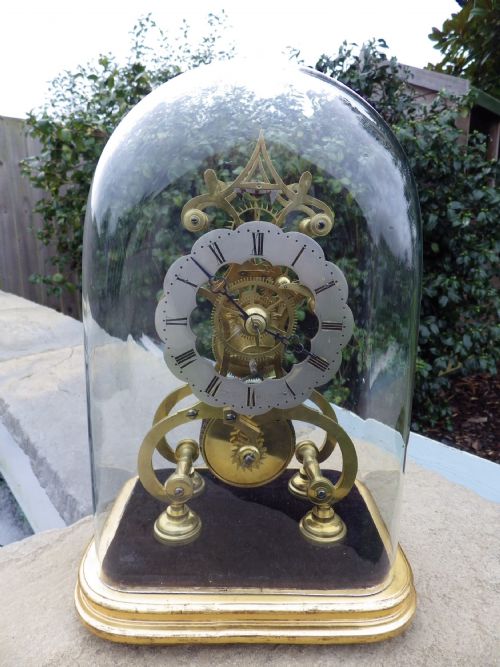


English Victorian Cloche
An English Victorian cloche or display dome shelters delicate taxidermy and timepieces beneath clear glass, offering a distinct way to preserve historical curiosities.
English Victorian Cloche
When you search for an english victorian cloche, you encounter glass domes paired with timber bases designed to protect interior objects. The pieces appearing here span display domes, clock cases, and garden covers originating across the Victorian and Edwardian periods.
The most common formats on this page are tall taxidermy showcases and glass domes sheltering mantel clocks or botanical specimens. These utilitarian yet decorative objects range from oval collector cases to round ovoid covers fitted onto wooden stands.
Origins trace directly to English workshops of the nineteenth and early twentieth centuries. Makers utilised sturdy timber and blown glass to create protective vessels that doubled as parlour display pieces.
What varies in quality
The distinction between standard utility items and finer examples rests upon the clarity of the blown glass and the finish of the timber base. Superior pieces feature heavy, unblemished glass covers paired with well-turned hardwood stands.
Proportions also dictate the calibre of the piece, with taller ovoid forms and custom oval diorama enclosures requiring greater skill in glassblowing and carpentry than standard round covers.
English Victorian Cloche Retail Price Guide 2026
Typical asking prices for english victorian cloche among the pieces listed under this phrase on Sellingantiques today, from the lower quarter to the upper quarter. They describe what is for sale here now, not the wider market.
Current listings demonstrate a concentration of Victorian and Edwardian glass domes paired with timber bases of oak, pine, and ebonised wood.
The English Victorian Cloche Glossary
- Cloche
- A bell-shaped glass cover traditionally used in gardens for plant protection or indoors for displaying delicate specimens. The term encompasses both utility garden covers and decorative parlour display domes.
- Taxidermy showcase
- A glass dome and base assembly designed specifically to house preserved animals or botanical specimens. These enclosures protected vulnerable displays from dust and atmospheric moisture.
- Fusee skeleton clock
- A timepiece featuring an exposed movement where the brass plates and wheel work remain visible. These intricate mechanisms frequently stood beneath protective glass domes to prevent dust accumulation.
- Ebonised wood
- Timber treated with a dark finish to imitate expensive ebony. This material appeared frequently on the bases of Victorian display domes and clock cases.
- Ovoid
- An egg-shaped profile characteristic of certain glass display domes. This curved geometry provided additional vertical clearance for tall specimens.
English Victorian Cloche: Frequently Asked Questions
What fits under a glass dome?
These glass covers traditionally housed taxidermy specimens, botanical collections, and delicate ornaments. Victorian households utilised them to protect fragile ornaments from dust and handling.
Clock movements also found shelter beneath these covers, particularly skeleton clocks and carriage clocks that required unobstructed viewing combined with physical protection.
How do I date a glass dome?
Dating relies upon the characteristics of the glass and the timber base. Victorian examples frequently feature heavier blown glass with subtle imperfections paired with ebonised or oak mounting boards.
Edwardian pieces often display minor variations in proportion and base construction. Examining the manufacturing traits of the wooden foundation provides the clearest chronological indicator.
Are these domes removable?
The glass cover lifts entirely away from the wooden base on most examples. This loose fit allowed Victorian collectors to access internal specimens and adjust displayed items easily.
Purchased pieces require careful handling when separating the glass from the timber plinth, as the covers remain unattached.
How should I clean the glass?
Standard glass cleaning solutions applied with a soft cloth maintain the transparency of the dome. Gentle wiping prevents scratching the historical material while removing accumulated dust.
The wooden bases require dry dusting rather than moisture to preserve original finishes such as ebonising, baize, or exposed oak.