





Vintage Glass Box
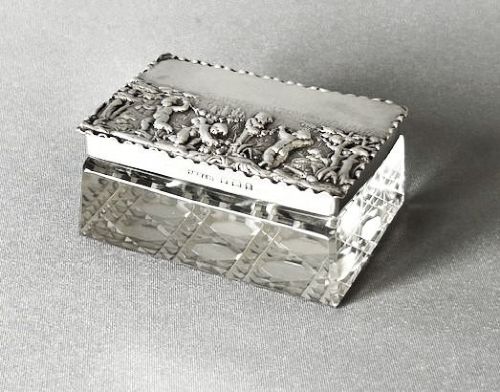
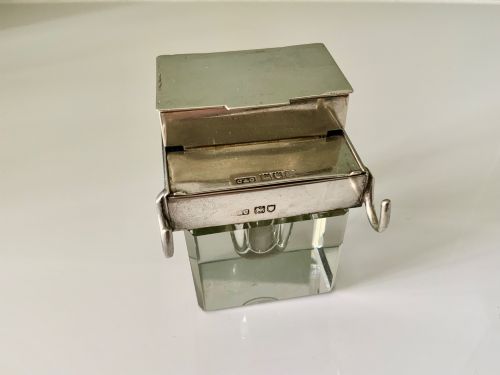
When you search for a vintage glass box, you are looking at small caskets, trinket jars, and powder containers framed in brass, silver, or wood.
Vintage Glass Box
Buyers seeking a vintage glass box encounter small receptacles designed for dressing tables, desks, and salons. The selection spans trinket jars, powder boxes, and display caskets originating from the nineteenth century into the twentieth century.
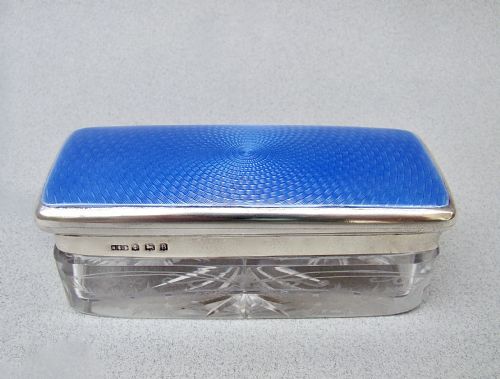
Most examples combine transparent or pressed glass containers with metal mounts, notably brass and sterling silver. Edwardian and Art Deco iterations dominate the selection, showing styles from simple geometric frames to elaborate floral motifs.
Makers housed these pieces in various domestic contexts, using them to hold personal ornaments, cosmetics, and small keepsakes. The forms range from circular vanity pots to hinged caskets mounted on miniature feet.
How they were made
Craftsmen joined glass bodies to metal frameworks using soldered brass, gilt bronze, or sterling silver mounts. Glass components frequently display hobnail cutting, moulding, or enamelled decoration applied to the surface.
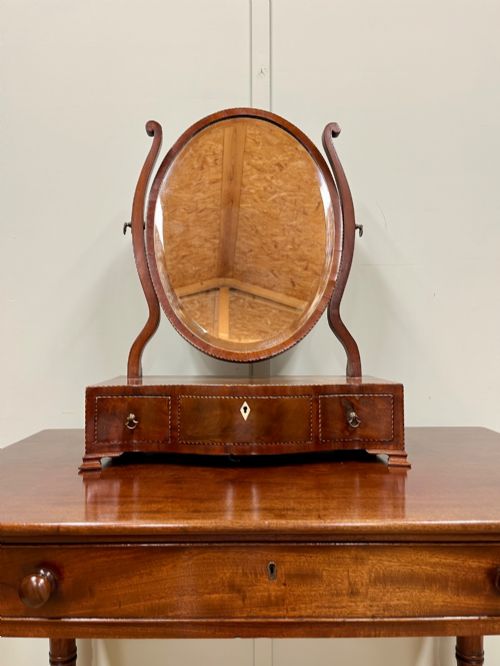
Makers utilised timber chassis like mahogany, satinwood, and kingwood for larger display cases and bijouterie tables. Internal linings of velvet provided a soft bed for fragile items stored inside.
Vintage Glass Box Retail Price Guide 2026
Typical asking prices for vintage glass box among the pieces listed under this phrase on Sellingantiques today, from the lower quarter to the upper quarter. They describe what is for sale here now, not the wider market.
Some items double as travel companions, housing tiny thumb magnifiers or medical cupping sets.
What varies in quality
Quality rests on the weight of the glass and the precision of the metal mounts. Thick, heavy crystal with deep hand-cutting commands greater attention than thin pressed glass.
The integration between the glass vessel and its metal hinge determines the integrity of the piece. Crisp hallmarks on silver lids and substantial brass frames distinguish superior examples.
Rene Lalique·A. J. Pepper & Co·Henry Clifford Davis·A. Bromet & Co·Elkington
The Vintage Glass Box Glossary
- Guilloche
- An engraved decorative pattern of intersecting curved lines typically found under translucent enamel on silver lids. This technique creates a radiant background texture.
- Bijouterie table
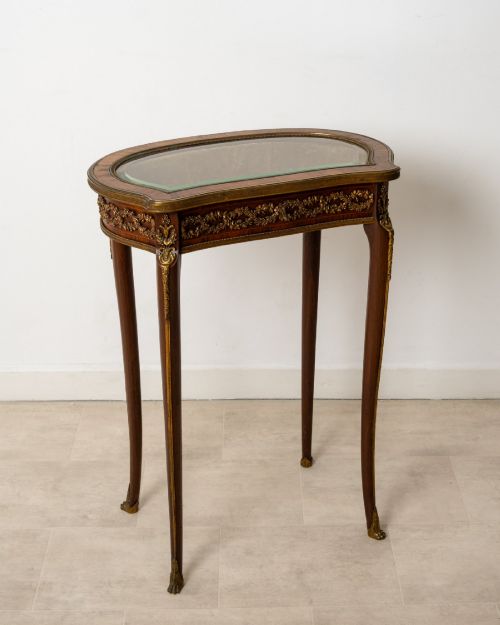
- A glass-topped display table intended for showing small valuables and trinkets in a drawing room. These pieces feature glazed lids or panels.
- Opalescent
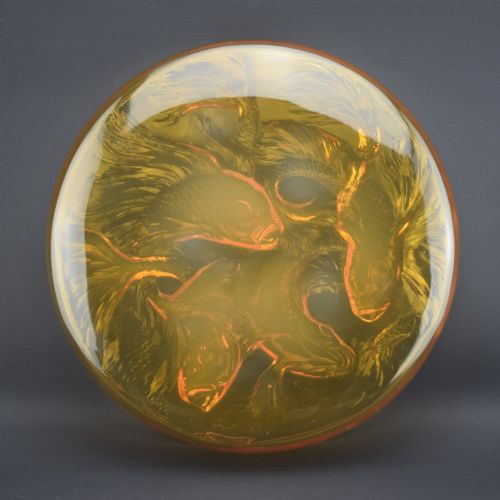
- A glass characteristic that produces milky, iridescent colour variations depending on the light angle. René Lalique utilised this effect extensively.
- Tantalus
- A locking wooden frame holding decanters that displays the contents while preventing unauthorised access. They frequently incorporate cut glass bottles.
- Cut glass
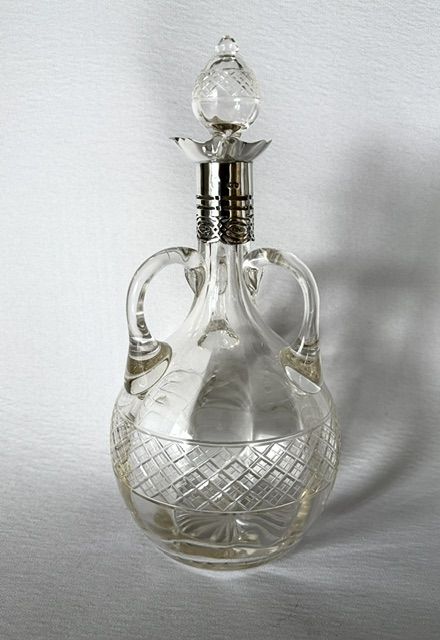
- Glass decorated by grinding facets or patterns into the surface using a rotating wheel. Hobnail cutting is a prominent example of this method.
Vintage Glass Box: Frequently Asked Questions
How do I clean a glass trinket box?
Wipe the glass with a damp cloth and mild soap, avoiding harsh abrasives that scratch the surface. Keep moisture away from velvet linings and metal hinges.
Dry the metal components immediately to prevent tarnishing or corrosion on silver and brass frames.
What were vanity jars used for?
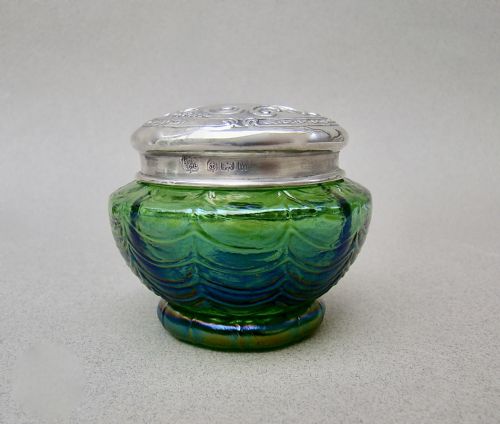
Vanity jars held powders, creams, and pins on dressing tables during the Edwardian and Art Deco periods. Their decorative silver lids kept contents concealed.
Ladies displayed them openly as part of a matching dressing table set alongside brushes and mirrors.
How can I date an antique glass box?
Examine the metal mounts for hallmarks, which indicate the assay office and year of manufacture. Style markers like Art Deco geometry or Edwardian floral work also narrow the date range.
Look at the manufacturing technique of the glass, as hand-cut crystal differs from later pressed production methods.
Are these boxes suitable for daily use?
Sturdy trinket jars and powder boxes handle everyday storage for rings and small jewellery items safely. Hinged lids require gentle handling to preserve original pins and mountings.
Antique glass remains susceptible to chips if dropped on hard surfaces, so place them securely on stable furniture.