

Vintage Giltwood Hanging Mirror
A vintage giltwood hanging mirror brings instant warmth and reflected light to a room through centuries of decorative tradition.
Vintage Giltwood Hanging Mirror
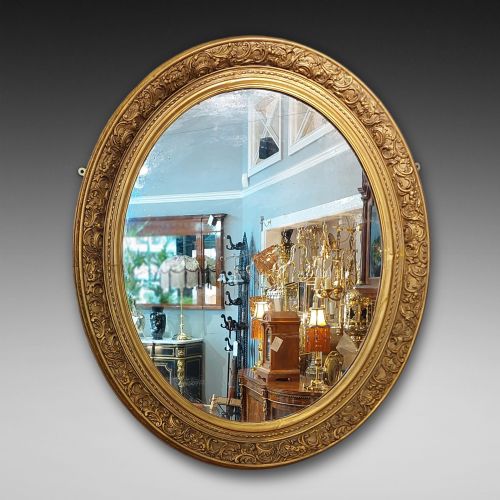
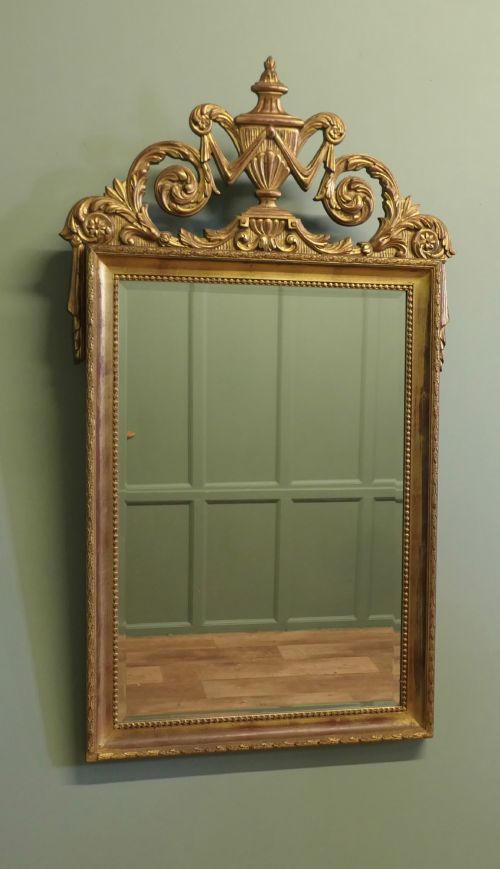
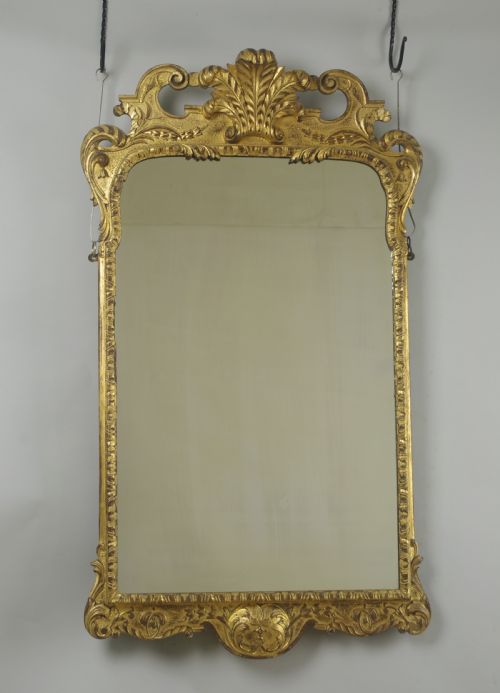
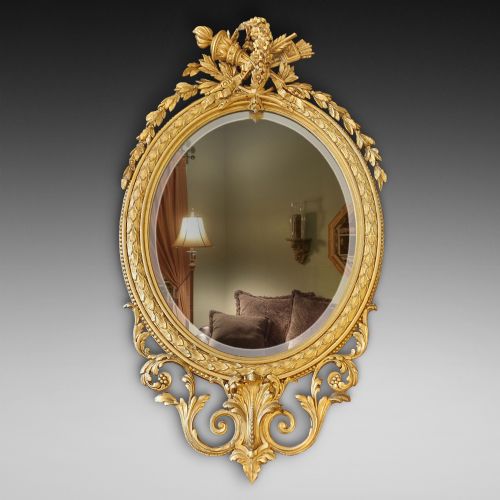
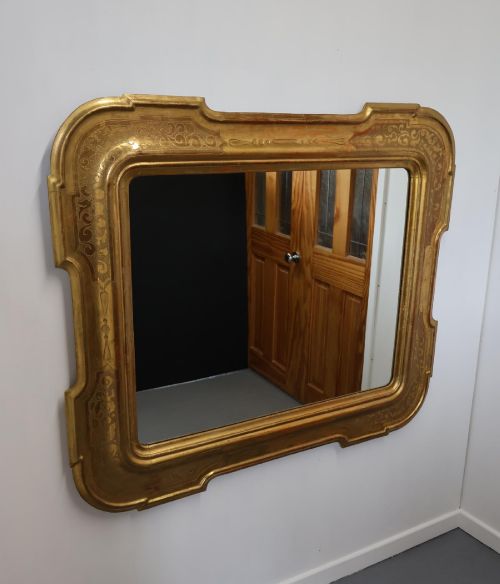
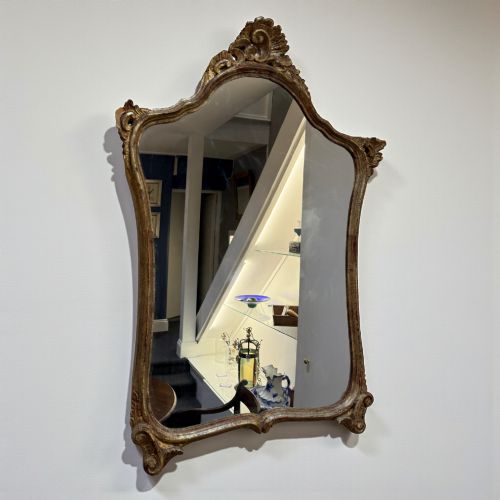
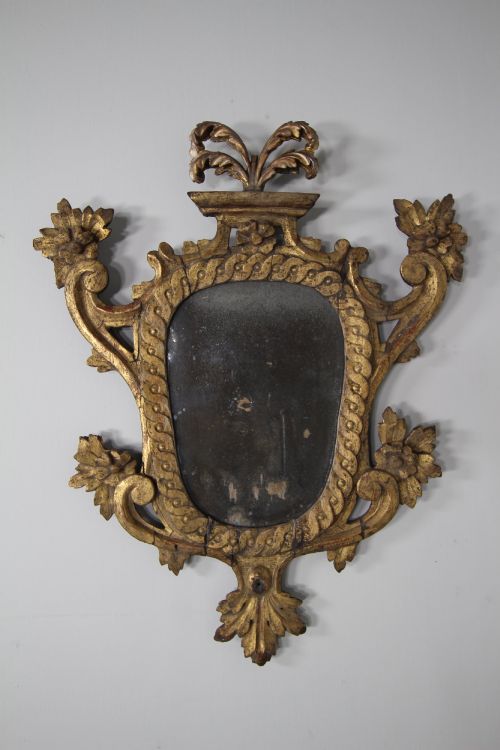
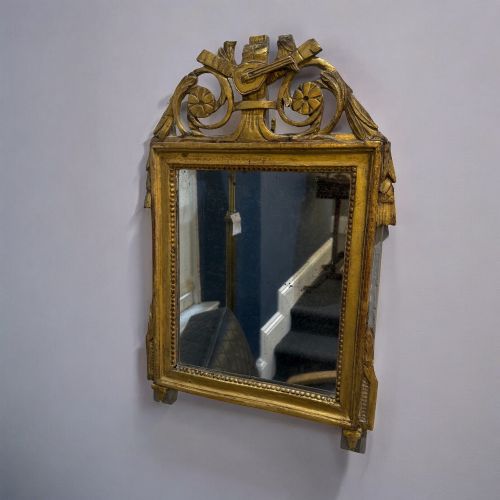
A vintage giltwood hanging mirror is primarily encountered in wall-hung formats spanning the eighteenth, nineteenth and early twentieth centuries. These pieces encompass various regional interpretations including French, Italian and English designs.
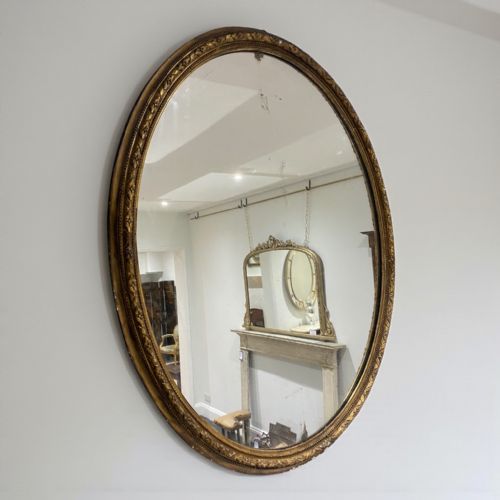
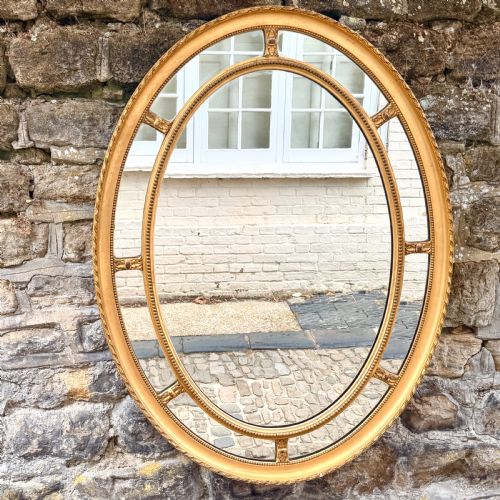
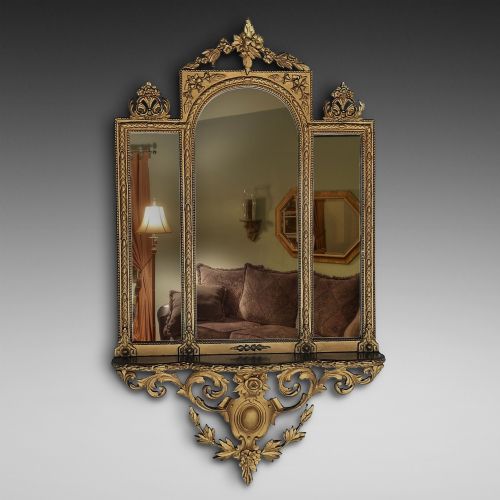
The selection here is dominated by nineteenth-century examples alongside eighteenth-century antiques and early twentieth-century revivals. Common formats range from simple ovals to grand overmantel mirrors and decorative wall pieces.
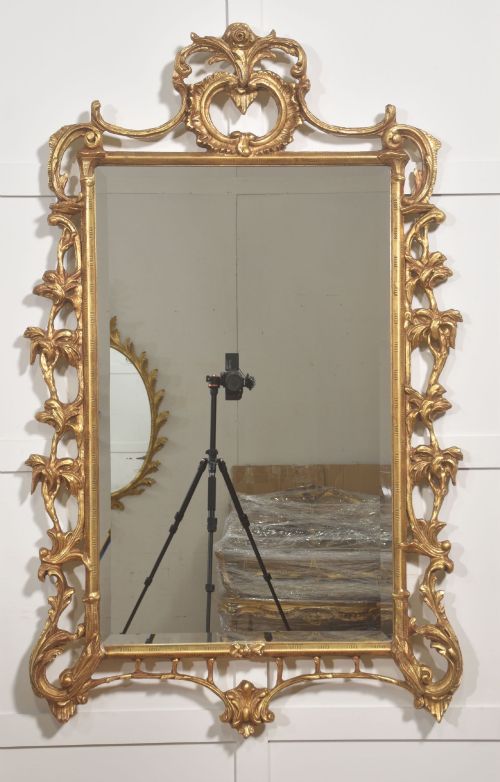
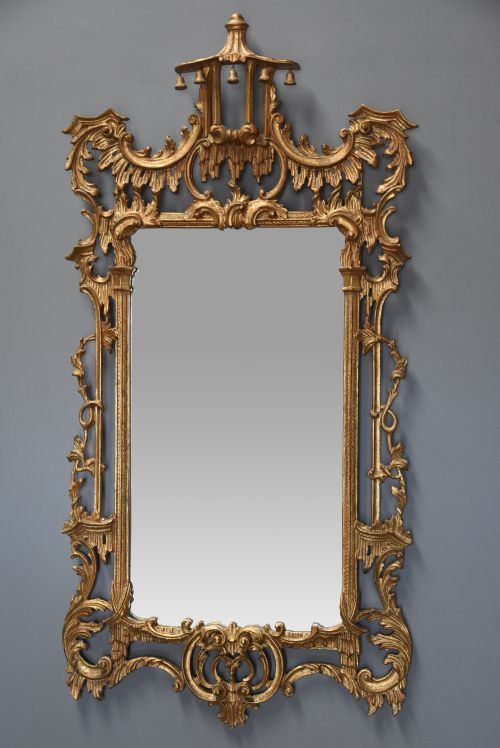
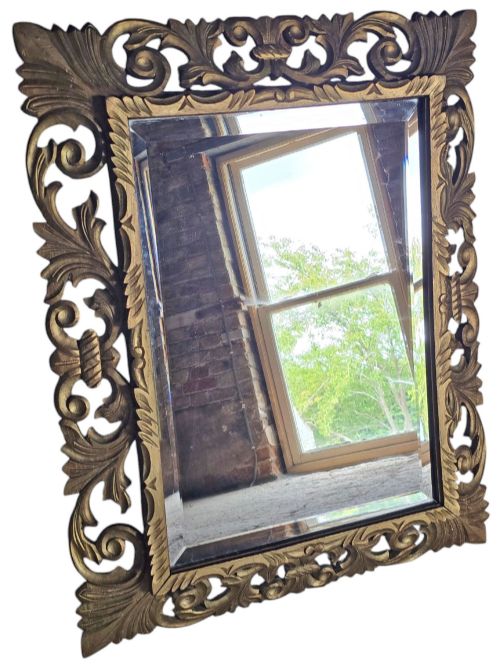
Stylistic influences observed across the inventory draw heavily from Rococo, Adam, Chippendale and Florentine traditions. Buyers often select these mirrors to anchor a room with period character and reflective depth.
How they were made
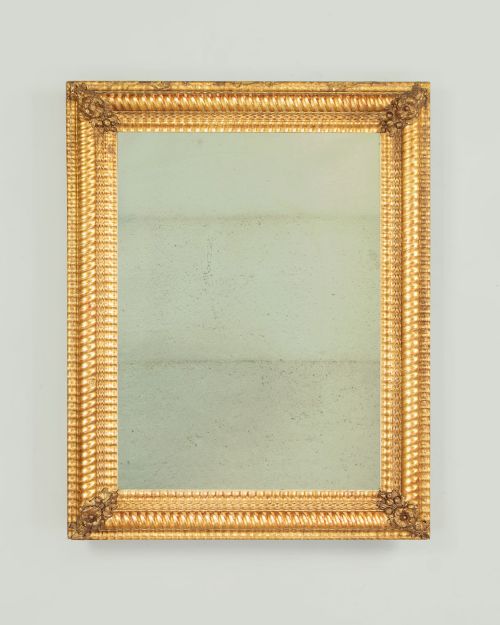
The construction of these frames typically relies on carved wood or moulded composition built over a timber substrate. Artisans applied thin layers of gesso to smooth the surface before laying gold leaf or applying liquid gilding.
Mirror plates in older examples often consist of original mercury glass with characteristic minor oxidisation and imperfections. Later pieces frequently utilise bevelled or replacement mirror glass housed within securely joined frames.
Vintage Giltwood Hanging Mirror Retail Price Guide 2026
Typical asking prices for vintage giltwood hanging mirror among the pieces listed under this phrase on Sellingantiques today, from the lower quarter to the upper quarter. They describe what is for sale here now, not the wider market.
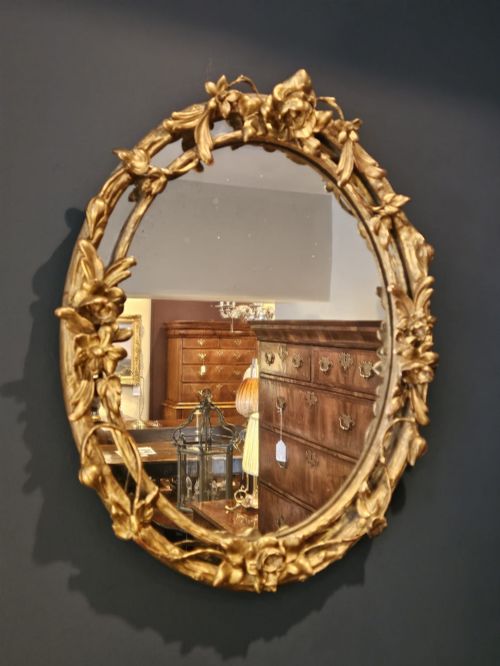
Some Victorian frames incorporate delicate rose vines into the giltwood carving, bringing a touch of botanical whimsy to the wall.
What varies in quality
The depth and crispness of the carved ornamentation distinguish superior examples from simpler production. Hand-carved wooden frames display sharper botanical and scroll details than moulded composition equivalents.
The condition of the original gilding and the integrity of the underlying gesso layers dictate the visual impact of the piece. Surviving mercury plates also influence desirability among collectors seeking untouched period authenticity.
The Vintage Giltwood Hanging Mirror Glossary
- Giltwood
- Wood that has been coated with gold leaf or a gold-coloured finish. This provides the characteristic warm metallic sheen seen on traditional frames.
- Gesso
- A plaster-like mixture applied to wood frames to create a smooth surface for gilding. It allows craftsmen to model intricate relief details.
- Mercury glass
- An early form of mirror glass created by pouring a mercury-silvering mixture between double-walled glass. It frequently develops dark speckling over time.
- Overmantel mirror
- A large mirror specifically designed to hang above a fireplace mantelpiece. These pieces often feature wide proportions to balance the hearth below.
- Rococo revival
- A nineteenth-century design movement that reinterpreted the asymmetrical scrolls and shell motifs of the eighteenth-century French style.
Vintage Giltwood Hanging Mirror: Frequently Asked Questions
How should I clean antique giltwood?
Dust the carved surfaces gently with a soft, dry brush to prevent accumulation without disturbing delicate gilding. Avoid using liquid cleaners or commercial polishes which can strip the gold leaf or damage the underlying gesso.
Mirror glass can be cleaned sparingly with a cloth dampened slightly with distilled water or glass cleaner. Take care to prevent any moisture from seeping behind the glass plate or onto the vulnerable frame edges.
Are mercury glass plates original?
Original mercury plates exhibit a distinct mottled appearance with dark speckles and soft reflections rather than a uniform modern shine. They provide key evidence of an eighteenth or nineteenth-century date.
Many mirrors have had their glass replaced over the centuries due to breakage or deterioration. Examining the silvering backing helps determine whether the glass matches the age of the frame.
What is the difference between gesso and carved wood?
Carved wood frames are shaped directly from solid timber using gouges and chisels by skilled artisans. This method produces crisp, individual details unique to each piece.
Gesso frames utilise a moulded paste applied over a simpler wooden core to replicate complex ornamentation in multiples. Inspection of the reverse and relief edges often reveals the method of construction.