



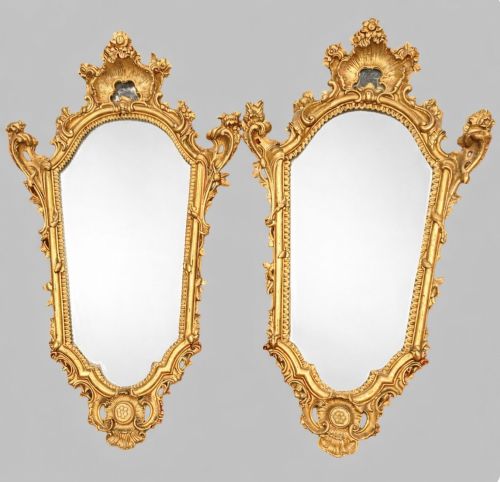


Vintage Gilt Looking Glass
A vintage gilt looking glass brings warmth and reflected light to a room through centuries of decorative tradition.
Vintage Gilt Looking Glass
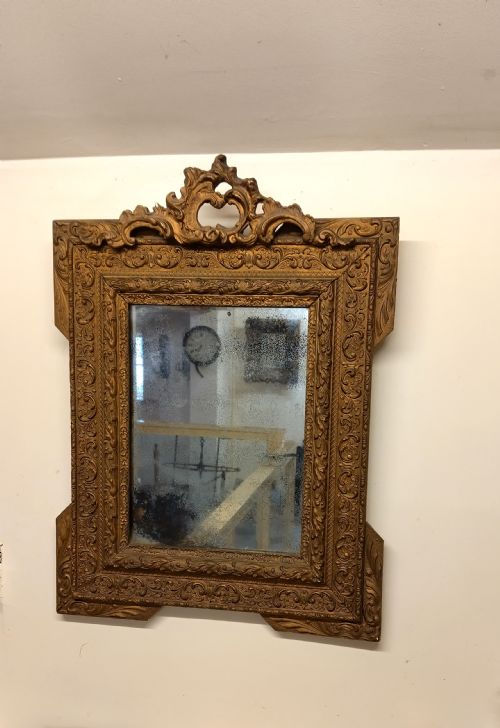
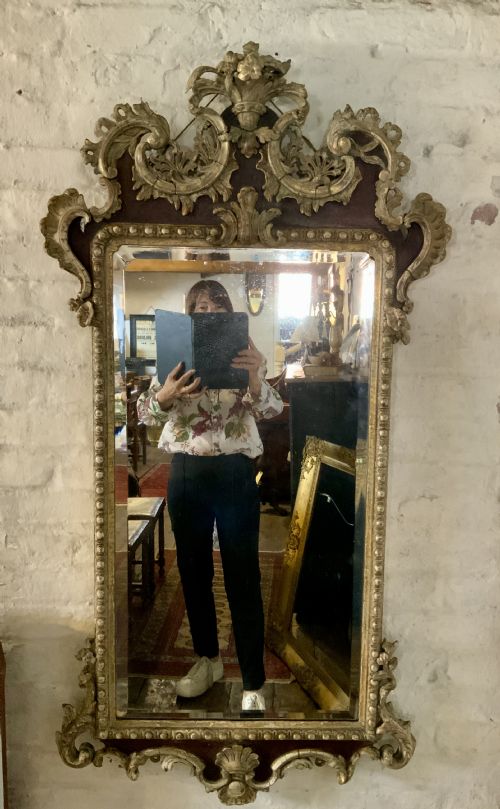
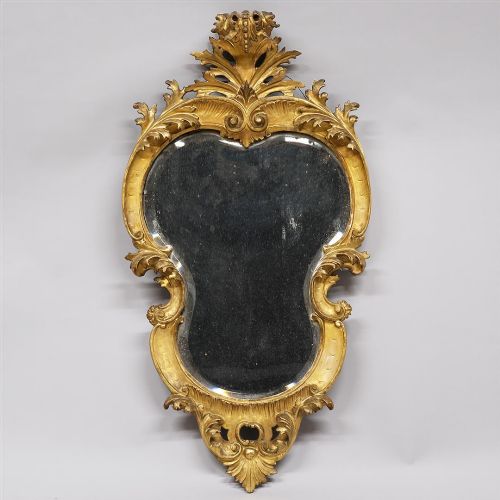
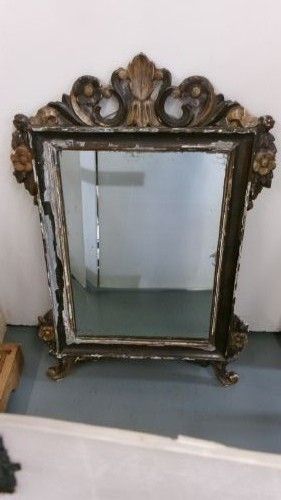
When you search for a vintage gilt looking glass, you encounter wall-hung and overmantle mirrors spanning from the seventeenth century through the Georgian, Regency, and Victorian eras into the early twentieth century. These pieces serve primarily as decorative wall ornaments and functional looking glasses, drawing the eye with their reflective plates and gilded frames.
The most common versions on this page are nineteenth-century oval and rectangular wall mirrors, often featuring ornate moulded gesso or carved wood frames. Alongside these, you find eighteenth-century walnut and sycamore fretwork examples, together with Italian and French imports influenced by Rococo and Louis XVI styles.
Forms range from neat-sized hallway pieces to large overmantle mirrors designed to sit above a fireplace. Makers utilised diverse regional aesthetics, yielding everything from rope twist girandoles to elaborate carved crests.
How they were made
Craftsmen built the underlying structures from timber such as pine, walnut, sycamore, and mahogany, sometimes employing veneer or fretwork to achieve intricate silhouettes. Carved wood and moulded gesso provided the sculptural relief for frames before the application of gold leaf or gilt finishes.
Silver leaf and gold leaf layers adhered to prepared grounds, creating the luminous metallic sheen characteristic of these frames. Mirror plates varied from early engraved glass to later cast and polished looking glass sheets held by wooden backs and slips.
The listings span multiple centuries, incorporating eighteenth-century Georgian and Chippendale pieces alongside Victorian, Edwardian, and Regency revivals.
What varies in quality
The depth and crispness of the carving or gesso moulding dictate much of the visual weight, separating boldly articulated frames from simpler moulded variants. Hand-applied gold leaf yields a richer, deeper warmth than flat modern metallic paint finishes.
The integrity of the frame construction and the preservation of the original mirror plate heavily influence the character of the piece. Retaining period elements such as original gilding and backboards marks the higher tier of these mirrors.
The Vintage Gilt Looking Glass Glossary
- Giltwood
- Wood that has been coated with gold leaf or metal leaf. This traditional finish provides a durable and luminous metallic surface.
- Gesso
- A plaster-like mixture applied to wood frames and carved or moulded into detailed ornamentation before gilding. It allows for sharp, intricate relief work.
- Fretwork
- Ornamental woodwork pierced with a fretsaw, commonly found in flat-framed mirrors from the eighteenth and nineteenth centuries. This technique creates delicate geometric or scroll patterns.
- Overmantle
- A large mirror designed to hang specifically above a fireplace mantelpiece. These pieces often anchor the decorative scheme of a reception room.
- Girandole
- A branched wall mirror designed to hold candles, reflecting the light around the room. The inclusion of arms for lighting distinguishes this form from standard looking glasses.
Vintage Gilt Looking Glass: Frequently Asked Questions
Where should I hang a vintage gilt looking glass?
These mirrors suit hallways, living rooms, and above fireplaces where they can bounce natural light across the space. Placing them opposite a window maximises the brightening effect in smaller rooms.
Ensure the wall fixings match the weight of the frame, particularly with larger nineteenth-century overmantle examples. Secure mounting protects both the timber structure and the antique glass plate.
How do I clean a vintage gilt looking glass?
Dust the gilded frame gently with a soft, dry brush to avoid disturbing fragile gesso or leaf. Moisture can damage old gilding rapidly.
Clean the mirror plate sparingly with a mild glass cleaner applied to a cloth rather than sprayed directly onto the glass. This prevents liquid from seeping behind the silvering.
Are these mirror plates original?
Mirror plates vary across eras, with some surviving from the eighteenth or nineteenth centuries and others replaced during the life of the object. Early plates often show subtle foxing and minor age spots.
Original plates contribute to the historic character of the piece, while later replacements offer a clearer reflection. Examine the edges and backing to gauge the age of the glass.
How do I identify a Regency style mirror?
Regency and Regency-style mirrors often feature classical motifs, convex or oval plates, and restrained architectural lines inspired by earlier Greek and Roman designs. Gilt metal and ebonised details frequently appear.
These pieces emerged during the early nineteenth century and later saw revivals in the twentieth century. Their balanced proportions suit both traditional and contemporary interiors.