



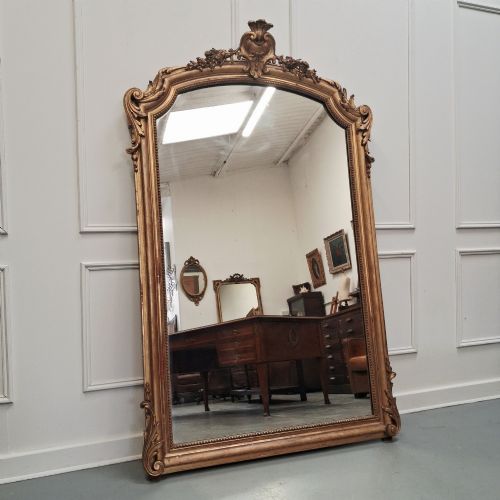
Victorian Style Gilt Mirror
A victorian style gilt mirror brings warmth and reflective depth to a room through gilded surfaces and ornate framing.
Victorian Style Gilt Mirror
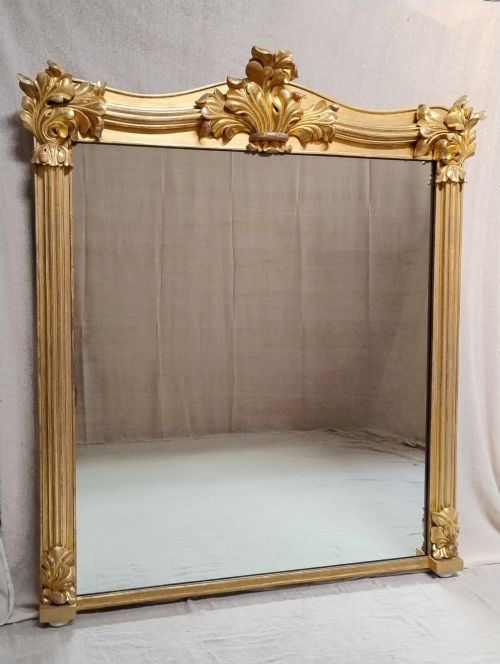
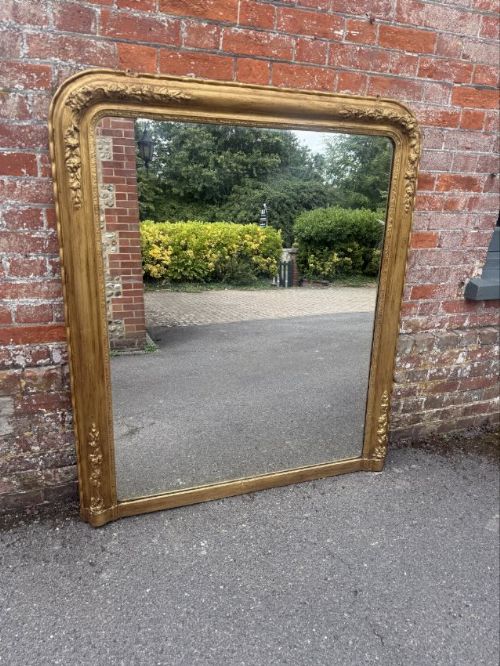
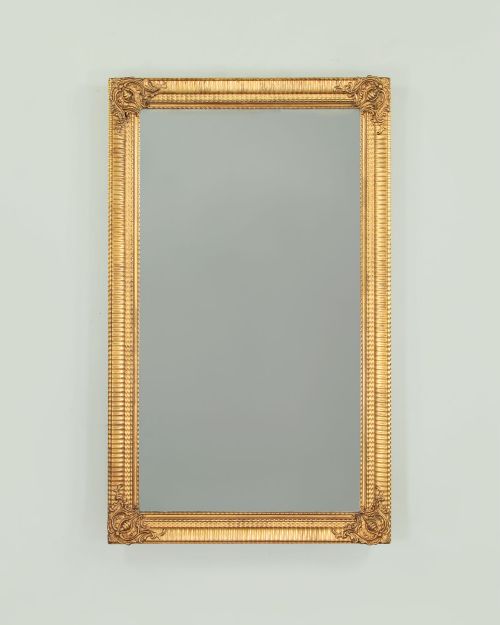
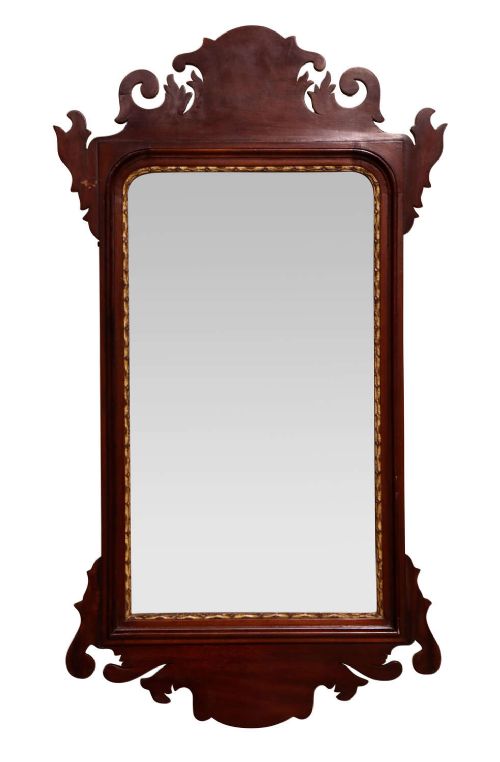
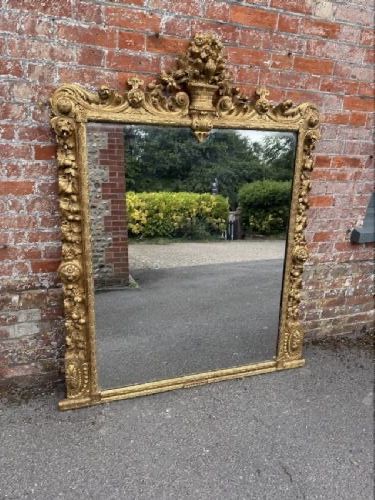
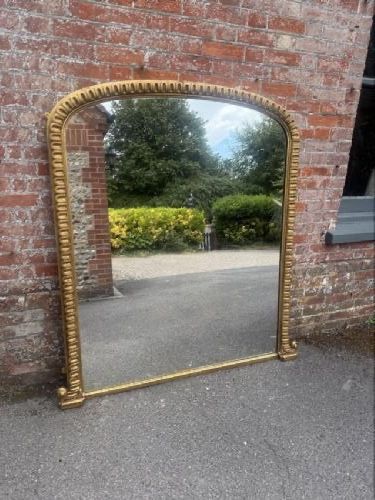
A victorian style gilt mirror typically takes the form of a large wall mirror or an overmantle mirror designed to sit above a fireplace. These pieces emerge primarily from the nineteenth century, spanning decades from the eighteen-fifties through the Edwardian era.
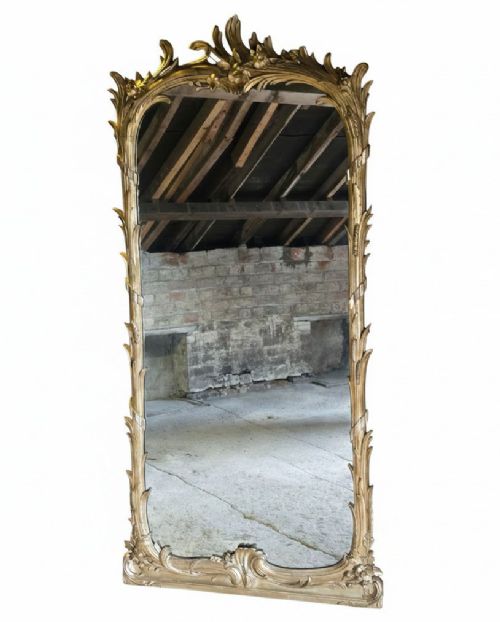
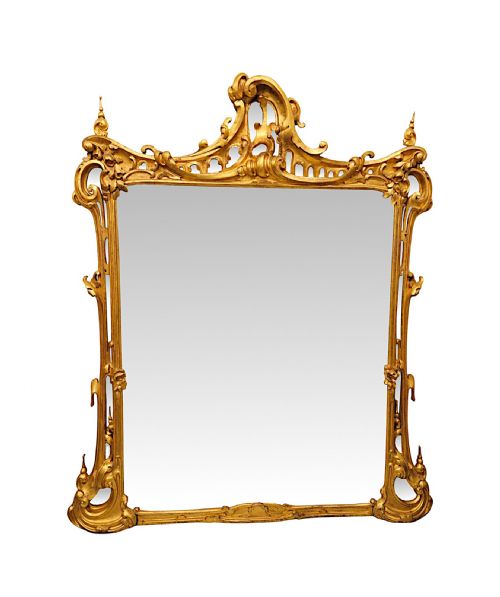
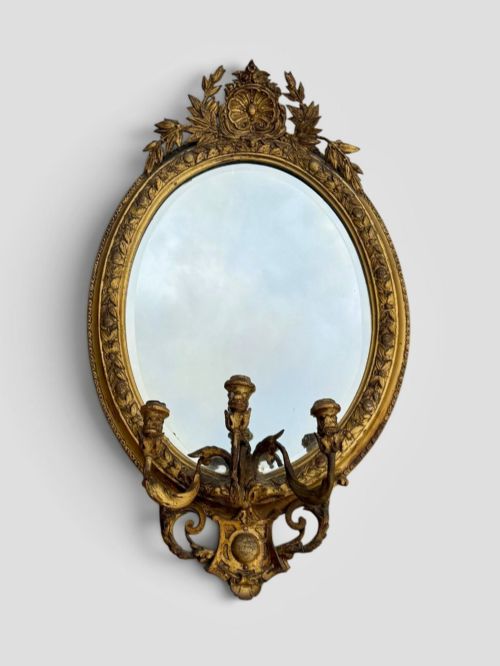
The architectural scale of these objects often dominates a chimney breast or hallway wall. Common formats include arched top designs, rectangular overmantles, and oval frames influenced by Rococo Revival and Adam styles.
Materials and construction
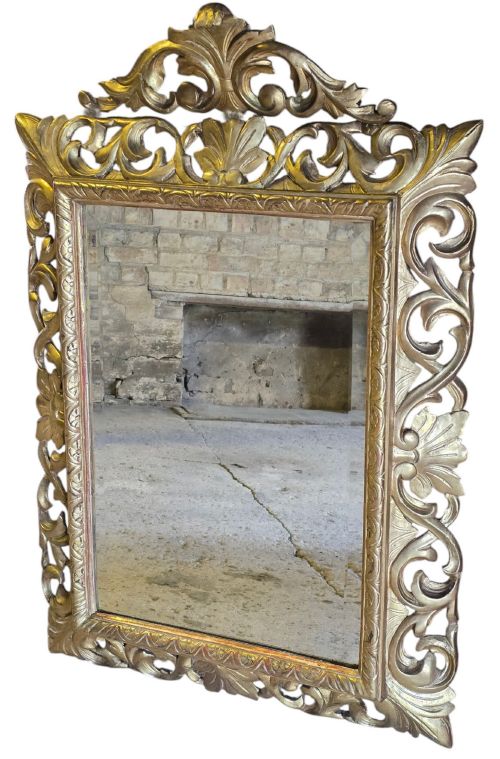
Carved wood provides the structural foundation for many examples, often layered with gesso to build up intricate surface ornamentation. Artisans applied gold leaf or gilt paint over these prepared grounds to achieve a brilliant metallic finish.
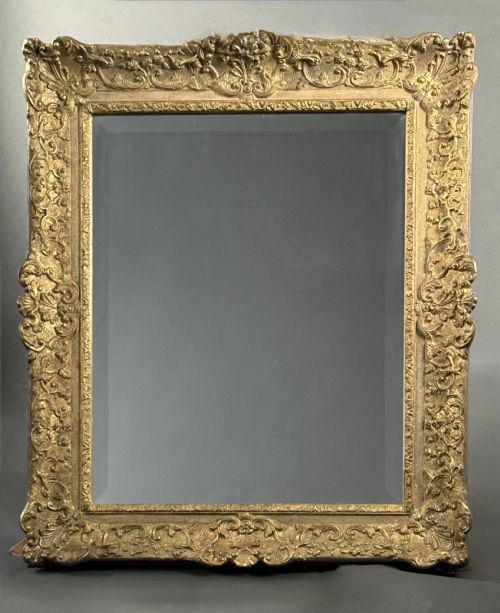
Composition and plaster serve as moulded alternatives to hand-carved wood details, allowing workshops to produce complex floral and scroll motifs efficiently. Mirror glass plates are set within these frames, occasionally featuring bevelled edges.
Some girandole mirrors feature integrated candle sconces designed to bounce flickering light off the glass during dim Victorian evenings.
Distinctions in craftsmanship
The depth and crispness of the carved wood or moulded gesso relief separate standard production from superior examples. Sharp definition in scrollwork and floral elements indicates attentive hand-finishing by skilled makers.
The preservation of the original gold leaf surface and the clarity of the mirror glass contribute significantly to an object's desirability. Substantial frames with robust timber construction demonstrate durability alongside decorative presence.
The Victorian Style Gilt Mirror Glossary
- Gesso
- A plaster-like mixture applied to wooden frames as a base for gilding. It provides a smooth surface that can be moulded or carved into intricate decorative patterns.
- Giltwood
- Timber that has been coated with gold leaf or metallic powder. This material gives the frames their characteristic warm, reflective metallic appearance.
- Overmantle mirror
- A large mirror specifically proportioned to hang above a mantelpiece. These pieces frequently feature architectural crests or landscape orientations.
- Girandole
- A decorative wall mirror fitted with candle sconces attached to the frame. The polished metal arms reflect candlelight to increase illumination in a room.
- Rococo Revival
- A nineteenth-century design movement characterised by asymmetrical scrolls, C-curves, and naturalistic plant motifs. This style heavily influences the ornamentation of many large mirrors.
Victorian Style Gilt Mirror: Frequently Asked Questions
Where should I hang an overmantle mirror?
These large mirrors traditionally sit directly above a fireplace mantel to reflect light and anchor the room's proportions. They also function effectively on main living room walls opposite windows.
Ensure the wall construction supports the substantial weight of timber and gesso frames. Secure heavy fixings into structural studs or masonry.
How do I clean a gilded frame?
Dust the ornate carved surfaces gently using a soft, dry brush to remove particles without disturbing the metallic finish. Avoid liquid cleaners and harsh chemicals entirely.
Moisture can damage fragile gesso and lift gold leaf from the wooden substrate. Keep cleaning strictly dry and gentle.
Are these mirrors original to the nineteenth century?
Many examples date directly from the Victorian era, spanning the mid to late nineteenth century. Others adopt nineteenth-century aesthetic revivals while retaining antique status.
Examine the backboards, fixings, and glass plate characteristics to help determine the age of the piece. Construction methods often reveal whether a frame is period or later.
What styles are common in these mirrors?
Rococo Revival and Adam styles appear frequently, bringing classical symmetry or flowing asymmetrical curves to the designs. Chippendale and French Chateau influences also shape the carved wooden frames.
These varied stylistic revivals reflect nineteenth-century interior taste. Each style dictates the specific motifs found in the gesso ornamentation.