


Vintage Gilt Hanging Mirror
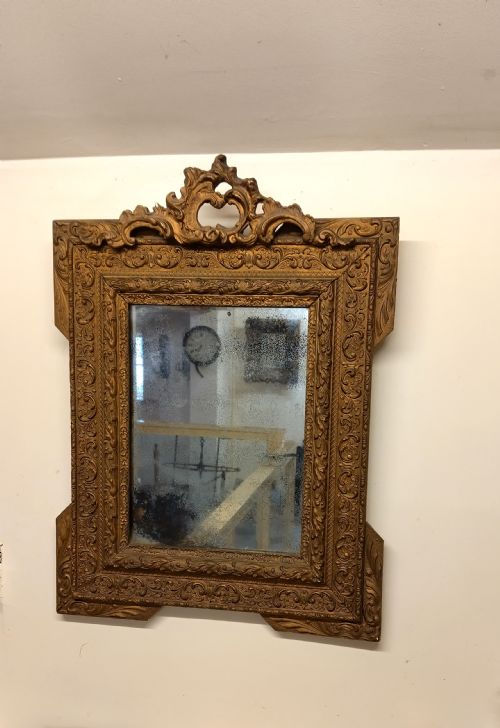
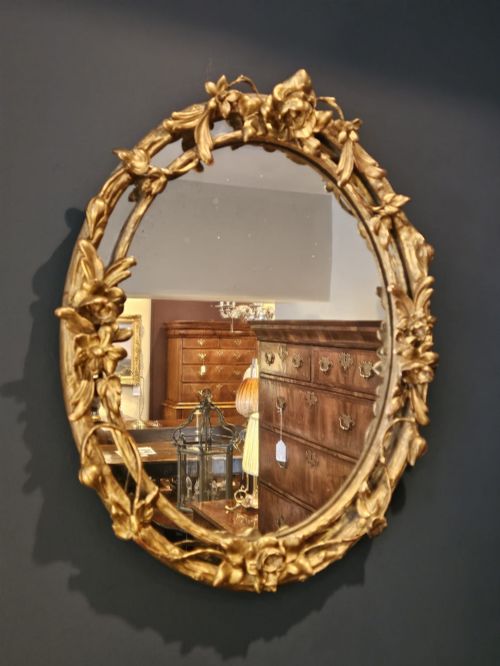
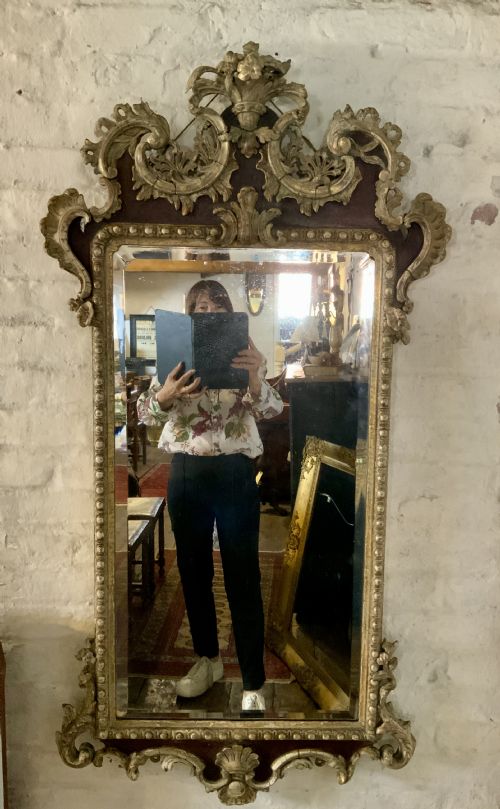
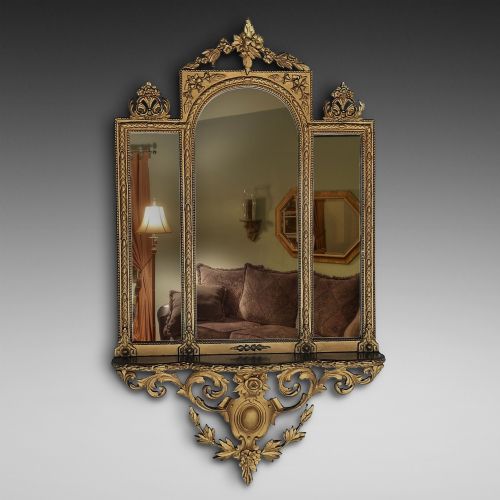
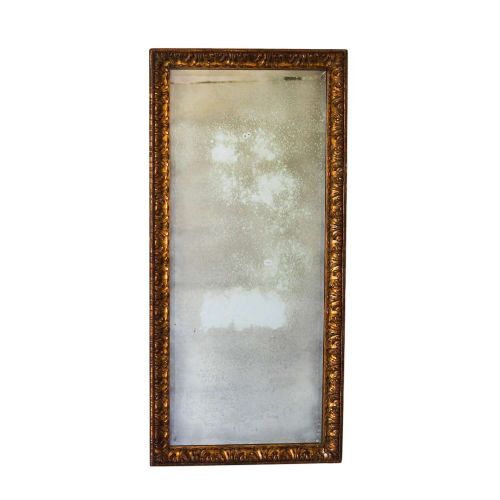
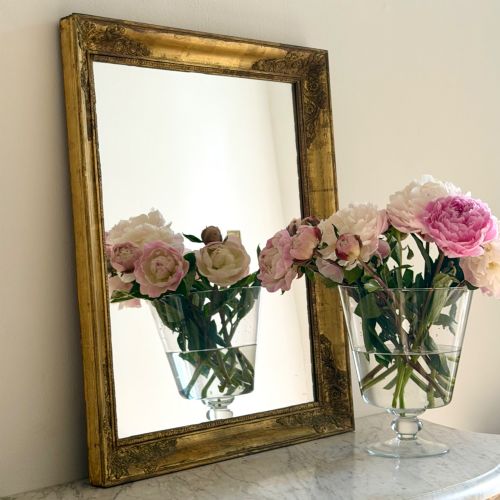
A vintage gilt hanging mirror brings warmth and reflective depth to a room, catching the light through ornate carved frames.
Vintage Gilt Hanging Mirror
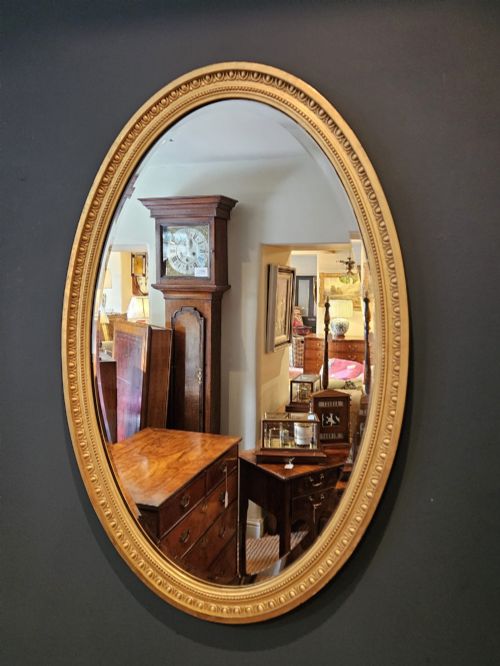
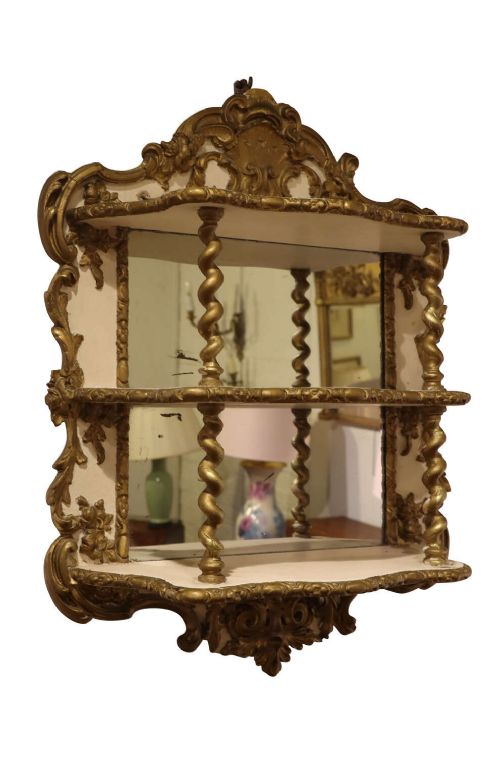
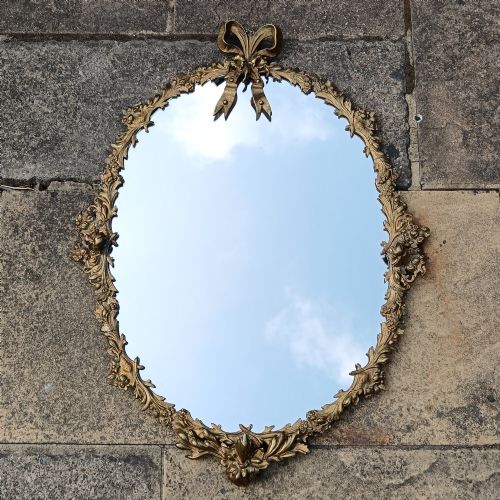
A vintage gilt hanging mirror is a decorative wall-mounted looking glass enclosed in a gold-finished or giltwood frame. These pieces span several centuries of design, with particular representation from the nineteenth and early twentieth centuries.
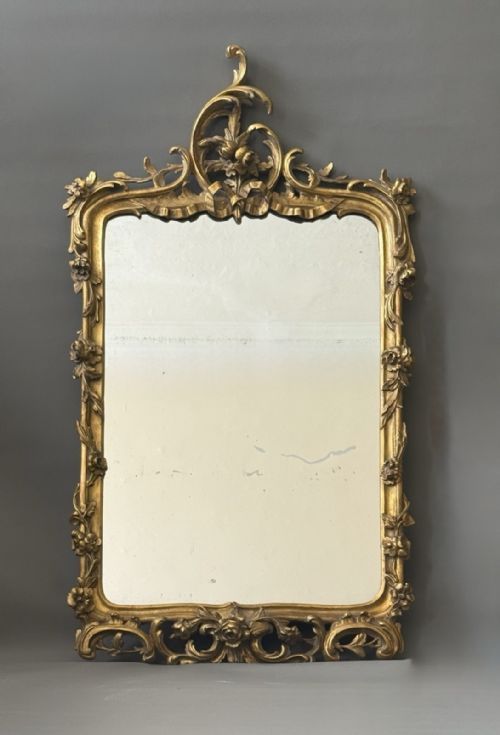
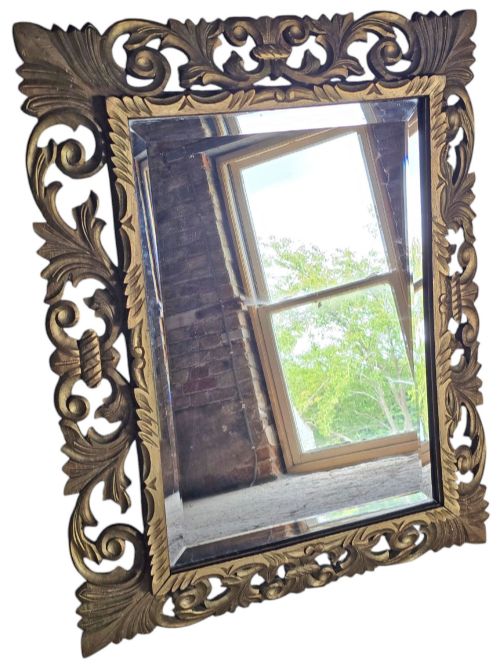
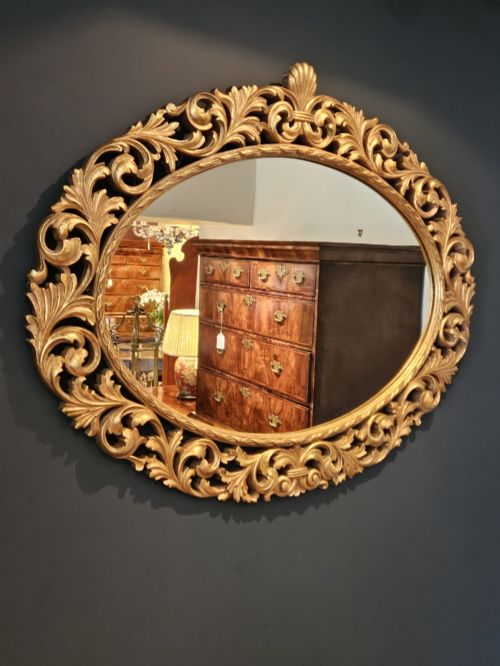
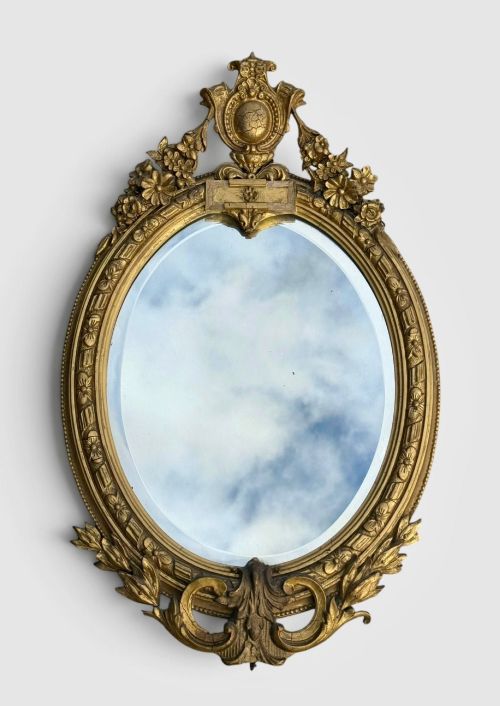
The forms range from substantial Florentine overmantle pieces and carved oval wall mirrors to rectangular French designs and fretwork frames. Buyers frequently encounter nineteenth-century gesso and Victorian interpretations alongside earlier eighteenth-century prototypes.
Originating largely from British, French and Italian workshops, these items serve both functional and ornamental purposes in domestic interiors. They combine timber, gesso and reflective glass to create focal points within living spaces and hallways.
Materials and technique
Frames are constructed from carved timber, walnut, mahogany or composition materials, providing a sturdy structural base for the decorative surface. Artisans applied layers of gesso to wood before gilding to build up the intricate relief details seen on rococo and classical styles.
Gold leaf or gilt finish was meticulously laid over the prepared ground to achieve a luminous metallic sheen that catches ambient light. Many examples incorporate antique mirror plates, some retaining original mercury glass or later replacement plates.
Vintage Gilt Hanging Mirror Retail Price Guide 2026
Typical asking prices for vintage gilt hanging mirror among the pieces listed under this phrase on Sellingantiques today, from the lower quarter to the upper quarter. They describe what is for sale here now, not the wider market.
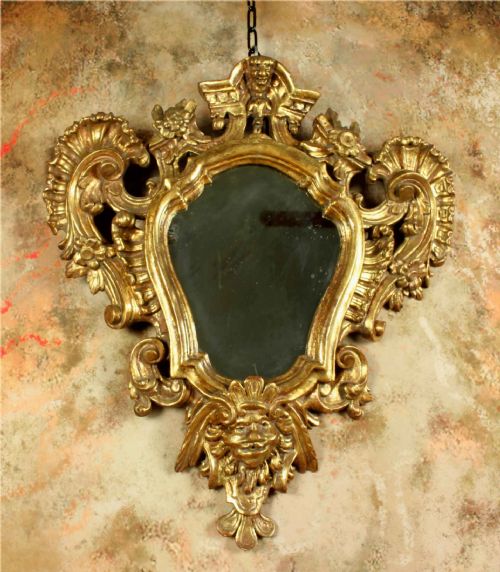
Several mirrors include decorative masks peering out from the foliage, keeping a watchful glass eye on every visitor who passes by.
Quality differences
The depth and crispness of the hand-carved ornamentation separate superior examples from standard production pieces. Hand-tooled gesso and finely carved wood show a precision in floral, scroll and mask motifs that moulded composition lacks.
The integrity of the original gilding and the character of the glass plate influence the standing of a piece. Original antique plates with subtle foxing or mercury backing hold greater depth than plain modern replacements.
The Vintage Gilt Hanging Mirror Glossary
- Giltwood
- Timber that has been coated with gold leaf or a gold-coloured finish. This material forms the primary structure of many traditional decorative wall mirrors.
- Gesso
- A plaster-like mixture applied to wood frames and carved before gilding. It allows craftsmen to create sharp, elaborate relief ornamentation.
- Rococo
- An ornate design style characterised by asymmetrical scrolls, C-curves and naturalistic motifs. It heavily influences French and Italian nineteenth-century mirror frames.
- Overmantle
- A large mirror designed specifically to hang above a fireplace mantelpiece. These pieces often feature wide proportions to match the width of the hearth below.
- Fretwork
- Openwork woodwork created by cutting intricate patterns through thin boards. This technique appears frequently on Georgian and Edwardian style frames.
Vintage Gilt Hanging Mirror: Frequently Asked Questions
How do I hang a heavy gilt mirror safely?
Substantial timber and gesso frames require secure wall fixings distributed evenly to support the considerable weight. Professional mirror hangers utilise heavy-duty brackets screwed directly into wall studs or masonry.
Avoid relying solely on decorative top rings or picture wire unless rated specifically for the mass of the piece. Ensuring a flush fit against the wall prevents forward tilting and undue stress on the hanging hardware.
What periods do these mirrors come from?
The selection encompasses pieces spanning from the eighteenth century through the Victorian era and into the early twentieth century. Georgian and early examples often feature walnut or carved wood, while nineteenth-century pieces frequently utilise gesso and composition.
Revival styles from the Victorian and Edwardian periods also recur, drawing inspiration from earlier French and classical designs. Each era employs distinct carving techniques and framing materials that help identify its origin.
How should I clean an antique gilt frame?
Dust the carved surfaces gently with a soft, dry brush to remove particles without disturbing the delicate gold leaf. Avoid liquid cleaners, abrasive cloths and chemical solvents that can strip or discolour the historical gilt finish.
For the glass plate, apply a mild glass cleaner to a cloth rather than spraying directly onto the mirror. This prevents moisture from seeping behind the plate and damaging the backing or the inner frame.
Can these mirrors be used in bathrooms?
High humidity and fluctuating temperatures in bathrooms can damage vulnerable gesso, wood and historical mirror plates over time. Moisture causes the gesso to swell and compromises the gilt surface and the silvering behind the glass.
Dry rooms such as hallways, living areas and bedrooms provide a more stable environment for preserving these decorative pieces. Placing them away from direct water sources ensures the materials remain intact.