

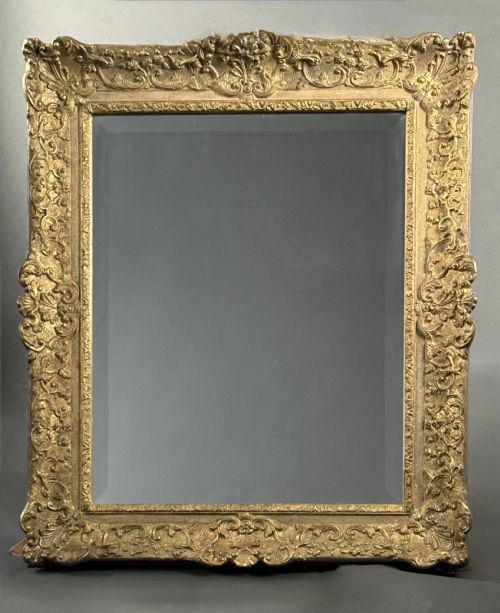
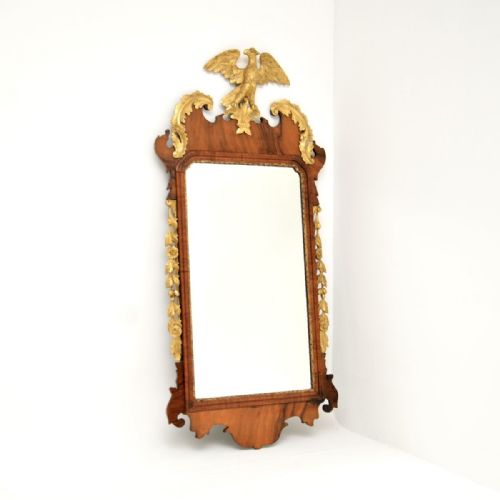
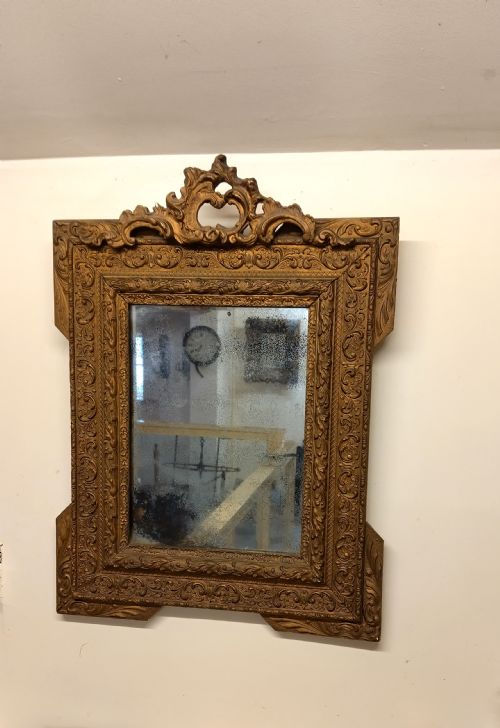
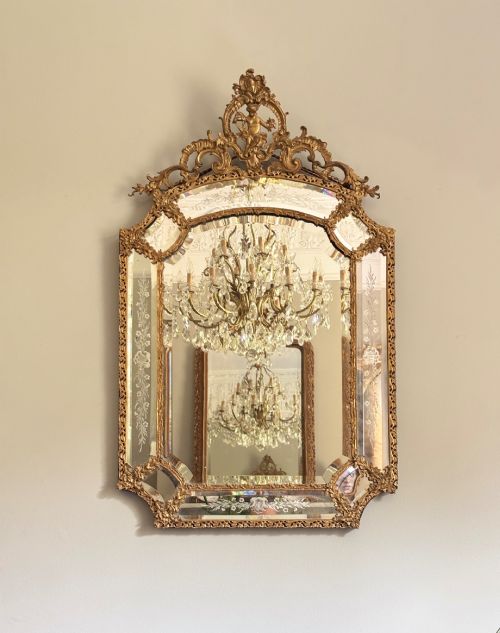
Vintage Gilded Glass Mirror
These vintage gilded glass mirror examples bring historical warmth and reflective depth to a room through centuries of decorative tradition.
Vintage Gilded Glass Mirror
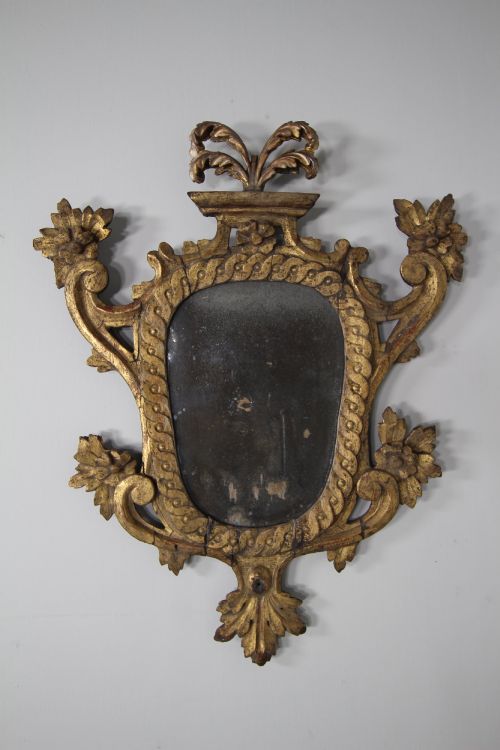
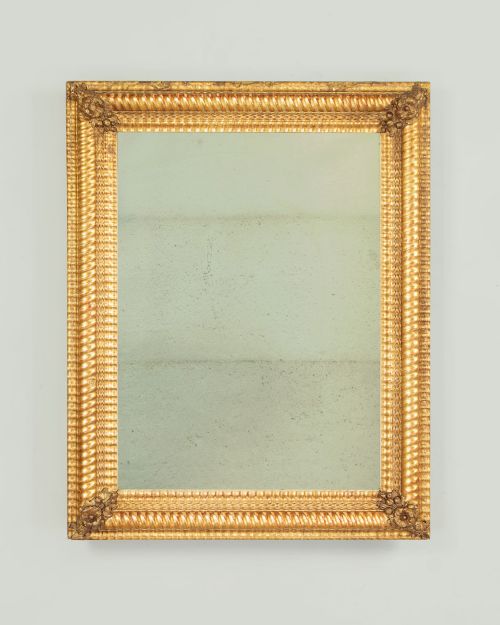
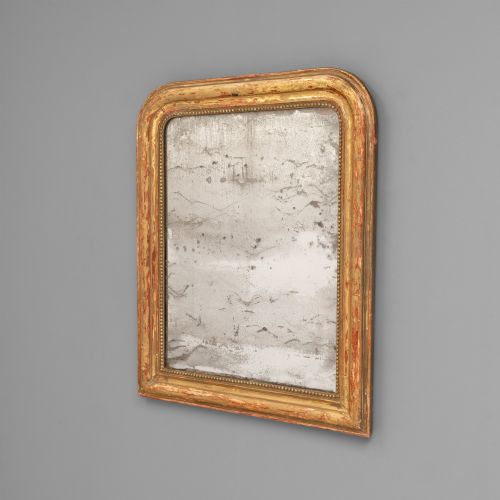
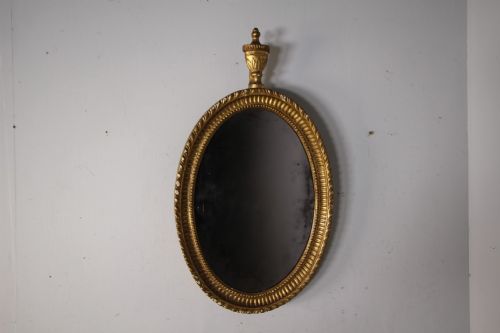
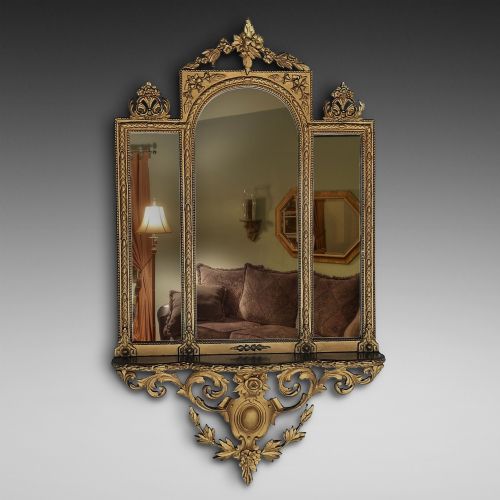
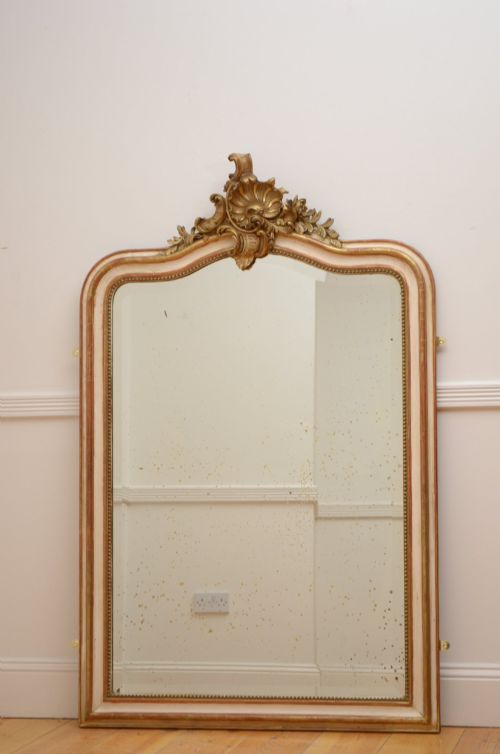
A vintage gilded glass mirror spans several centuries of design, with the nineteenth century heavily represented in current selections alongside eighteenth-century items. These objects appear in forms such as wall mirrors, grand overmantels, pier mirrors, and cheval mirrors.
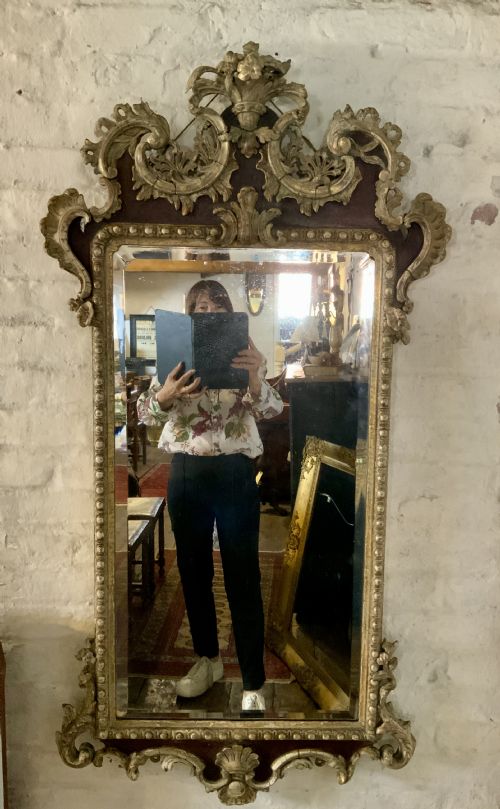
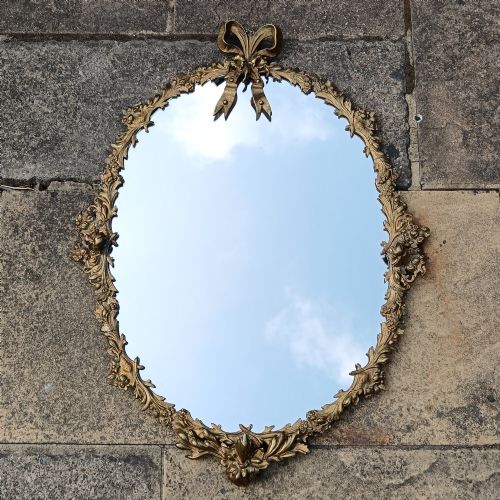
Makers drew on diverse stylistic traditions including Victorian, Regency, Georgian, Rococo Revival, Louis XVI, and Napoleon III aesthetics. Pieces range from modest oval frames to enormous carved shapes designed to dominate a mantelpiece or salon wall.
The most common formats on this page reflect formal European interior decoration, combining traditional wood carvers' work with reflective plates. Buyers encounter both English craftsmanship and continental French or Italian origins.
Materials and construction
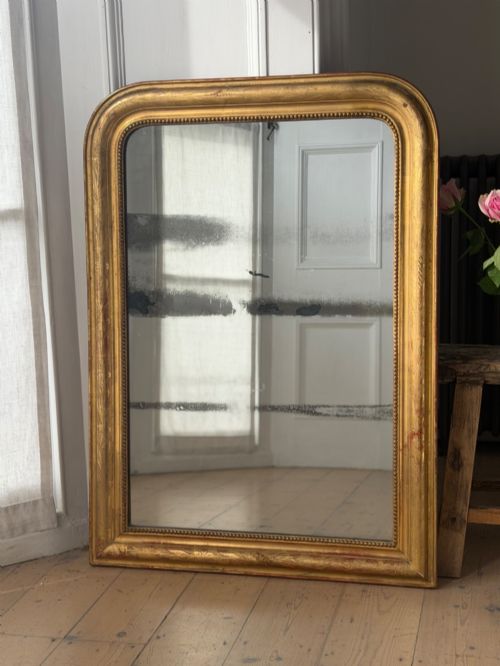
Construction relies heavily on timber substrates such as pine, walnut, or mahogany, shaped and joined to form rigid architectural frames. Artisans applied layers of gesso over the wood to create smooth surfaces suitable for fine carving and subsequent gilding.
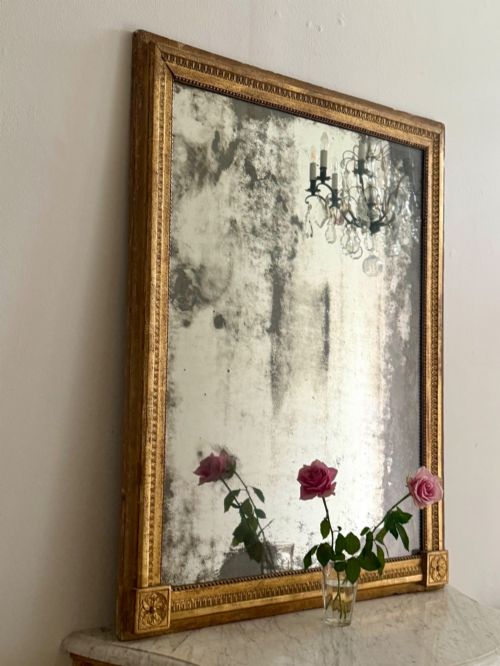
Gold leaf or liquid gilt finishes were laid onto the prepared gesso, often burnished to catch the light effectively in dimly lit historic interiors. Early examples incorporate traditional mirror glass, sometimes displaying foxing or mercury backing from age.
Current selections include pieces spanning the eighteenth, nineteenth, and early twentieth centuries, constructed from giltwood, walnut, and gesso.
Assessing the craftsmanship
Quality rests in the depth and sharpness of the wood carving and gesso work, where skilled hands produce crisp floral motifs, scrolls, and beadwork rather than soft, muddy relief. Superior frames retain their original gold leaf layers with balanced wear that speaks to honest ageing.
The integrity of the mirror plate contributes significantly to the character of the object, with genuine period glass showing subtle distortions or foxed spots that modern replacements lack. Structural stability in the underlying wooden joints ensures the heavy frame supports the glass safely.
The Vintage Gilded Glass Mirror Glossary
- Giltwood
- Wood that has been coated with gold leaf or powder. This finish gives the frame its characteristic metallic gleam.
- Gesso
- A plaster-like mixture applied to wooden frames as a base. Artisans carve fine decorative details directly into this layer before gilding.
- Overmantel mirror
- A large horizontal looking glass designed to hang above a fireplace mantel. These pieces frequently feature shaped tops and elaborate crestings.
- Pier mirror
- A tall, narrow looking glass intended for the wall space between windows. They often coordinate with matching console tables.
- Foxed glass
- Mirror plate showing dark spots or a cloudy patina resulting from the degradation of the reflective backing over decades.
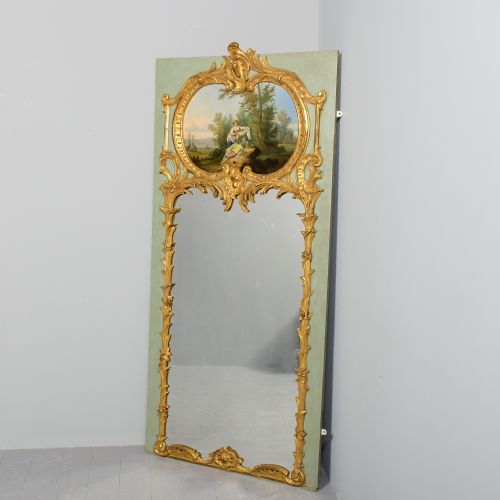
- Trumeau mirror
- A decorative wall mirror incorporating a painted panel or artwork above the glass plate. Originating in France, these pieces served as permanent wall decor.
Vintage Gilded Glass Mirror: Frequently Asked Questions
How do I hang a heavy overmantel mirror safely?
These substantial frames require heavy-duty wall anchors fixed securely into masonry or wooden studs to bear the significant weight safely.
Professional mirror hangers often utilise a French cleat system to distribute the load evenly across the structure.
What causes dark spots on antique mirror glass?
Age causes the silver or mercury backing behind the glass to oxidise, creating characteristic dark patches known as foxing.
This natural patina confirms the antiquity of the mirror plate rather than indicating a modern replacement.
Can I place these mirrors in a bathroom?
High humidity and moisture in bathrooms can damage historic gesso, wood frames, and fragile metal leaf finishes over time.
Dry interior rooms with stable temperatures provide the best environment for preserving antique gilded surfaces.
How do I distinguish Regency styles from Victorian pieces?
Regency frames lean toward classical restraint, often incorporating convex round plates, reeded mouldings, and neat architectural proportions.
Victorian pieces tend toward heavier, ornate decoration with exuberant floral carvings, complex gesso work, and eclectic revival motifs.