

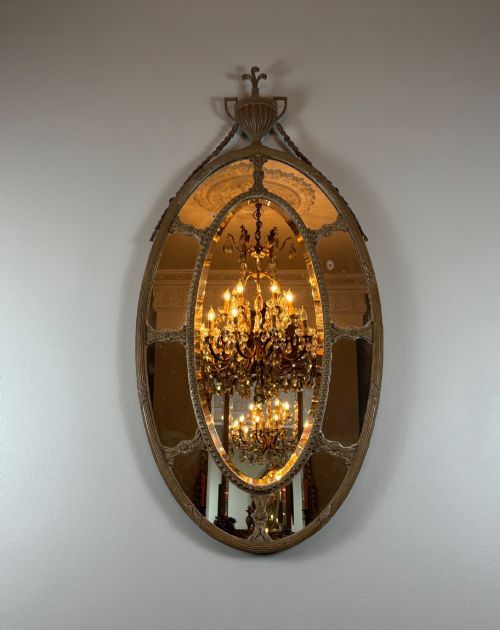


Decorative Mirror Plate
These decorative antique mirror plate pieces bring depth and light to a room through centuries of hand-carving, gilding, and silvering.
Decorative Mirror Plate
A decorative antique mirror plate combines reflective glass with historic frames shaped by traditional hands, creating a focal point that transforms wall space. These items span various centuries, capturing the distinct craftsmanship of past eras.
The versions most commonly met on this page include Victorian wall mirrors, grand overmantel mirrors, and ornate Italian or French styles. Each piece carries the physical marks of its period, from carved wood to bevelled edges.
Buyers seek these items to introduce genuine historic character into modern interiors, valuing the subtle imperfections and authentic foxing found across the glass surfaces. Every example offers a tangible link to historical decorative arts.
How they were made
Makers shaped the frames using timber such as mahogany or carved gesso applied to wood, then enriched the surfaces with gilding, parcel-gilt, or brass mounts. These traditional construction methods ensured sturdy support for the heavy glass.
The glass itself, often referred to as mirror plate or mirror glass, was set into the frames with original fixings, sometimes featuring engraved details or marginal plates that framed the central reflection.
Listings feature items from the eighteenth and nineteenth centuries, utilising materials like giltwood, brass, mahogany, and mirrored glass.
What varies in quality
Quality rests in the harmony between the frame's hand-carved detail and the preservation of the original glass plate. Finer pieces display deeply sculpted foliage, urns, swags, or cherubs that remain crisp and well-defined.
The integrity of the mercury or silver backing also dictates value, where natural foxing adds charm without obscuring the reflective quality. Original plates and untouched gilding elevate a piece far above later restorations.
The Decorative Mirror Plate Glossary
- Mirror plate
- The flat sheet of glass coated with a reflective metallic layer to form the mirror surface. This term distinguishes the glass itself from the surrounding frame.
- Giltwood
- Timber coated with a thin layer of gold leaf over a prepared gesso base. It creates a luminous, warm finish characteristic of fine antique frames.
- Gesso
- A plaster-like mixture applied to wooden frames as a smooth base for gilding or painting. Skilled artisans carved intricate relief details directly into this material.
- Foxing
- The age-induced spots, speckles, and discoloration that develop within the mirror plate over decades. Collectors prize this natural oxidation as proof of great age.
- Overmantel mirror
- A large horizontal mirror designed specifically to hang above a fireplace mantel. These pieces traditionally anchored the decorative scheme of a formal room.
Decorative Mirror Plate: Frequently Asked Questions
What is foxed mirror glass?
Foxed mirror glass refers to the natural breakdown of the reflective silvering behind the glass, which creates dark spots and misty patches. This process occurs slowly over many decades as moisture interacts with the backing.
Rather than a defect, many collectors consider foxing an essential sign of authenticity that proves the plate is genuinely old rather than a modern reproduction.
How do I clean an antique mirror plate?
Clean the glass gently using a soft microfibre cloth and a mild, ammonia-free glass cleaner sprayed onto the cloth rather than directly onto the plate. This prevents liquid from seeping behind the edges and damaging the vulnerable silver backing.
Avoid harsh chemical solvents and abrasive pads, which can scratch the historic glass surface and strip away the fragile remnants of original gilding on the frame.
Are these mirror plates original to the frames?
Many pieces retain their original mirror plate, preserved alongside period frames, though centuries of use mean some plates have been replaced during historic restorations. Listings note original plates where documented by the physical evidence.
Examining the thickness of the glass, the bevel style, and the backboards helps determine whether the plate and frame have remained together since their creation.