
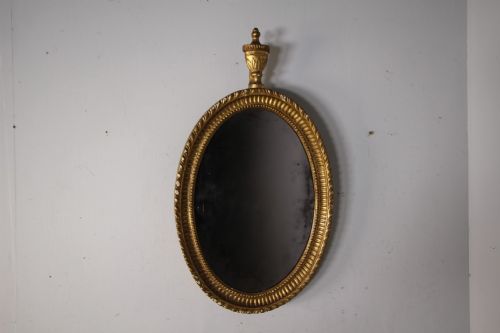
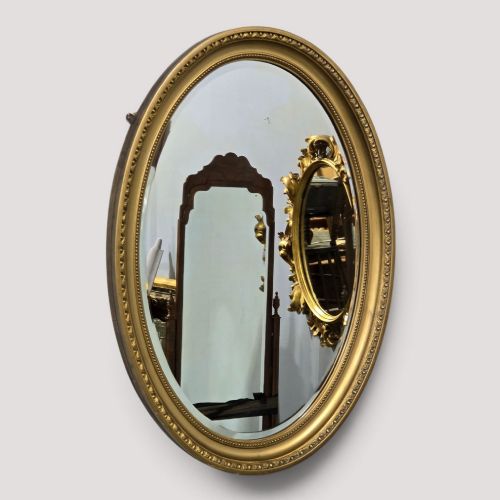

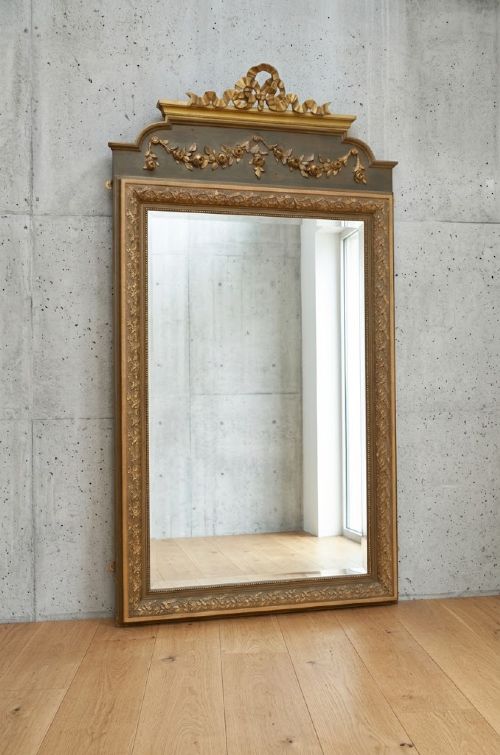
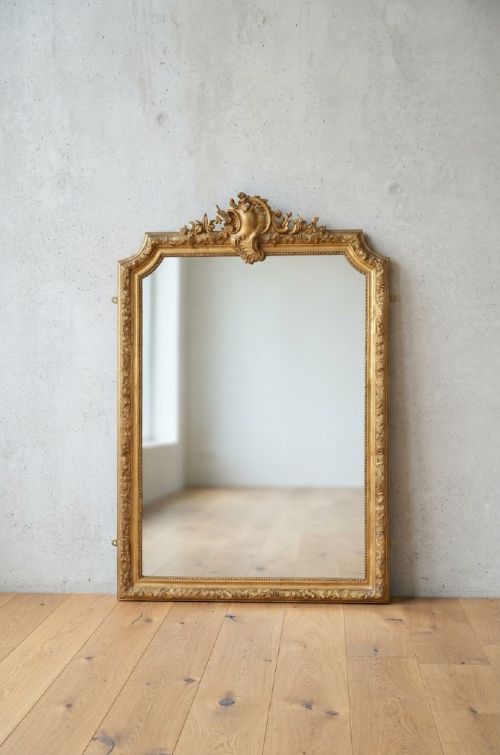
Vintage Gilded Frame Mirror
A vintage gilded frame mirror brings depth and warmth to a room through centuries of craftsmanship and reflective glass.
Vintage Gilded Frame Mirror
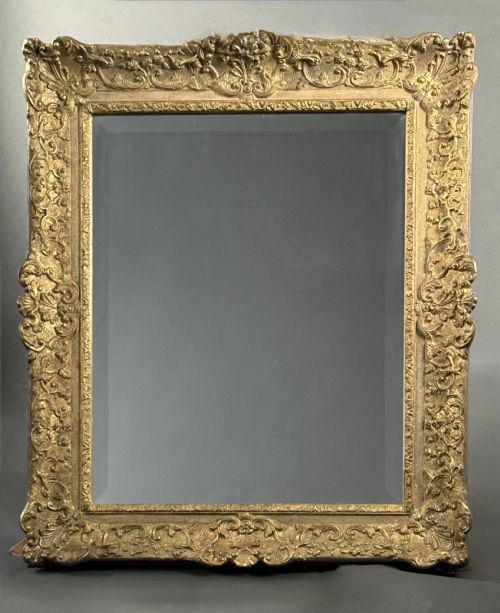
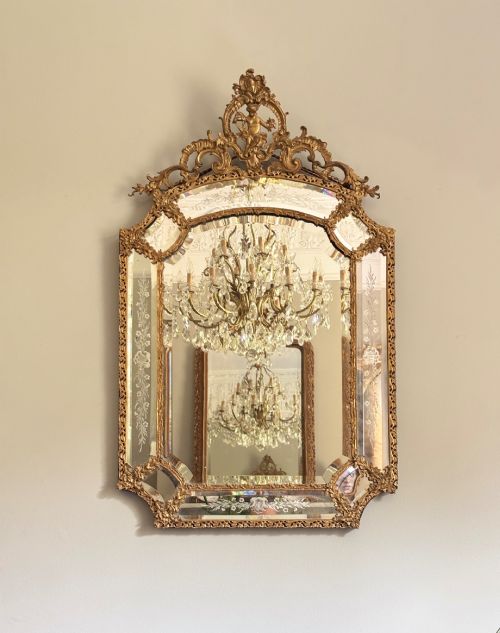
A vintage gilded frame mirror comprises wall-hung and dressing glasses enclosed in decorative wooden or gesso moulding finished with gold leaf, gilt, or composition. Buyers search this phrase to find ornamental accents originating from eighteenth-century workshops through to the early twentieth century.
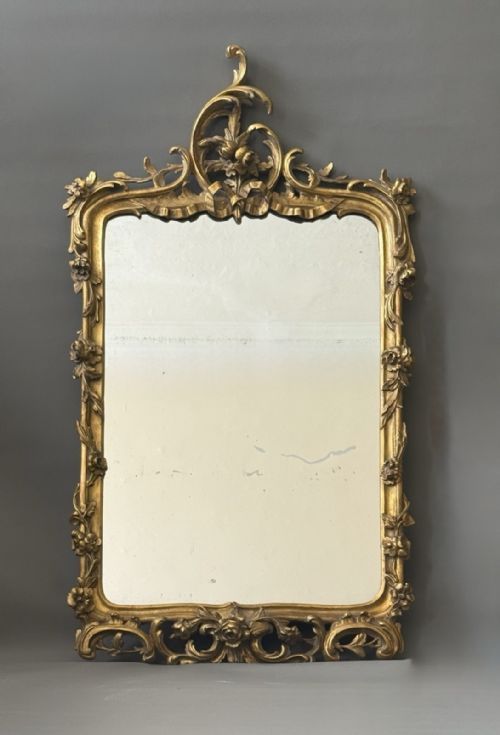
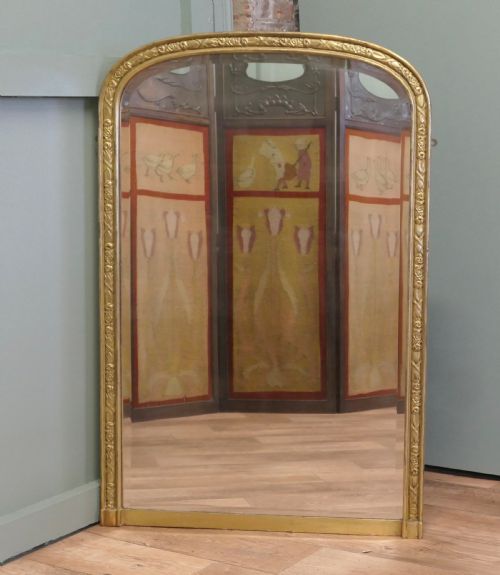
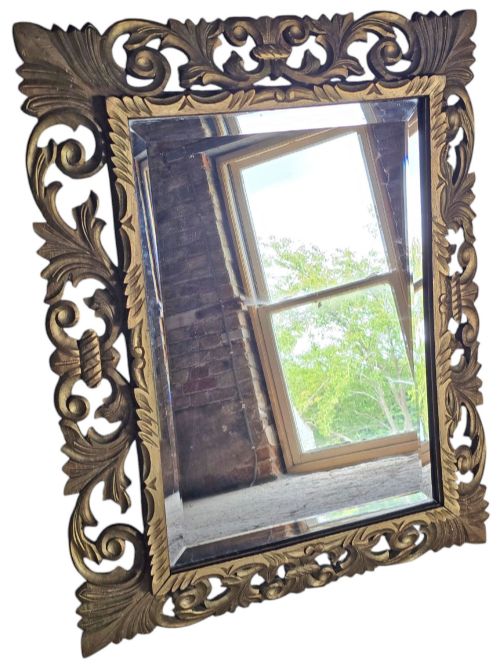
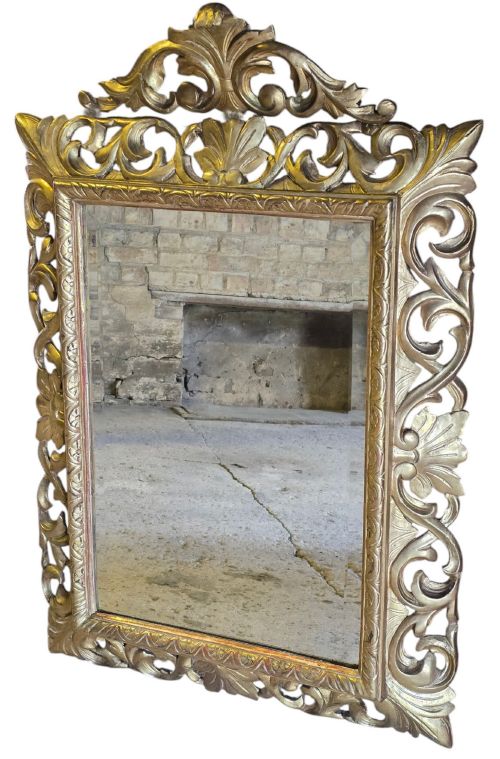
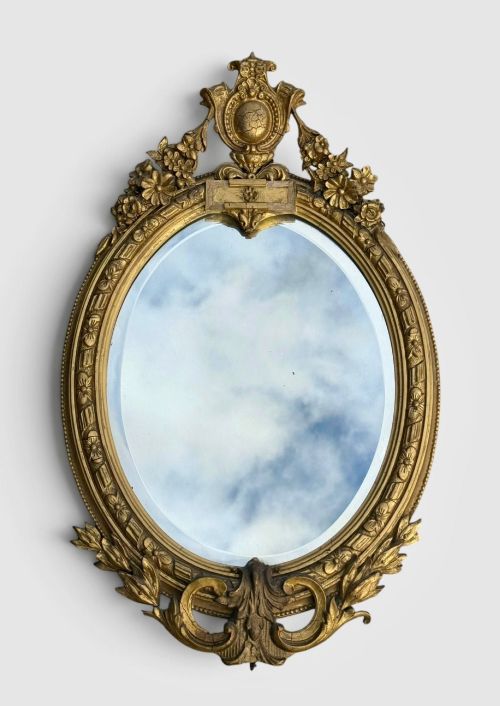
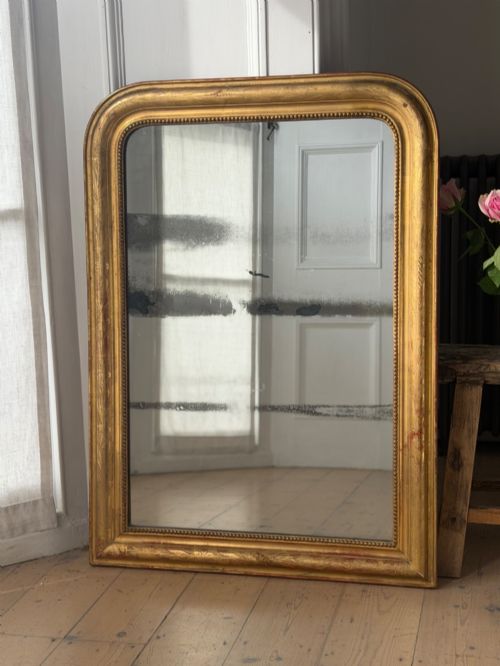
The most common examples on this page are nineteenth-century French and Italian wall mirrors, often displaying Louis Philippe, Rococo, or Florentine styling. These pieces range from compact boudoir ovals to grand overmantel mirrors designed to anchor a principal reception room.
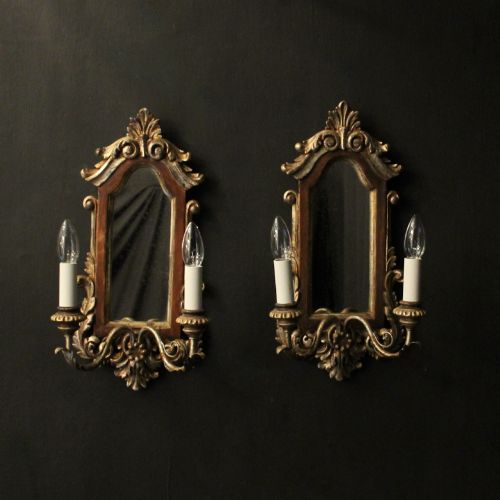
Alongside standard wall mirrors, the selection includes girandoles with candle arms, pier glasses, and floor-standing dressing mirrors. English Georgian fret-cut designs and Victorian timber frames with rose vine carvings also appear frequently.
How they were made
Makers constructed the structural frames from timber such as oak, walnut, or pine, applying layers of gesso to smooth the surface before carving intricate details by hand. Giltwood and gold leaf were then applied directly to the prepared base, or composition mouldings were secured to the wooden carcass.
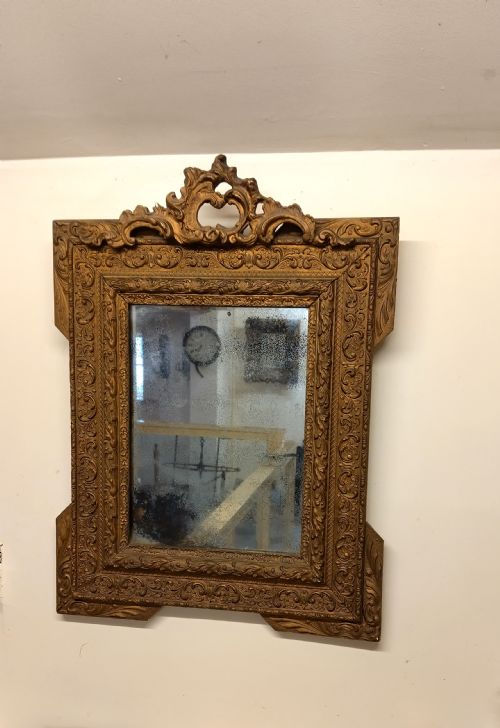
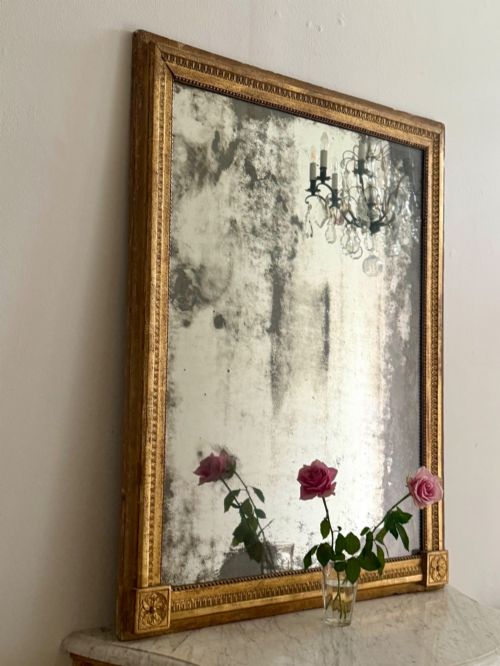
Early examples frequently utilise mercury glass plates that display foxing, oxidation, and subtle dark spots through age. Later twentieth-century items incorporate bevelled plate glass set securely within braced wooden backing boards.
Vintage Gilded Frame Mirror Retail Price Guide 2026
Typical asking prices for vintage gilded frame mirror among the pieces listed under this phrase on Sellingantiques today, from the lower quarter to the upper quarter. They describe what is for sale here now, not the wider market.
Listings span the 18th, 19th, and early 20th centuries, featuring materials such as giltwood, gesso, composition, and mercury glass.
What varies in quality
Quality rests upon the depth and sharpness of the hand-carved detail in the wood and gesso, alongside the purity of the original gilding technique. Superior items exhibit crisp relief work where floral motifs, scrolls, and crests retain their definition beneath the gold leaf.
The integrity of the mirror plate contributes heavily to value, with original mercury glass and hand-engraved details holding distinct appeal for collectors. Frames that retain their original uncleaned gilding surface demonstrate greater authenticity than later over-gilt restorations.
The Vintage Gilded Frame Mirror Glossary
- Giltwood
- Wood that has been coated with gold leaf or gilt finish. This material forms the primary structure for many decorative antique frames.
- Gesso
- A plaster-like mixture applied to wooden frames to create a smooth surface for carving. It allows intricate relief ornamentation before gilding takes place.
- Louis Philippe
- A mid-nineteenth-century French style characterised by restrained classical proportions and rounded upper corners. These mirrors offer understated elegance compared to earlier ornate Rococo designs.
- Girandole
- A wall mirror featuring attached candle sconces or arms. The reflective glass amplifies the candlelight within the room.
- Foxing
- The natural oxidation and spotting that occurs on older mirror plates over time. This ageing process creates distinct dark patches within the glass.
Vintage Gilded Frame Mirror: Frequently Asked Questions
How do I hang a heavy overmantel mirror safely?
Heavy overmantel mirrors require direct attachment to wall studs using robust steel brackets or split battens that distribute the weight evenly across the structure.
Consult a professional installer to ensure the wall construction can support the substantial combined weight of the timber frame and glass plate.
How should I clean an antique gilt frame?
Dust the carved surface gently using a very soft, dry artist brush or ostrich feather duster to remove surface particles without disturbing the delicate gold leaf.
Avoid applying water, chemical solvents, or commercial cleaning sprays directly onto the gilt finish, as moisture strips the historical surface.
What is foxed mercury glass?
Foxed mercury glass refers to the original reflective backing of older mirrors where the chemical amalgam has aged and oxidized, producing charming mottled dark spots.
Collectors prize this characteristic because it proves the antiquity of the glass plate and adds distinctive visual character to the reflection.
How do I identify a Louis Philippe mirror?
Louis Philippe mirrors typically feature a simple rectangular format distinguished by a softly rounded or arched upper frame edge and minimal decorative moulding.
Originating from mid-nineteenth-century France, they balance plain wooden surfaces with subtle classical motifs rather than heavy carving.