
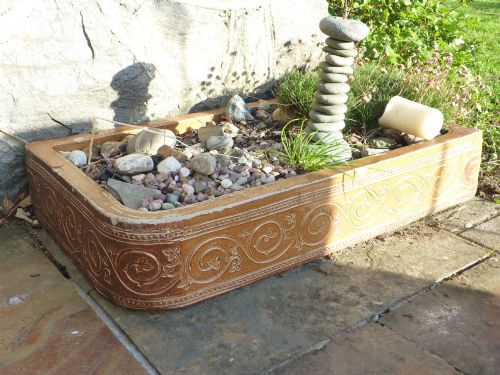
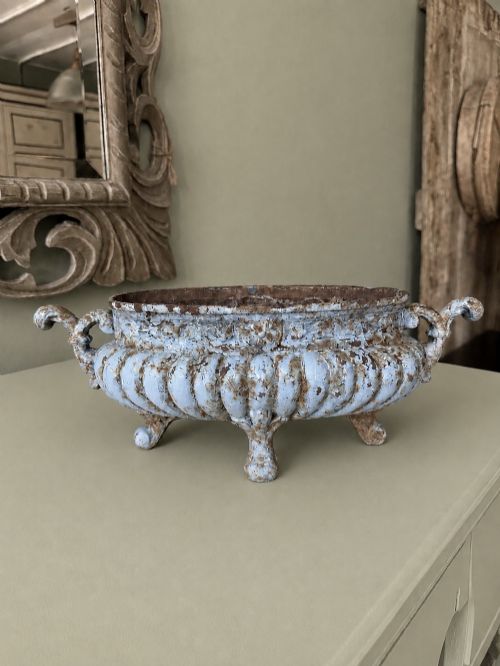
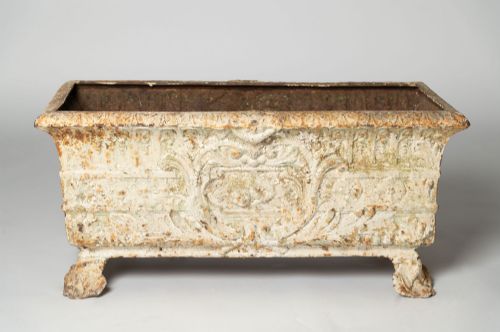
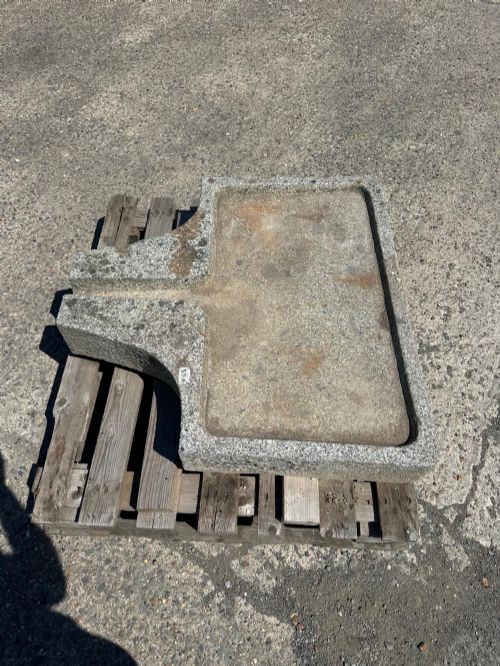


Vintage Garden Trough
These vintage garden trough selections bring heavy stone, cast iron and weathered metal planters into outdoor spaces.
Vintage Garden Trough
A vintage garden trough provides a substantial planting vessel shaped from stone, cast iron, zinc or copper. These items range from eighteenth-century square stone receptacles to nineteenth-century cast iron jardinieres and twentieth-century galvanised metal tubs.
Buyers searching this phrase encounter utilitarian vessels originally built for feeding livestock, washing or storage, alongside pieces manufactured specifically for horticulture. Many examples display architectural origins, including reclaimed stone and wirework plant stands.
The selection includes rustic country forms alongside formal Victorian and Regency garden ornaments. Pieces emerge in materials bearing natural patinas shaped by decades of outdoor exposure.
Materials and Construction
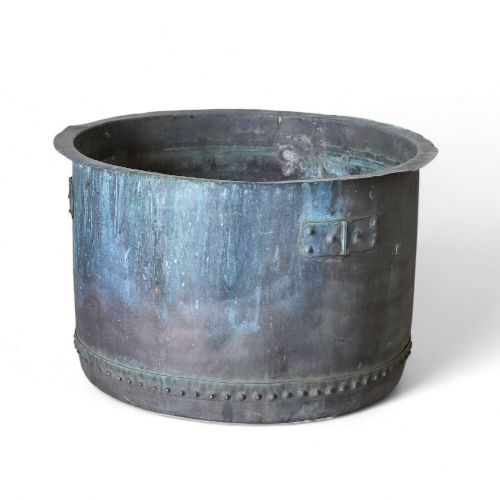
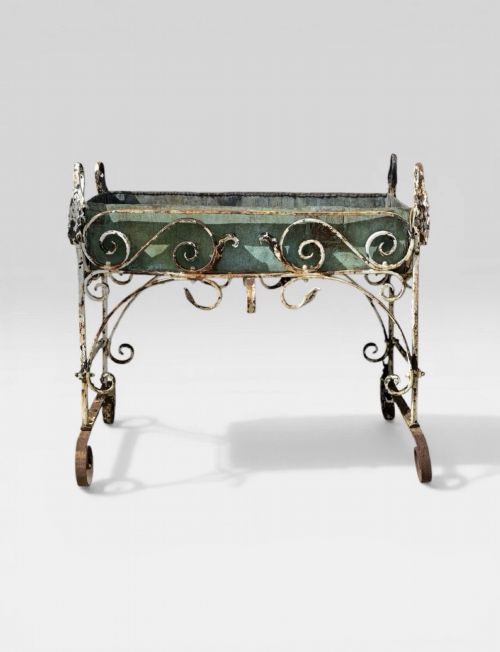
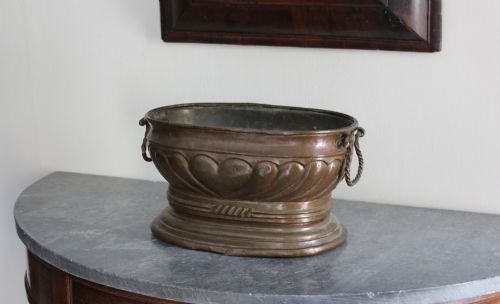
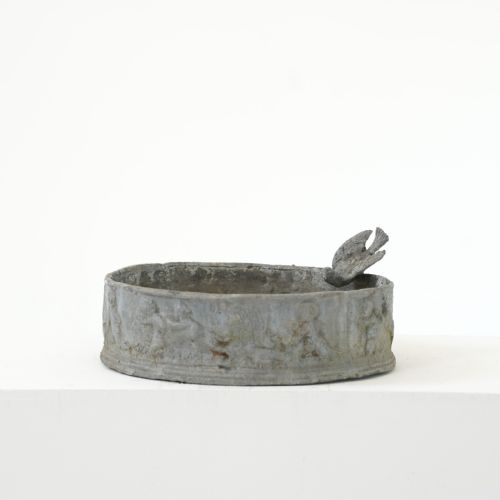
Heavy stone troughs and mortars are carved directly from natural materials such as sandstone, granite, limestone and Purbeck stone. Metal planters utilise cast iron, wrought iron, zinc and hand-riveted copper plates.
Construction methods reflect the intended industrial or domestic function of the original object. Copper and galvanised iron containers rely on visible hand-riveting and soldered joints, while iron urns and planters employ traditional foundry casting.
Listings feature items spanning from the eighteenth century through the twentieth century, incorporating sandstone, limestone, copper and cast iron.
Distinctions in Quality
Quality rests upon the integrity of the material and the character of the surface weathering. Heavy stone items carved from single blocks command attention for their geological grain and age-earned patination.
Metal vessels demonstrate distinction through the crispness of cast iron ornament or the genuine integrity of hand-riveted copper and zinc construction. Original paint remnants and stable oxidisation elevate the visual depth of metal pieces.
The Vintage Garden Trough Glossary
- Jardiniere
- An ornamental pot or stand for holding plants or flowers. These items appear in ceramic, wood, cast iron and zinc.
- Strapwork
- A type of ornamentation consisting of ribbon-like bands folded and interlaced. This decorative technique appears on iron garden planters.
- Patina
- The surface appearance altered by age, weathering, and use. Metal vessels show this through oxidation, while stone develops lichen and softened edges.
- Galvanised
- Iron or steel coated with a protective layer of zinc to prevent rusting. This process appears on utility tubs and tanks adapted for planting.
- Architectural Salvage
- Building materials and garden ornaments rescued from structures destined for demolition. Pieces often originate from country houses or historic estates.
Vintage Garden Trough: Frequently Asked Questions
What plants suit stone troughs?
Alpine plants, miniature conifers and hardy perennials thrive in stone troughs because the dense material buffers root systems against temperature extremes.
Good drainage and suitable soil depth allow slow-growing specimens to establish permanence over many seasons.
How do I protect metal troughs from rust?
Zinc, copper and iron containers develop protective natural oxidation layers that shield the underlying metal from aggressive corrosion.
Keeping drainage holes clear prevents standing water from accelerating structural decay during wet winter months.
Are old stone troughs extremely heavy?
Genuine stone and cast iron troughs possess immense weight due to the density of the raw materials used in their construction.
Positioning these pieces requires careful planning because relocation becomes difficult once soil and plants fill the vessel.
How do I identify the age of a metal planter?
Manufacturing methods reveal chronological clues, such as hand-riveted copper plates indicating nineteenth-century origins rather than modern machine welding.
Surface finishes, fastener types and historical patina patterns help distinguish older workshop production.