
Vintage Garden Pots
These vintage garden pots bring weight and age to outside spaces through weathered terracotta, iron, and copper forms.
Vintage Garden Pots
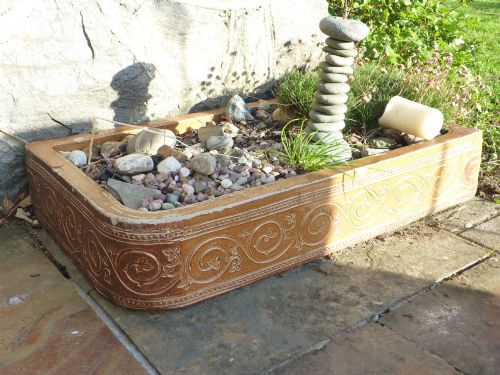
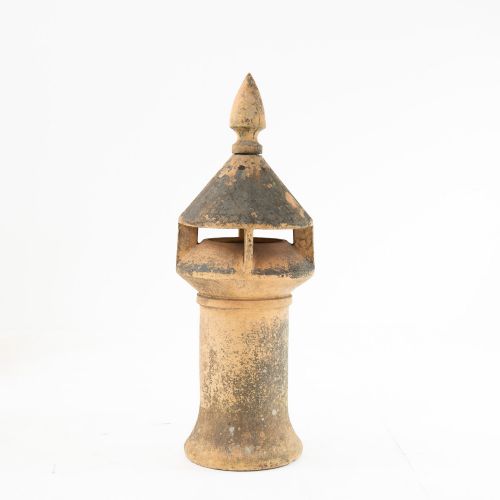
The selection on this page relies heavily on nineteenth-century examples, with Victorian and French country styles appearing frequently. Terracotta and cast iron dominate the forms, ranging from classical campana urns to rustic strawberry planters and repurposed chimney pots.
Buyers find pieces originating from English, French, and Scottish workshops, spanning utilitarian dairy crocks to decorative display pots. These vessels bring distinct historical character to gardens, patios, and orangeries through aged surfaces and traditional silhouettes.
How they were made
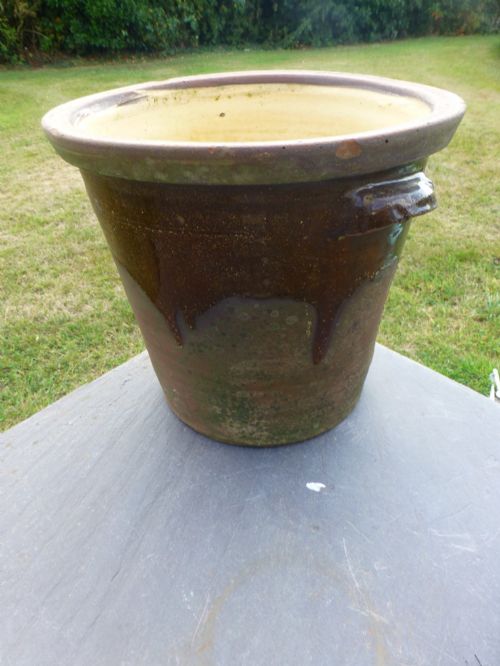
Terracotta and ceramic pots were shaped using traditional throwing or moulding techniques, then fired in kilns to create porous vessels suitable for plant growth. Some pieces feature salt glazes or drip glazes applied before firing to alter the surface texture and appearance.
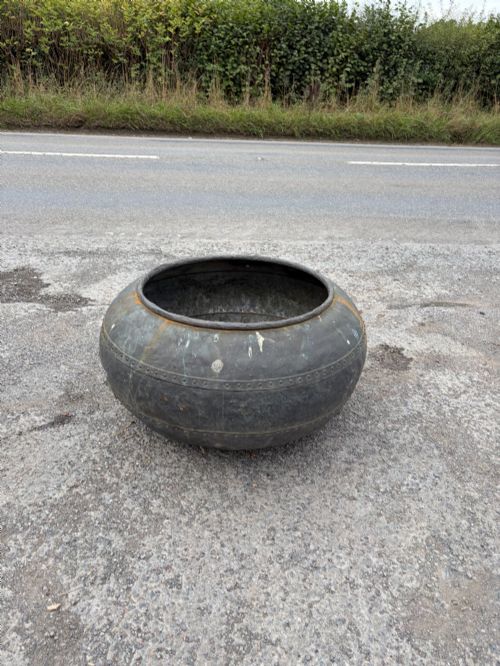
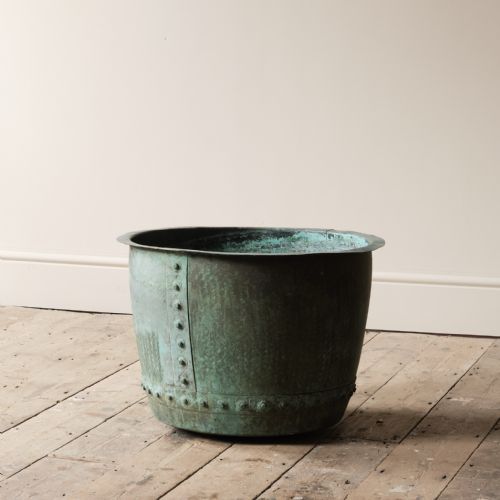
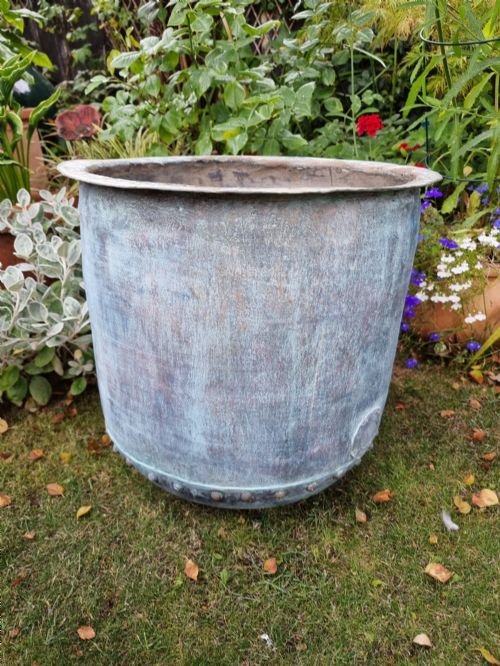
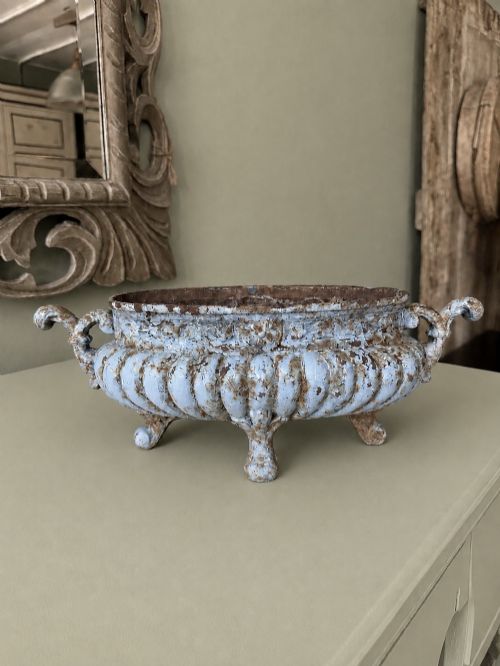
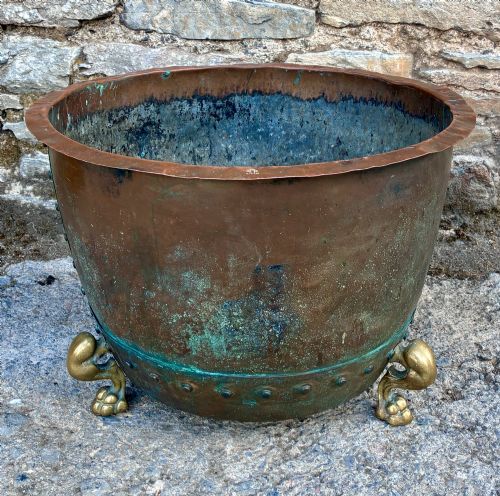
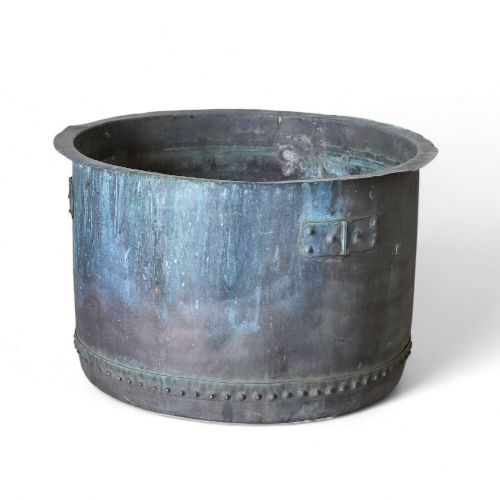
Metal vessels rely on contrasting construction methods, utilising hand-riveted copper sheets for boilers and display pots, alongside cast iron poured into moulds to form urns and detailed planters. Artisans finished these metal pieces with natural patinas, verdigris, or painted surfaces that weather over decades.
One historic stone planter incorporates material salvaged directly from the Houses of Parliament after damage sustained during the Blitz in World War II.
What varies in quality
The strength of the casting or the purity of the clay defines the structural integrity of each piece. Superior examples display crisp moulding on cast iron urns or even thickness in handmade terracotta bodies, ensuring the vessel withstands moisture and frost over time.
Surface evolution and originality separate standard utility items from distinguished display pieces. Natural patination, original paint remnants, and well-preserved maker attribution or regional characteristics elevate the visual depth and historical interest of individual pots.
C. R. Stevens·Andrew Handyside·Guichard Carriès
The Vintage Garden Pots Glossary
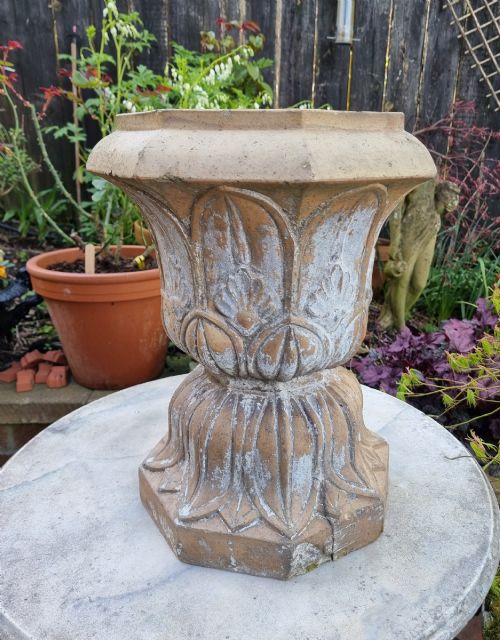
- Campana urn
- A bell-shaped garden vessel with a flared rim, often mounted on a pedestal base. This classical silhouette originates from antiquity and gained popularity during the Victorian period.
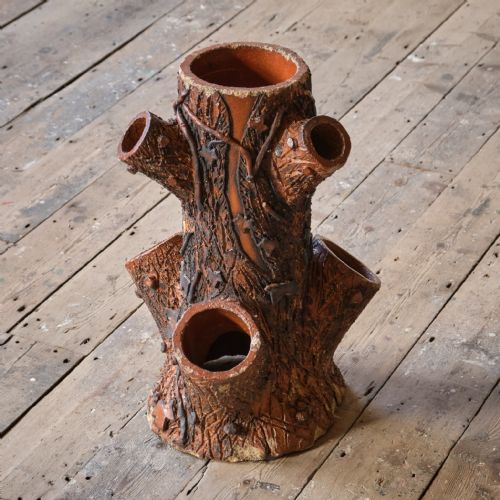
- Faux bois
- An imitation of wood executed in another medium, such as terracotta or concrete. Artisans sculpt the surface to resemble natural tree bark or rustic timber branches.
- Jardiniere
- An ornamental pot or stand designed to hold flowering plants indoors or outdoors. These decorative vessels frequently appear in cast iron, ceramic, or copper.
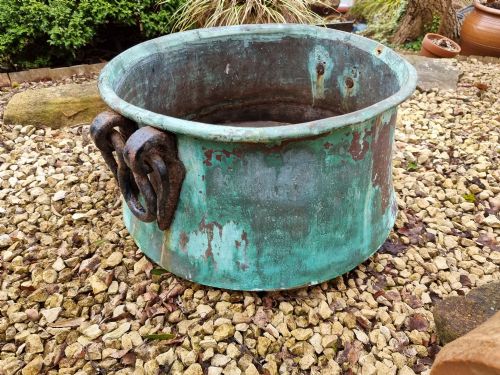
- Verdigris
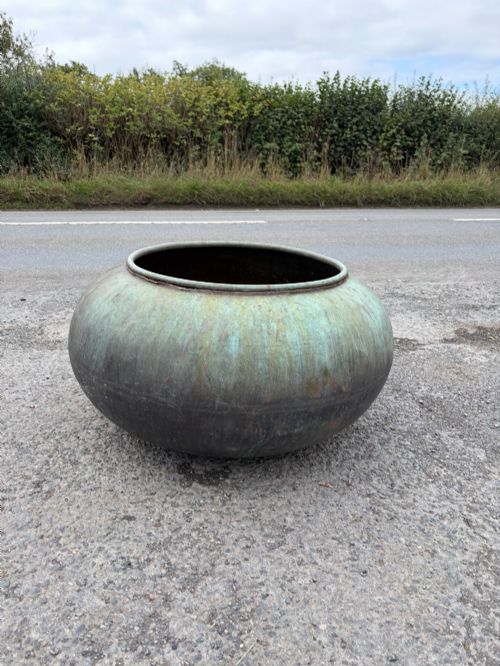
- A green patina formed naturally on copper, brass, or bronze surfaces through atmospheric oxidation. This chemical weathering provides a distinct aged finish.
- Rhubarb forcer
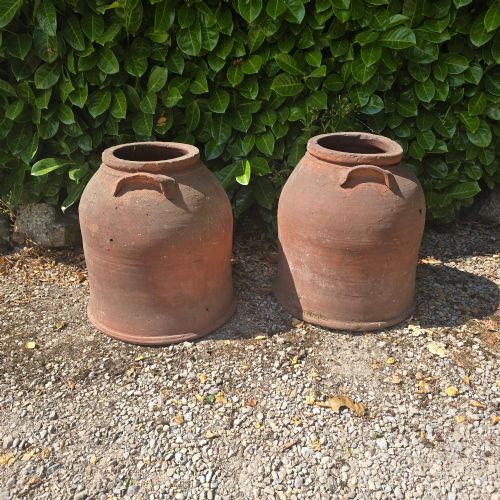
- A tall, domed ceramic vessel used in gardens to exclude light and force early growth of rhubarb shoots. These specialised agricultural pieces now function as architectural planters.
Vintage Garden Pots: Frequently Asked Questions
How do I protect vintage garden pots from frost?
Porous materials like terracotta absorb moisture that can expand when temperatures drop below freezing, leading to cracking or splitting. Lifting pots off the ground using pot feet and emptying them during winter helps prevent frost damage.
Heavier cast iron and stone vessels handle cold weather more robustly, though sheltering delicate glazed ceramics inside a greenhouse or shed during severe frosts extends their longevity.
Can I plant directly into antique copper pots?
Planting directly into copper is possible, but the damp soil and acidic fertilizers can accelerate corrosion and alter the metal surface. Ensure adequate drainage holes exist to prevent water accumulation at the base.
Many gardeners prefer placing a plastic nursery pot inside the copper container to protect the historical metal while maintaining the visual display of the outer vessel.
How do I identify a Victorian cast iron urn?
Victorian cast iron urns typically display heavy, solid construction with classical motifs such as acanthus leaves, egg-and-dart rims, or campana silhouettes. Examining the underside and seams often reveals rough casting marks or evidence of early paint layers.
Many pieces from this era reflect Neoclassical or Gothic Revival influences, matching the formal garden design tastes of nineteenth-century Britain.
What is the difference between a jar and an urn?
Urns generally feature a stemmed foot or pedestal base supporting a wider bowl, often with handles or classical decorative relief. They were designed primarily for ornamental display in gardens and orangeries.
Jars possess a more self-contained, bulbous body without a distinct pedestal, historically serving storage functions for oil, wine, or dry goods before finding new life as garden planters.