



Antique Chimney Pots
These antique chimney pots and related hearth ironmongery bring enduring architectural presence and rugged vernacular character to gardens and period interiors.
Antique Chimney Pots
When you search for antique chimney pots, you encounter heavy architectural salvage and robust fireplace accessories spanning the eighteenth and nineteenth centuries. These sturdy vessels and iron mechanisms originated as functional fixtures for coal fires and rooftop smoke extraction before finding new life in gardens and architectural schemes.
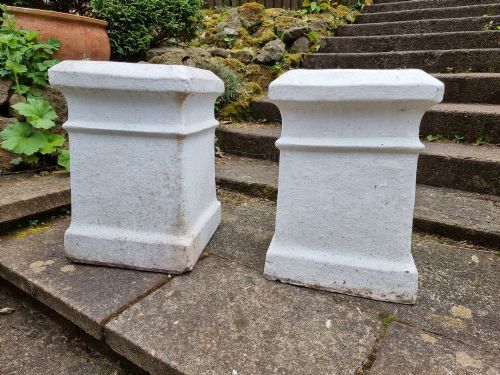
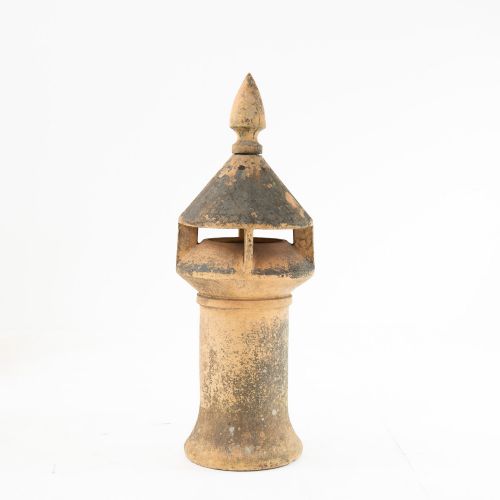
The selections available here range from tall buff clay and terracotta cylinders to hand-forged wrought iron cranes and trammel hooks. Terracotta pots and clay columns dominate the architectural offerings, frequently repurposed as garden pedestals or planters.
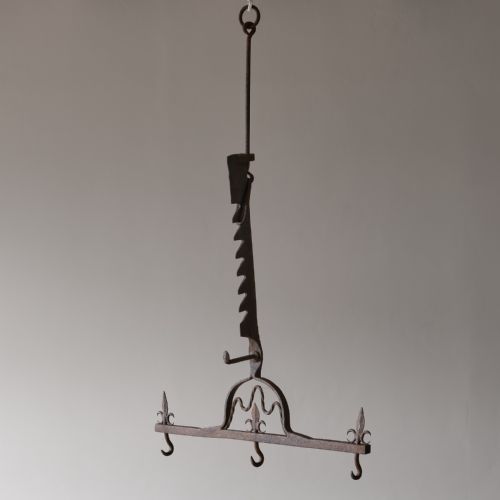
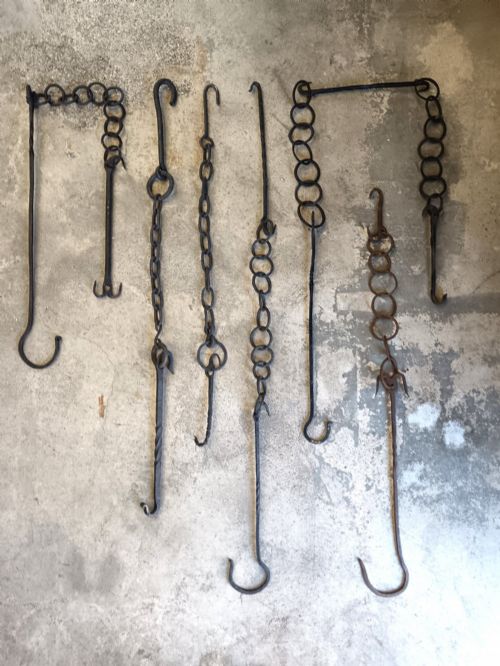
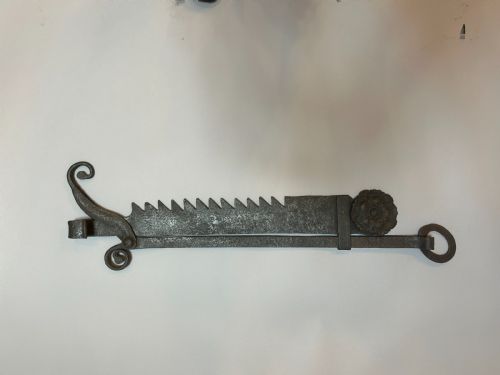
Alongside ceramic stacks, you find heavy iron hearth equipment including chimney jacks, trammels, and pot hangers rooted in Georgian and Victorian domestic life. Welsh vernacular pieces and rustic country ironmongery provide smaller, highly tactile examples of period metalwork.
How they were made
Makers shaped the ceramic pieces from buff clay and terracotta, throwing or moulding them into tall cylindrical forms designed to withstand intense heat and weathering. These earthen materials result in heavy, porous structures that weather naturally over decades outdoors.
The metal components rely on hand-forged wrought iron and brass, shaped by blacksmiths using traditional hammering and joining techniques. Items like chimney cranes and trammel hooks exhibit visible forge marks, riveted joints, and adjustable ratchets built for daily kitchen utility.
Antique Chimney Pots Retail Price Guide 2026
Typical asking prices for chimney pots among the pieces listed under this phrase on Sellingantiques today, from the lower quarter to the upper quarter. They describe what is for sale here now, not the wider market.
One nineteenth-century garden sundial spent its earlier career moonlighting as an unusually shaped Victorian chimney.
What varies in quality
Quality in these pieces rests upon the integrity of the material and the ambition of the maker's hand. Plain utility ironwork contrasts with elaborate, articulated hearth cranes featuring sophisticated adjustment mechanisms and Welsh vernacular blacksmithing details.
Ceramic examples vary according to scale, firing density, and surface modelling, such as exhaust cowls bearing maker stamps. Taller clay pots and matched pairs demonstrate greater architectural presence than standard single salvage items.
C. R. Stevens
The Antique Chimney Pots Glossary
- Chimney pot
- A hollow ceramic or clay cylinder placed atop a chimney stack to improve draught and expel smoke. They appear in buff clay and terracotta.
- Trammel hook
- An adjustable iron hook suspended in a chimney to hold pots and kettles at varying heights over the fire. They feature notched bars for precise vertical positioning.
- Hearth crane
- A pivoting iron arm mounted inside a large fireplace to swing heavy cooking vessels on and off the heat. These substantial fixtures require robust wall fixings.
- Architectural salvage
- Building components rescued from older structures for reuse in landscaping or interior design. This category includes chimney pots utilised as garden pedestals.
- Terracotta
- A hard, unglazed fired red clay commonly used for chimney pots and garden ornaments. The material develops an attractive weathered patina over time.
Antique Chimney Pots: Frequently Asked Questions
What were antique chimney pots used for?
These ceramic vessels sat atop rooftop chimney stacks to improve smoke evacuation and protect flues from the weather. Their robust construction allowed them to endure decades of exposure to soot, wind, and rain.
Today, many find new purpose repurposed as garden planters, architectural pedestals, or sculptural focal points in outdoor landscapes.
How do I identify a Georgian chimney pot or iron accessory?
Georgian and eighteenth-century ironwork typically displays hand-forged characteristics such as uneven hammered surfaces, visible riveted joints, and simple utilitarian ingenuity. Clay and terracotta examples from this era are heavier and less standardised than later Victorian production.
Maker signatures, stamped foundry marks, and distinct regional blacksmithing traits also help anchor pieces to specific periods.
Can I use antique terracotta chimney pots in the garden?
Terracotta and buff clay pots tolerate outdoor placement well, functioning effectively as garden pedestals or plant containers. Their porous clay construction breathes naturally, though freezing winter conditions require proper drainage to prevent cracking.
Positioning them on gravel or raising them slightly off damp soil helps preserve the historic ceramic material over the seasons.
What is the difference between a trammel and a chimney crane?
A trammel is an adjustable suspended hook mechanism designed to alter the hanging height of a pot over an open hearth fire. It hangs vertically from a fixed lug or chimney bar.
A chimney crane is a pivoting horizontal iron arm mounted to the masonry inside the fireplace, allowing heavy cooking pots to swing smoothly into and out of the flames.