




Antique Style Stone Urns
Antique style stone urns bring classical form and enduring presence to garden terraces and interior rooms alike.
Antique Style Stone Urns
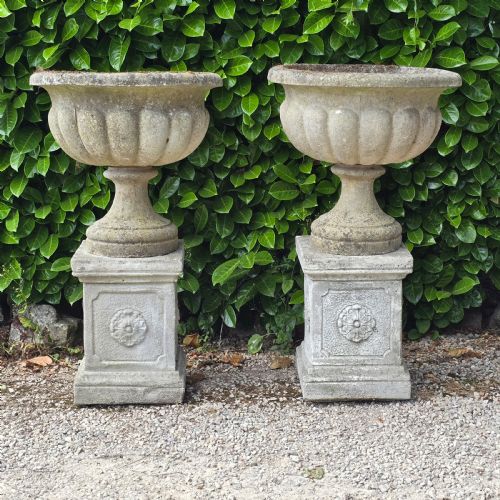
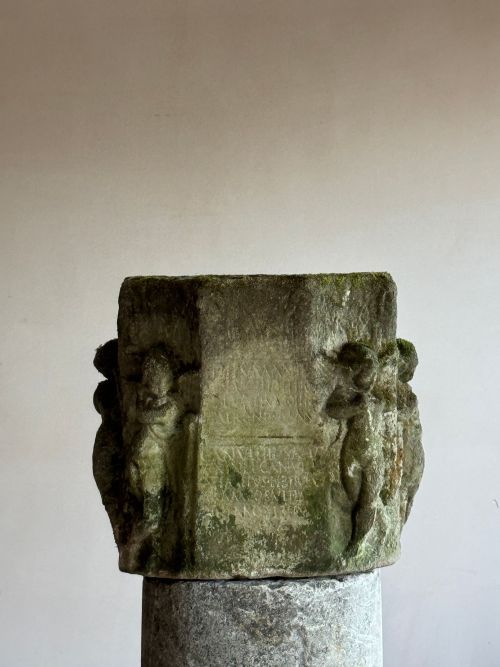
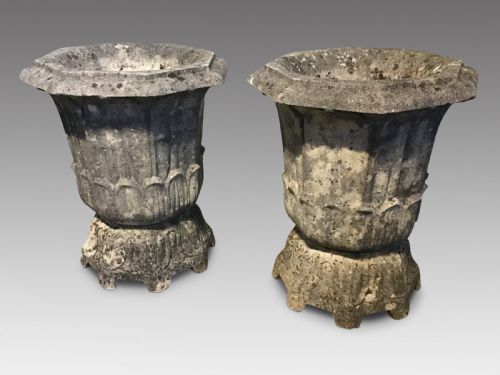
When you search for antique style stone urns, you encounter garden pieces and interior ornaments drawing upon classical, Gothic, and Egyptian revival vocabularies. These vessels take forms such as campana shapes, Roman funerary altars, and garden planters designed to anchor a terrace or room.
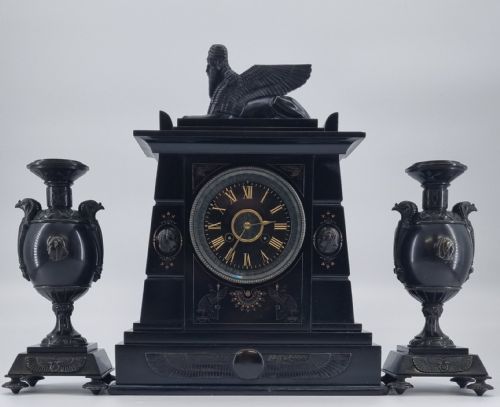
The selections span the nineteenth and twentieth centuries, incorporating periods from the Regency era through the Edwardian period to mid-century examples. Alongside traditional garden ornaments, the groupings include decorative items and mantel clocks executed in stone and marble.
You meet pieces originating from various aesthetic traditions, including French classical designs and Anglo-Indian pietra dura work. Each object adapts ancient sculptural motifs for domestic or garden display.
How they were made
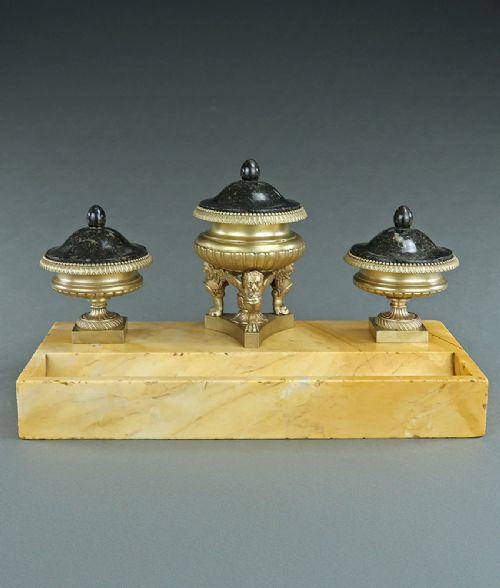
Makers utilised natural stones such as Sienna marble and composite materials like cast stone and reconstituted stone to shape these vessels. Such materials allowed craftsmen to carve intricate details like acanthus leaves or cast robust forms for outdoor settings.
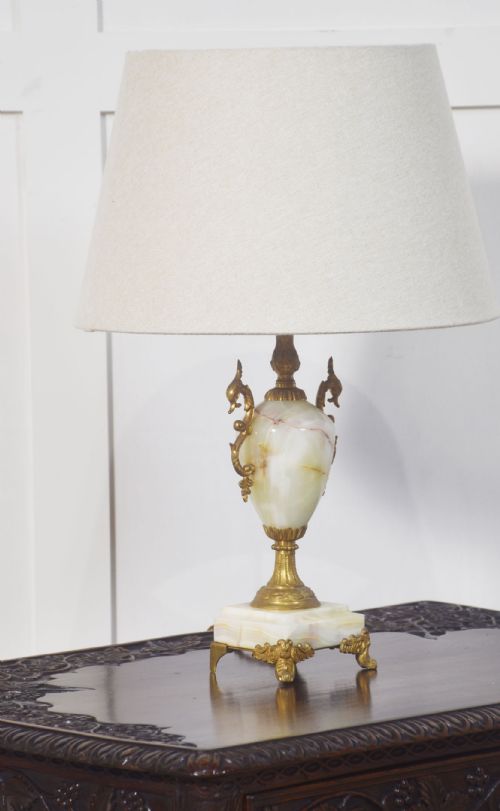
Many items incorporate metal mounts, ormolu, gilt bronze, and brass to accent the stone bodies. This combination of stone and metal work defines pieces ranging from large garden pedestals to mantel garnitures.
Grand Tour travellers in the nineteenth century returned with miniature marble vessels, sparking a lasting domestic appetite for ancient Greek styles.
What varies in quality
The refinement of the carving and casting separates standard production from superior work. Crisp foliage details and well-proportioned profiles indicate a higher level of sculptural skill.
The selection of the material itself dictates the character of the piece, from richly figured Sienna marble to solid cast stone intended for the garden. The integration of metal mounts and the handling of classical proportions also distinguish finer examples.
The Antique Style Stone Urns Glossary
- Campana form
- A bell-shaped vessel with a flared rim and a footed base. This silhouette originates from ancient Greek and Roman pottery.
- Cast stone
- A building product manufactured from aggregate and cement, used to create durable garden ornaments and architectural elements. It mimics the appearance of natural quarried stone.
- Garniture
- A set of decorative matching objects, often a clock flanked by matching vases or urns, placed on a mantelpiece. These sets became popular during the nineteenth century.
- Pietra dura
- An inlay technique using cut and fitted polished coloured stones to create pictorial designs. It appears on marble vases from the Raj period.
- Ormolu
- Gilt bronze mounts applied to furniture, clocks, and decorative objects. The technique involves coating bronze with a gold amalgam.
Antique Style Stone Urns: Frequently Asked Questions
Where should I place a stone urn?
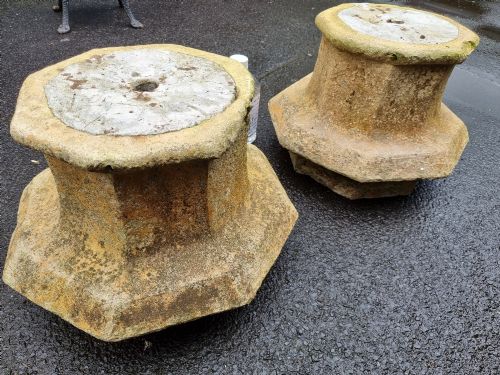
Garden urns and plinths suit outdoor terraces, lawns, and garden pathways where they weather naturally over time.
Smaller decorative stone vessels and marble pieces function well indoors on tables, pedestals, or mantelpieces.
How do I care for stone urns?
Outdoor cast stone and composite pieces require gentle cleaning with water and a soft brush to remove dirt and moss without damaging the surface.
Interior marble and stone items need only dusting with a dry cloth to preserve their polished finish.
What periods do these pieces date from?
The pieces span the nineteenth and twentieth centuries, encompassing Victorian, Edwardian, and Regency eras alongside mid-century items.
Styles draw heavily from earlier revivals including neoclassical, Gothic, and Egyptian motifs.
Are these urns meant for gardens?
Some pieces are specifically cast for garden use on pedestals and planers, while others are interior decorative urns and clocks.
Materials range from weather-resistant cast stone to delicate Sienna marble unsuited for outdoor exposure.