
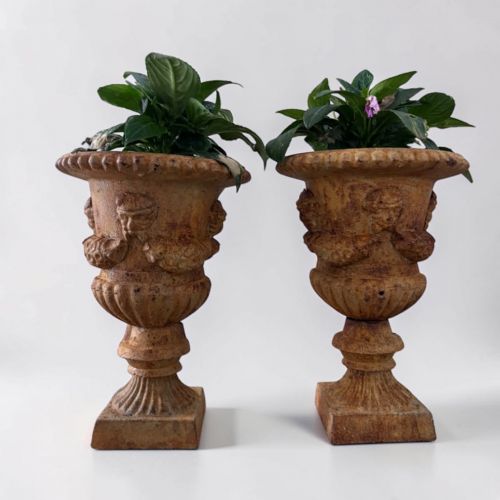


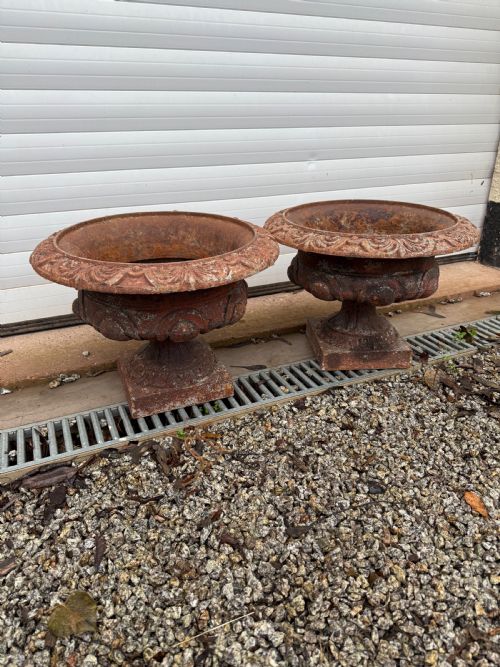


Rusted Iron Urn
These rusted iron urn pieces bring classical garden design directly to your terrace, offering robust weight and genuine outdoor character.
Rusted Iron Urn
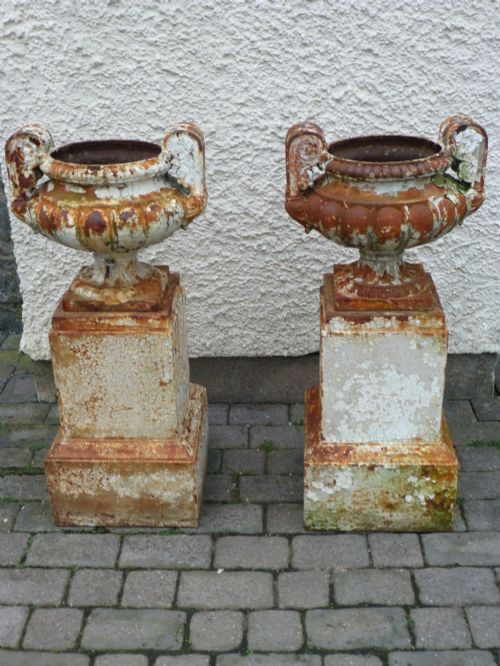
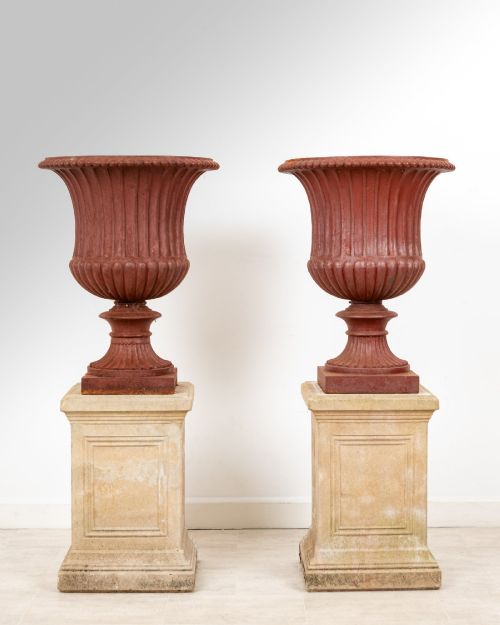
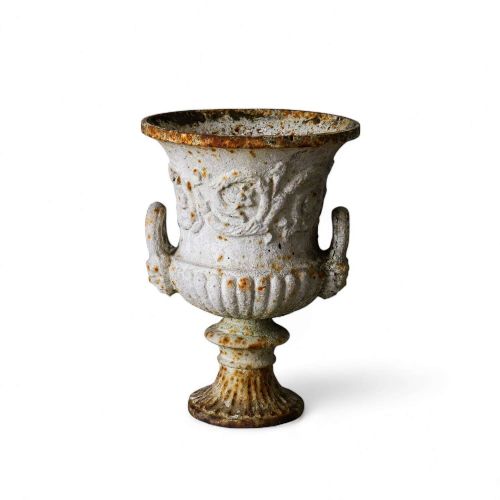
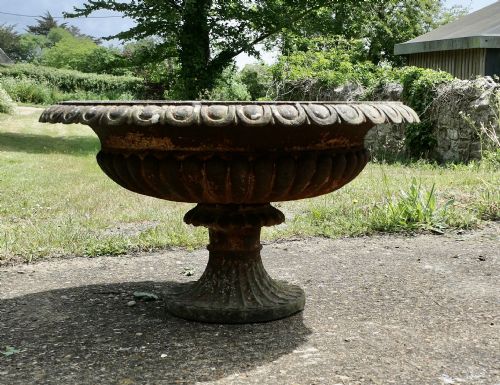
A rusted iron urn stands as a classical focal point in gardens and grounds, taking forms such as the shallow campana shape or deep garden jardiniere. Buyers searching for a rusted iron urn will frequently encounter robust cast iron vessels paired with matching stone pedestals or original plinths.
The pieces appearing on this page span the Regency, Victorian, and Edwardian periods, alongside specific dates like eighteen ninety and eighteen sixty. Neoclassical and Victorian Classical Revival styles heavily influence these robust garden ornaments, often showing extensive weathering across their surfaces.
Materials and construction methods
Foundries shaped these heavy garden vessels using durable cast iron, pouring molten metal into moulds to achieve classical contours and fluted bodies. Paint finishes originally protected the metal, though decades outdoors have worn these coatings away to leave authentic rust and weathered textures.
Distinctions in quality and character
Quality in these garden vessels rests upon the crispness of the cast iron detailing and the presence of documented foundry origins. Pieces bearing maker attribution or retaining their original stone pedestals and matching plinths display superior provenance.
The depth of the natural weathering and the structural integrity of the heavy metal walls dictate desirability among collectors. Examples with well-balanced proportions and elegant campana contours stand apart from simpler utility planters.
Falkirk Carron foundry·Andrew Handyside
The Rusted Iron Urn Glossary
- Campana urn
- A bell-shaped garden vessel with an everted rim and a tapering body, widely produced during the nineteenth century. This classic form draws heavily from ancient Roman models.
- Plinth
- A heavy rectangular or square base that elevates a garden vessel above the ground. Original plinths improve the overall proportion of the piece.
- Neoclassical
- A design style inspired by classical antiquity, favouring symmetry and formal architectural motifs. It dominates the ornamentation of these nineteenth-century pieces.
- Jardiniere
- A large ornamental pot or container designed to hold growing plants or flowers. These vessels often feature decorative handles or gadrooned rims.
- Weathered
- The natural alteration of metal and stone surfaces through prolonged exposure to outdoor elements. This process creates the distinctive rusted iron finish.
Rusted Iron Urn: Frequently Asked Questions
How do I care for a rusted iron urn outside?
These robust metal vessels require very little maintenance when placed on stable ground in the garden. Rain and natural weathering will continue to deepen the surface character without harming the heavy structure.
Ensure the drainage hole remains clear so water does not pool inside during freezing weather. Placing the base on gravel or stone prevents moisture from rising up from the earth.
Are these urns heavy to move?
Cast iron is extremely heavy, and these garden vessels often require two or more people alongside lifting equipment to position safely. The matching stone pedestals add substantial extra weight to the overall assembly.
Plan the exact final location in your garden before delivery to avoid repeated heavy lifting. Once placed on a level terrace or lawn, their sheer weight keeps them securely in position.
How do I distinguish Regency pieces from Victorian ones?
Regency designs often show sharper neoclassical restraint and crisp casting details, reflecting early nineteenth-century architectural tastes. Foundry marks and specific plinth styles frequently help clarify the exact period of manufacture.
Victorian examples tend toward heavier classical revival ornamentation and broader proportions. Comparing the rim profile and pedestal design reveals subtle shifts in period aesthetics.
Can I plant directly inside these metal urns?
Gardeners have planted directly inside these cast iron vessels for generations, provided the internal drainage functions properly. Adding a layer of gravel at the base improves water flow and protects the metal interior.
Some owners prefer using a fitted plastic pot inside to make seasonal planting changes much simpler. Both methods allow you to enjoy flowers and shrubs while preserving the interior surface.