

Vintage Garden Planter Urn
A vintage garden planter urn brings classical form and weathered charm to an outdoor space, holding soil and foliage with enduring weight.
Vintage Garden Planter Urn
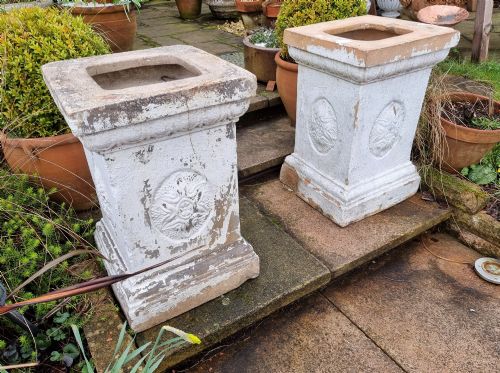
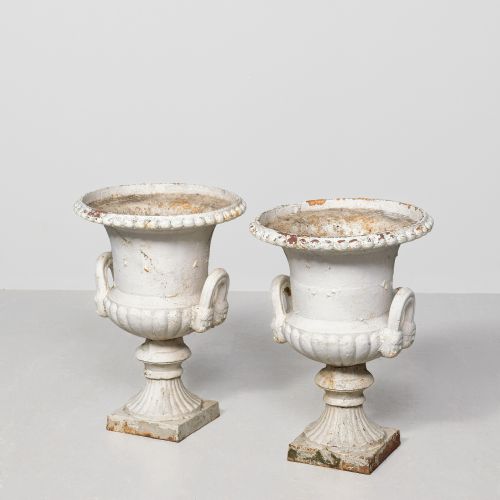
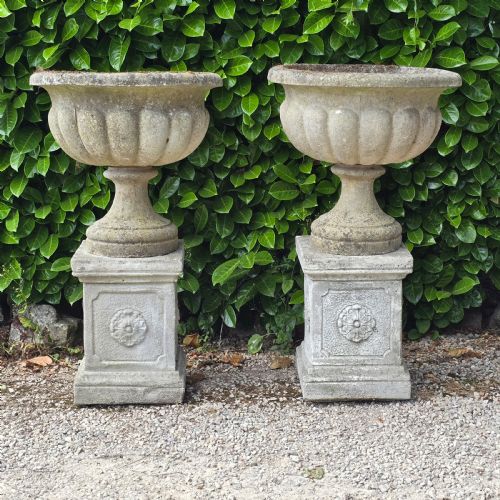
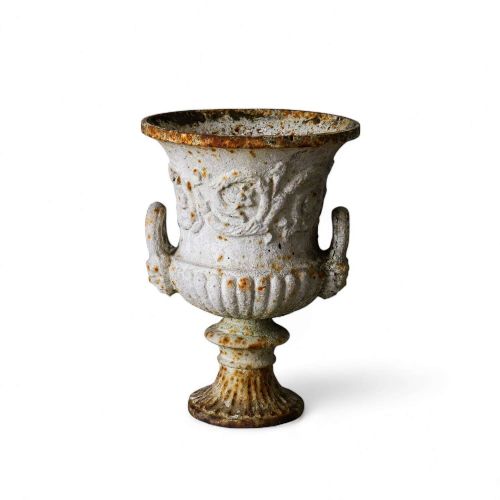
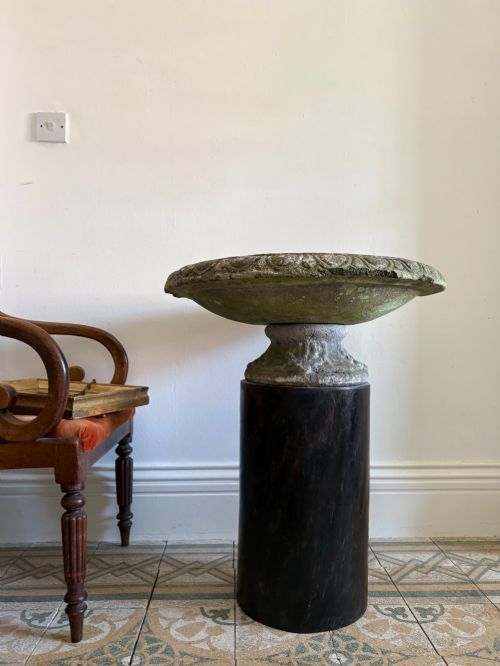
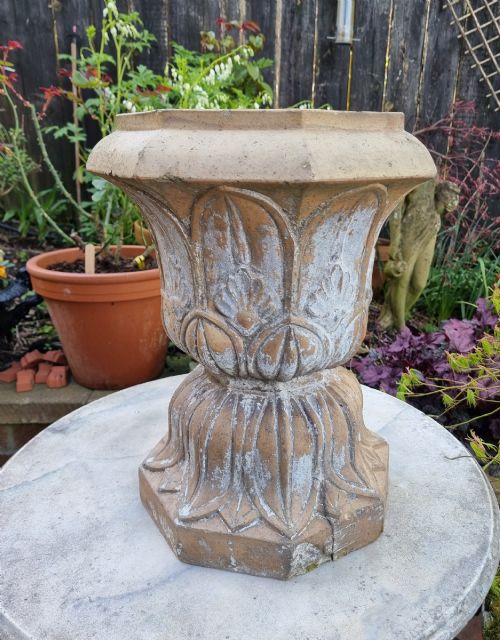
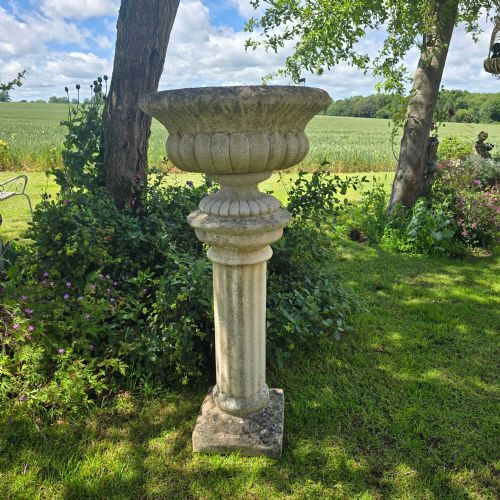
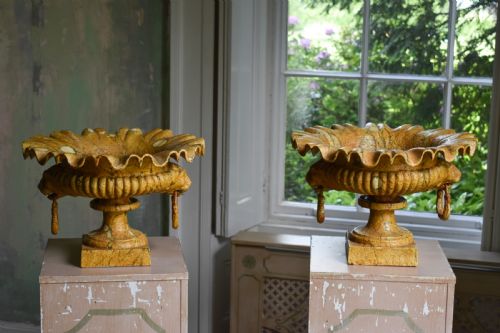
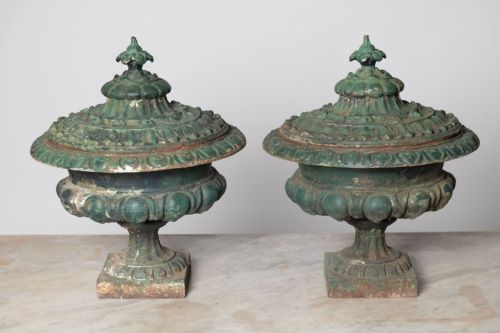
A vintage garden planter urn encompasses sturdy vessels cast in iron or shaped from clay, designed to display plantings upon terraces and lawns. The most frequent versions appearing here take the traditional Campana shape, sitting either directly on the ground or raised upon matching plinths and pedestals.
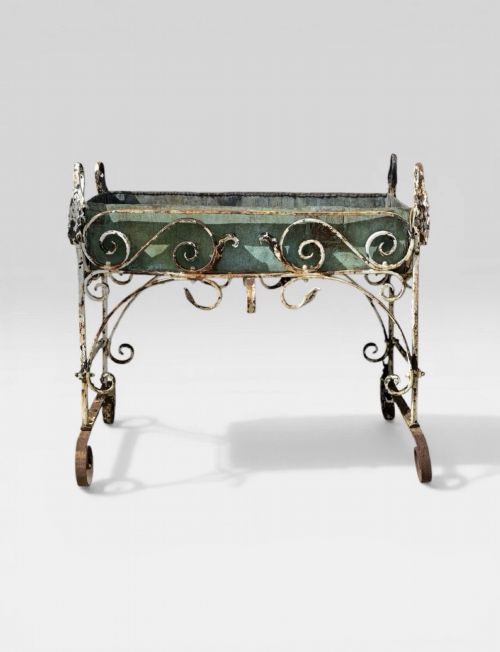
The material palette spans durable metals and porous earthenwares, ranging from heavy Victorian cast iron and wrought iron to Scottish terracotta, French Biot jars, and reconstituted stone. These pieces date principally from the nineteenth and early twentieth centuries, bearing the distinct patination of decades spent outdoors.
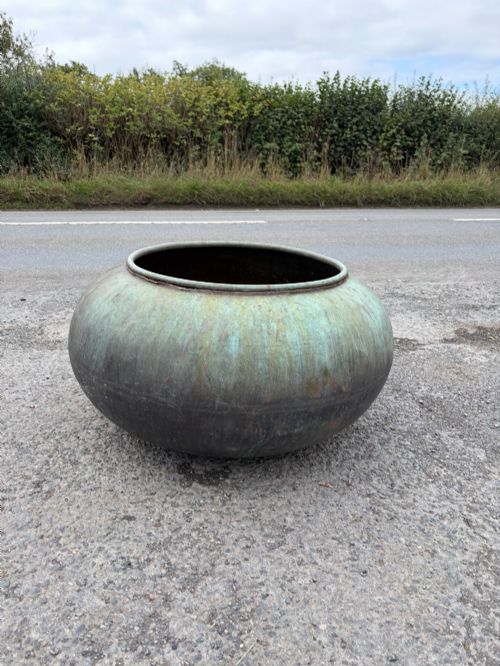
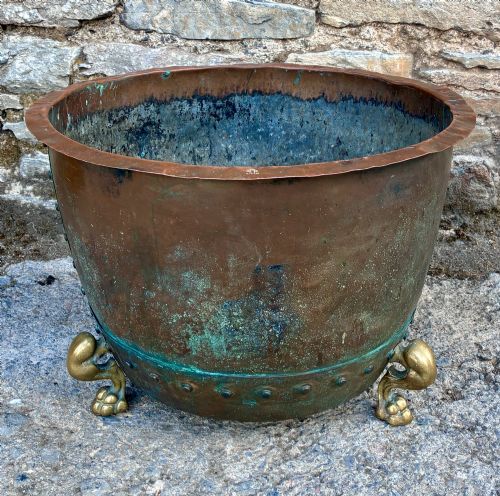
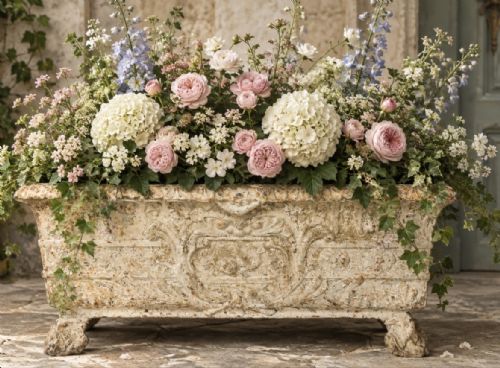
Stylistic influences draw heavily on classical revival, neoclassical, and rustic French traditions, alongside rarer forms such as faux bois strawberry planters and riveted copper boilers. Buyers encounter both single statement vessels and matched pairs suitable for framing doorways or garden pathways.
Materials and Casting Techniques
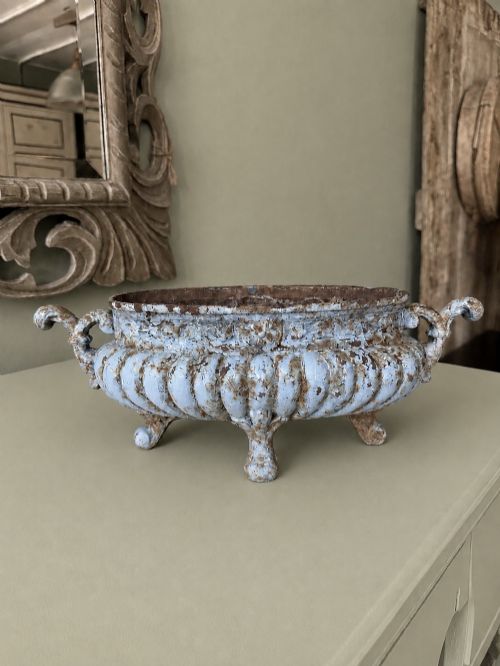
Foundries produced iron vessels by pouring molten metal into sand moulds, creating crisp classical relief ornament on pieces associated with makers such as Andrew Handyside and the Val d'Osne foundry. Subsequent weathering develops layered paint finishes and natural oxidation across the metal surface.
Terracotta and earthenware pots took shape through traditional throwing or moulding before being fired in kilns, yielding porous bodies that benefit root health. Glazed examples received specialised treatments including drip glazes and salt glazing to seal the porous clay.
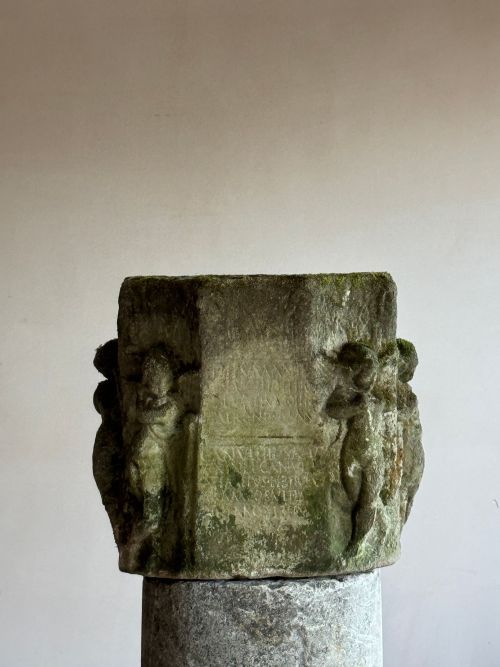
Stone and reconstituted stone alternatives relied on carved masonry or moulded aggregates set into rigid forms. These aggregate mixtures incorporated materials ranging from soft stone to reclaimed parliamentary masonry, solidifying into robust garden ornaments.
Periods represented stretch from pre-sixteenth century reclaimed stone through Victorian ironwork to early twentieth-century cast stone.
Distinctions in Quality and Manufacture
Quality rests in the crispness of the cast ornament, the depth of the metal or clay walls, and the structural integrity of the base. Superior iron castings display sharp relief without surface pitting, while better terracotta pieces maintain balanced proportions and even firing colours.
Original surface preservation separates standard examples from exceptional survivals. Vessels retaining authentic early paint layers, factory stampings, or matched original lids command greater appreciation among collectors than heavily restored or repainted items.
Dunfermline Clay Company·Coalbrookdale·Andrew Handyside·Val d'Osne Foundry
The Vintage Garden Planter Urn Glossary
- Campana
- A bell-shaped garden urn featuring an everted rim and a tapering body, frequently mounted upon a square plinth base. This classic silhouette originates from ancient Roman marble finds.
- Faux bois
- A decorative technique mimicking wood grain moulded into stone or concrete surfaces, popular on nineteenth-century garden containers. It translates literally from French as false wood.
- Jardiniere
- An ornamental receptacle designed to hold growing plants or flowers, usually manufactured from ceramics, cast iron, or copper. They sit upon interior floors or patio surfaces.
- Patina
- The surface appearance acquired by materials through age, exposure to weather, and handling. On these garden vessels, it manifests as oxidized metal, moss growth, and mellowed terracotta.
- Salt glaze
- A vitreous coating formed by throwing common salt into the kiln during high-temperature firing, creating an orange-peel texture on stoneware. This finish provides durable weather resistance for outdoor earthenwares.
Vintage Garden Planter Urn: Frequently Asked Questions
Are these urns frost proof for winter?
Most iron and stone versions withstand freezing temperatures well if drainage holes remain clear of debris. Porous terracotta and earthenware pieces require shelter or emptying during hard frosts to prevent cracking.
Ensuring the base is raised slightly off the ground on pot feet prevents moisture from freezing underneath and fracturing the material.
How do I plant directly into them?
Line the interior with a porous membrane and place a layer of broken crocks at the base to secure adequate drainage. Fill with a suitable compost mix depending on the botanical requirements of your chosen flora.
Heavy iron and stone containers remain permanently in situ, so planting directly avoids the difficulty of moving heavy filled vessels.
How can I tell cast iron from stone?
Cast iron displays crisp moulded details, magnetic properties, and characteristic rust patination where paint finishes have thinned. Reconstituted and cast stone exhibit a granular texture without metallic resonance when tapped.
Examining the underside or interior seams often reveals the parting lines from metal moulds or the aggregate composition of stone mixtures.
What is a Campana urn?
A Campana urn is a bell-shaped vessel with a flared rim and footed base, derived from classical antiquity. Nineteenth-century foundries reproduced these in cast iron and terracotta for formal European gardens.
They function effectively as focal points on pedestals or paired at the entrance of garden paths.