
Vintage French Table
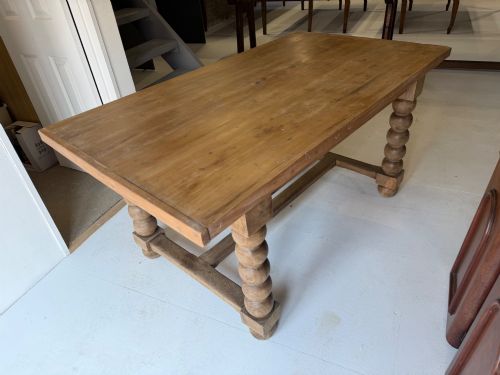
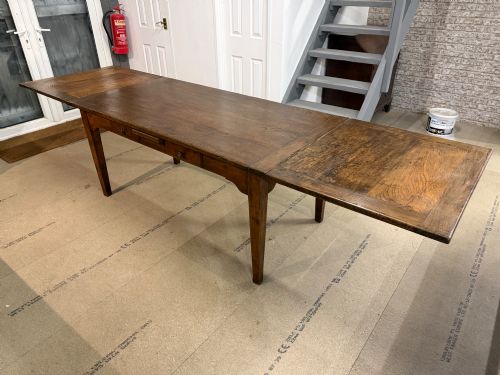
A vintage french table brings continental grace to a room, spanning rustic oak farmhouse boards to polished kingwood centre tables.
Vintage French Table
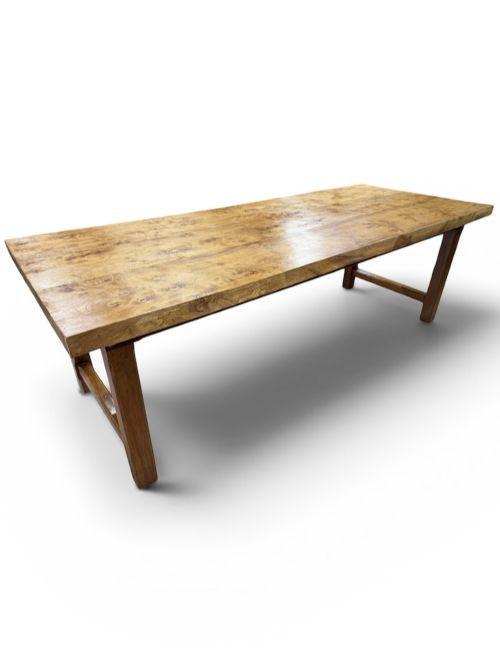
A vintage french table encompasses a wide variety of domestic furniture forms, ranging from utilitarian kitchen surfaces to ornate parlour pieces. Dining tables, bedside cabinets, and occasional coffee tables dominate the selection, each carrying distinct regional or stylistic traits.
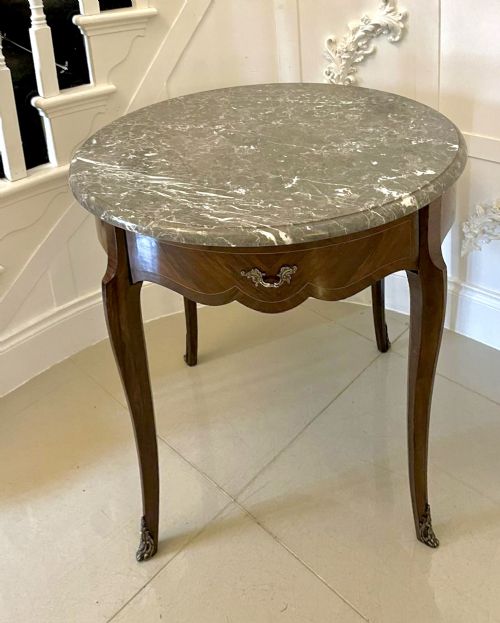
The material palette is broad, shifting from heavy oak and beech in provincial examples to delicate kingwood, walnut, and satinwood in revival pieces. Marble inserts, brass mounts, and marquetry inlay frequently appear across the centuries.
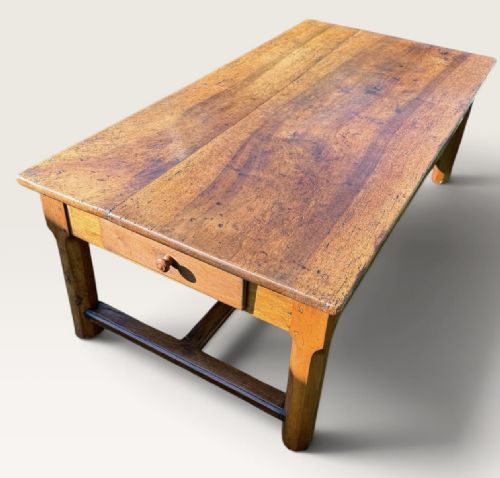
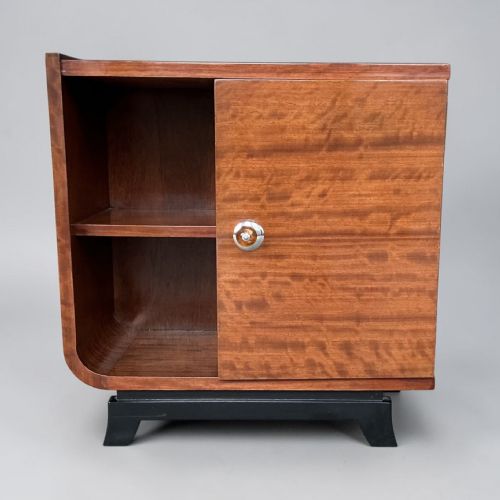
Period spans reach from the nineteenth century through the Edwardian era into the nineteen-thirties, reflecting rural traditions alongside Art Deco modernity. Buyers encounter rustic farmhouse designs sitting alongside sophisticated Louis XV and Louis XVI revivals.
How they were made
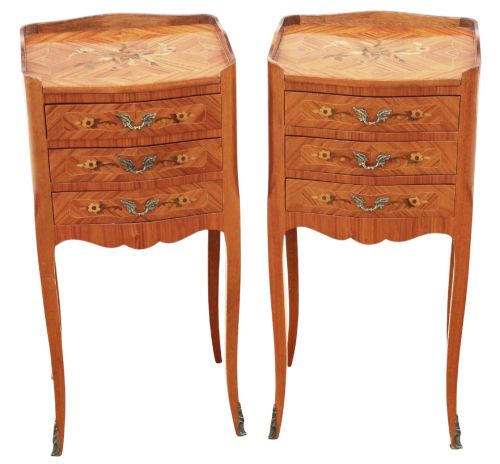
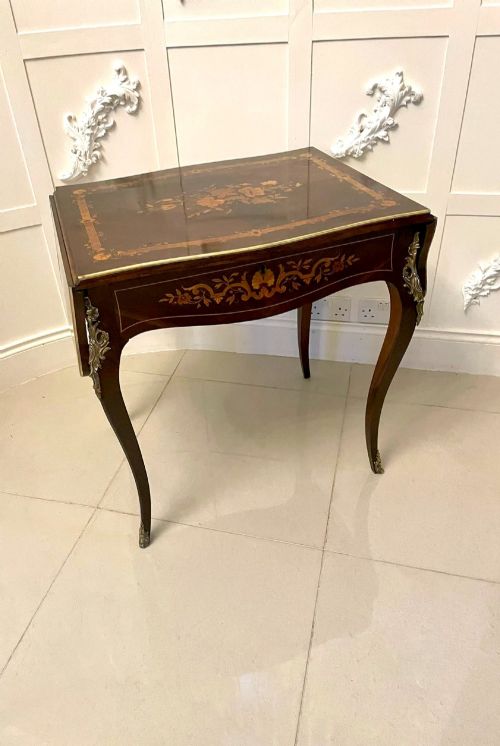
Cabinet makers utilised dense hardwoods like oak, walnut, and mahogany for structural stability, often pairing them with decorative veneers such as kingwood and satinwood. Marquetry and parquetry patterns required precise hand-cutting of contrasting timbers to create geometric or floral motifs across the surface.
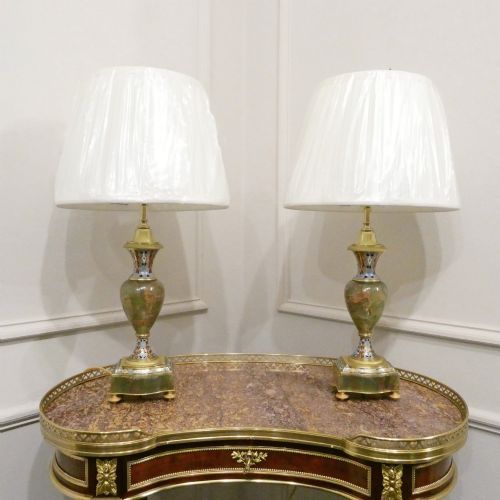
Metalwork played a defining role, utilising cast brass and ormolu for mounts, handles, and gallery rails. Marble tops were selected for durability and luxury, fitted neatly into wooden rebated frames on lamp tables and console pieces.
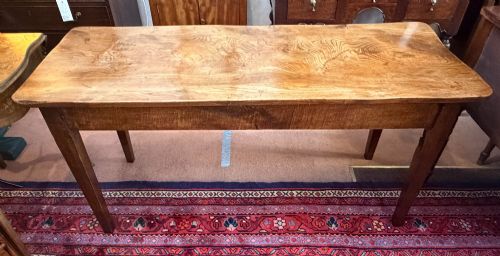
The listings combine nineteenth-century rustic farmhouse boards with nineteen-thirties art deco designs in walnut and rosewood.
What varies in quality
The precision of the timber marquetry and the crispness of the cast ormolu mounts separate standard production from superior workshop output. Hand-carved details on cabriole legs and aprons show depth and fluidity that machine work misses.
Internal construction reveals the maker's hand, particularly in the dovetailing of drawers and the thickness of secondary timbers used in carcases. Original marble slabs and intact brass hardware elevate the standing of a piece considerably.
The Vintage French Table Glossary
- Marquetry
- Decorative veneer work forming picture patterns on furniture surfaces. Craftsmen cut thin slices of various coloured woods to assemble intricate floral or pictorial designs.
- Ormolu
- Gilded bronze used for decorative mounts and furniture ornamentation. The technique involves applying a gold amalgam to cast bronze before heating.
- Parquetry
- Geometric mosaic woodwork used for floors and tabletops. Small blocks of timber form repeating patterns like squares or triangles.
- Cabriole leg
- Furniture leg featuring a double curve mimicking animal legs. It bows outward at the knee and tapers inward at the ankle.
Vintage French Table: Frequently Asked Questions
How do I identify a true antique french farmhouse table?
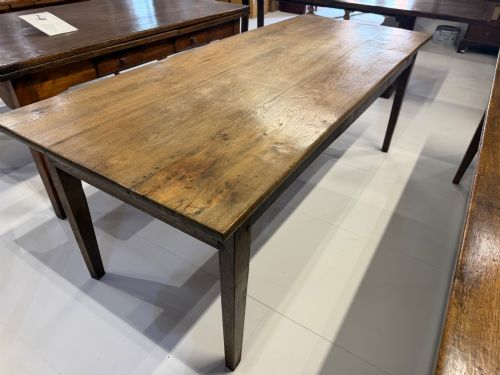
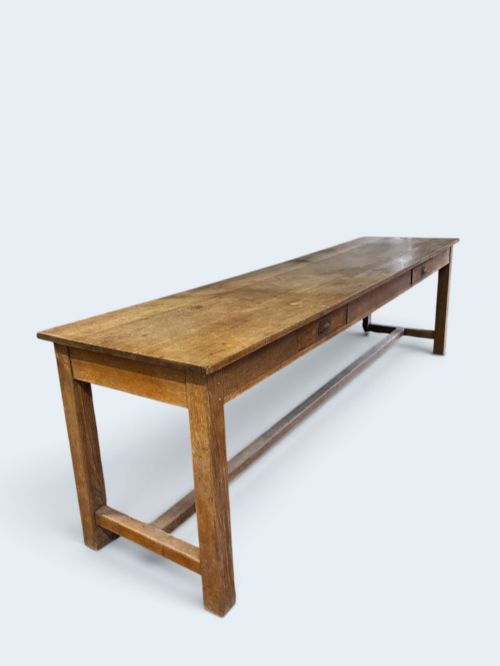
Look for heavy solid timber construction, typically oak or chestnut, showing deep wear and authentic peg joints in the frame.
Undersides and drawer linings should display hand-planed marks rather than modern machine sawing.
What is the difference between a centre table and a side table?
A centre table is finished on all four sides to stand free in the middle of a room for display.
Side tables or console tables are generally built to sit flush against a wall.
How should I care for a marble top table?
Wipe spills immediately with a damp cloth and mild soap, avoiding acidic cleaners that etch the polished stone surface.
Apply a neutral stone sealer periodically to protect against staining from oils and liquids.
Are art deco tables different from nineteenth-century pieces?
Nineteenth-century pieces favour ornate revival styles, curved cabriole legs, and elaborate marquetry inspired by earlier royal courts.
Art deco examples from the nineteen-thirties embrace geometric simplicity, sleek rosewood, and streamlined silhouettes.