


Walnut Top Table
When you search for a walnut top table, you open a varied selection of centuries of timber craftsmanship, from tilt-top dining pieces to refined writing surfaces.
Walnut Top Table
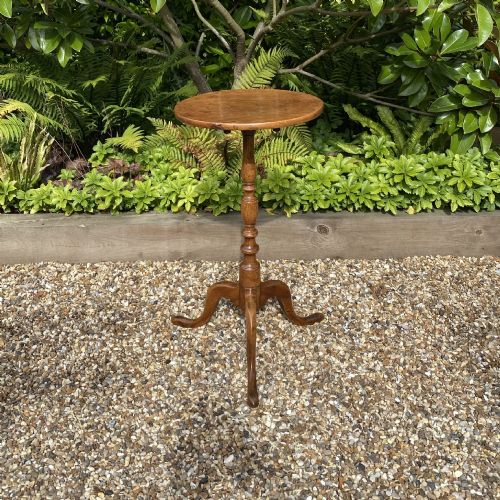
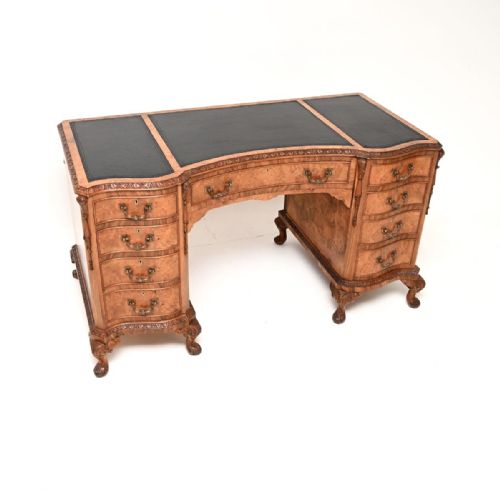
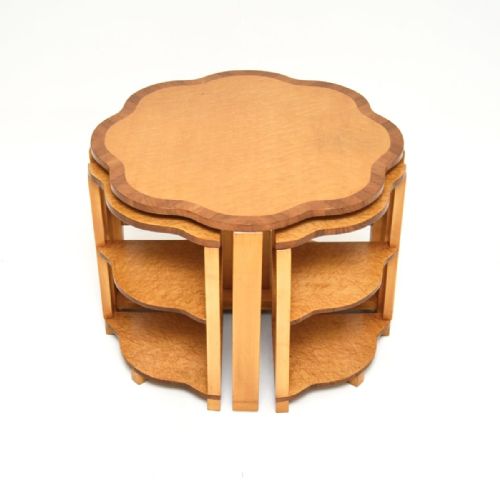
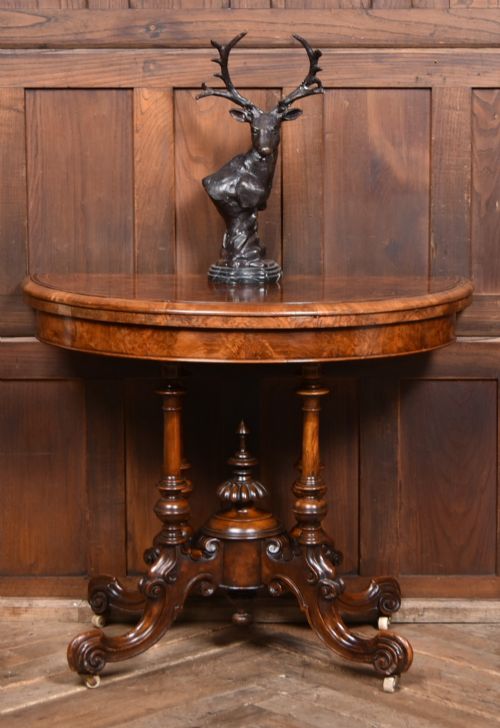
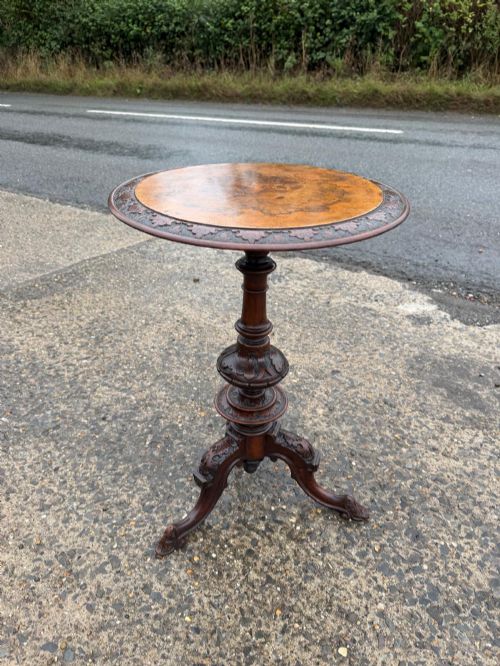
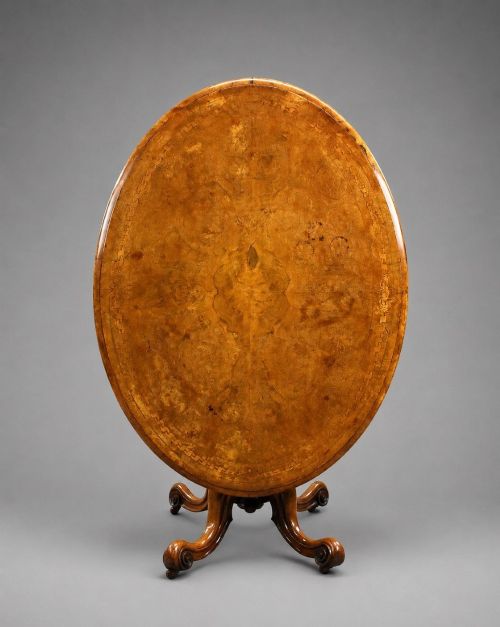
A walnut top table spans a remarkably wide range of domestic forms, including centre tables, occasional pieces, fold-over card tables, and large pedestal desks. You will frequently encounter Victorian examples featuring oval burr timber surfaces, alongside Georgian designs and Art Deco interpretations.
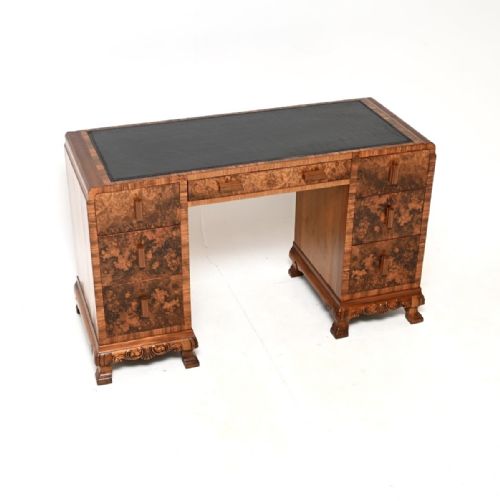
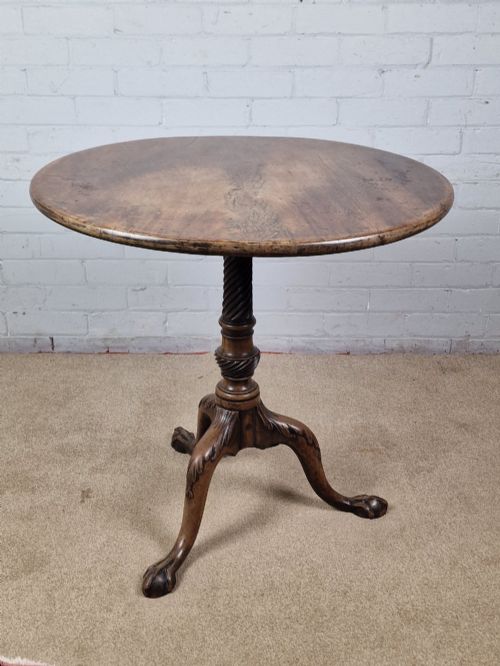
The category encompasses both dedicated writing surfaces inset with leather and hospitality tables designed for tea, games, or display. Many items utilise tilt-top mechanisms, allowing the timber surface to pivot upright when not in active use.
Origins stretch across English workshops, French ateliers, and Italian makers, each bringing distinct regional proportions and decorative idioms to the timber surface.
How They Were Made
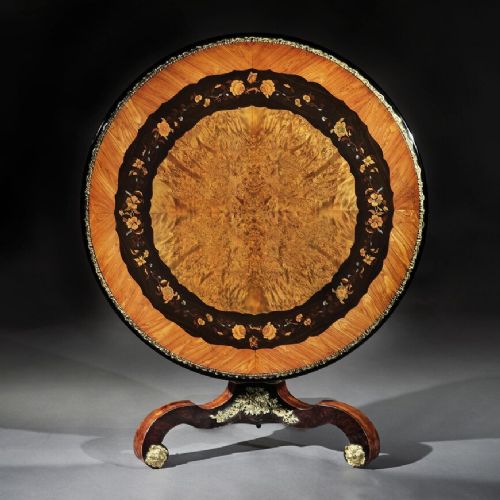
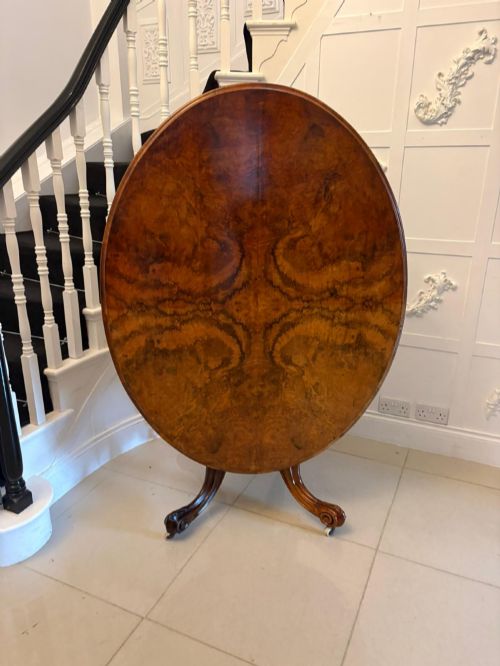
Makers utilised solid timber alongside complex veneers, selecting burr walnut for its extraordinary swirling grain patterns and rich natural depth. Selected surfaces feature book-matched panels, where symmetrical veneers create mirrored patterns across the table top.
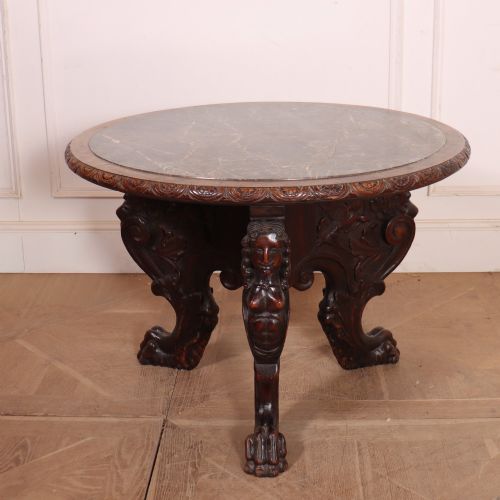
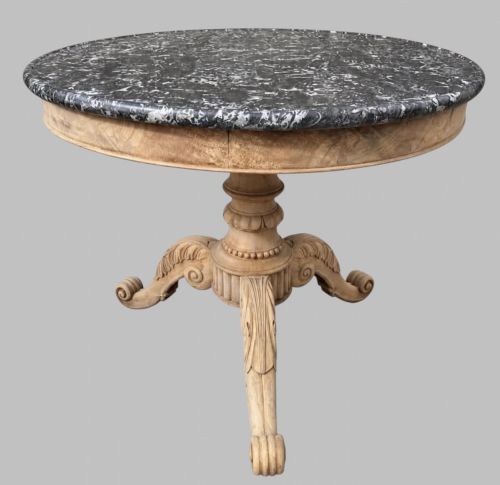
Secondary structural elements incorporate mahogany and oak, while decorative flourishes rely on brass hardware, marquetry inlay, and carved details. Marble tops also appear inset into solid timber frames, particularly within French console and centre table designs.
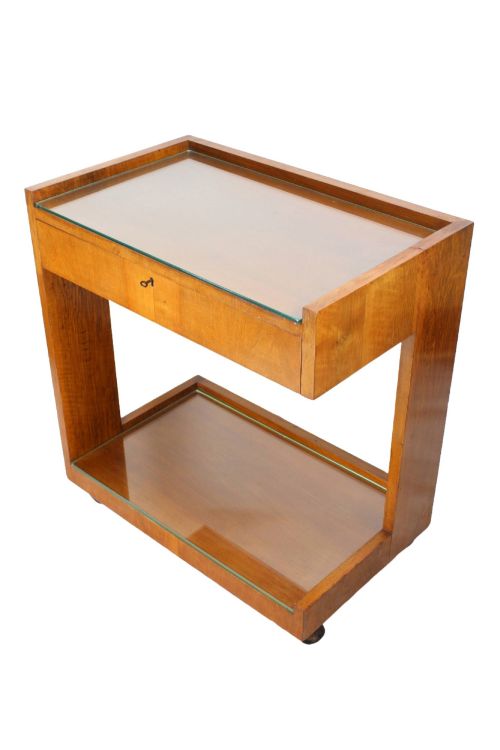
Surface variations range from leather-inset writing desks to marble-topped console tables and multi-tier serving trolleys.
What Varies in Quality
Quality rests significantly on the selection and matching of the veneer, with superior examples displaying uninterrupted, highly figured grain across the entire surface. The crispness of carved mouldings and the precision of inlaid marquetry further separate standard production from masterwork pieces.
Structural integrity of the underframe, pedestal base, or tilt mechanism dictates daily durability, while the depth and warmth of the original patina reveal how carefully the timber has aged over the centuries.
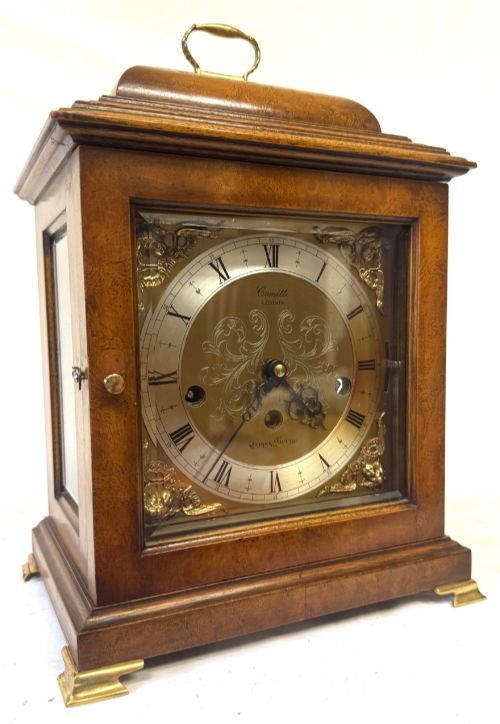
Edward Holmes Baldock·Comitti Of London·Maple and Co
The Walnut Top Table Glossary
- Burr Walnut
- A specialised wood grain harvested from the growth excrescences of walnut trees, prized for its swirling, organic patterns. It forms the decorative centerpiece of many fine Victorian and Georgian surfaces.
- Tilt-Top
- A functional table design incorporating a hinge and catch mechanism that allows the surface to rotate vertically. This ingenious feature saved domestic floor space when the furniture was not in active use.
- Marquetry
- The delicate art of applying decorative veneer pieces to a structural surface to form geometric or pictorial designs. Craftspeople utilised contrasting timbers and brass to achieve intricate patterns.
- Loo Table
- A large Victorian card and social table designed for the nineteenth-century game of loo. These substantial circular or oval pieces typically rest on a central pillar and tripod base.
- Book-Matched
- A technique where adjacent veneer leaves are sliced from the same flitch and opened like a book. This creates a symmetrical, mirrored pattern across the width of the table top.
Walnut Top Table: Frequently Asked Questions
How do I care for a walnut surface?
Keep timber surfaces away from direct heat sources and strong sunlight to prevent the natural wood from drying out or fading over time. Regular dusting with a soft, dry cloth preserves the finish without requiring heavy chemical polishes.
Apply occasional specialised beeswax feeds sparingly to nourish the grain and maintain the deep, historic lustre of the timber top.
What is a tilt-top mechanism used for?
Tilt-top tables were originally engineered to be folded upright and stored against room perimeters when dining or entertaining concluded. This space-saving innovation was particularly popular in Georgian and Victorian parlours.
The pivoting mechanism relies on a brass or wooden catch beneath the surface, which locks the heavy walnut top firmly into place during use.
How do I distinguish Victorian from Georgian pieces?
Georgian tables typically exhibit restrained classical proportions, cleaner lines, and solid timber construction with subtle cross-banding. The joinery and timber selection reflect eighteenth-century cabinet-making priorities.
Victorian pieces frequently embrace bolder proportions, elaborate marquetry inlay, and heavily figured burr walnut veneers supported on robust pedestal bases.
Where were these tables used historically?
These pieces served varied domestic functions across drawing rooms, libraries, and formal dining spaces. Centre tables anchored reception rooms for display, while smaller occasional and games tables stood ready for card playing.
Writing tables and pedestal desks found their natural homes in private studies, providing durable surfaces for correspondence and administration.