


Vintage French Stool
These vintage french stool examples span rustic milking seats to giltwood revival pieces, offering low seating that adds character to any room.
Vintage French Stool
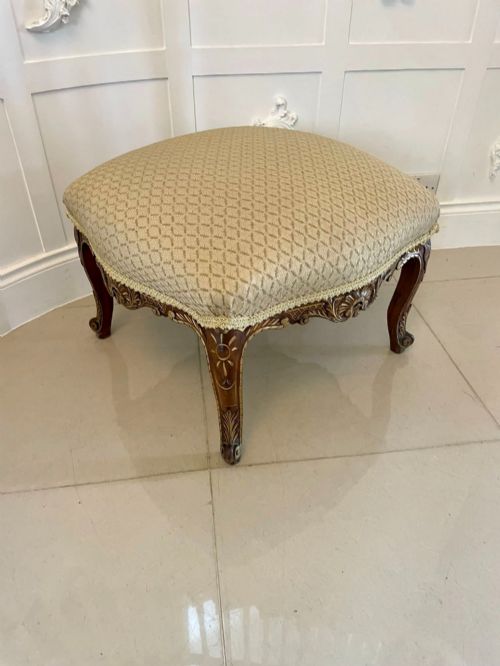
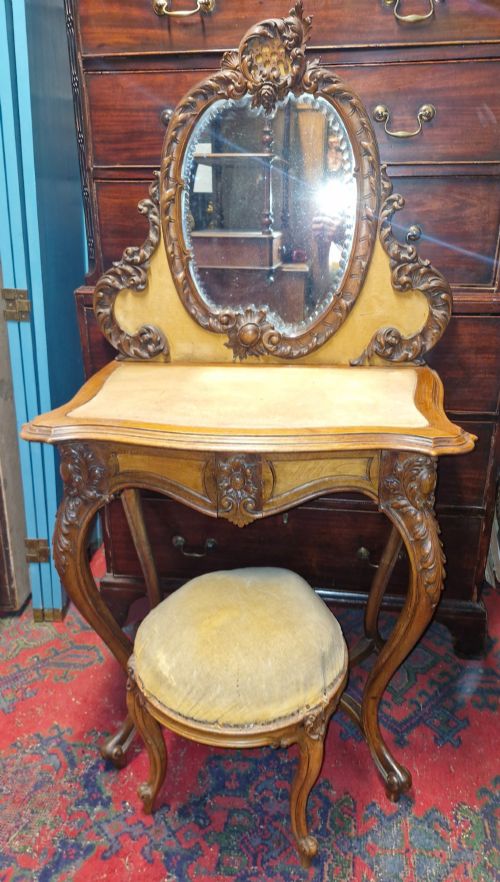
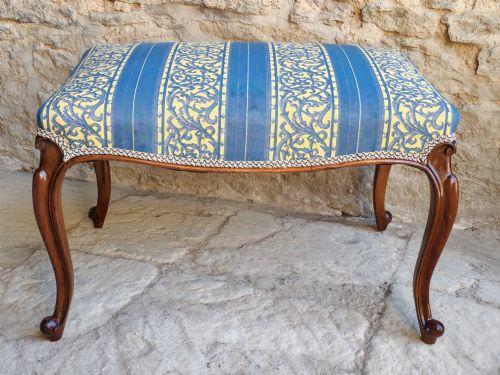
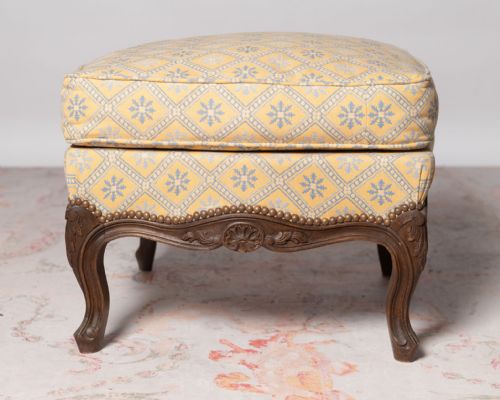
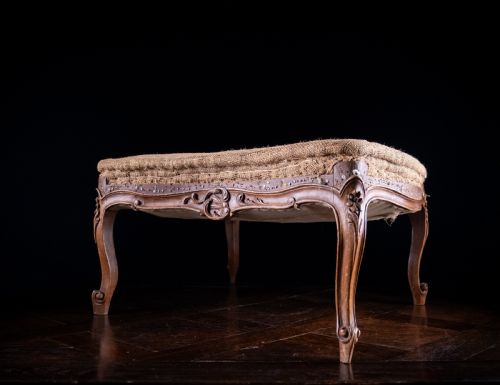
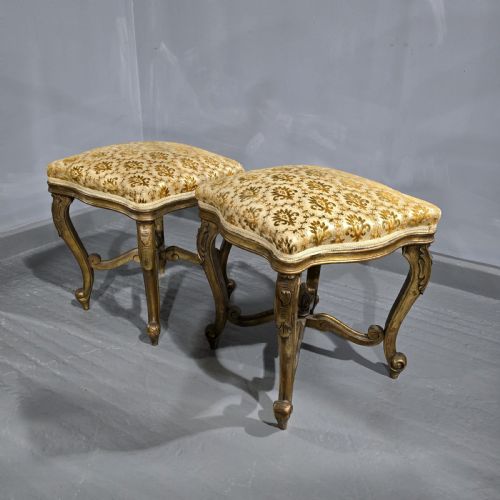
A vintage french stool encompasses everything from simple beech milking seats to ornate Louis XV revival footstools, reflecting centuries of European seating traditions.
Buyers seeking this phrase most frequently encounter 19th-century examples shaped by provincial French country styles or formal chateau aesthetics.
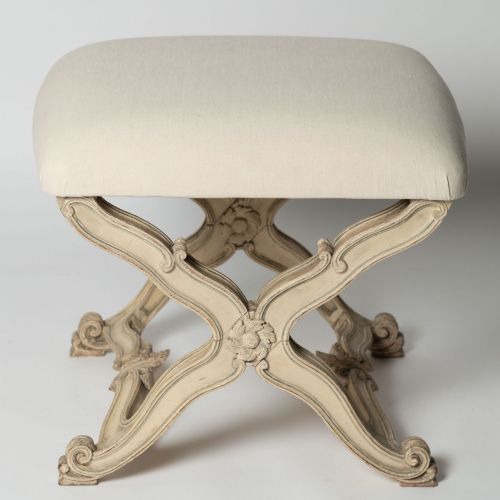
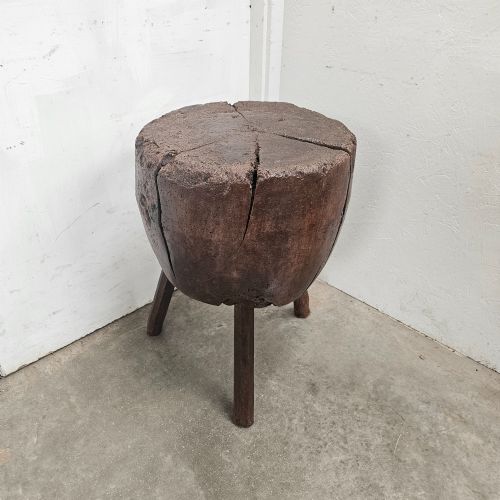
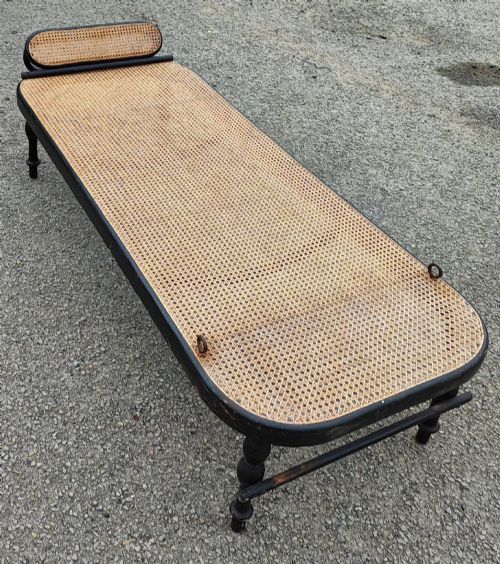
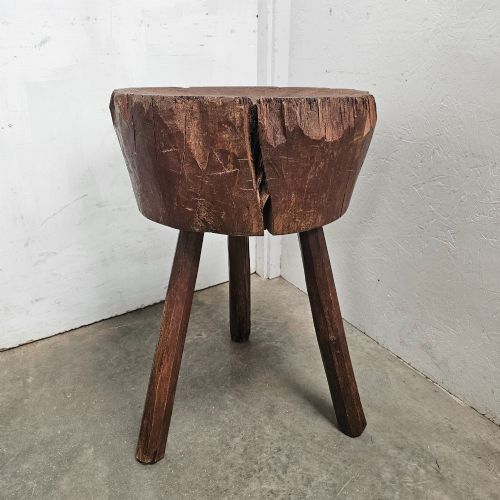
Forms range from small footstools and piano benches to larger upholstered salon pieces and primitive chopping blocks.
Materials and Construction
Maker workshops relied heavily on native hardwoods like walnut, beech, and pine, shaping frames through traditional joinery and hand carving.
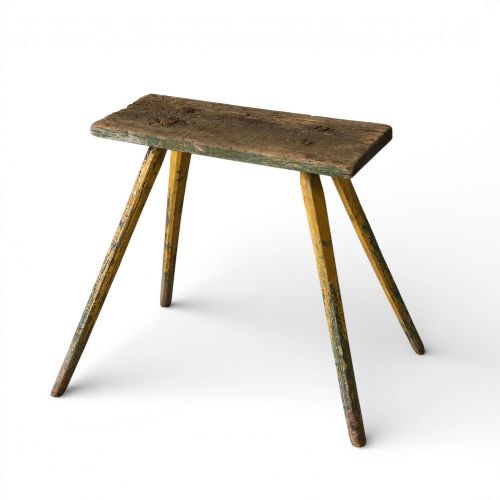
Surface treatments vary widely, combining exposed polished grain, original paint, ebonising, and opulent giltwood finishes.
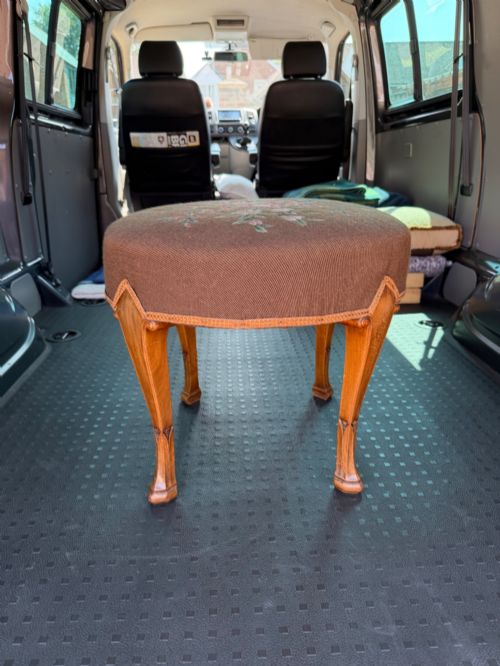
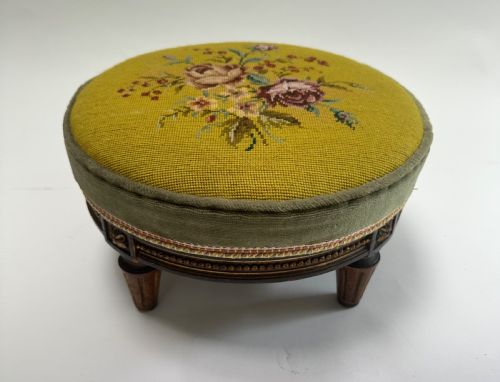
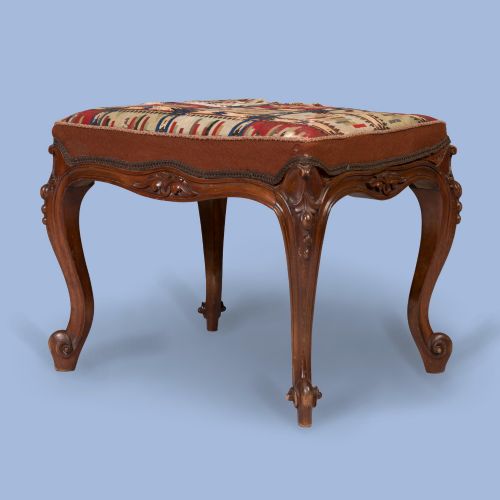
Upholstered variants feature traditional padding covered in needlework tapestry, velvet, or plain fabric ready for fresh recovering.
A rustic milking stool brings genuine dairy air into a modern hallway without the cow.
Judging Quality and Distinction
The division between basic utility items and salon showpieces lies in the crispness of the hand carving and the choice of primary timber.
Giltwood and walnut revival pieces demonstrate greater artistic ambition than plain pine or beech country variants.
Original surface patination, such as untouched old paint or period needlework upholstery, elevates an item above standard stripped examples.
The Vintage French Stool Glossary
- Giltwood
- Timber coated with a thin layer of gold leaf. This finish defines formal revival seating.
- Milking stool
- A simple three-legged wooden seat designed for agricultural labour. These pieces showcase utilitarian provincial carpentry.
- Rococo Revival
- A 19th-century design movement mimicking 18th-century asymmetry and scrollwork. It yields deeply carved walnut and gilt frames.
- Needlework
- Hand-stitched textile used for upholstery. It frequently depicts floral or pastoral scenes on period footstools.
- Beech
- A dense European hardwood favoured for provincial framing. Its tight grain supports sturdy turned legs.
Vintage French Stool: Frequently Asked Questions
How do I spot a genuine period piece?
Examine the timber joints, tool marks, and wear patterns on the underside of the seat. Hand-cut joinery and aged patination separate older examples from modern reproductions.
Compare the style details against documented 19th-century revival motifs to confirm the period.
Can these stools be used for daily seating?
Most sturdy wooden and upholstered variants withstand regular sitting when the frame remains solid. Check the stability of the legs and joinery before daily use.
Delicate giltwood or antique tapestry pieces deserve gentler placement to preserve their decorative surfaces.
What is the difference between country and chateau styles?
Country variants utilise plain beech, pine, or fruitwood with minimal shaping, reflecting practical rural needs. They include milking blocks and simple painted benches.
Chateau styles display ornate giltwood, walnut carving, and classical revival lines meant for formal salons.
How should I care for original painted finishes?
Dust surfaces gently with a dry microfibre cloth and avoid harsh chemical cleaners that strip aged pigments. Preserving the dry surface film maintains the historical integrity of the piece.
Keep wooden frames away from direct heat sources to prevent timber shrinkage.