




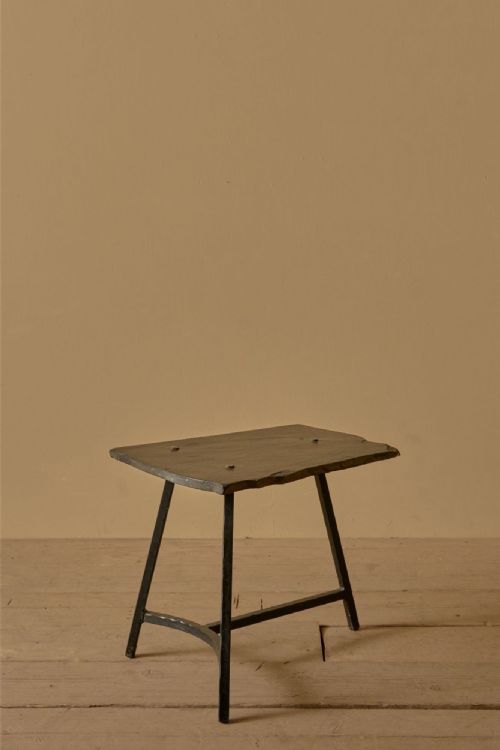
Vintage French Stand
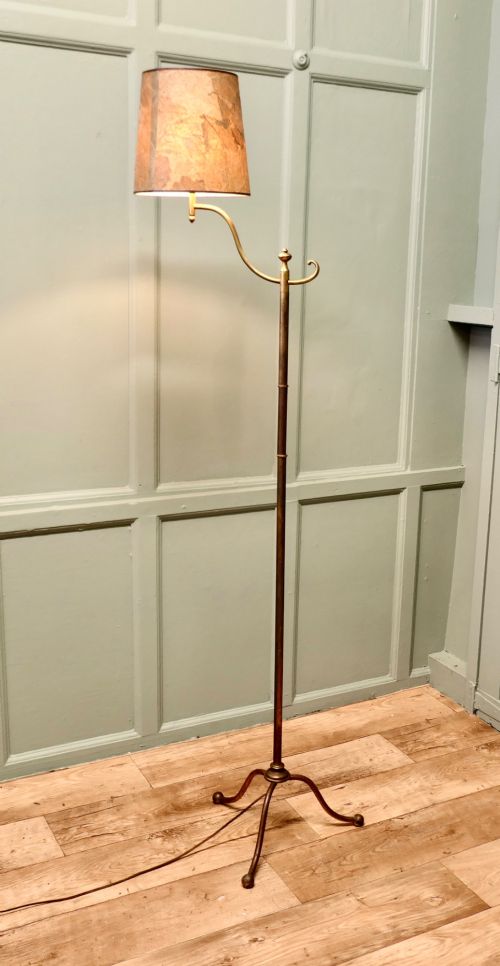
A vintage french stand brings architectural presence to a room, supporting sculpture, plants, or lamps with classical proportion.
Vintage French Stand
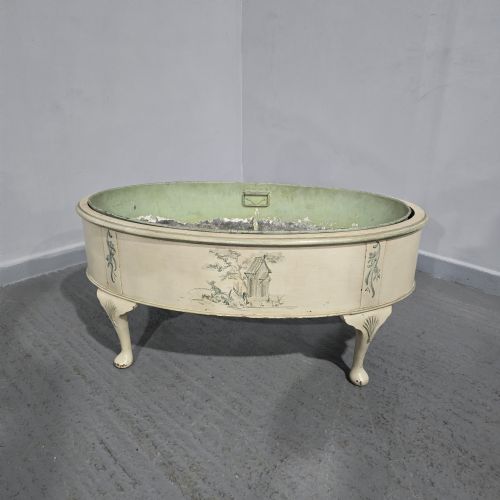
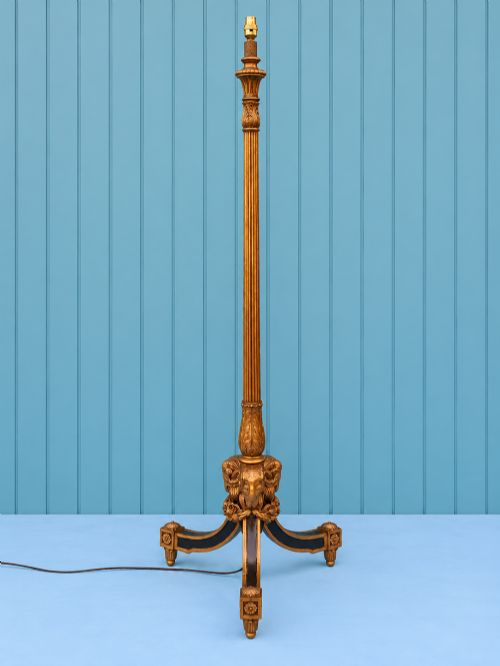
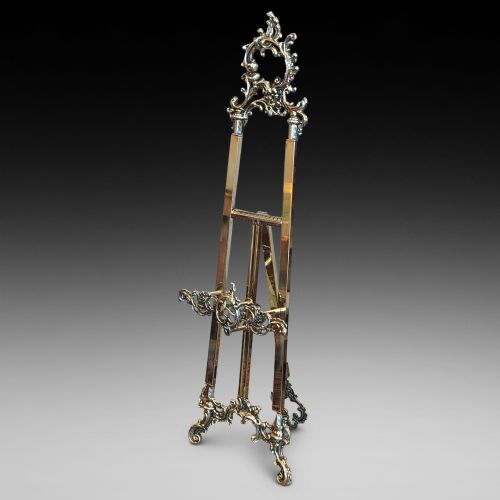
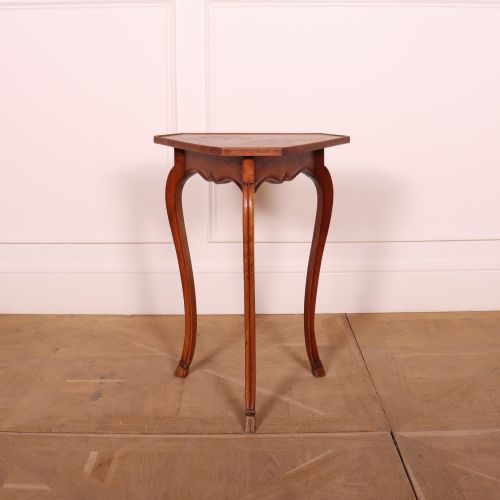
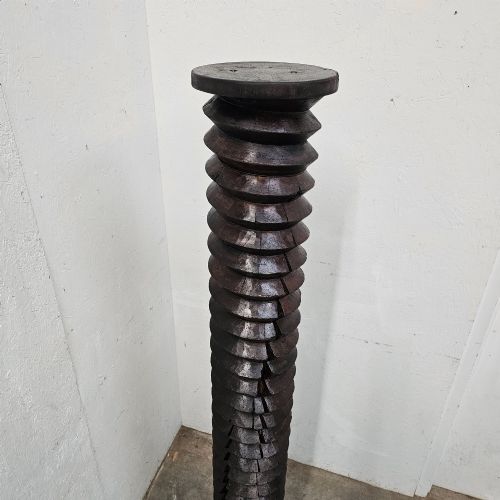
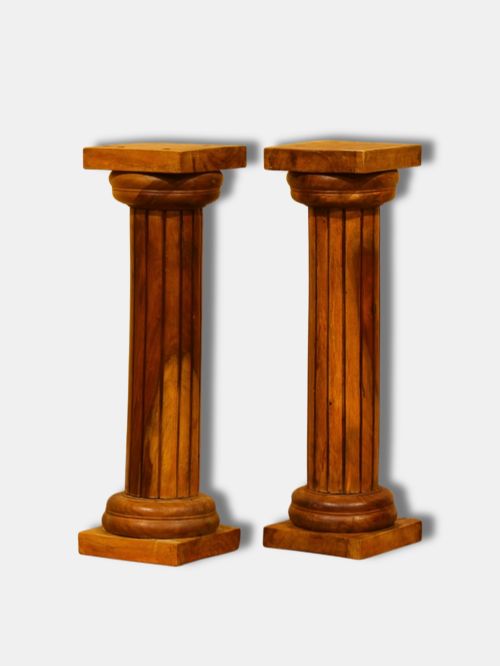
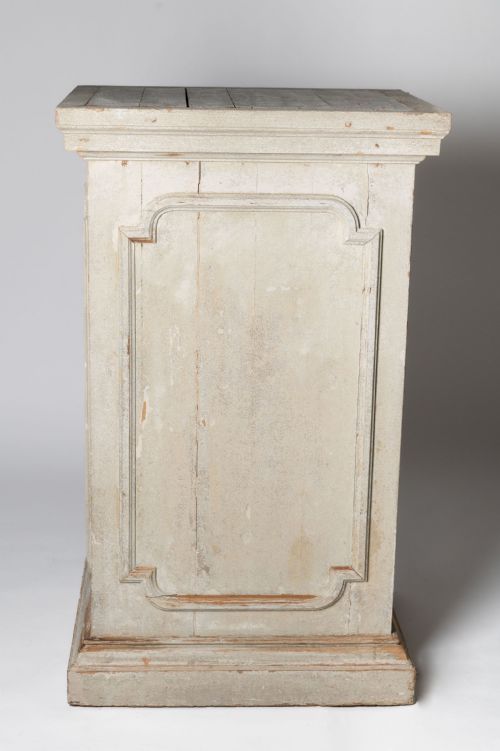
A vintage french stand encompasses functional display pieces including pedestals, plinths, plant holders, and occasional tables designed to elevate objects within a room. These items originate from periods spanning the nineteenth century through the art deco era, showing styles such as neoclassical, french provincial, and rococo revival.
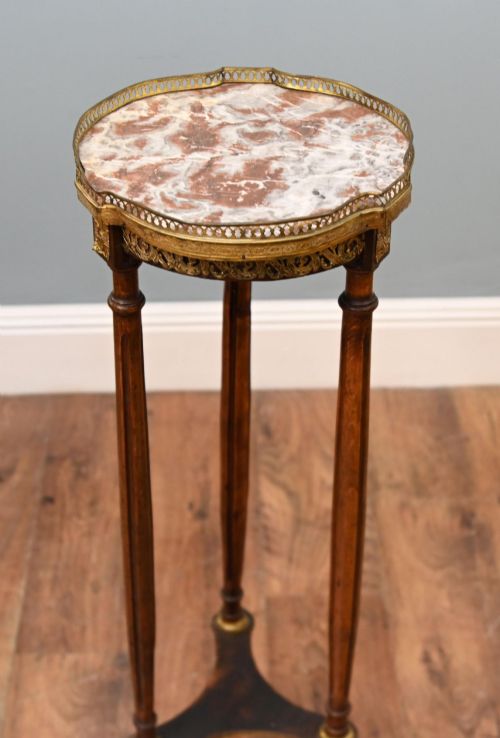
Buyers most frequently encounter tall column pedestals in hardwood or oak, alongside marble-topped lamp tables and jardiniere stands fitted with porcelain plaques or ormolu mounts. Forms vary from simple turned wooden columns to ornate inlaid display columns intended to showcase sculpture or decorative arts.
Originating primarily from French workshops, provincial makers, and Parisian cabinet makers, these pieces reflect the interior fashions of their respective decades, utilising regional timbers and metalwork to create stable platforms for domestic display.
Materials and construction
Construction relies heavily on traditional timber framing, utilising dense hardwoods such as mahogany, oak, kingwood, and walnut, frequently enhanced by decorative marquetry, amboyna inlay, or tulipwood banding. Cabinet makers employed sturdy joinery techniques to ensure tall column forms and plant stands remained stable under heavy loads.
Metalwork plays a defining role, with cast brass, gilded bronze, ormolu, and cast iron utilised for decorative mounts, structural feet, and umbrella stands. Marble tops provide durable, cool surfaces for lamp tables and jardiniere stands, protecting the wooden frames beneath from moisture.
Surface finishes range from French polish on fine display pieces to painted treatments on provincial beech butcher block bases and cast iron umbrella holders. Inlaid surfaces showcase meticulous attention to grain patterns and contrasting wood species.
Vintage French Stand Retail Price Guide 2026
Typical asking prices for vintage french stand among the pieces listed under this phrase on Sellingantiques today, from the lower quarter to the upper quarter. They describe what is for sale here now, not the wider market.
A sturdy cast iron umbrella stand keeps damp walking sticks ready for sudden showers.
Evaluating craftsmanship
Quality rests upon the crispness of the carving, the precision of any wood inlay, and the integration of metal mounts. Superior pieces display hand-carved detailing with sharp definition and smooth joints that remain tight despite environmental changes.
The choice of materials dictates the tier of the piece, distinguishing standard utility furniture from sophisticated salon items veneered in kingwood and mounted with heavy, fire-gilded ormolu. Finer examples feature substantial marble inserts and robust internal bracing to support display objects securely.
Maison Bagues·Lebegue and Cie
The Vintage French Stand Glossary
- Ormolu
- Gilded bronze mounts applied to furniture and decorative items. This technique involves coating bronze with a gold amalgam and heating it to leave a rich metallic finish.
- Jardiniere
- An ornamental stand or receptacle designed to hold plants and flowers. These pieces often feature metal liners to contain moisture.
- Pedestal
- An architectural support or column used to elevate a bust, vase, or lamp. They appear in circular or square section across various historical periods.
- Marquetry
- Decorative patterns formed by inserting pieces of wood, ivory, or shell into a veneer. Master craftsmen used contrasting timbers to create floral or geometric designs.
- Neoclassical
- A style drawing inspiration from classical antiquity, characterised by straight lines, symmetry, and restrained ornamentation. It frequently informs the design of column pedestals.
Vintage French Stand: Frequently Asked Questions
What is a french pedestal stand used for?
These stands function primarily to elevate art objects, urns, sculptures, or table lamps to a prominent viewing height within a room. Their sturdy construction provides a stable vertical platform that draws the eye upward.
Historically, they occupied corners or central spaces in salons and reception rooms to display prized decorative items. Today, they serve the same practical purpose in domestic interiors.
How do I clean a marble top stand?
Maintenance requires gentle wiping with a soft, damp cloth and neutral soap, avoiding acidic cleaners that etch the stone surface. Immediate attention to spills prevents staining on porous marble inserts.
Applying a specialist stone wax periodically helps protect the polish and preserve the natural figure of the marble over years of use.
Are these stands suitable for heavy planters?
Many jardiniere stands and plant holders feature waterproof linings or durable marble tops designed specifically to support heavy pots. Solid wood and cast iron versions offer the necessary structural integrity for substantial loads.
Checking the base construction and joint stability ensures the stand safely accommodates the weight of damp earth and mature plants.
How do I identify the period of a wooden stand?
Dating relies on observing timber selection, construction methods, and stylistic cues such as ormolu mounts, turned columns, or marquetry patterns. Neoclassical and art deco forms each carry distinct proportions and decorative vocabulary tied to their manufacturing era.
Tool marks, fastener types, and wood ageing provide further physical evidence for determining whether a piece dates to the nineteenth century or later.