

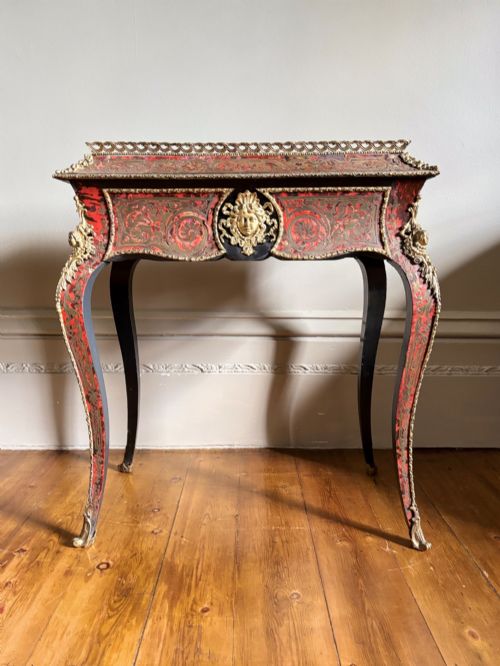


Napoleon III Planter
A napoleon iii planter brings exuberant nineteenth century French style into a room, combining rich timber and gleaming metal mounts.
Napoleon III Planter
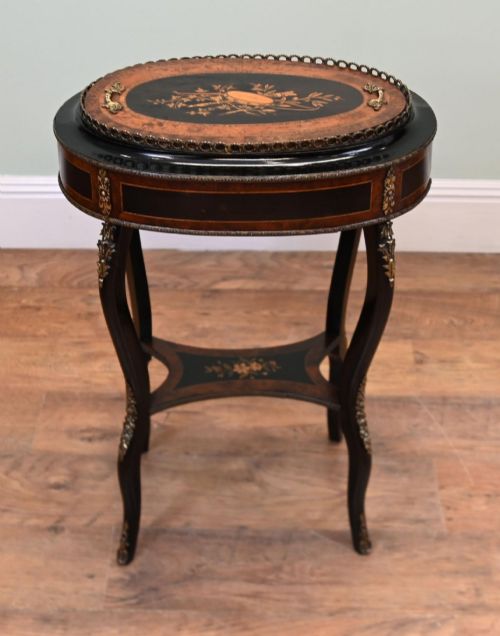
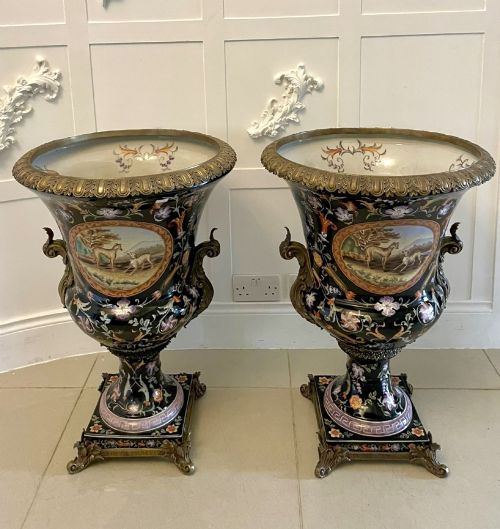
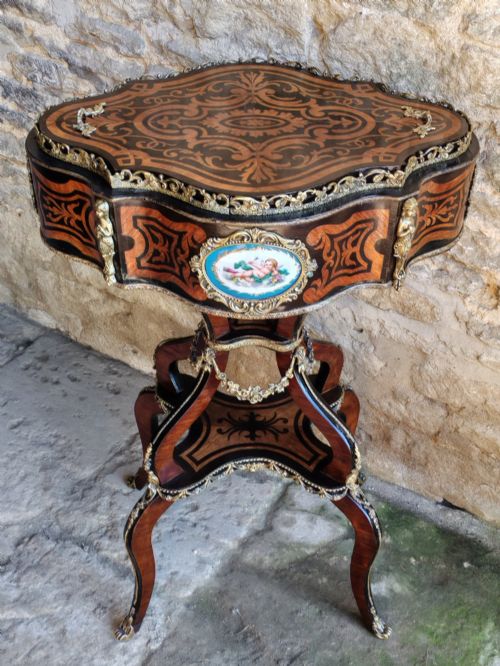
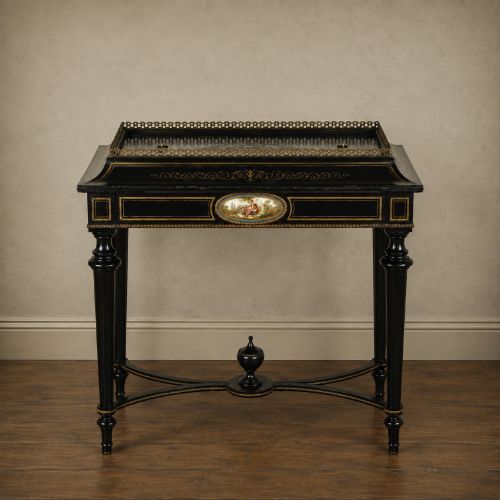
You are most likely to meet ebonised wood or kingwood bodies enriched with porcelain plaques and gilt bronze mounts on this page. The forms range from simple walnut vessels to elaborate boulle inlaid stands and paired jardiniere urns.
Materials and construction
Maker's workshops built these planters using timbers such as walnut, kingwood, aboyna, and ebonised wood, frequently applying intricate marquetry inlay. Metalwork plays a central role, utilising ormolu and brass for mounts, handles, and framing.
Painted porcelain plaques decorate many surfaces, often inset into the timber bodies or mounted alongside metalwork. Cabinetmakers combined these diverse elements to create ornate plant stands and wine coolers.
Napoleon III Planter Retail Price Guide 2026
Typical asking prices for napoleon iii planter among the pieces listed under this phrase on Sellingantiques today, from the lower quarter to the upper quarter. They describe what is for sale here now, not the wider market.
Object types range from jardiniere tables and plant stands to paired porcelain urns and wine coolers.
Assessing quality
Quality rests upon the crispness of the ormolu casting and the precision of the marquetry inlay within the timber. Finer examples display hand-painted detail on inset porcelain plaques and robust, substantial brass mounts.
The choice of primary wood also distinguishes pieces, with rich kingwood and dense ebonised surfaces sitting above simpler walnut construction. Structural integrity in weight-bearing plant stands separates ordinary items from superior work.
The Napoleon III Planter Glossary
- Jardiniere
- An ornamental pot or stand designed for holding plants or flowers. These vessels often double as wine coolers.
- Ormolu
- Gilded bronze used extensively for mounts and decorative accents on nineteenth century furniture. It provides a bright metallic contrast to dark woods.
- Kingwood
- A dense, richly grained timber favoured for fine French cabinetry and inlay work. It brings warmth and pattern to planter surfaces.
- Boulle
- A form of marquetry using brass and tortoiseshell inlaid into a dark ground. It decorates the most elaborate nineteenth century stands.
- Ebonised
- Timber treated to resemble ebony, providing a dark, uniform background for gilt mounts and porcelain plaques.
Napoleon III Planter: Frequently Asked Questions
What is a Napoleon III planter?
A napoleon iii planter is an ornate nineteenth century French vessel or stand created to hold plants, flowers, or wine. These pieces combine decorative timber, metal mounts, and painted porcelain.
They reflect the revival styles popular during the French Second Empire. Makers designed them as both functional holders and striking decorative furniture for grand interiors.
Were these planters used for plants?
Many served as plant stands or jardinieres to bring greenery inside formal rooms. Waterproof liners often protected the timber frameworks from moisture.
Others functioned as wine coolers, holding ice and bottles during dining. The dual purpose explains why many survive with metal liners intact.
How do I care for ebonised wood?
Keep ebonised and polished wood surfaces away from direct sunlight and strong heat sources. Dust gently with a dry, soft cloth to protect the finish.
Avoid commercial polishes containing silicone, which can build up over time. Wax can be applied sparingly to maintain the lustre of the timber.
How do I identify the period?
Examine the timber, the construction methods, and the style of the metal mounts. Nineteenth century pieces often combine Louis XV or Louis XVI revival forms with ebonised or kingwood finishes.
Porcelain plaques and ormolu mounts provide further clues to the exact manufacturing era. The listings here centre primarily on the Victorian period.