
Vintage French Gilded Mirror
A vintage french gilded mirror brings warmth and reflective depth to a room through centuries of ornate carving and bright leaf finishes.
Vintage French Gilded Mirror
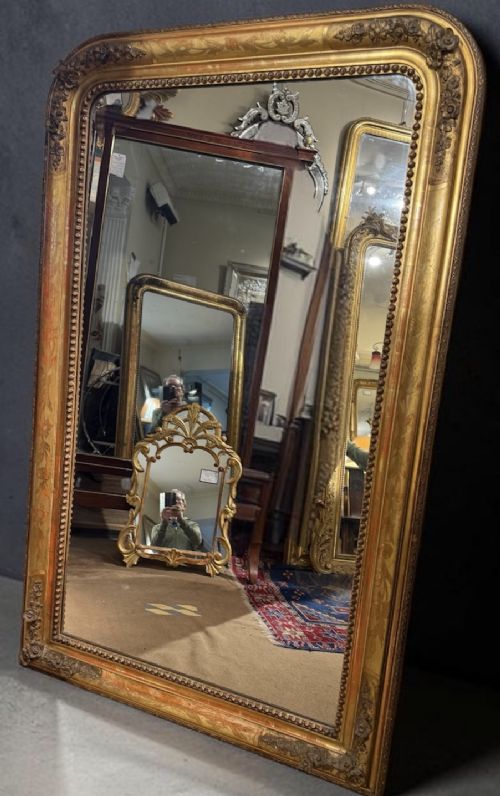
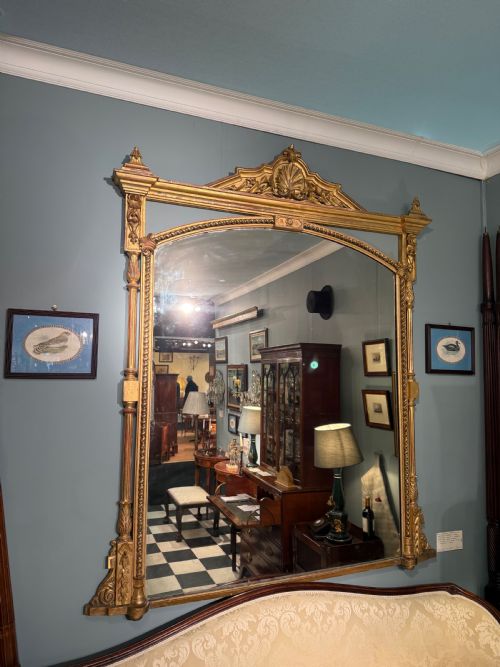
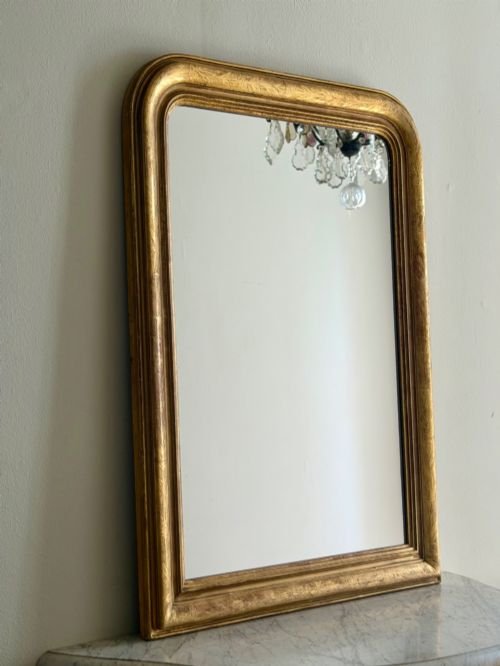
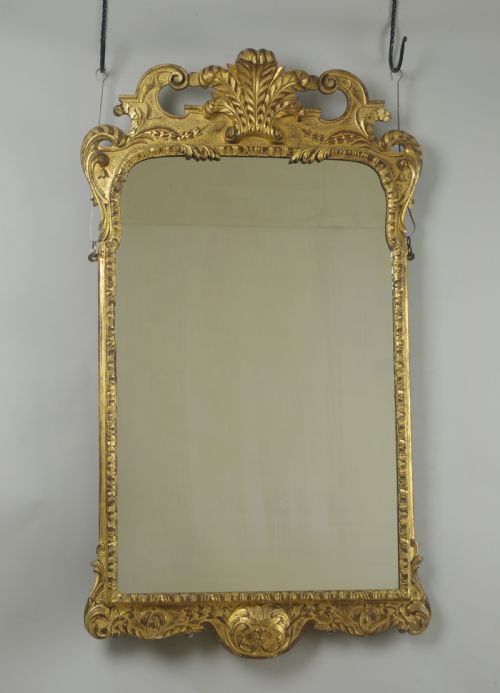
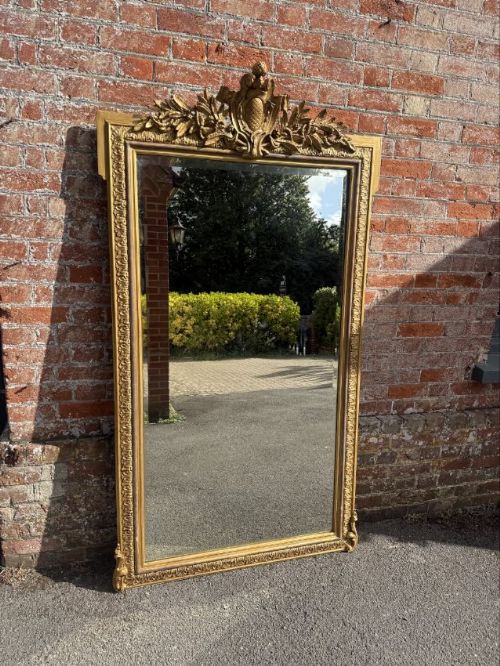
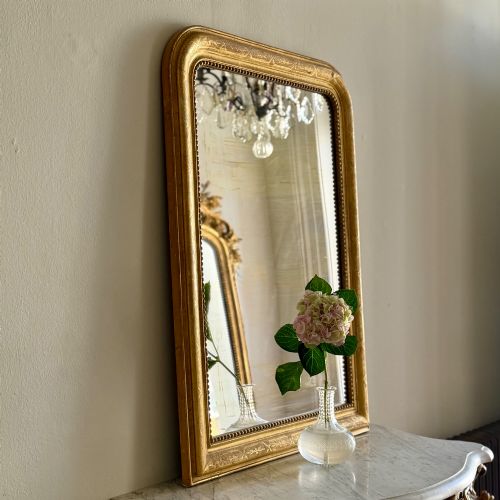
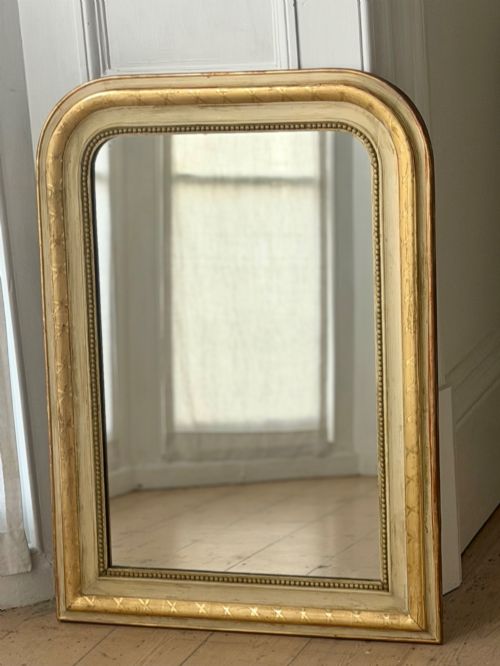
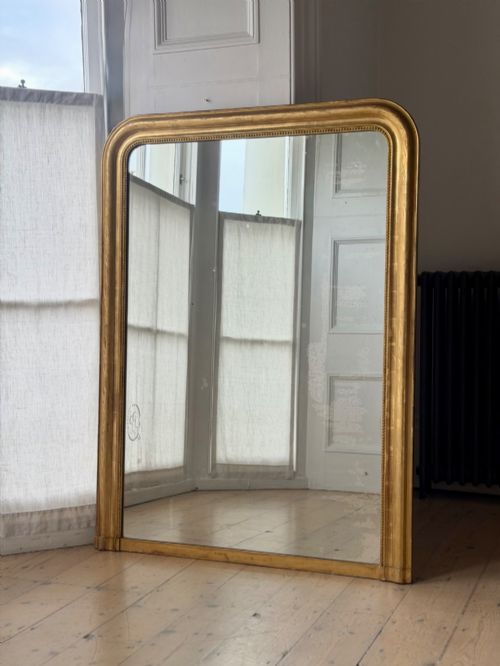
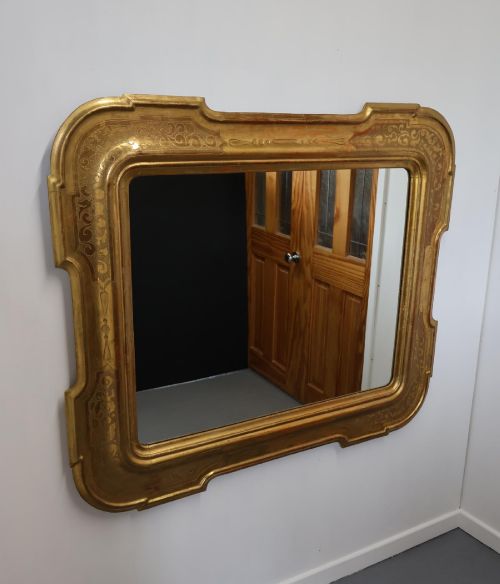
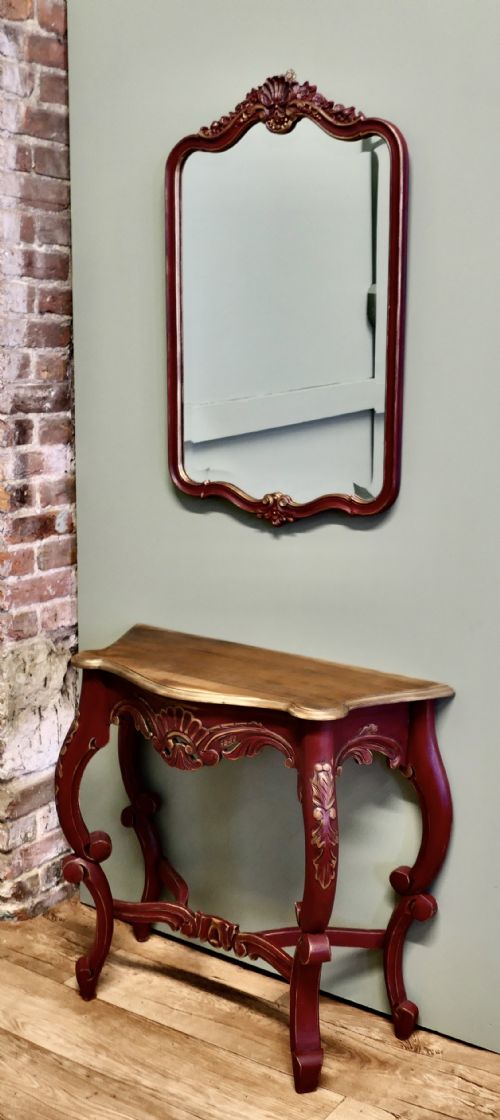
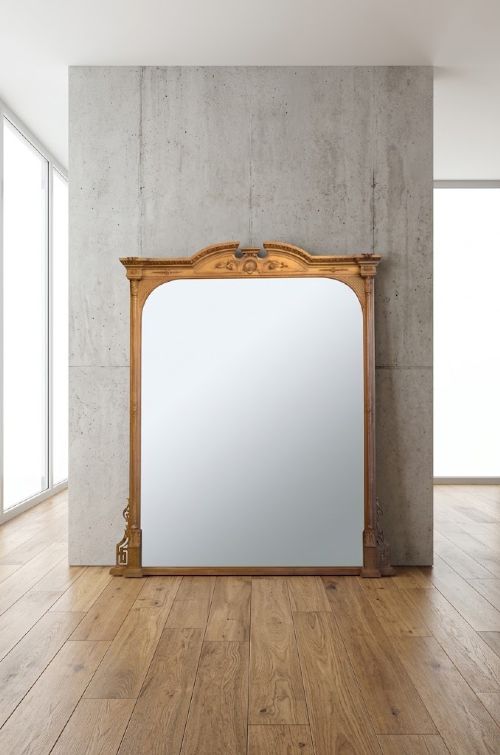
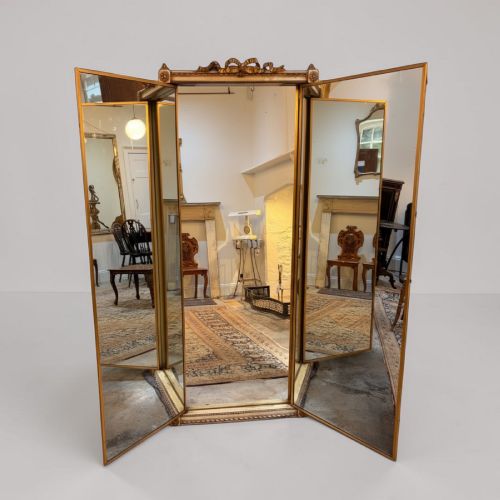
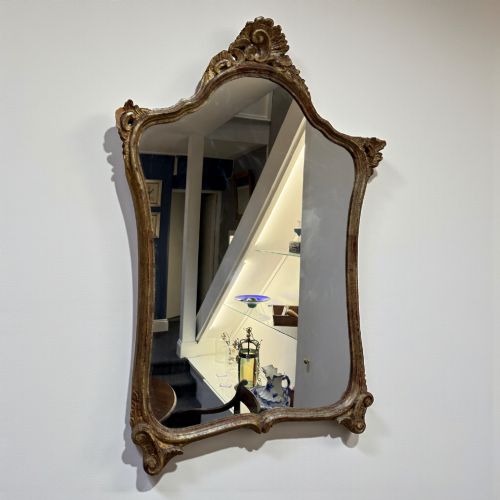
A vintage french gilded mirror spans several centuries of decorative design, ranging from restrained architectural rectangles to elaborate asymmetrical flourishes. When searching for a vintage french gilded mirror, buyers encounter grand overmantel pieces designed for mantelpieces as well as tall leaner mirrors built to stand upon the floor. These items originate from periods such as the eighteenth and nineteenth centuries, carrying influences from Louis Philippe, Rococo Revival, and Victorian aesthetics.
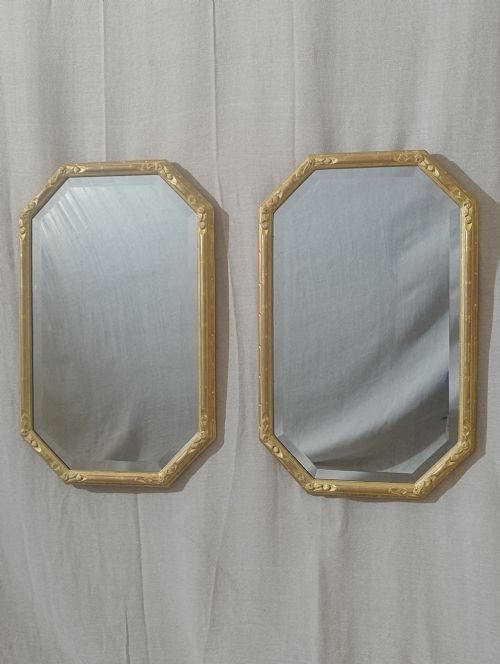
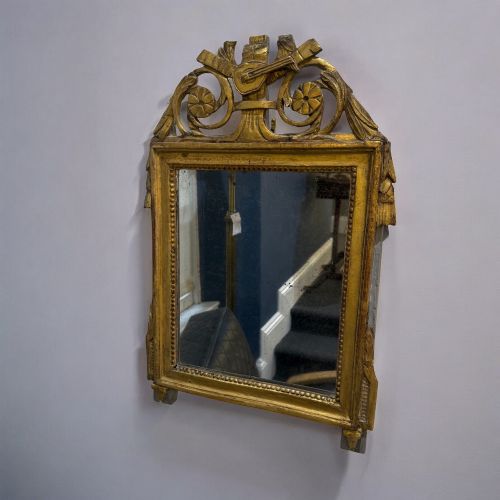
The assortment includes wall-mounted items, dressing table mirrors, and specialised forms featuring candle arms or wall shelves. Many examples display regional characteristics like arched tops, ribbon crests, and carved floral motifs. Buyers find both simple painted wood frames finished with gold leaf and heavily carved gesso structures designed to command attention in principal reception rooms.
How They Were Made
Makers constructed the foundational frames using timber, often building up intricate relief details with layers of gesso and plaster over a carved wooden base. Artisans applied thin sheets of gold leaf or metallic paint to these prepared surfaces, sometimes combining gilded areas with painted wood or parcel gilt treatments.
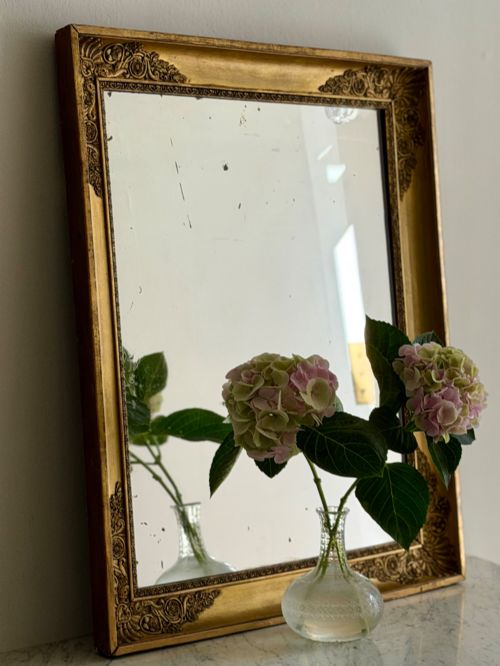
Reflective surfaces included antique glass plates, with older examples utilising foxed mercury glass that displays characteristic dark spots and age patination. Frames frequently incorporated composition ornaments pressed into moulds and secured to the wooden structure before finishing.
Listings feature periods spanning from the 18th century through the Victorian era and into the 1900s.
What Varies in Quality
Quality depends upon the depth and crispness of the hand-carved wood details versus the uniformity of moulded composition ornaments. Superior pieces exhibit meticulous joinery, original gilding that has aged with a natural warmth, and heavy glass plates secured securely within the rebate.
The integrity of the underlying gesso and the survival of original mirror plates distinguish finer examples from later replacements. Balance in proportion and harmony between the crest decoration and the main frame dictate the visual success of the piece.
The Vintage French Gilded Mirror Glossary
- Gesso
- A plaster mixture applied to wooden frames to provide a smooth surface for gilding. Artisans carved intricate patterns directly into this hardened material.
- Mercury glass
- A type of double-walled silvered glass produced in the nineteenth century, often showing characteristic foxing and dark spots due to the breakdown of the backing.
- Louis Philippe
- A mid-nineteenth-century French style characterised by simple, elegant lines, rounded top corners, and minimal ornamentation compared to earlier Rococo excesses.
- Overmantel mirror
- A wide horizontal mirror specifically designed to hang on the wall directly above a fireplace mantel.
- Trumeau mirror
- A decorative wall mirror combined with a painted panel or artwork, often integrated into the wood panelling of a room.
Vintage French Gilded Mirror: Frequently Asked Questions
How do I hang a heavy overmantel mirror?
Heavy overmantel mirrors require robust wall fixings secured directly into masonry or substantial timber studs to support the weight of the wood and glass safely.
Professional mirror hangers often utilise heavy-duty metal brackets or French cleats distributed evenly across the back frame to ensure stability.
What is foxed glass?
Foxed glass refers to mirror plates that have developed mottled dark spots and age blemishes where the backing has oxidized over time.
Collectors prize this characteristic ageing for the authentic historical appearance it imparts to nineteenth-century and eighteenth-century mirrors.
Can these mirrors be used as floor leaner mirrors?
Certain large formats are constructed specifically as leaner mirrors, designed to stand steadily against a wall without wall fixings.
It remains important to secure taller leaner frames at the top with hidden brackets to prevent accidental tipping.
How do I clean an antique gilt frame?
Antique gilt surfaces require gentle dusting with a soft, dry brush to avoid damaging delicate gesso and gold leaf layers.
Moisture and modern chemical cleaners should be kept away from the gilded areas to preserve the historic finish.