


Vintage French Entry Table
A vintage french entry table brings architectural character to a hallway, offering a surface of marble or wood supported by iron, oak, or giltwood.
Vintage French Entry Table
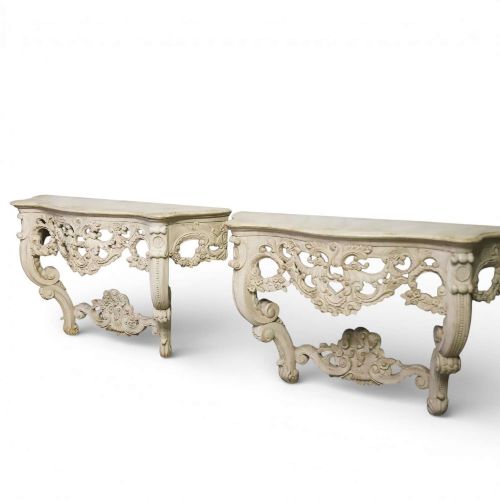
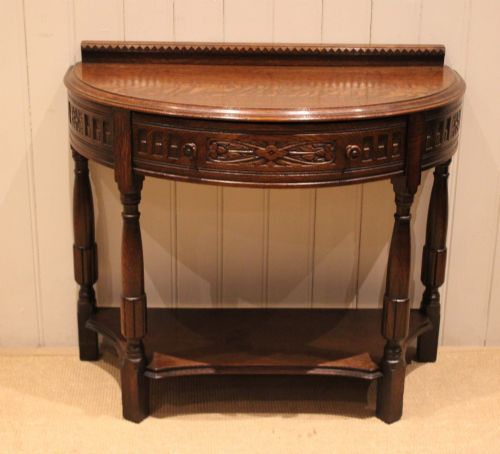
When you search for a vintage french entry table, you encounter console tables, centre tables, and console table and mirror sets spanning periods from the eighteenth century through the 1930s. These pieces include wall console tables, demi lune tables, and side tables designed to fit narrow spaces or anchor a room.
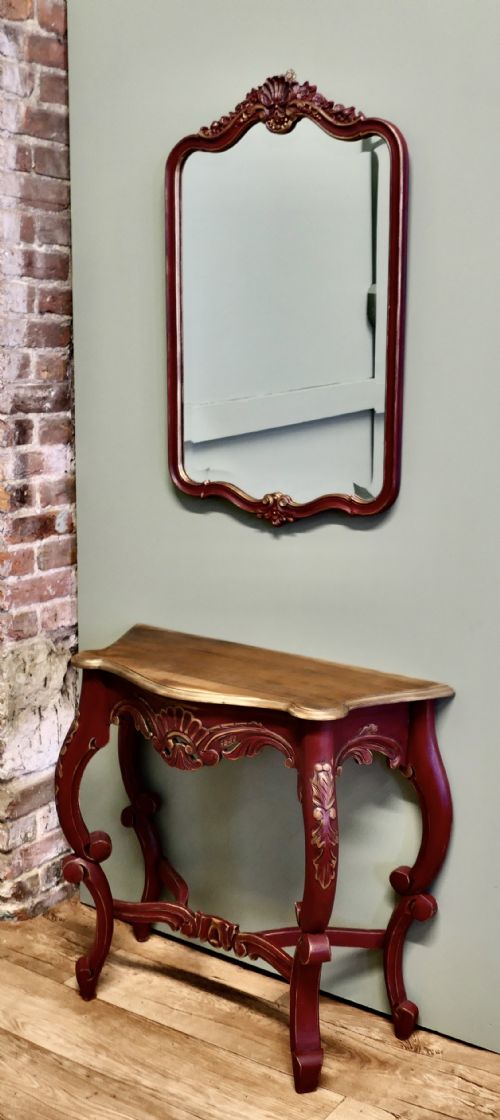
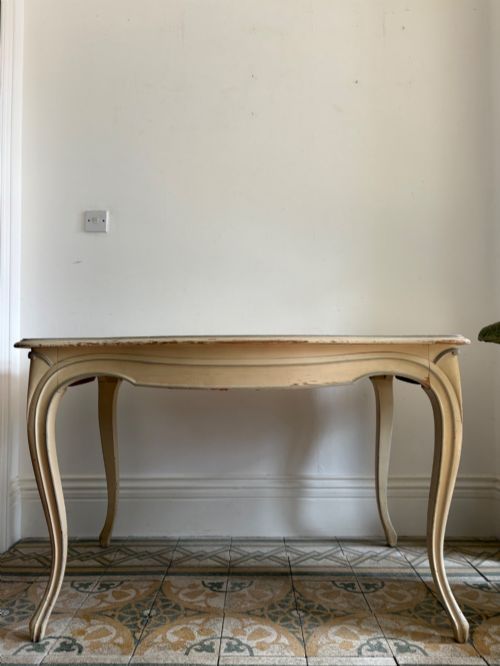
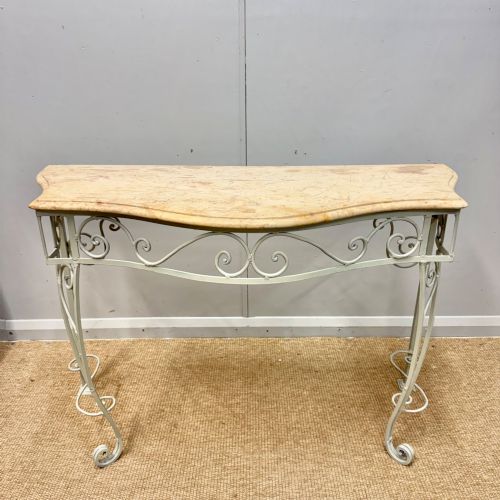
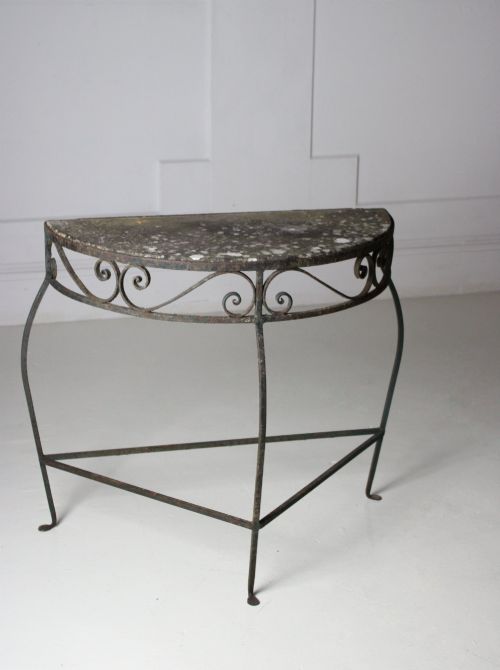
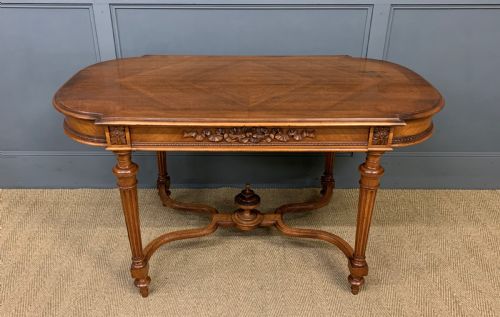
The selections available here lean heavily toward console tables featuring marble tops and wrought iron bases, alongside wooden pieces shaped in French provincial, chateau, rococo, and Art Deco styles. You also find centre tables in walnut, kingwood, and oak, reflecting diverse regional and urban French workshops from various decades.
How they were made
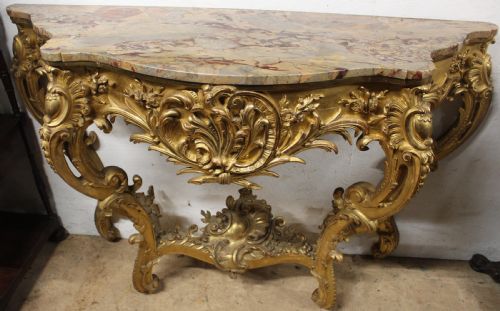
Cabinetmakers and blacksmiths utilised traditional methods, hand-carving solid woods such as oak, walnut, cherry, and kingwood while forging iron, brass, and copper into structural frames. Giltwood pieces received layers of gold leaf applied over carved wooden grounds, creating ornate surfaces for formal interiors.
Marble slabs were cut and polished to fit tightly into wooden or iron console frames, serving as durable and cool surfaces. Finishes ranged from antique white paint and cream pigments to clear French polish on figured veneers like ebony macassar.
Listings feature materials spanning marble, wrought iron, giltwood, glass, brass, oak, and paint across periods from the eighteenth century to the 1930s.
What varies in quality
The distinction between ordinary and exceptional pieces lies in the crispness of the hand-carving and the choice of primary timbers, such as figured kingwood and solid oak rather than simpler secondary woods. Heavier gauges of wrought iron and finely cast bronze ornaments also elevate a piece.
The integration of materials determines the overall resolution of the design, seen in how seamlessly a marble top rests within a moulded wooden or iron rebate. Original painted finishes and genuine period gilding command greater respect than later decorative layers.
The Vintage French Entry Table Glossary
- Demi lune
- Half-moon shape. These tables stand flat against a hallway wall.
- Console table
- A table designed to be fixed against a wall, frequently supported by ornamental brackets or legs.
- Giltwood
- Wood that has been covered with gold leaf or powder. This finish appears often on ornate eighteenth and nineteenth-century frames.
- Kingwood
- A dense, heavily figured exotic timber utilised in fine French cabinetmaking. It provides rich colour contrast on decorative tabletops.
Vintage French Entry Table: Frequently Asked Questions
Where do you put a console table?
These tables traditionally stand in hallways, entryways, or against living room walls where floor space is limited. Their shallow depth allows them to sit flush against vertical surfaces without blocking passage.
They often support mirrors, lamps, or decorative objects, serving as both functional furniture and focal points upon entering a home.
How do I identify a rococo table?
Rococo pieces feature asymmetric curves, organic C-scrolls, and naturalistic motifs inspired by shells and foliage. The carving is deeply dimensional and fluid.
Such examples often appear in giltwood or painted finishes, reflecting the decorative tastes of eighteenth-century France and its later nineteenth-century revivals.
What is the difference between a centre table and a console?
A centre table is freestanding and finished on all sides, intended to occupy the middle of a room. A console table is meant to be placed directly against a wall.
Console tables frequently have flat backs and legs designed for wall stability, whereas centre tables are symmetrical from every viewing angle.
Are marble top tables heavy?
Marble slabs add substantial weight to these tables, which helps keep them stable against walls without requiring permanent wall fixings. This weight means lifting requires care.
The stone provides a durable, heat-resistant surface that distinguishes many nineteenth-century French hall and serving tables from standard wooden furniture.