


Vintage French Cocktail Table
A vintage french cocktail table brings continental elegance to a room, offering a low surface for drinks with period character.
Vintage French Cocktail Table
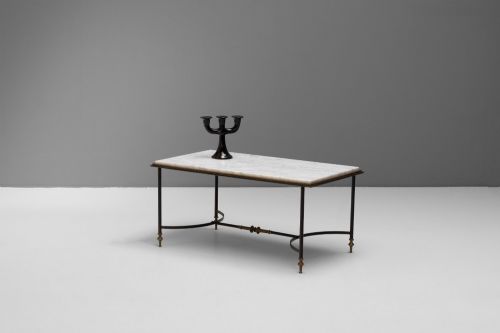
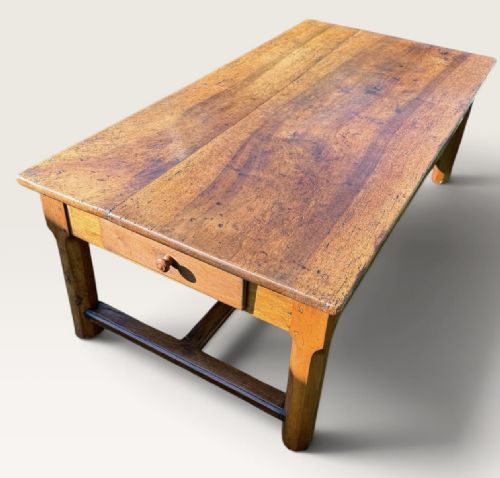
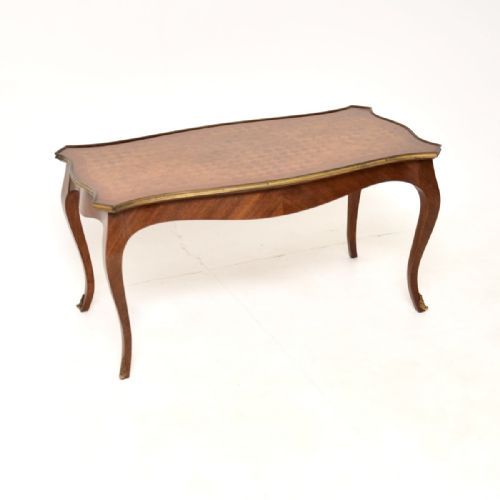
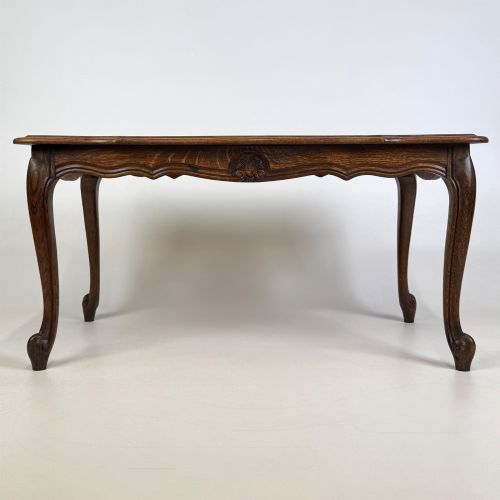
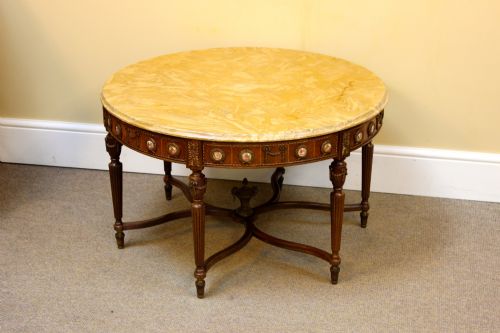
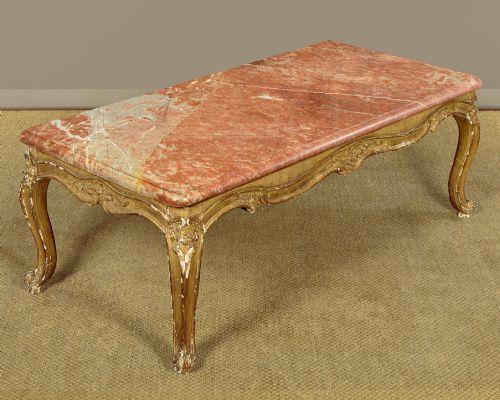
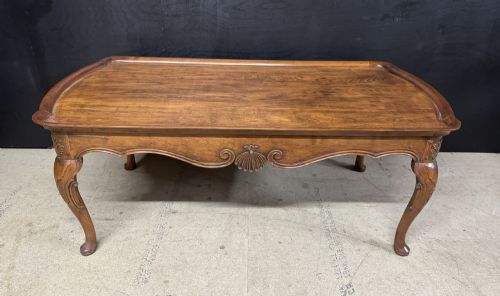
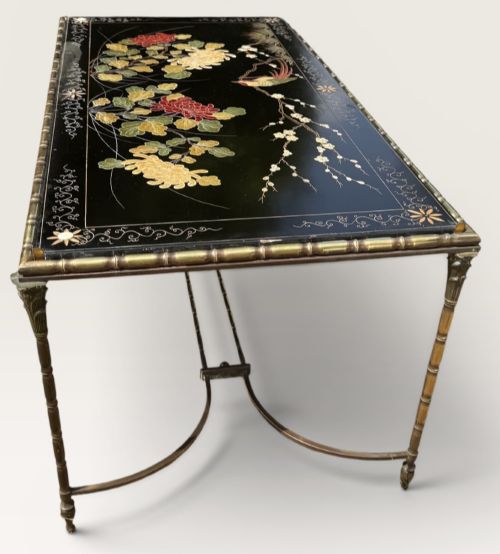
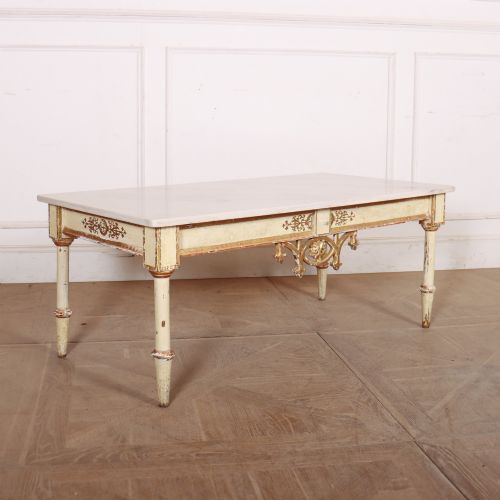
A vintage french cocktail table encompasses low coffee tables, tea trolleys, and occasional pieces originating from diverse periods including the nineteenth century and the nineteen-twenties. Buyers searching for a vintage french cocktail table will frequently encounter marble-topped designs, walnut frames, and wrought iron structures reflecting styles from rustic farmhouse to Art Deco and Louis XV.
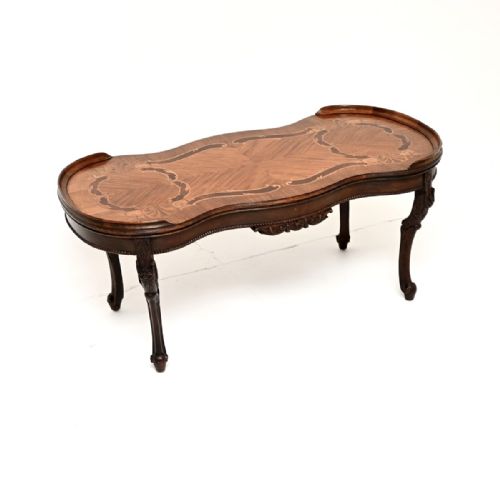
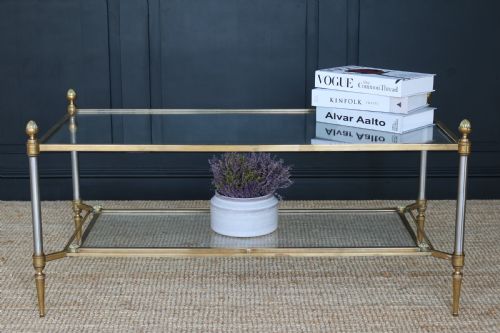
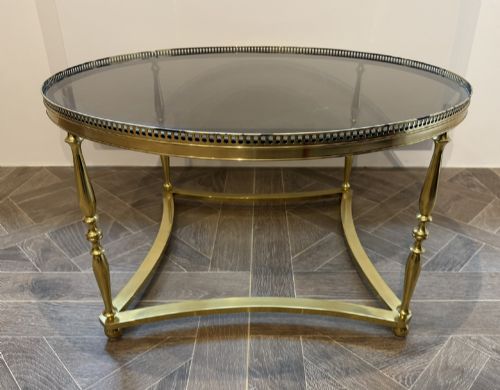
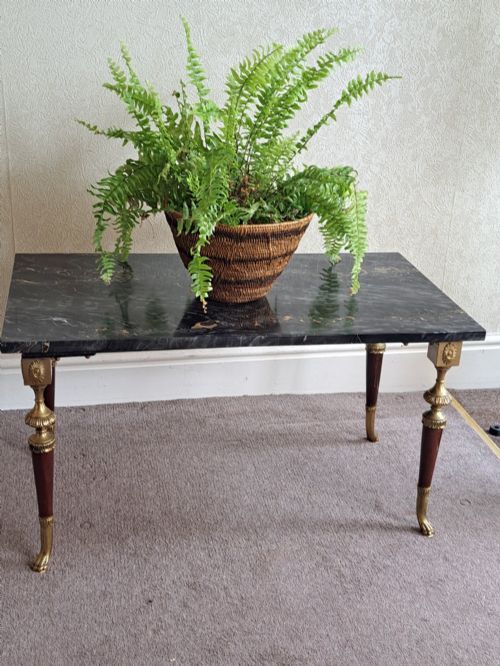
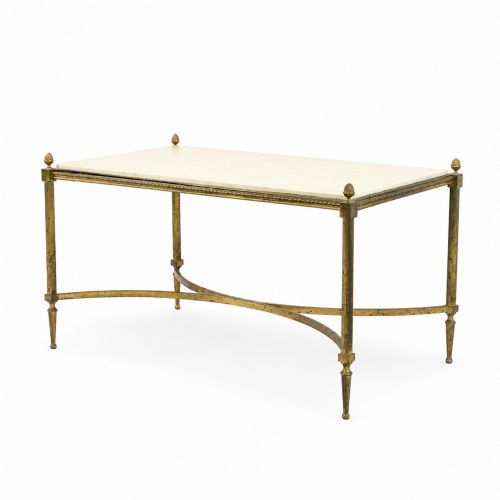
The selection ranges from robust oak and cherry wood farmhouse low tables to refined inlaid parquetry and marquetry surfaces. Many pieces combine brass frameworks with inset marble tops, originating from Parisian workshops and provincial makers alike.
Materials and Construction
Cabinetmakers utilised hardwoods such as walnut, oak, mahogany, and satinwood, frequently employing burr walnut and intricate marquetry or parquetry veneers for decorative impact. Metal elements like brass, bronze, and wrought iron form sturdy structural frames, often paired with heavy white or black marble slabs.
Surfaces feature glass panels, mirror glass, or polished stone fitted securely into timber or metal surrounds. Turned legs, carved details, and giltwood finishes demonstrate traditional french joinery and decorative techniques.
Object forms include low coffee tables, tea trolleys, serving trays, home bars, and occasional tables.
Evaluating Quality
Quality rests upon the crispness of the carving, the precision of the marquetry inlay, and the weight and figuring of the timber and marble used. Superior examples display balanced proportions, original glass or stone inserts, and refined metalwork from notable makers rather than generic mass production.
The integrity of the construction, from stable joinery in the wooden frames to secure mountings for stone tops, separates standard decorative items from exceptional examples of period craftsmanship.
Maison Jansen·Maison Bagues·Masion Ramsay
The Vintage French Cocktail Table Glossary
- Marquetry
- Decorative veneer work forming pictorial designs using various woods. It requires immense skill to fit thin slices of contrasting timber together.
- Parquetry
- Geometric wood inlay patterns such as cubes or chequers. This technique creates durable and visually striking tabletops.
- Giltwood
- Timber carved and coated with gold leaf or gilt finish. It provides a bright, reflective surface popular in formal continental furniture.
- Wrought iron
- Iron beaten into shape by hand, valued for its strength and malleability. It forms robust and ornate bases for stone or glass tops.
- Burr walnut
- Wood taken from a tree growth featuring swirling grain patterns. Cabinetmakers prize it for creating highly decorative table surfaces.
Vintage French Cocktail Table: Frequently Asked Questions
What periods do these tables cover?
The selection spans from nineteenth century rustic pieces through Edwardian designs to Art Deco items from the nineteen-thirties.
Maker output also extends to mid-century modern interpretations produced later than nineteen-sixty.
Are marble tops original?
Many tables feature original inset marble slabs in white or black varieties, fitted specifically to the wooden or iron frames.
Checking the fit and stone type helps confirm period authenticity.
How do I care for wood and marble?
Wooden surfaces benefit from occasional waxing with suitable polish to maintain the finish of walnut, oak, or cherry wood.
Marble requires gentle cleaning with neutral soap to avoid staining the polished stone.
Where were these tables used?
They served primarily in reception rooms, salons, and home bars for holding drinks, tea sets, and serving trays.
Lower proportions suited conversational seating arrangements in formal and informal interiors.